Lea Salonga’s Hollywood Walk of Fame star will soon place her name on one of entertainment’s most recognizable landmarks.
But the milestone is bigger than another plaque on Hollywood Boulevard.
On September 4, Salonga will receive the 2,855th star on the Hollywood Walk of Fame, becoming the first Filipina to receive the honor.
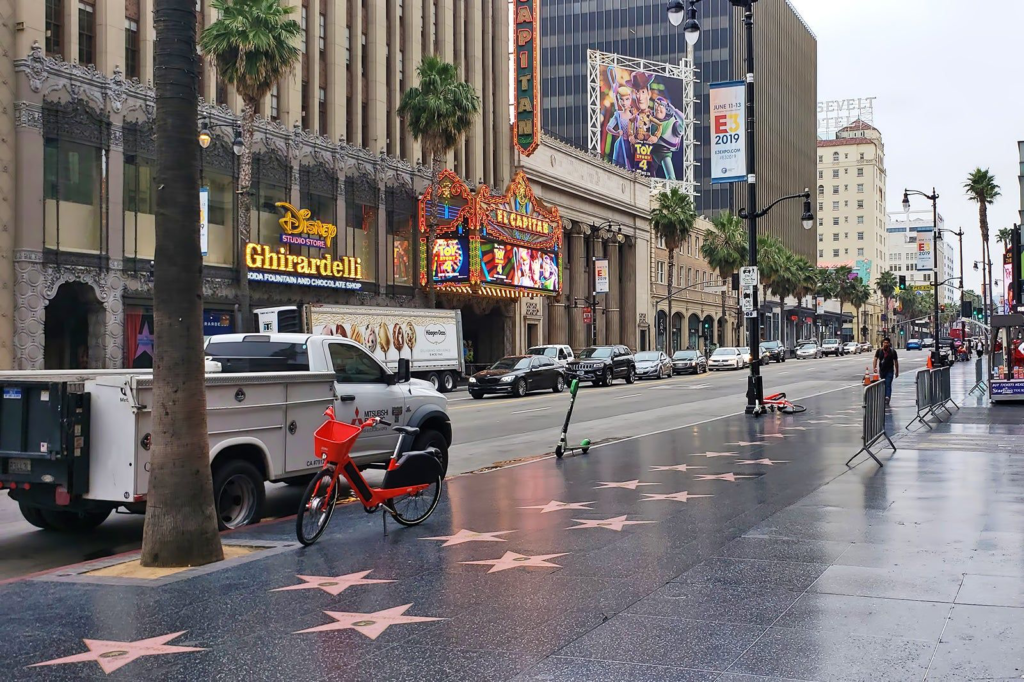
IMAGE CREDIT: Backstage
The Hollywood Chamber of Commerce says the ceremony will take place in front of the Pantages Theatre, with actress Ming-Na Wen, the speaking voice of Mulan, joining as a guest speaker. Salonga will be honored in the Live Performance category.
For Filipino audiences, the recognition adds another first to a career already filled with them.
Long before Filipino actors regularly appeared on major international stages, Salonga was playing leading roles in London and New York, winning theater’s biggest awards and becoming part of Disney films watched by millions of children around the world.
Her career did not single-handedly create opportunities for every Filipino performer who followed. But it helped make one possibility unmistakably visible: a performer from the Philippines could stand at the center of the global stage.
The role that changed everything
Salonga was already an experienced performer in the Philippines when an international search brought her to Miss Saigon.
She was selected to originate the role of Kim in the musical’s 1989 West End production and later brought the character to Broadway.
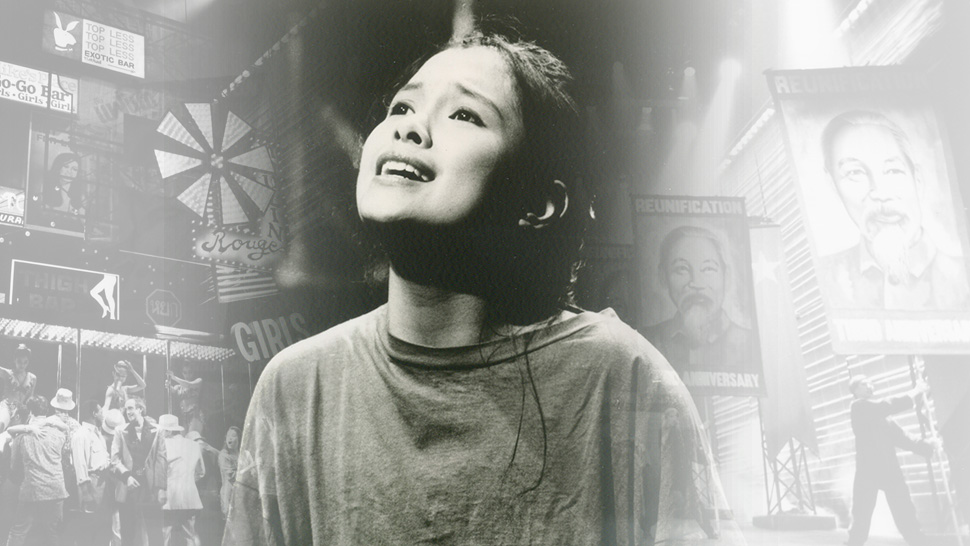
IMAGE CREDIT: Playbill
The performance turned her into an international theater star.
She won the Olivier Award in London and, when Miss Saigon reached Broadway in 1991, became the first Asian woman to win a Tony Award, receiving Best Actress in a Musical. She also won the Drama Desk, Outer Critics Circle and Theatre World awards for the role.
That breakthrough mattered beyond the trophy itself.
Asian performers had long worked in Western theater, but leading roles for actors from the region remained limited, particularly roles that could turn someone into an internationally recognized star.
Salonga’s success demonstrated that a Filipina actress could not simply participate in a major Broadway production. She could carry it.
She later made another Broadway first as the first Asian actress to play Éponine in Les Misérables, eventually returning to the musical years later as Fantine.
A Filipino voice inside Disney classics
Broadway introduced Salonga to international theater audiences, but Disney brought her voice into homes around the world.
She provided the singing voice of Princess Jasmine in Aladdin, including the character’s part in “A Whole New World.”
Several years later, she became the singing voice of Fa Mulan, performing songs including “Reflection” for Disney’s Mulan.
The speaking voice of Mulan was provided by Ming-Na Wen, making her participation in Salonga’s upcoming Walk of Fame ceremony a particularly fitting reunion.
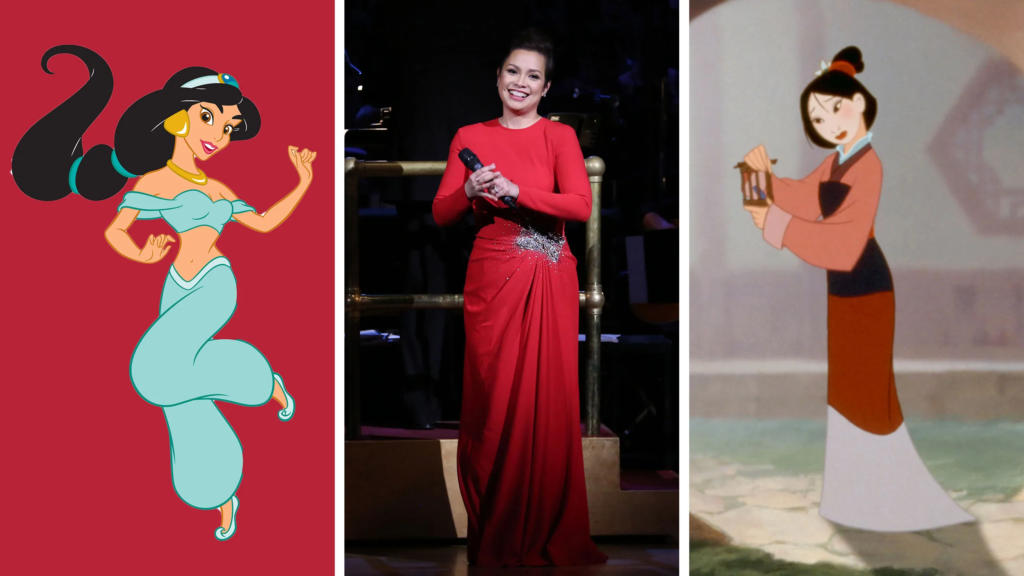
IMAGE CREDIT: Teen Vogue
Disney inducted Salonga as a Disney Legend in 2011, recognizing her contributions as the singing voice behind both characters.
For many Filipino children growing up in the 1990s and 2000s, representation did not necessarily arrive through a character explicitly identified as Filipino.
Sometimes, it was hearing a familiar name in the credits.
Knowing that the soaring voice behind a Disney princess came from the Philippines offered another kind of visibility at a time when Southeast Asian performers remained comparatively rare in mainstream Western entertainment.
The stage looks different today
More than three decades after Salonga’s breakthrough, Filipino performers are considerably more visible across Broadway and international theater.
Eva Noblezada, who has Filipino heritage, took on the role of Kim in the 2017 Broadway revival of Miss Saigon and earned a Tony nomination for her Broadway debut.
Actors including Arielle Jacobs, Conrad Ricamora and Jose Llana have built substantial Broadway careers, while Filipino performers can now be found across productions including Aladdin, Hadestown, Wicked, Moulin Rouge! and other major shows.
Perhaps the clearest illustration of that change came in 2023.
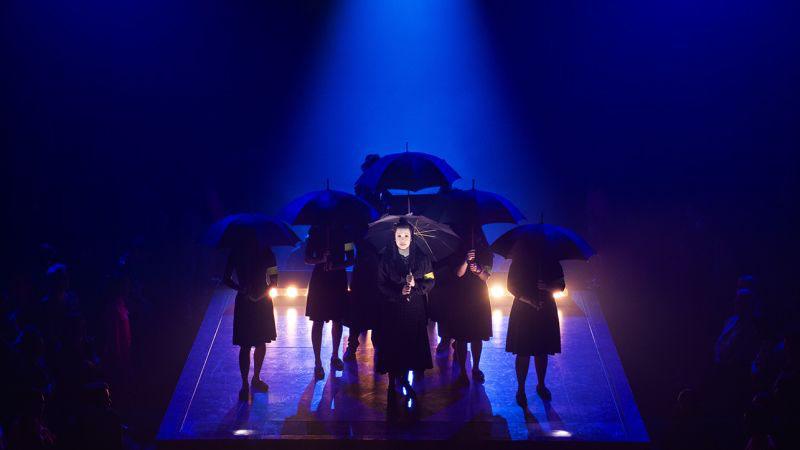
IMAGE CREDIT: CNN
Here Lies Love, the musical about the rise and fall of the Marcos regime, arrived on Broadway with the first all-Filipino company in Broadway history.
Its 23-member company included Jacobs, Ricamora, Llana, Salonga and a large group of Filipino and Filipino American performers.
Salonga was not only part of the cast. She also joined the producing team.
For someone whose Broadway career began at a time when Filipino representation often meant being the rare Filipino performer in a major production, returning decades later as part of an entire Filipino company marked a striking shift.
Salonga herself described the production as an example of what could become possible for other performers of color, expressing hope that greater cultural representation on Broadway could encourage others to imagine themselves there too.
Representation is more than being seen
The progress is real, but it also shows how representation has evolved.
Earlier milestones often centered on Filipino performers succeeding in roles that were not Filipino.
Salonga played a Vietnamese woman in Miss Saigon. She sang for an Arabian princess in Aladdin and a Chinese heroine in Mulan. Those opportunities were important, but they belonged to an era when Asian performers often competed within a narrow pool of roles written broadly around Asian identity.
By the time Here Lies Love reached Broadway, the conversation had changed.
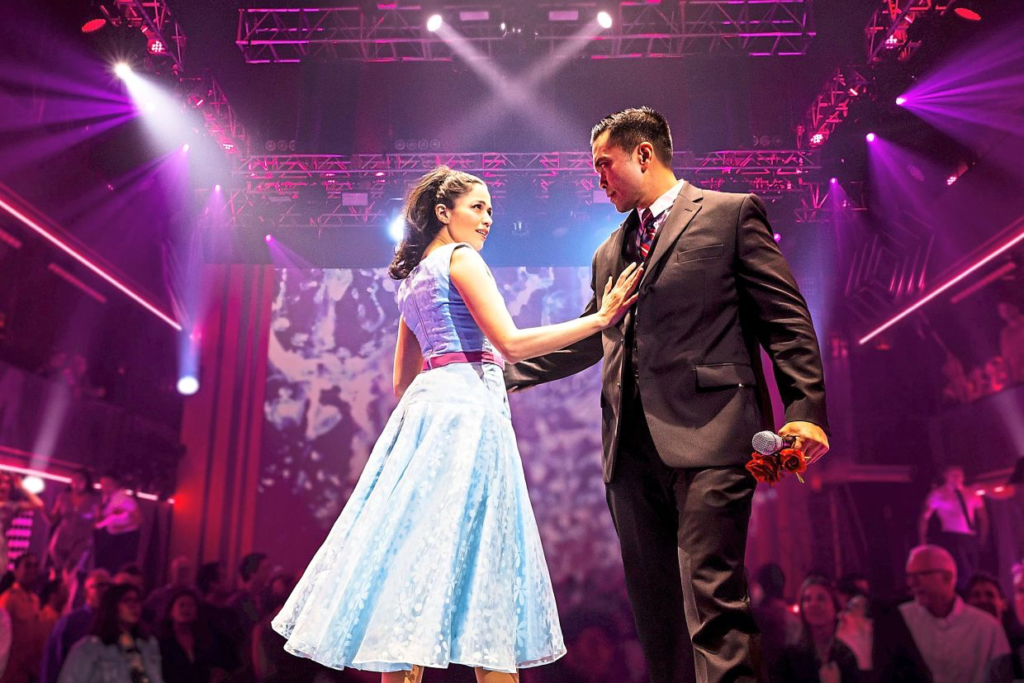
IMAGE CREDIT: The Star
Filipino performers were not simply appearing on the stage. They were telling a story connected directly to Philippine history, with Filipino actors, creatives and producers involved in bringing it to Broadway.
The production was also controversial because of the political history it portrayed, but its casting nevertheless represented something Broadway had never previously achieved: an entire Filipino company on the Main Stem.
That distinction matters.
Representation is not only about seeing someone who looks like you succeed abroad. It is also about reaching the point where performers can portray complicated characters, tell stories from their own communities and participate in shaping how those stories are presented.
Another first, decades later
Salonga has continued moving between Broadway, concerts, television, recordings and international stages throughout a career spanning more than four decades.
Her recent Broadway credits include Here Lies Love, Once on This Island and Stephen Sondheim’s Old Friends, alongside extensive concert touring around the world.
The Hollywood Walk of Fame star will therefore recognize far more than a single performance.
It connects the teenager who left Manila to audition for Miss Saigon with the Tony winner who followed, the Filipino voice behind two Disney heroines and the veteran performer who eventually watched an entire Filipino cast take over a Broadway theater.
There are now more Filipino names on marquees, playbills, television screens and international stages than when Salonga began.
That progress belongs to many artists and generations.
But when Salonga receives her star on September 4, it will also serve as a reminder of how unusual her journey once was.
For Filipino performers who can now imagine Broadway, Hollywood and international theater as places where they might belong, that may be one of the most important parts of the legacy.