For generations, selling farm produce has largely meant bringing it to a physical market and hoping customers come.
For Davao’s women farmers, that familiar routine is beginning to take a digital turn.
Through a partnership between Grab, the Rural Improvement Club (RIC) Davao City Federation Inc. and the Davao City government, women farmer-entrepreneurs are being given a new way to reach consumers. Their produce will soon be available through RIC Daily Fresh, a digital storefront on GrabMart.
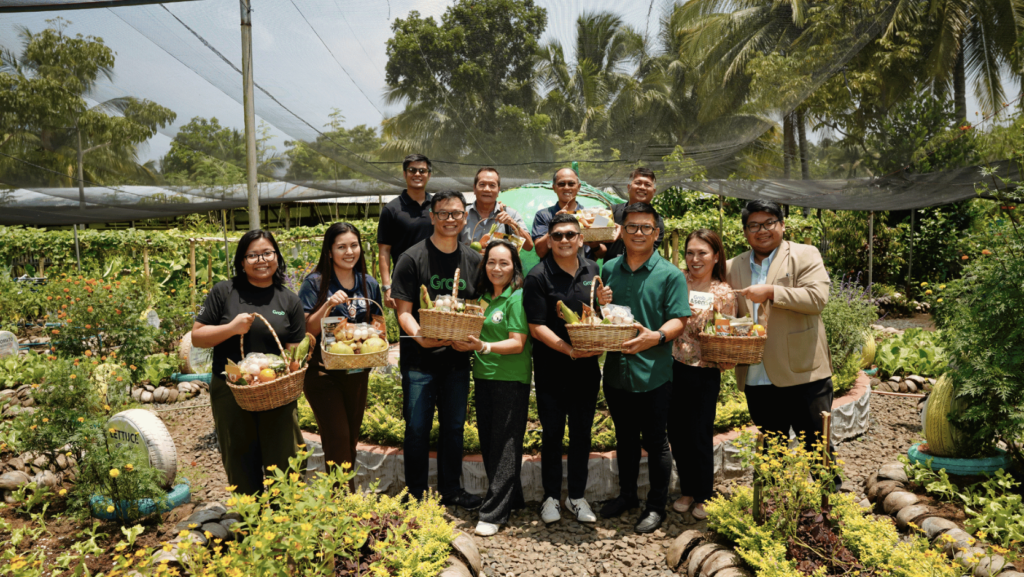
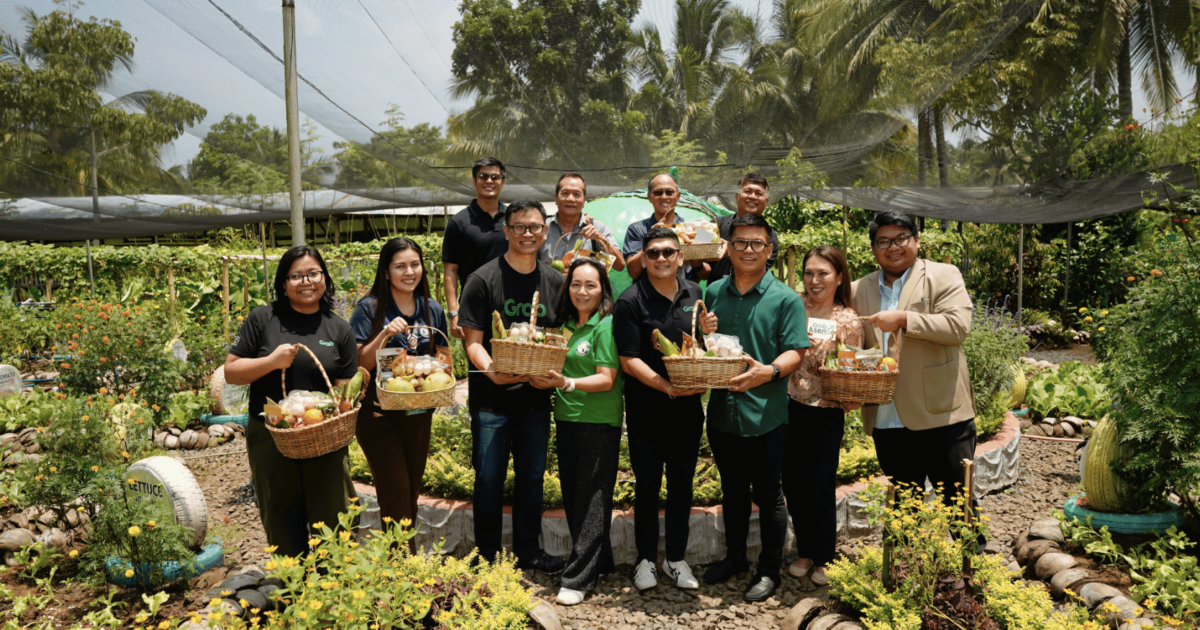
RJ Cabaluna (3rd from left, front row), head of Grab Philippines operations for Mindanao, pose for a photo with Ricardo “Cadi” Osorio, president of RIC Davao City Federation, in an urban farm in Davao City. Witnesses and representatives from the Davao City Council, City Agriculturist’s Office, and Davao City Economic Enterprises are also in the photo.
It may sound like a simple shift from a physical stall to an online listing.
But for small farming communities, that change could mean something much bigger: a new route to market.
From the farm to a digital storefront
Farmers traditionally depend on traders, wholesalers, public markets and other physical channels to sell their harvest.
These systems remain important, but they can also create challenges. Farmers have to bring their produce to market, find buyers and deal with the limitations of selling within a particular geographic area.
A digital storefront changes the equation.
Through RIC Daily Fresh on GrabMart, consumers can discover and order fresh produce through a platform they already use for everyday purchases. GrabMart describes itself as an on-demand grocery and essentials service, with delivery available in Davao City and other selected areas across the Philippines.
For the farmers involved, the opportunity is not simply about putting vegetables online.
It is about making their products more visible to consumers who may never encounter them through a traditional market.
The women behind the produce
At the center of the initiative are women farmer-entrepreneurs from the Rural Improvement Club Davao City Federation Inc.
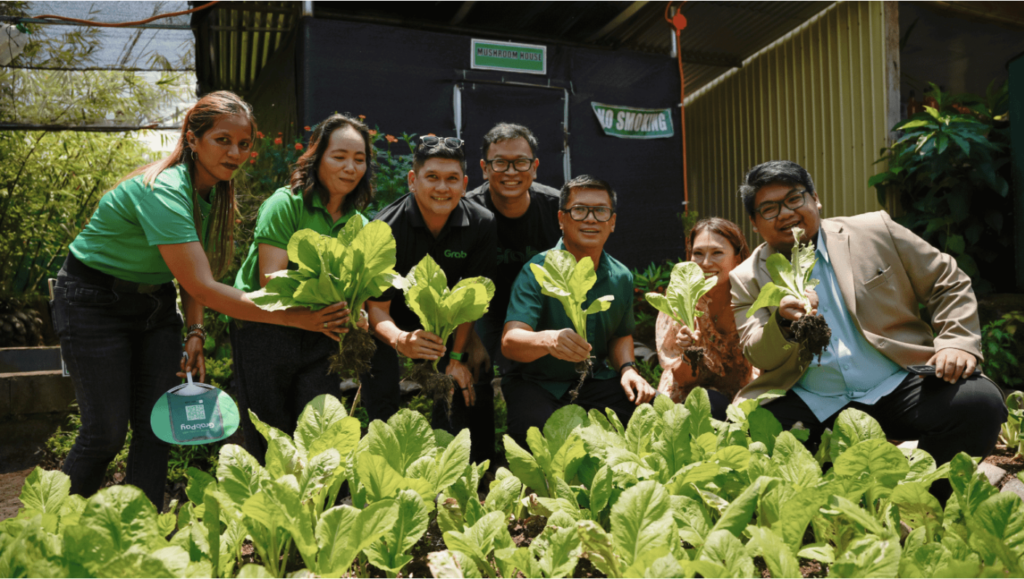
This partnership expands market access for RIC Davao’s women farmer-entrepreneurs via GrabMart while equipping them with digital and AI skills to build sustainable livelihoods.
The partnership is also being supported by digital training. Through Grab Asenso and the International Trade Centre’s Digital PINAS program, participating women have received training in areas including branding, content strategy, product photography, digital business profiles and artificial intelligence for small businesses.
That part of the initiative is particularly important.
Putting a product online does not automatically make a business digital.
Farmers and entrepreneurs also need to know how to photograph their products, describe what they sell, build a recognizable identity and communicate with customers online.
For a small farming enterprise, these skills can be just as valuable as having access to another sales channel.
When farmers learn to market themselves
There is a difference between producing something and knowing how to sell it.
A farmer may have excellent vegetables, fruits or other agricultural products, but consumers cannot buy what they cannot find.

IMAGE CREDIT: Women Farmers Can Make Asia More Food-Secure | Asian Development Blog
Digital marketing can help close that gap.
A good product photo can make fresh produce more appealing. A clear description can help customers understand where it came from. A digital profile can make a small producer appear more accessible and credible.
The training being provided through the partnership covers these practical aspects of bringing a business online. It includes not only digital presence and content creation but also business fundamentals such as e-commerce and financial management, depending on the needs of participating MSMEs.
In other words, the goal is not simply to teach farmers how to use an app.
It is to help them become more confident digital entrepreneurs.
Why a digital market matters for agriculture
Agriculture and technology are sometimes discussed as completely separate worlds.

IMAGE CREDIT: Landingi
But the Davao initiative shows how closely the two can now intersect.
The farmer still grows the produce.
The consumer still cooks and eats it.
What changes is the path connecting them.
Instead of relying entirely on someone physically visiting a market, a farmer can potentially reach a consumer through a digital platform. That creates another layer of flexibility for small producers.
Grab itself has previously used GrabMart to connect consumers with fresh produce sourced from farmers and suppliers around the Philippines, including producers from Pangasinan and Bukidnon.
The Davao initiative takes that idea further by putting a women-led farming community directly into the digital marketplace.
It‘s also about visibility
There is another benefit that is easy to overlook: visibility.
When consumers buy vegetables from a traditional market, they may not know who grew them.
Online platforms can make it easier to tell that story.
A digital storefront can potentially show consumers where products come from, who produces them and what makes them different.
That matters at a time when consumers are increasingly interested in local products and the stories behind what they buy.
For women farmers, it can also provide an opportunity to be recognized not only as producers but as entrepreneurs.
Women farmers as digital entrepreneurs
The initiative reflects a broader change in the way entrepreneurship is taking shape in the Philippines.

Meet 3 women farmers championing organic agriculture in the Philippines
Entrepreneurship does not always look like a startup founder working from a coworking space.
Sometimes it looks like a farmer learning how to photograph her harvest, write a product description and manage orders online.
Sometimes it means turning a traditional livelihood into a business that can reach customers through a smartphone.
That is why the digital training component is so important.
The more farmers understand the tools available to them, the more control they can potentially have over how their products are presented and marketed.
Consumers are part of the story, too!
For shoppers, the change could be just as interesting.
Buying fresh produce online is obviously convenient. Instead of going to a market, consumers can browse available products and have them delivered through GrabMart, subject to availability in their area.
But there is also something meaningful about knowing that a purchase can support a farming community.
The convenience of online shopping does not necessarily have to disconnect consumers from producers.
Technology can actually help tell that story.
A bag of vegetables arriving at your doorstep can represent much more than a grocery order. Behind it is a farmer, a harvest, a community and an increasingly digital way of doing business.
Small steps toward a bigger digital agriculture story
The Davao initiative is still developing, so it would be too early to say exactly how much additional income or sales the participating farmers will generate through GrabMart.
But the direction is significant.
It shows what happens when digital platforms are used not only to make consumers’ lives more convenient but also to create opportunities for people who traditionally operate outside the digital economy.
For Davao’s women farmers, the smartphone can become more than a communication tool.
It can become a storefront.
And for consumers, the next time they open GrabMart to order fresh produce, they may be buying from someone whose farm is closer to the digital economy than they realize.
The future of farming may have a digital checkout
Agriculture will always depend on land, weather, labor and the people who grow our food.
Technology cannot replace those fundamentals.
But it can change what happens after the harvest.
By giving women farmers access to digital storefronts, marketing skills and new consumers, initiatives like RIC Daily Fresh demonstrate how technology can create another bridge between rural livelihoods and modern consumers.
The bigger opportunity is not simply selling vegetables online.
It is helping farmers become more visible, more connected and more capable of participating in an economy that is increasingly digital.
The farm may still be in Davao, but the market is no longer limited to the road outside it.