When tragedy unfolds in a place where young people are supposed to feel safe, the instinct to know more can be immediate. What happened? Who was involved? What does it look like? What happened next?
In an age when information can travel across thousands of screens within minutes, those questions can quickly turn into videos, photographs, screenshots, speculation, and posts shared far beyond the community directly affected.
Following the shooting incident at Ateneo de Zamboanga University on Tuesday, August 18, the Public Relations Society of the Philippines (PRSP) is asking the public to pause before pressing “share.”
The organization is calling on communicators, media practitioners, content creators, and social media users to exercise restraint and responsibility in handling information about the tragedy, particularly graphic images and videos involving minors and people experiencing trauma.
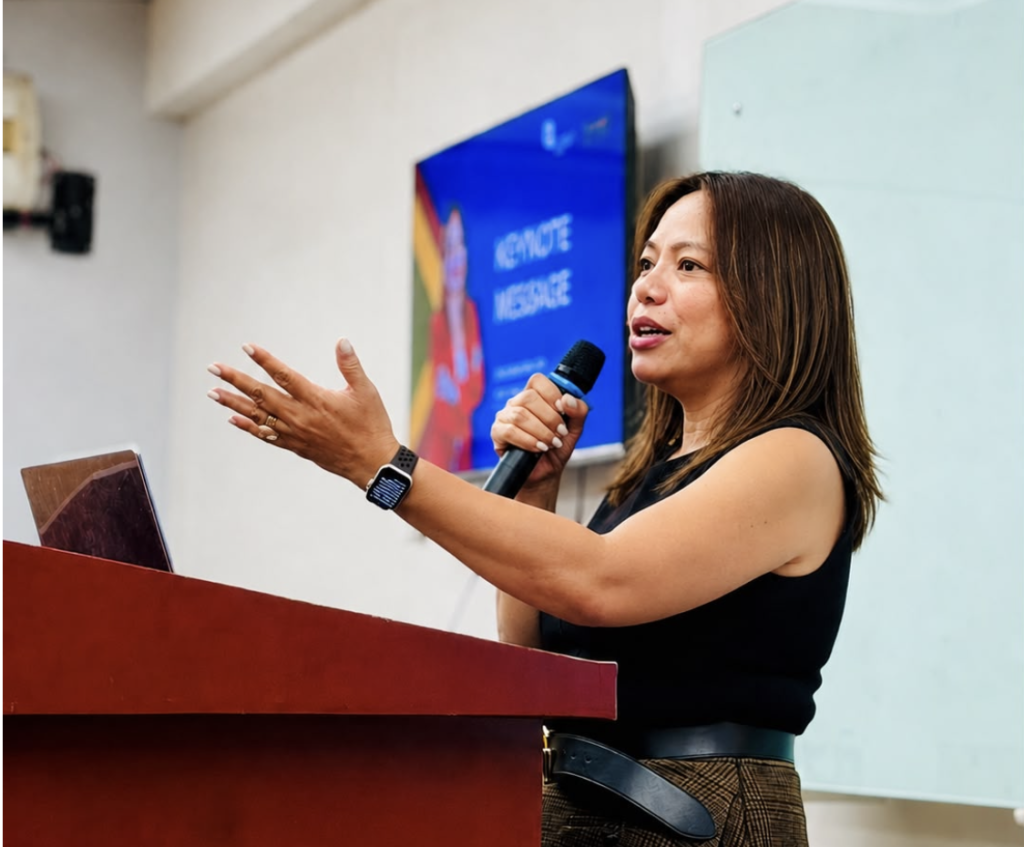
PRSP President Ana Ruby Pista, APR, while delivering her keynote message
In a statement issued Wednesday, PRSP expressed solidarity with the families, students, teachers, and others affected by the incident while reminding the public that there are real people behind every photograph, video, headline, and social media post.
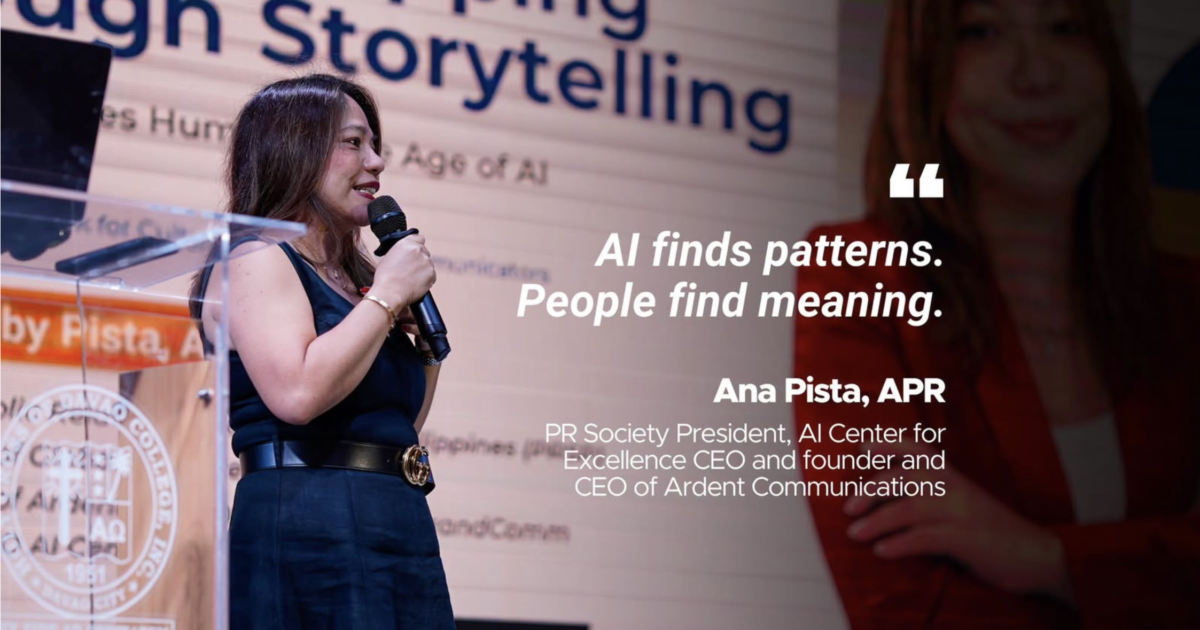
“We urge communicators, media practitioners, content creators, and all social media users to consider the human beings behind every image, video, headline, and post before pressing ‘share,’” PRSP President Ana Ruby Pista, APR, said.
When tragedy becomes content
The speed of digital platforms can make it difficult to distinguish between informing the public and simply amplifying what attracts attention.
For PRSP, that distinction matters.
The group cautioned that repeatedly circulating violent content can cause further pain and trauma to victims, families, classmates, teachers, and communities already dealing with the aftermath of the incident.
It can also have another unintended consequence: giving perpetrators the visibility they may seek.
“When images of perpetrators and their violent acts are repeatedly circulated, discussed, reposted, and allowed to dominate our feeds, we risk turning tragedy into spectacle,” the statement read.
“More dangerously, we may unintentionally send the message that committing an act of violence is a way to be seen, heard, remembered, or made infamous.”
That is why responsible communication is not simply about deciding whether information is technically shareable.
It is also about asking whether it needs to be shared, whether it is verified, who could be harmed by seeing it, and whether sharing it contributes anything meaningful to the public conversation.
PRSP also urged the public to avoid speculation and the spread of unverified information while the investigation into the incident continues.
More than a call for restraint
The appeal reflects a broader responsibility that PRSP has long placed at the center of professional communication: information carries consequences.
For communicators, that responsibility extends beyond crafting messages or managing reputations. It means understanding the power of communication, particularly during moments when emotions are high and people are searching for answers.
In the aftermath of a tragedy, a post can inform. It can help correct misinformation. It can direct people to legitimate sources of information and assistance.
But the same platforms can also magnify fear, expose vulnerable people, spread rumors, or turn someone’s worst moment into content consumed by strangers.
“There will be important conversations ahead about school safety, the protection of young people, access to firearms, and the amplification of violent content in digital spaces,” PRSP’s statement further stated. “These discussions must be grounded in facts, empathy, and a genuine commitment to meaningful solutions.”
For PRSP, this is where responsible communication becomes an act of stewardship.
It is about recognizing that communicators are not simply observers of events. They help shape how those events are understood, remembered, and discussed.
And in a tragedy involving young lives, that responsibility becomes even more important.
Choosing what we amplify
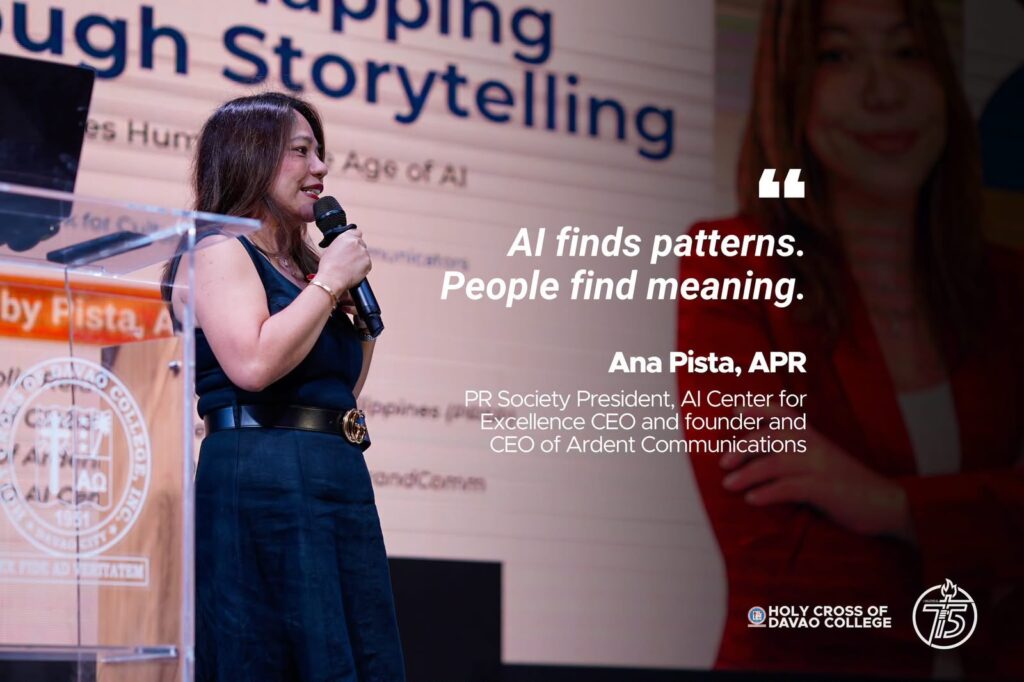
PRSP President Ana Ruby Pista, APR, in one of her talks about responsible communication
The question, ultimately, is not whether people have the ability to share. They do.
The question is what they choose to amplify.
“As communicators and as members of the public, we have the power to decide what we amplify,” Ms. Pista shared. “Let us use that power responsibly — not to sensationalize violence or give perpetrators greater visibility, but to inform, protect, and help our communities understand and heal.”
It is a reminder that responsible communication does not mean turning away from difficult stories.
It means telling them with care.
It means choosing verified information over speculation, context over sensationalism, and humanity over clicks and engagement.
And when the story involves children, families, teachers, and an entire community trying to process a tragedy, sometimes the most responsible thing a person can do is simply stop, think, and decide whether something truly needs to be shared.
For PRSP, honoring those affected means making that choice with compassion, responsibility, and humanity.