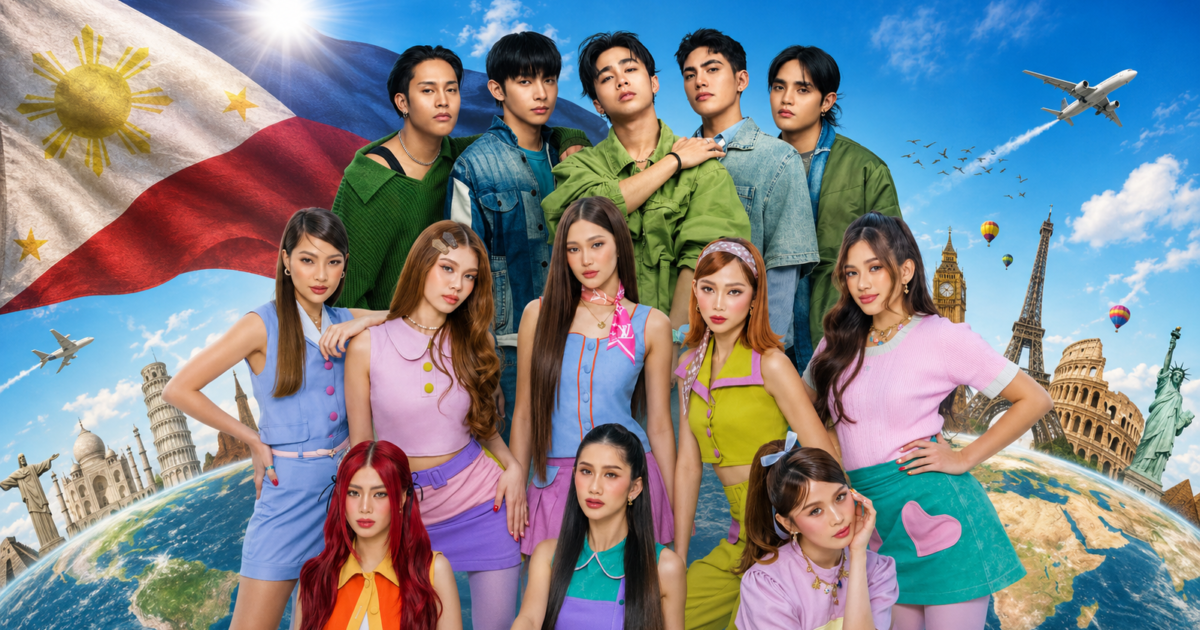
Filipino pop culture is no longer just something fans stream, watch and follow online. It is increasingly becoming a reason to pack a bag, book a trip and explore a place.
With the Department of Tourism (DOT) tapping P-pop groups BINI and SB19 to promote Philippine destinations through dedicated travel microsites, fandom is starting to become part of the country’s tourism strategy.
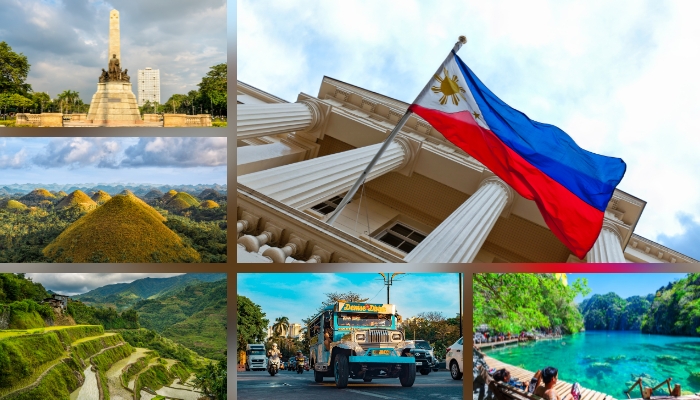
DOT launches ‘Discover More to Love’ campaign (IMAGE CREDIT: MARKETECH APAC)
The move comes as the Philippines looks for new ways to encourage domestic travel and make local destinations more appealing to younger audiences. The DOT’s broader Discover More to Love campaign is already pushing Filipinos to explore destinations beyond the usual tourist circuit through curated experiences and travel deals.
When your fave group becomes your travel guide
For BLOOMs and A’TINs, a destination can mean more when it is connected to an artist they already love.
COMPOSITE IMAGE: People Places Plates
The DOT’s BINI and SB19 travel microsites turn that fandom into a discovery tool, allowing fans to explore destinations associated with the groups and access curated tourism experiences.
It is a clever shift in tourism marketing. Instead of simply telling young Filipinos that a destination is beautiful, the campaign connects travel to something they are already emotionally invested in: their idols, their music and their communities.
BINI is already part of the tourism conversation
The partnership goes beyond the microsite.
In July, the DOT officially named BINI as its newest tourism ambassadors, describing the group as a way to showcase Philippine culture, destinations and hospitality to local and international audiences.
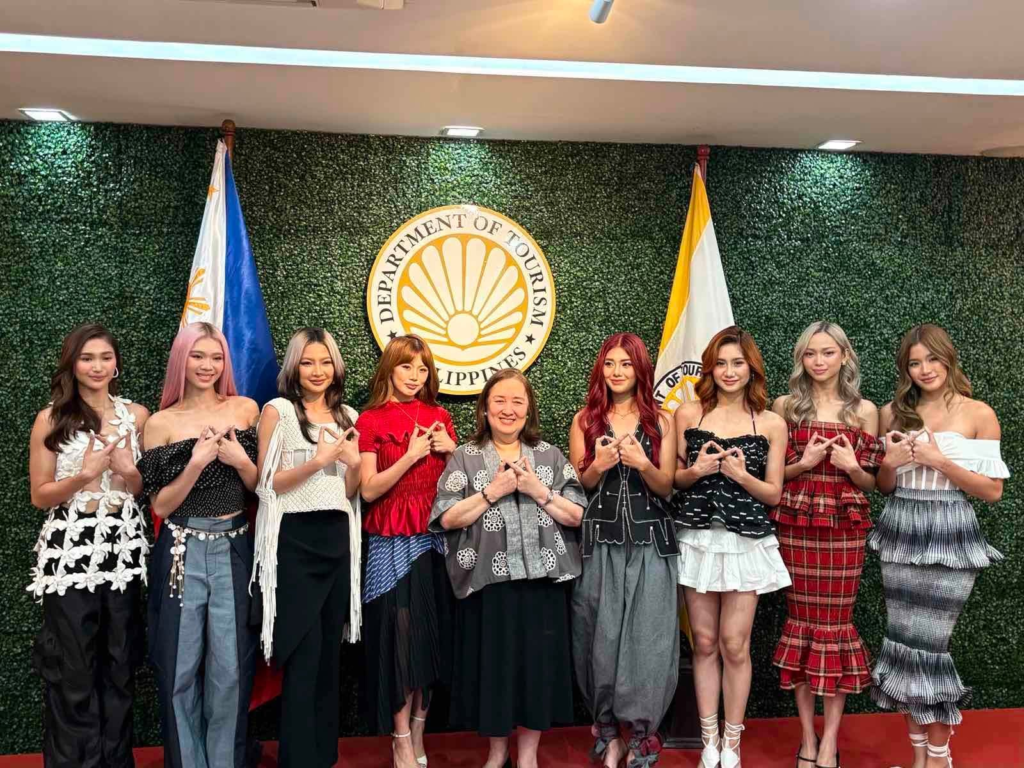
The Department of Tourism (DOT) names on Friday P-Pop girl group BINI as one of the country’s tourism ambassadors. (IMAGE CREDIT: Andrew Ronquillo)
DOT Secretary Dita Angara-Mathay also highlighted the group’s ability to connect with a wider generation, noting that each BINI member brings knowledge of the places they come from and their own local stories to the tourism conversation.
That gives the campaign something traditional tourism advertisements often struggle to create: a personal connection between the traveler and the destination.
From fan accounts to travel itineraries

IMAGE CREDIT: How to Create a Travel Itinerary: 6 Easy Steps for Any Trip
The potential is especially interesting because Filipino fandoms are already highly organized online.
A concert announcement can quickly turn into group chats, fan projects, travel plans, accommodation bookings and restaurant recommendations. A destination featured by an artist can similarly become a place fans want to experience for themselves.
That means the tourism journey can start long before someone arrives at an airport. It can begin with a TikTok, an Instagram post, a music video or a fan discussion.
For younger travelers, the question is increasingly not just “Where should I go?” but “What experience can I have there?”
P-Pop can put local places on the map
BINI and SB19 also represent a distinctly Filipino cultural export.
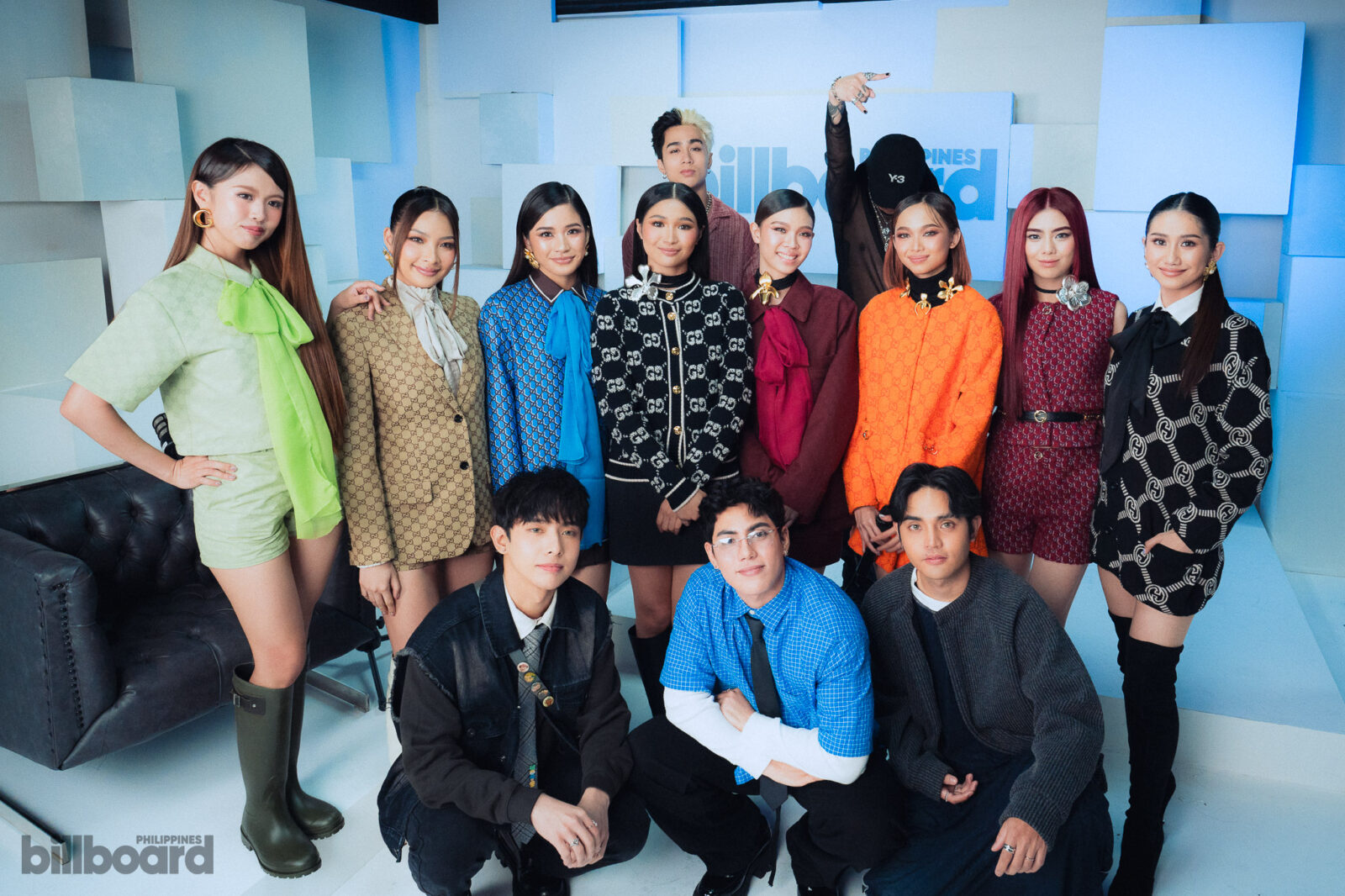
IMAGE CREDIT: SB19 & BINI Discuss Paving The Way For P-Pop’s Global Ascent
Their growing international audiences give Philippine tourism an opportunity to connect music promotion with destination promotion. A foreign fan discovering a Filipino artist could potentially become interested in the country where that artist came from.
That is where pop culture becomes more than entertainment. It becomes a gateway to food, heritage, landscapes, festivals and local communities.
The strategy also fits into the DOT’s broader digital approach. Its current tourism platform encourages travelers to discover both major destinations and places beyond the usual tourist circuit, with experiences ranging from food and culture to nature and adventure.
Why Gen Z travel looks different
For younger Filipinos, travel is increasingly tied to identity and experiences.
People do not necessarily want the same postcard-perfect itinerary their parents had. They want places they can photograph, stories they can tell and experiences that feel personal enough to share online.
IMAGE CREDIT: Gen Z Travel Trends 2025
That is why fandom-driven tourism has potential. A BINI or SB19 fan may already have an emotional reason to visit a particular place before they even search for flights.
And once one fan posts their experience, the destination can reach thousands more through the fandom itself.
Concert tourism could be the next big thing
The Philippines has already seen how major concerts can drive travel and spending.
When fans travel for concerts, they need more than a ticket. They need hotels, transportation, restaurants, shopping and activities before and after the show.

IMAGE CREDIT: Concert Tourism Creates New Opportunities Across Asia’s Travel Economy
The same idea can work in reverse: tourism campaigns can use artists to encourage fans to discover destinations even when there is no concert happening.
This could create a more sustainable relationship between entertainment and tourism, particularly during periods when destinations are trying to attract visitors outside peak seasons.
It is not just about BINI and SB19
The bigger story is what happens if this strategy expands.
Filipino artists, actors, athletes, creators and even online communities can become cultural gateways to different parts of the country. A celebrity known for a particular province can introduce its food. A musician can showcase its scenery. A creator can make an overlooked town suddenly appear on thousands of feeds.
The DOT’s current domestic tourism push already emphasizes year-round travel and supporting local tourism enterprises and communities.
Pop culture could give that strategy another layer: making destinations feel culturally relevant, not simply tourist-friendly.
From streaming your faves to following their footsteps
There is a bigger shift happening in the way Filipinos discover places.
Travel inspiration used to come mainly from brochures, television programs and traditional advertisements. Today, it can come from a music video, a fan edit, a concert, a TikTok trend or a post from your favorite artist.
That changes the role of tourism marketing. The destination no longer has to compete only on beaches, mountains or landmarks. It can compete through stories and communities.
And if the DOT gets the formula right, today’s P-pop fan might become tomorrow’s domestic tourist, simply because their favorite artist gave them a reason to go.
The next travel trend might be your fandom
The BINI and SB19 microsites show how Filipino tourism is adapting to the culture of the internet and fandom. Instead of treating pop culture as separate from travel, the DOT is using it as a bridge between younger audiences and Philippine destinations.
For fans, it could mean discovering places they would have never considered visiting. For local tourism businesses, it could mean reaching audiences that traditional campaigns might not easily capture.
And for the Philippines, it is another reminder that tourism is not only about where people go. It is also about what makes them want to go there in the first place.