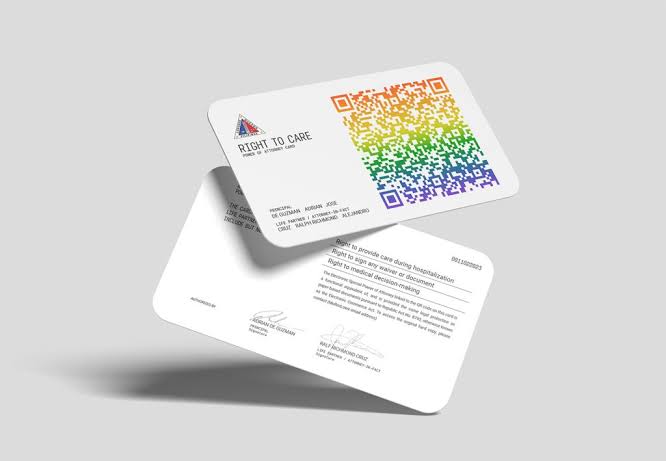
For couples, being there for each other during a medical emergency is something most people take for granted. But for LGBTQIA+ couples, particularly those whose relationships may not have the same legal recognition as heterosexual marriages, making medical decisions for a partner can involve additional complications.
Quezon City is trying to address part of that gap through its Right to Care (RTC) card, a program designed to help queer couples formally document their authority to make medical decisions for their partners.
Now, getting started has become more convenient. The Quezon City government has integrated Right to Care Card registration into its QC e-Services platform, allowing eligible couples to begin their application online instead of having to start the process entirely in person.
What is the ‘Right to Care’ card?
The Right to Care Card is a Quezon City program for queer couples that provides a mechanism for partners to make medical decisions for one another through a Special Power of Attorney (SPA).
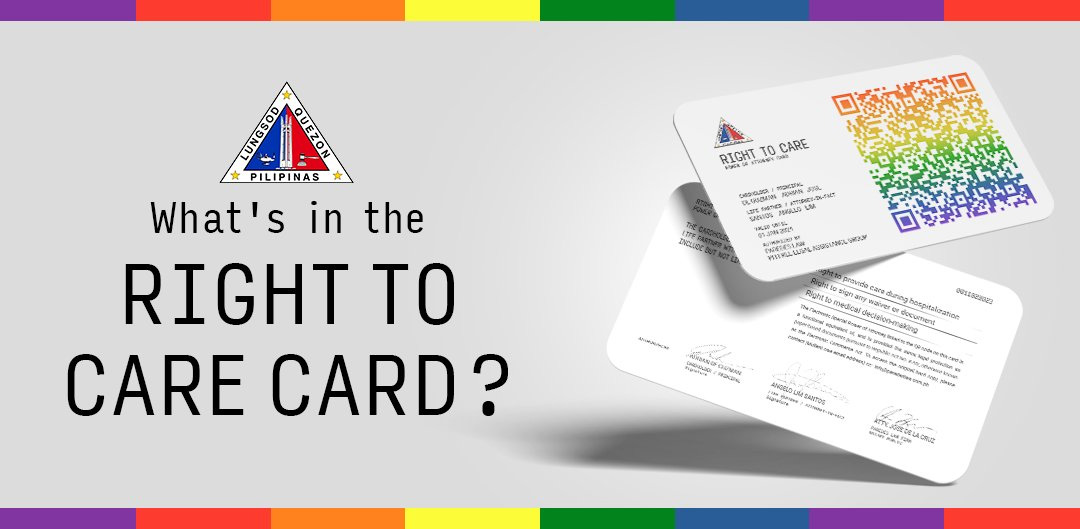
IMAGE CREDIT: Modern Parenting
According to the city government, the arrangement allows cardholders to agree to, refuse or withdraw consent for medical care involving their partners, including treatments, procedures, tests and prescriptions. The program was initially implemented in Quezon City’s government hospitals, including Quezon City General Hospital, Novaliches District Hospital and Rosario Maclang Bautista General Hospital.
The card does not simply function as another identification card. Its importance comes from the legal documentation behind it, particularly the SPA that couples sign following the required orientation.
That distinction matters because the program is ultimately about making sure a person’s wishes regarding their medical care can be represented by the partner they have chosen.
Who can apply?
According to the official Quezon City government guide, the Right to Care Card is available to queer couples who are Quezon City residents, or couples where at least one partner resides in Quezon City.
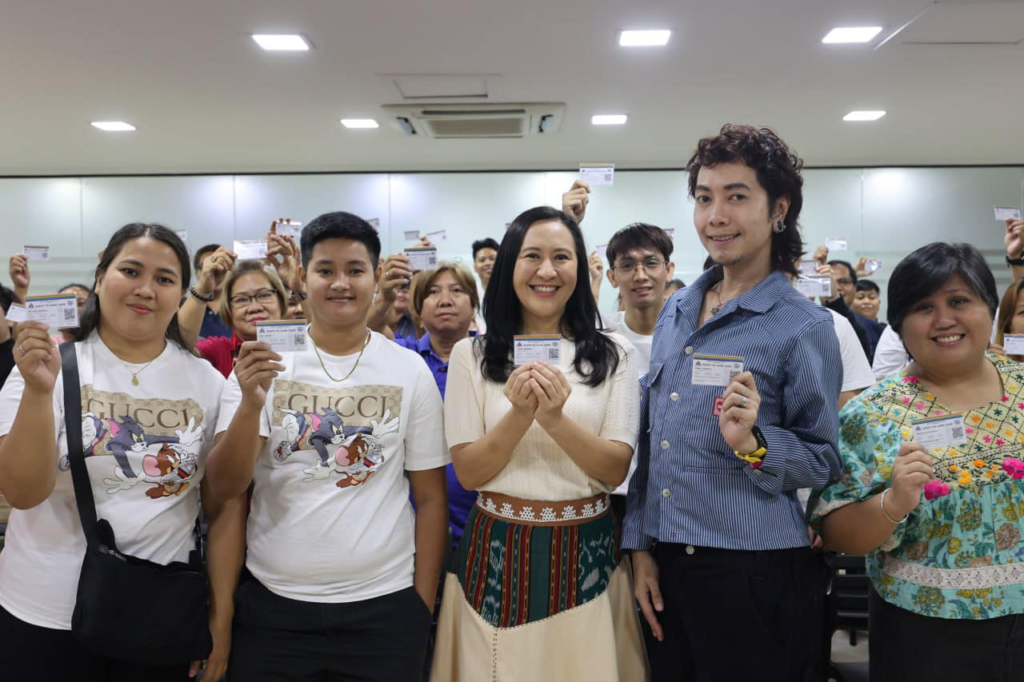
This means couples do not necessarily have to both be QC residents to qualify.
However, applicants still need to complete the city’s verification, orientation and documentation requirements before the card can be issued.
The program is particularly significant because Quezon City describes itself as the first city in the Philippines to implement the Right to Care Card. The city reported that, as of June 2026, 375 couples or 750 individuals had undergone orientation, 658 cards had been printed, and 1,782 applications had been received since the program began in 2023.
Those numbers suggest that there is already substantial interest in a formal mechanism that recognizes couples’ wishes when it comes to healthcare decisions.
How to register online
The online application is now available through the official QC e-Services platform.
Applicants first need to log in using their registered QC e-Services account. From there, they can select “QC Right to Care Card” and click “Apply for Right to Care Card.”
The application requires personal information from both the applicant and their partner before the couple saves the application.
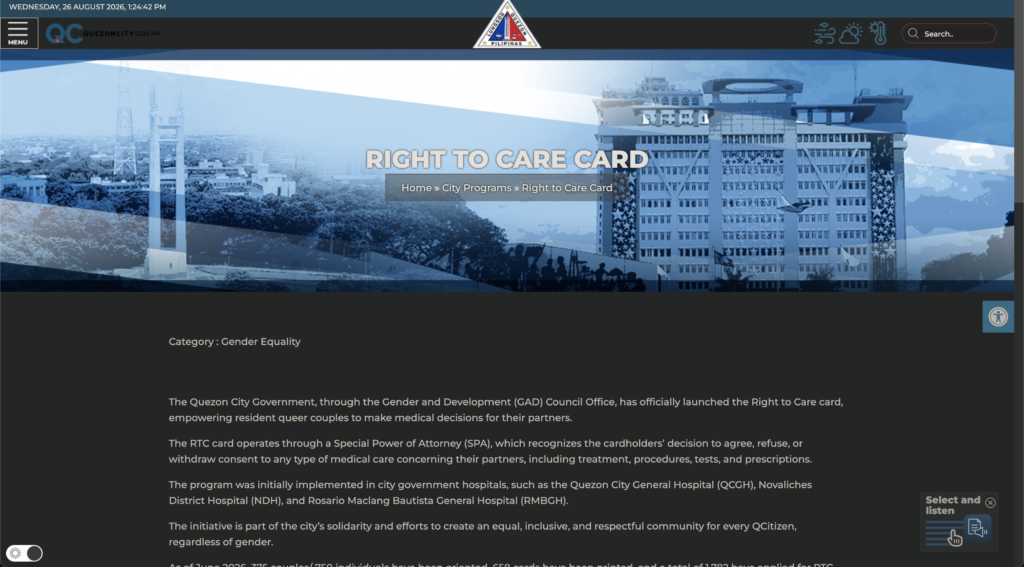
For more information: https://quezoncity.gov.ph/program/right-to-care-card/
After submitting the application, couples can monitor its status through their e-Services dashboard. They should also check their email for confirmation and updates regarding the registration.
The city’s Gender and Development Council Office will contact applicants as part of the verification process.
Official application portal: QC e-Services
There is still an in-person part
Going online does not mean that the entire process happens digitally.
After applying, couples need to attend a Right to Care Card orientation. The official QC guide says QC residents should bring their QC ID, while non-QC residents should bring one valid ID.
Following the orientation, both partners will be asked to sign a Special Power of Attorney in the presence of legal counsel. This is an important step because the SPA provides the legal basis for the medical decision-making authority associated with the program.
In other words, the online registration makes the beginning of the process easier, but couples still need to complete the required orientation and legal documentation.
What documents should couples prepare?
For the orientation, the city government says couples should prepare three photocopies of their QC ID if they are QC residents, or three photocopies of a valid ID if they are non-QC residents.
The city also advises applicants to monitor their email and e-Services dashboard for updates regarding their application and orientation schedule.

IMAGE CREDIT: ShutterStock
Because requirements and procedures can be updated, couples should check the official QC government guide before attending their appointment rather than relying on older social media posts or unofficial explainers.
Where can applicants get help?
For questions about the Right to Care Card, applicants can contact the Gender and Development Council Office at Quezon City Hall.
The office is located on the 6th floor of the High Rise Building inside the Quezon City Hall Compound. The official contact details listed by the city are [email protected] and 8988-4242 local 8739, 8732 or 8168.
Couples who prefer a manual application can also visit the GAD Council Office. The city says applicants can then select their preferred orientation schedule and proceed with the same orientation and SPA requirements.
Why the online shift matters
The move to online registration may seem like a small administrative improvement, but it reflects a bigger change in how local governments can make public services more accessible.
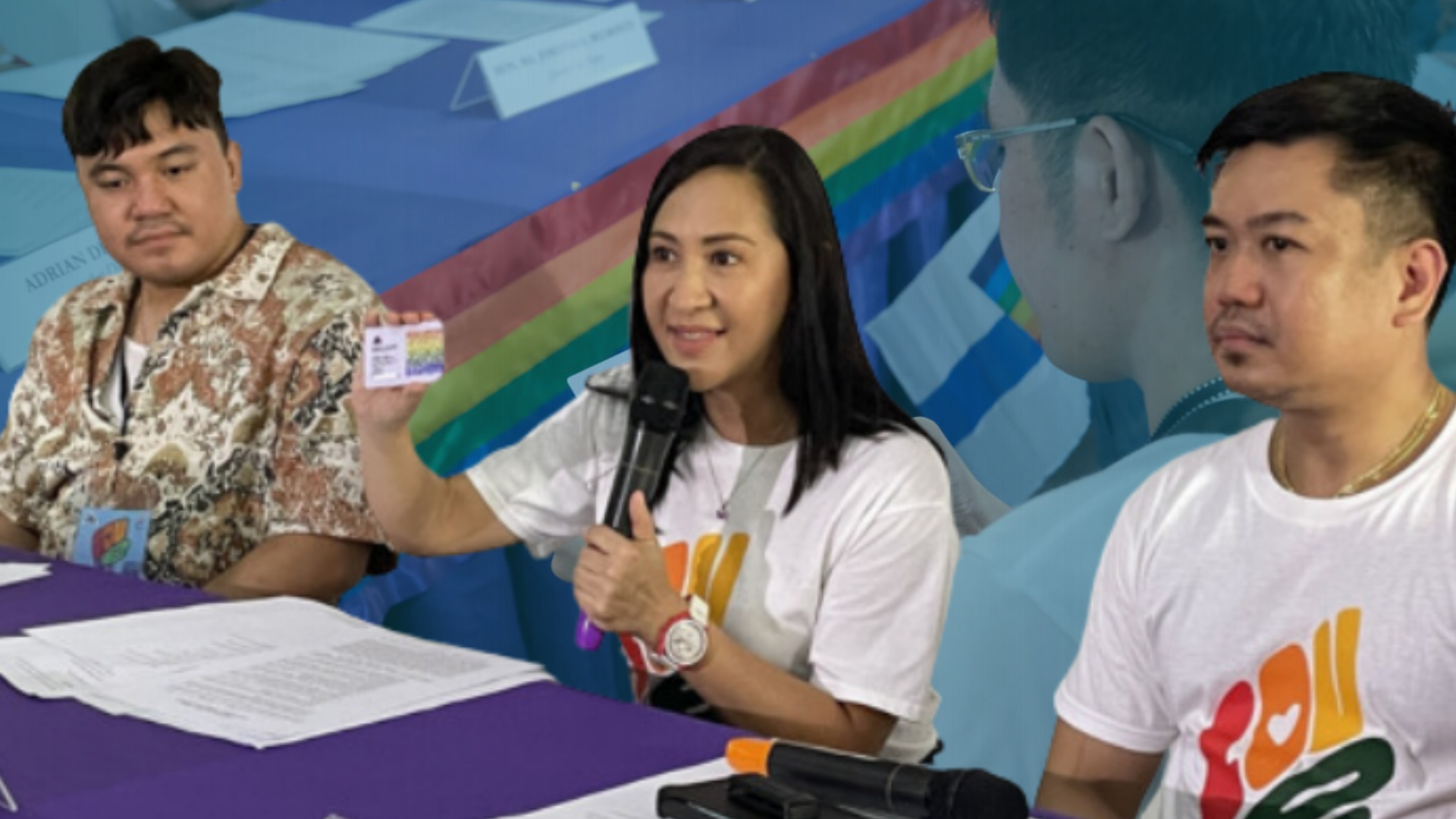
IMAGE CREDIT: Explained PH
Quezon City’s e-Services platform was created as a centralized digital portal for city transactions. As of March 2026, the city said more than 3.5 million users had utilized the platform, with hundreds of online services available across different categories.
Adding the Right to Care Card to that system means couples can begin the process from home rather than having to make an initial trip to City Hall simply to submit an application.
For people who may already feel uncomfortable discussing their relationship or healthcare arrangements in unfamiliar government settings, having an online starting point can also make the process feel more private and manageable.
It‘s more than just about a card
At its core, the Right to Care Card addresses a deeply personal situation: Who gets to speak for you when you cannot speak for yourself?
For couples, that question can become especially urgent during an accident, hospitalization or medical emergency.

IMAGE CREDIT: Modern Parenting
The Right to Care Card does not change the country’s broader legal framework surrounding marriage or automatically give couples every right associated with marriage. Instead, it provides a specific mechanism through an SPA that can help queer partners exercise decision-making authority concerning medical care.
That makes understanding the program important. Couples should know exactly what the card and accompanying legal documentation cover, rather than assuming it functions as a substitute for marriage or provides unlimited legal authority.
A small digital update with a bigger meaning
The move to online registration is ultimately about making an existing program easier to access.
But the story behind the card is much bigger than a new government website feature.
For LGBTQIA+ couples, healthcare can involve questions that many heterosexual couples may never have to consider in the same way. Who can consent to treatment? Who can communicate a partner’s wishes? Who is formally recognized when an important medical decision has to be made?
Quezon City’s Right to Care Card is one local attempt to address those questions.
And now that registration is available online, couples who may benefit from the program have a more convenient way to begin.
For LGBTQIA+ couples in and around Quezon City, knowing how to protect each other’s wishes before an emergency happens may be one of the most practical forms of care they can give one another.