The Siargao food scene is giving travelers another reason to visit an island long defined by surfboards, palm-lined roads and days spent chasing waves.
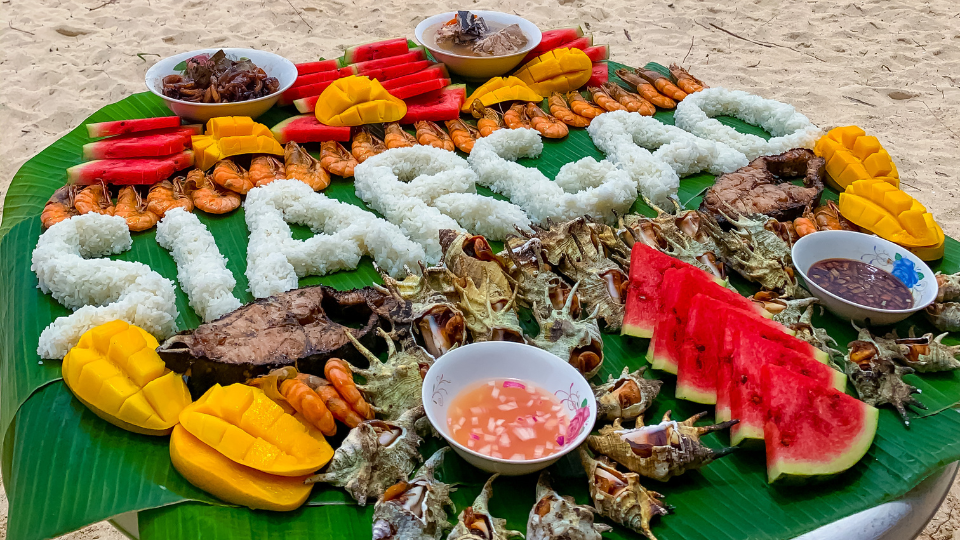
From fresh kinilaw and grilled seafood to specialty coffee, farm-to-table dinners and restaurants drawing inspiration from cuisines around the world, eating has increasingly become part of the Siargao experience.
That evolution is taking center stage this week as the Siargao Food and Wine Festival returns from August 26 to 31 for its second edition.
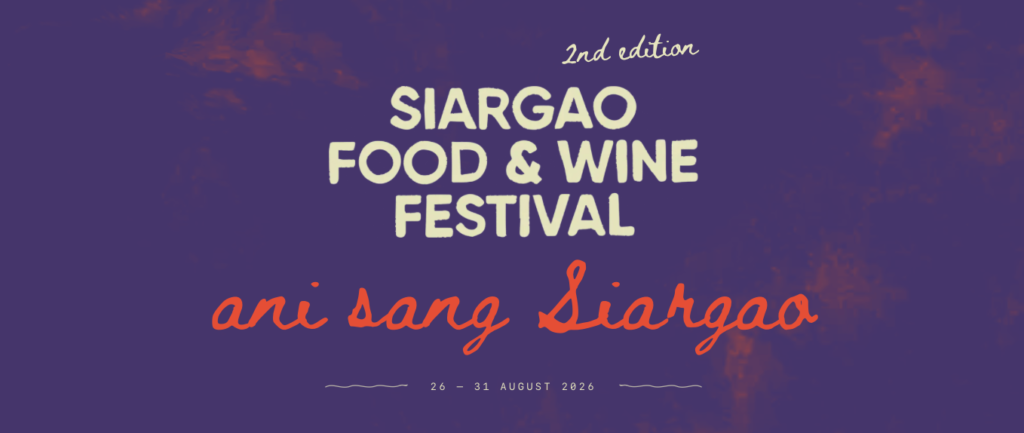
IMAGE CREDIT: Siargao Food Fest
Also known as Ani Sang Siargao, or Harvest of Siargao, the six-day festival is spread across the island rather than confined to a convention hall or a single restaurant.
Organizers describe it as the Philippines’ first community-led, island-wide culinary festival, bringing together more than 30 chefs, farmers, fishers, producers and participating venues across Siargao’s nine municipalities.
There are collaborative dinners and tasting menus, but there are also visits to a public market, coffee sessions, workshops, a farm experience, a community mercado and gatherings centered on ingredients such as coconut and seafood.
Together, they point to something larger happening on the island.
Siargao is no longer simply a place where travelers happen to eat well between activities. Food itself is becoming part of the reason to go.
From surf town to dining destination
For years, Siargao’s international identity has been closely connected to surfing, particularly the famous Cloud 9 break in General Luna.
But the restaurants surrounding those surf spots have changed considerably.
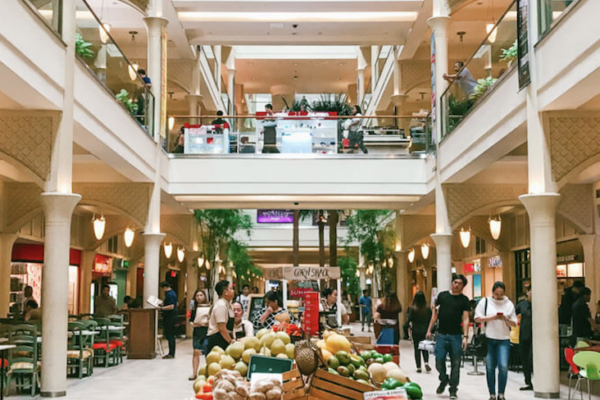
Today, travelers can move from Filipino karinderyas and seafood grills to pizza, specialty coffee, tasting menus and restaurants blending Filipino ingredients with Mediterranean, Latin American and other international influences.
The growth has become noticeable enough that international travel publications are beginning to describe Siargao as an emerging food destination.
Condé Nast Traveller highlighted the island’s increasingly diverse dining scene this year, pointing to everything from fresh seafood and tropical produce to modern Filipino cooking and farm-to-table concepts.
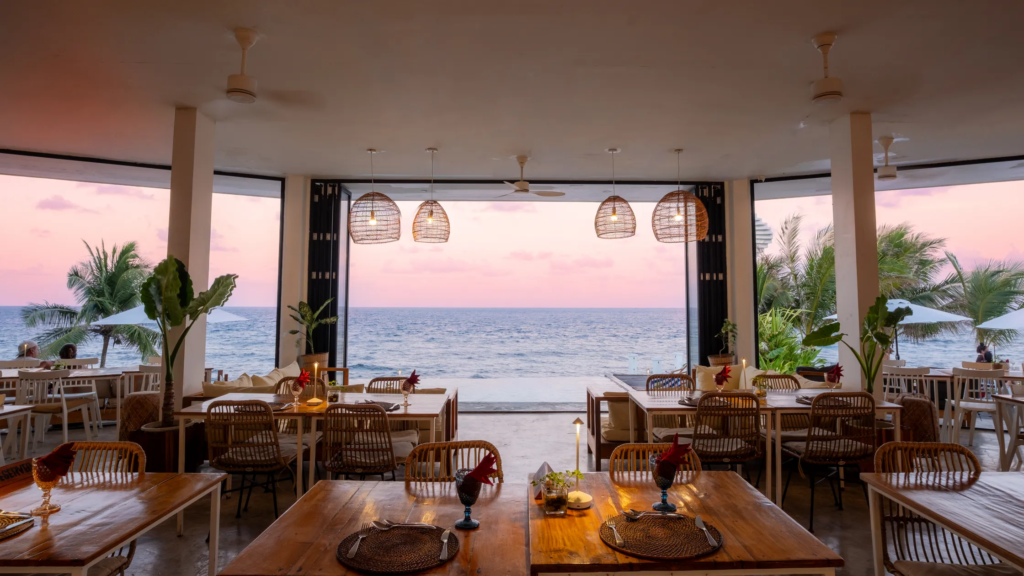
IMAGE CREDIT: Trogon’s Perch
The 2026 festival reflects that variety.
On August 27, for example, Roots will hold a pop-up at the General Luna Public Market, bringing diners closer to the everyday environment where seafood and ingredients change hands.
The following day puts coconut at the center of the program, including a gathering at The Hub by Lokal Lab exploring processing, fermentation and ways to reduce waste.
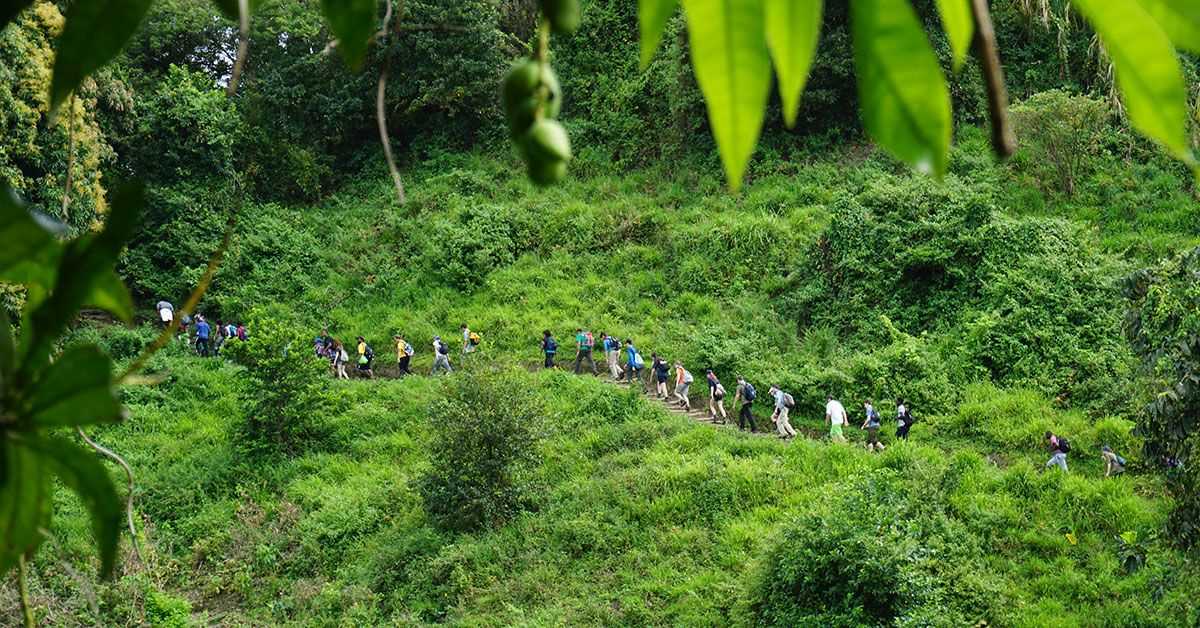
Producer Day on August 29 takes visitors to Tropical Academy in San Isidro for a closer look at agriculture, while the August 30 Siargao Mercado brings together karinderyas, local eateries and established island restaurants.
It makes the experience less about checking off famous restaurants and more about understanding where the food comes from.
The challenge behind the beautiful plates
There is an important tension behind Siargao’s expanding restaurant scene.
More tourists mean more customers for restaurants, cafés and resorts. But they also create greater demand for ingredients on an island where local food production has historically struggled to keep up.
Community organization Lokal Lab says that when it began trying to source locally for its food operation in 2017, it found that an estimated 97 percent of produce available on the island was being brought in from elsewhere.

IMAGE CREDIT: Lokal Lab
That discovery eventually helped shape its work with farmers.
Today, Lokal Lab operates a farm network of small-scale producers and runs the Lokal Tabo Slow Market, which connects consumers and businesses with seasonal produce grown by Siargaonon farmers. Its broader goal is to create more opportunities for local agriculture while building a more self-sufficient food system.
The issue matters because a booming restaurant economy does not automatically mean the benefits of tourism reach the people growing, catching and producing food.
The festival itself acknowledges this challenge, warning that tourism growth can bring rising costs and additional pressure on local food systems if communities are left behind.
Its answer is to encourage restaurants, producers and visitors to treat local sourcing as part of the tourism experience rather than an afterthought.
When tourism creates a market for local food
That connection can create opportunities beyond restaurant tables.
In 2025, the International Labour Organization worked with the local government of Del Carmen and local chefs led by Lokal Lab to train coconut farmers in turning their harvests into food and beverage products.
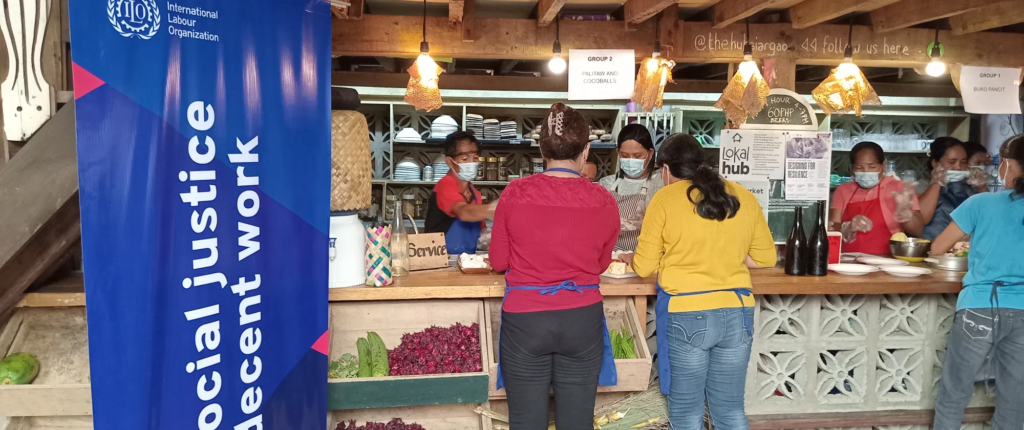
IMAGE CREDIT: ILO
The program covered food preparation, safety, pricing and presentation, with the goal of helping farmers access opportunities created by Siargao’s growing tourism economy.
It is a small example of what can happen when visitors become interested not only in where they are staying or surfing, but also in what an island grows and cooks.
A restaurant ordering local vegetables can become a customer for a farmer. A traveler buying an island-made coconut product can support another livelihood. A wet market or farm can become part of the travel experience itself.
The relationship does not solve every pressure brought by tourism, but it expands the idea of who gets to participate in it.
A different way to experience Siargao
For travelers, this changing food culture also offers another way to see the island.
A trip does not have to revolve entirely around Cloud 9, island hopping and the familiar stops along Tourism Road.
A morning can begin with locally roasted coffee. Lunch can introduce a traveler to an ingredient they have never tried before. A visit to a market can show what fish arrived that day, while a farm visit can reveal what is actually possible to grow on the island.
And the best meal may come from a small local eatery rather than the restaurant dominating social media feeds.
That may ultimately be what makes Siargao’s growing culinary identity interesting.
The island does not need to leave surfing behind to become a food destination. The two can exist together, along with its beaches, farms, fishing communities and growing collection of restaurants.
For the next six days, Ani Sang Siargao is putting that entire system on the table.
Long after the festival ends, the bigger opportunity will be ensuring that when travelers come hungry for Siargao, more of what they spend finds its way back to the people and communities that feed the island.