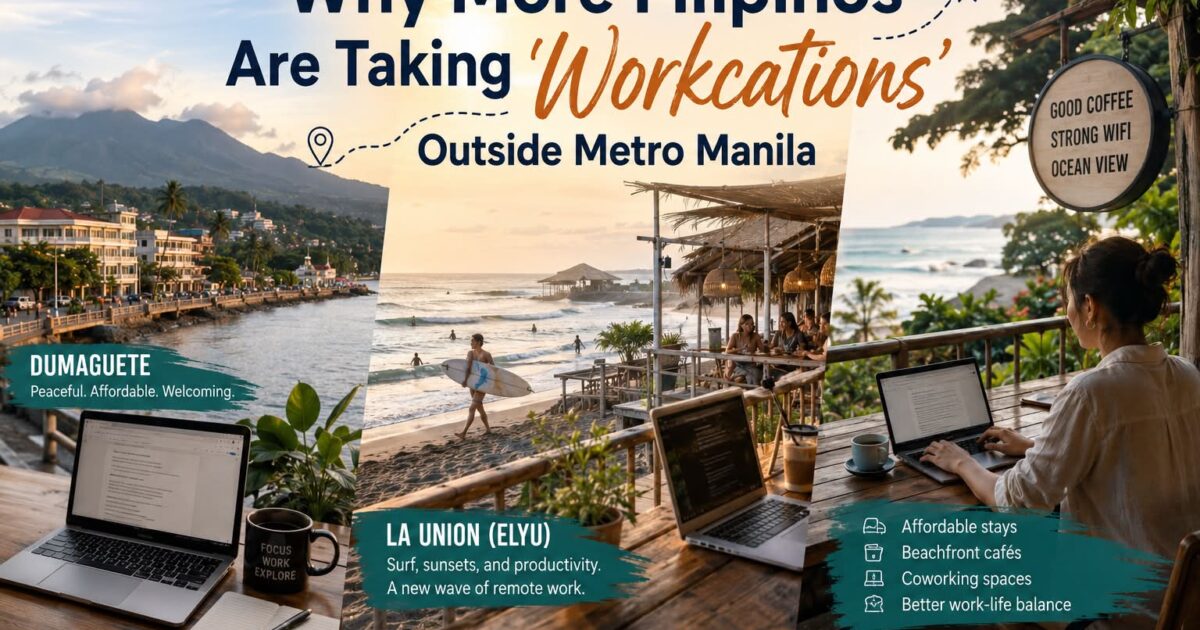
Workcations in the Philippines are becoming more than just a travel trend, they’re redefining how Filipinos balance work, leisure, and lifestyle.
With remote and hybrid work becoming part of everyday life, more professionals are leaving the busy streets of Metro Manila in favor of destinations that offer fresh air, reliable internet, and a slower pace.
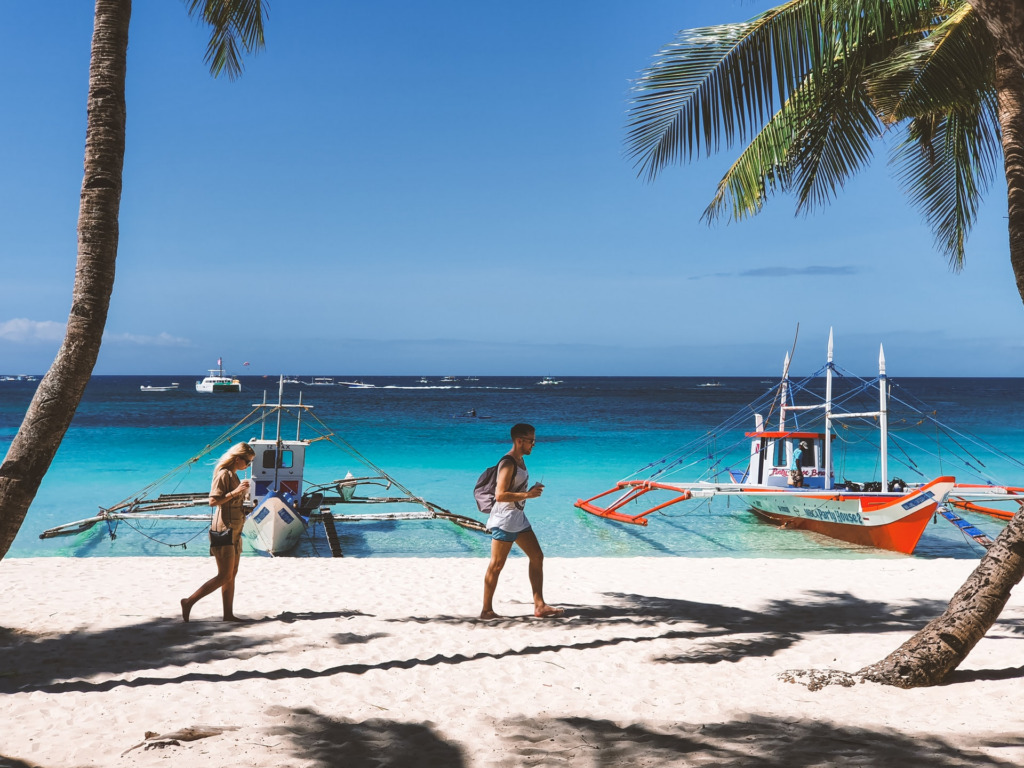
From surfing breaks in Siargao to cool mornings in Baguio, these destinations are proving that productivity doesn’t have to be confined within city offices. As the demand for flexible workspaces grows, local communities are also adapting by creating environments that welcome digital workers while supporting tourism and local businesses.
The rise of a new way to work and travel
The idea of workcations in the Philippines has gained momentum as more companies embrace flexible work arrangements. Instead of using vacation leaves solely for rest, many professionals now extend their travels by bringing their laptops along.
This setup allows them to meet deadlines during the day while exploring local attractions before or after work hours.

The appeal goes beyond scenic beaches and mountain views. Travelers are looking for destinations with stable internet connections, comfortable accommodations, accessible cafés, and coworking spaces. These practical needs have encouraged tourism operators and entrepreneurs to invest in facilities designed specifically for remote workers.
The shift has also benefited local economies. Long-stay visitors tend to spend more on accommodations, dining, transportation, and community experiences than traditional weekend tourists. As a result, provinces are finding new opportunities to attract visitors throughout the year instead of relying only on peak travel seasons.
Provinces becoming digital workcation hubs
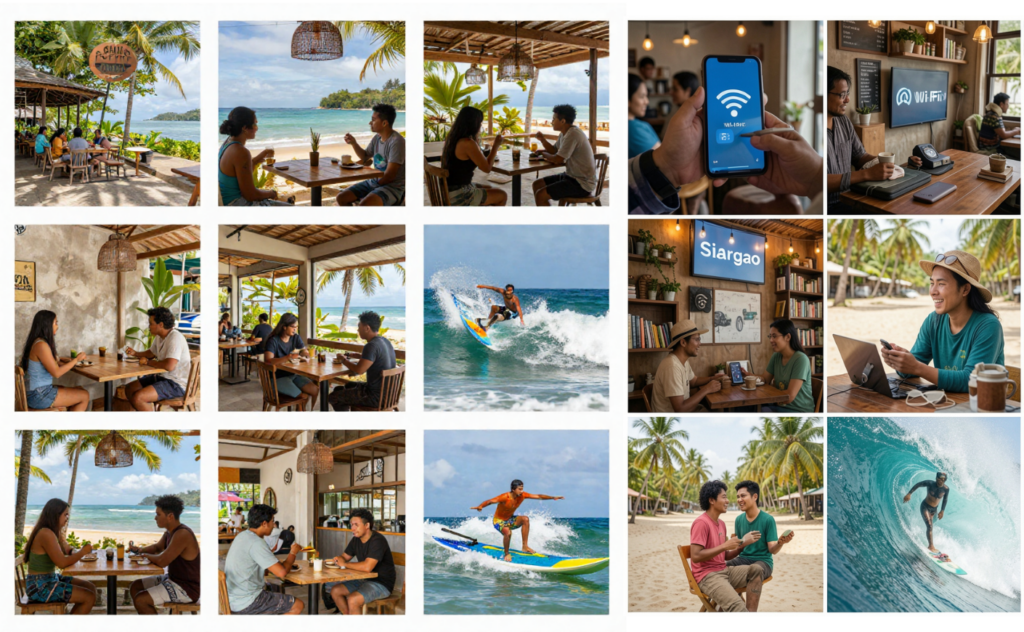
Siargao has become one of the country’s most recognizable workcations destination. While famous for its surfing culture, the island has also developed a growing community of freelancers, entrepreneurs, and remote employees who appreciate its relaxed atmosphere.
Cafés equipped with fast Wi-Fi and accommodations designed for longer stays continue to attract digital professionals from across the Philippines.
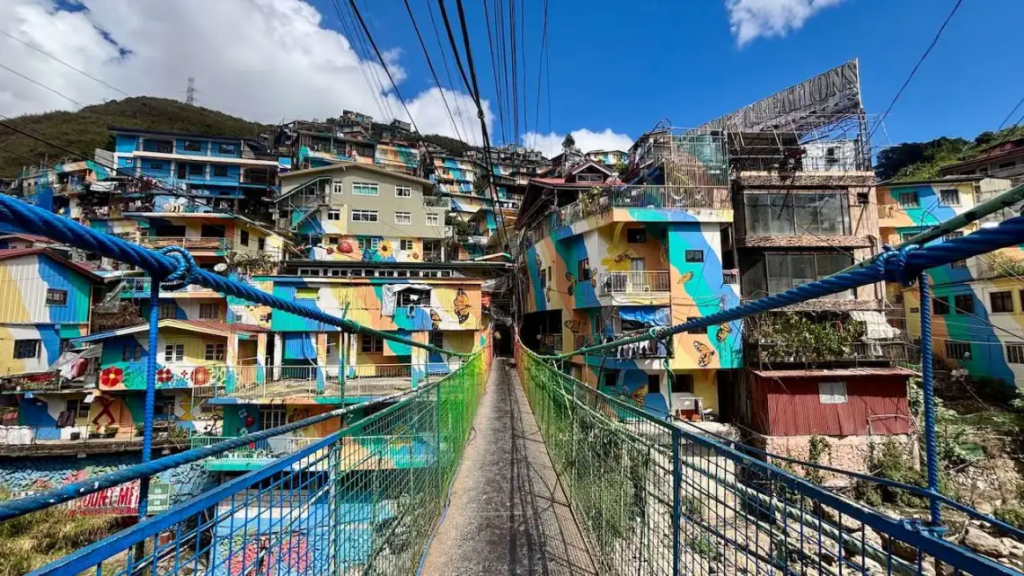
Baguio remains a favorite among those seeking cooler weather and a peaceful environment. Its abundance of coffee shops, creative spaces, and proximity to nature makes it an ideal location for professionals who want to stay productive without the pressures of city living.
Many visitors spend weeks or even months working while enjoying the city’s cultural attractions and local cuisine.
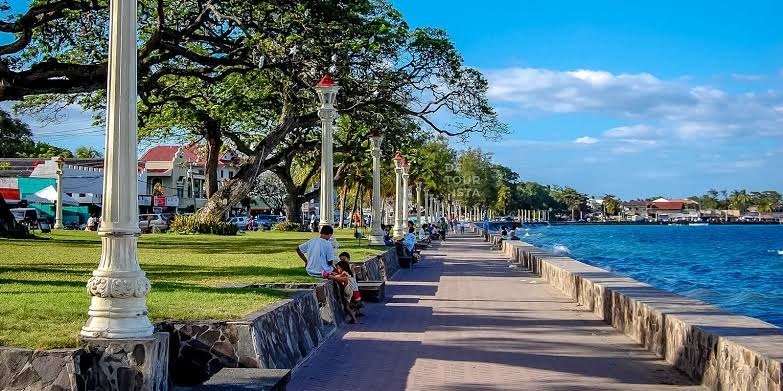
Further south, Dumaguete offers a quieter alternative with affordable accommodations and a welcoming community. Meanwhile, La Union — popularly known as Elyu — has evolved from a weekend surfing destination into a thriving remote work hub.
Boutique hotels, beachfront cafés, and coworking-friendly establishments now cater to professionals looking for a balance between work responsibilities and coastal living.
How Local Communities Are Adapting
The rise of workcations in the Philippines has encouraged local governments and businesses to improve digital infrastructure. Faster internet connectivity, upgraded accommodations, and the emergence of coworking spaces have become priorities in destinations hoping to attract longer-staying guests.
Hospitality businesses have also introduced services tailored to remote workers. Hotels now offer work-friendly rooms, cafés provide dedicated charging stations and reliable Wi-Fi, while vacation rentals are increasingly equipped with ergonomic workspaces.
These improvements enhance the experience for travelers while creating new income opportunities for local entrepreneurs.

Communities are likewise embracing sustainable tourism practices. Local guides, artisans, restaurants, and small enterprises benefit from visitors who stay longer and engage more deeply with local culture.
Rather than simply checking off tourist attractions, workcations traveler often support neighborhood businesses, participate in community activities, and discover lesser-known destinations that showcase authentic Filipino hospitality.
Where productivity meets adventure
Workcations in the Philippines reflect a changing lifestyle where work and travel no longer exist as separate experiences.
As remote work continues to reshape professional life, destinations outside Metro Manila are proving that productivity can thrive alongside breathtaking landscapes, meaningful cultural encounters, and a healthier work-life balance.
For travelers, workcations offer the opportunity to recharge without stepping away from career responsibilities. For local communities, they open doors to more sustainable tourism and year-round economic activity.
As more Filipinos embrace flexible ways of working, the country’s diverse destinations are poised to become not just places to visit — but places to truly live, work, and belong.