There’s a collective sigh of relief echoing across Philippine dining tables and corporate boardrooms this July. For the second month in a row, the relentless squeeze on the Filipino wallet that made food prices high has loosened just a bit.
According to fresh data from the Philippine Statistics Authority (PSA), headline inflation eased to 6.4% in June, down from 6.8% in May. It’s a welcome surprise that beat out most analysts’ expectations, driven largely by a much-needed cool-down in the two areas that usually hit families the hardest: food and transport.
The Department of Economy, Planning, and Development (DEPDev) credited the shift to a drop in global oil pressures, calming geopolitical tensions in the Middle East, and government interventions to stabilize local food supplies.
But anyone who has eaten out or paid a tuition bill recently knows we aren’t completely out of the woods. While the raw cost of ingredients and fuel is leveling off, “core inflation”—which ignores those volatile expenses — crept up to 4.4%.
National Statistician Claire Dennis S. Mapa pointed out that higher prices in utilities, education, and restaurant services are keeping the underlying heat turned up, leaving the total first-half average at 4.8%, still above the central bank’s comfortable 4% ceiling.
Yet, despite that lingering friction in the service sector, Filipinos clearly haven’t lost their appetite for comfort food. If anything, their loyalty to homegrown brands has just reached historic, multi-billion-dollar heights.
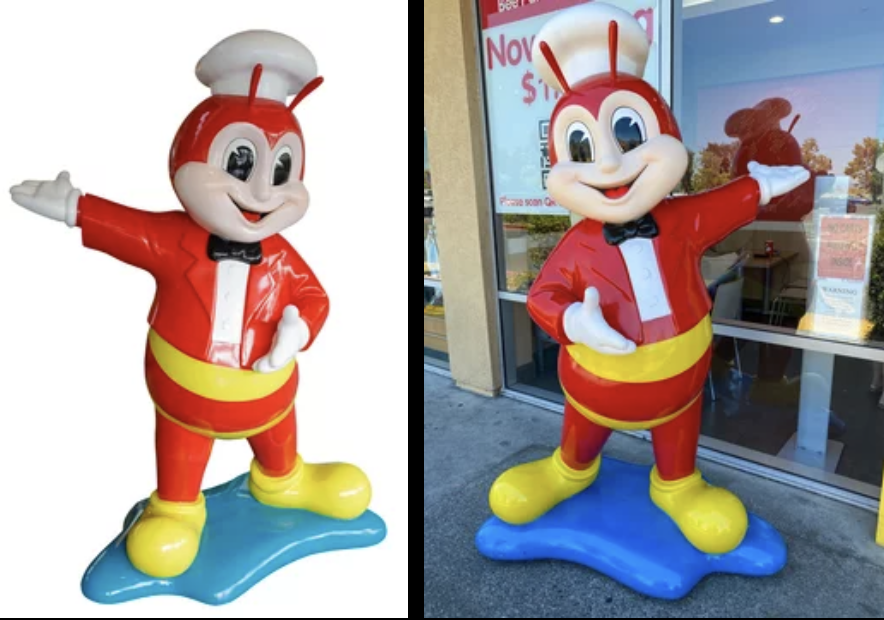
Jollibee dominates as local restaurant sector booms
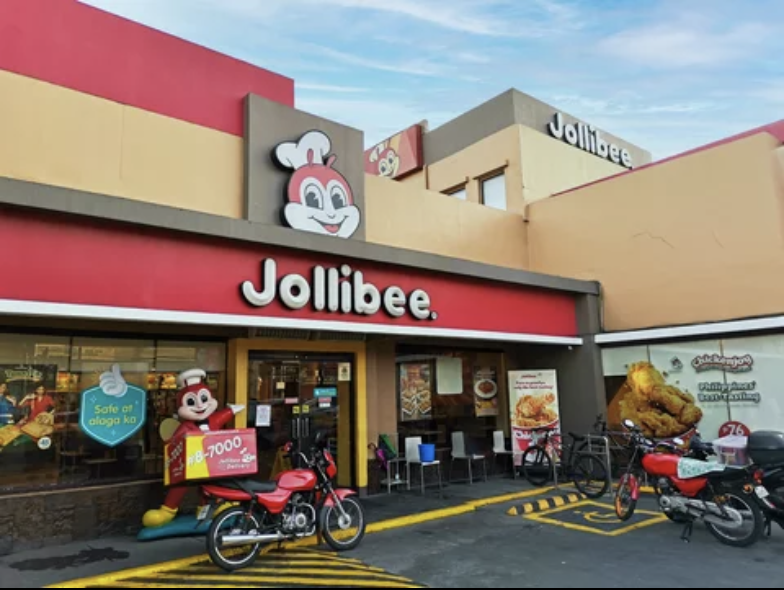
IMAGE CREDIT: Jollibee
The timing aligns perfectly with the newly released Brand Finance Philippines 50 2026 report, which reveals that the local restaurant sector has ballooned into a massive USD 4.1 billion industry, growing a staggering 29% year-on-year.
And sitting entirely unchallenged at the top of that food chain? The Jollibee Group.
The company’s homegrown trifecta — Jollibee, Mang Inasal, and Chowking — claimed the top three spots as the country’s most valuable restaurant brands. To put their dominance into perspective, Jollibee alone accounts for roughly 80% of the entire sector’s financial value.
For the third year running, Jollibee secured its spot as the second most valuable brand in the country across allindustries, with its brand value surging 32% to a jaw-dropping USD 3.3 billion. But the beloved bee isn’t just a local hero anymore.
The company now ranks as the fifth-strongest restaurant brand on the planet, making it the only Southeast Asian name to break into the prestigious global elite. This massive footprint is being fueled by aggressive international moves, including a major push into the United States and the recent opening of its milestone 200th store in Vietnam.
Not to be outdone, sister brand Mang Inasal emerged as one of the report’s biggest wildcards. Named one of 2026’s “Brands to Watch,” the barbecue chain saw its brand strength index shoot up to an incredible 95.2 out of 100, earning a coveted AAA+ rating and securing its spot as the second strongest brand overall in the Philippines. Meanwhile, Chowking climbed the ranks to secure the 31st spot nationwide.
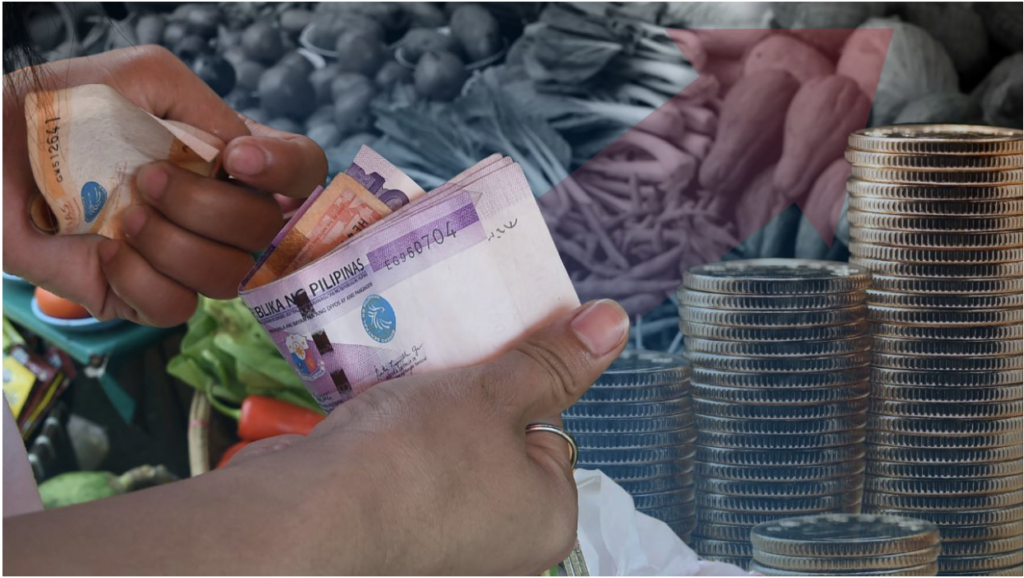
IMAGE CREDIT: Getty Images
The parallel between easing grocery bills and booming fast-food empires isn’t a coincidence. When everyday survival gets slightly less expensive, consumers finally have the breathing room to spend on the things that bring them joy.
As Jollibee Foods Corporation CEO Ernesto Tanmantiong puts it, a brand’s true value is tested in dynamic economic climates. “Strong brands are strategic assets: they deepen customer loyalty, support sustainable growth, and enhance the resilience of our business,” Tanmantiong noted, adding that Jollibee’s USD 3.3 billion brand value alone represents a massive chunk of its market capitalization — a clear sign of long-term stability.
With JFC now managing a global empire of over 10,400 stores across 33 countries—including powerhouses like The Coffee Bean & Tea Leaf and Compose Coffee—the message is clear. The Philippine economy might still be navigating some stubborn core inflation, but its most iconic brands are proving they have both the resilience and the global appetite to conquer the market.