It didn’t arrive with a flashy press release or a grand “welcome to the future” launch event. Instead, artificial intelligence (AI) slipped into the Filipino routine entirely unannounced, folding itself seamlessly into the digital spaces we already inhabit.
You only notice it when you stop to count the instances: your banking app flags a suspicious login before you do; Shopee anticipates a purchase before you even type it into the search bar; your smartphone camera sharpens a low-light photo before your finger leaves the shutter; and a telehealth platform triages your symptoms before a doctor ever opens your chat.
Artificial intelligence is no longer a looming sci-fi concept. It has become the quiet, invisible layer shaping how we live, shop, learn, and heal in the Philippines.
The digital gatekeepers of our wallets and carts
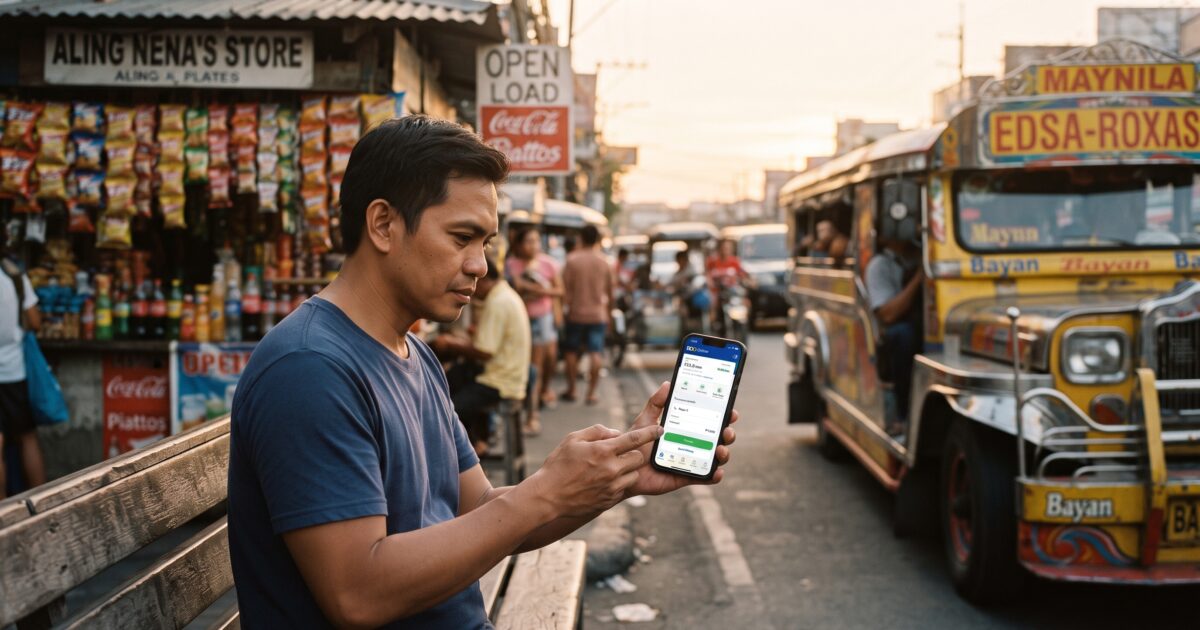
In the local fintech landscape, major institutions like GCash and BPI are leaning heavily into artificial intelligence to fortify consumer security.
This shift aligns with broader regulatory updates, as the Bangko Sentral ng Pilipinas (BSP) tightens AI governance rules, requiring banks to implement real-time fraud detection systems by mid-2026.
While these automated guards offer peace of mind, the system isn’t without friction. Many consumers have experienced the minor frustration of a legitimate purchase being blocked without explanation, leaving them to guess what specific algorithmic tripwire was pulled.
Beyond security, AI is also reshaping financial access; emerging fintech platforms are now utilizing machine learning to assess borrower creditworthiness, evaluating digital behavioral patterns as closely as traditional paper documents. (Curious how far this goes? We broke down how fintech lenders like Luvit use AI to assess borrowers, sometimes reading behavior as closely as documents.)
Meanwhile, on e-commerce giants like Shopee and Lazada, personalization algorithms work at lightning speed. Search for a single item, and your entire feed transforms into a curated catalog of related accessories for weeks.
The same mechanism dictates social media consumption on platforms like TikTok, where a few seconds of lingering attention can quietly rewrite your feed for days, creating a hyper-customized version of the internet tailored strictly to your demonstrated preferences.
Enhancing the tools of everyday expression
IMAGE CREDIT: Freepik
The integration is equally profound in personal technology.
Modern smartphone cameras, such as the AI-driven imaging systems found in devices like the Oppo Reno12 Pro, automatically adjust exposure, optimize lighting, and detect faces before the user even takes the photo.
In daily communication, voice-to-text features draft messages on the fly, autocorrect completes sentences, and real-time translation applications seamlessly handle customer or cross-border business conversations that bridge language gaps instantly.
These tools do not feel like speculative technology; they simply feel like devices becoming incrementally better at predicting human intent.
New frontiers in classrooms and clinics
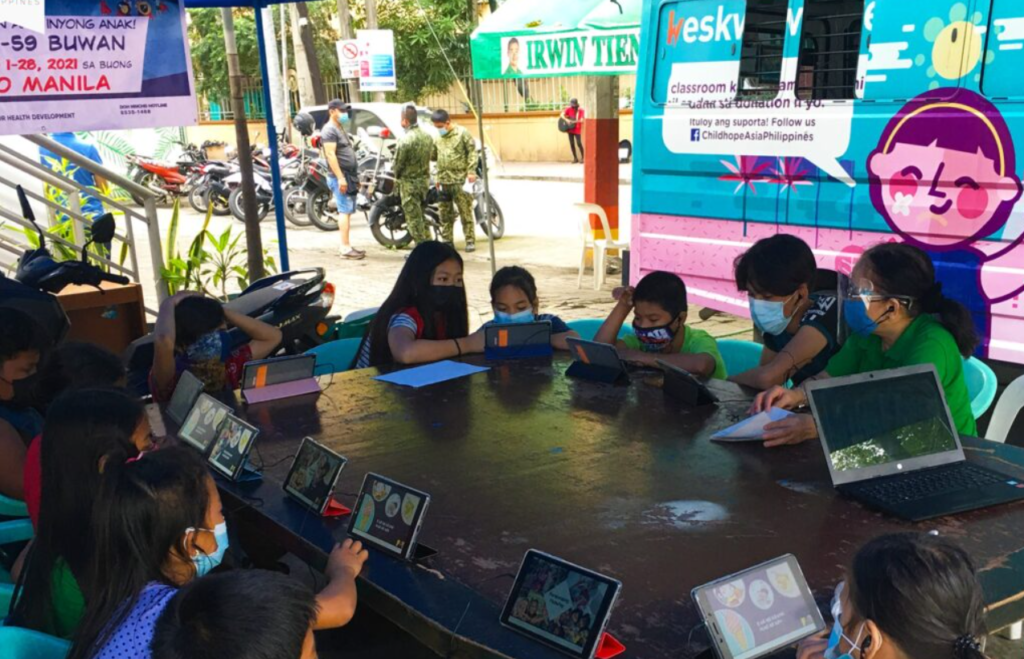
IMAGE CREDIT: Freepik
In education and healthcare, AI is stepping into roles that traditionally required immediate human intervention. Digital classrooms now utilize automated grammar checkers and AI tutors to provide students with instantaneous feedback on assignments.
While highly efficient, educators note that this immediate correction can sometimes bypass the productive struggle of figuring out mistakes the hard way.
In healthcare, telehealth platforms deploy AI to triage patient symptoms during late-night medical queries, offering a helpful preliminary check before a physician steps in. However, experts emphasize treating these automated assessments as a baseline starting point rather than a definitive diagnosis.
The balance between convenience and judgment
Across banking, shopping, learning, and health, a consistent pattern emerges: these tools are highly useful, but they operate on statistical confidence rather than absolute correctness.
A skewed product recommendation, a flagged transaction, or a symptom checker’s best guess all demonstrate that automated convenience cannot replace human judgment.
AI is actively shaping the contemporary Filipino routine, one small prediction at a time.
As these tools become permanently woven into our daily lives, navigating this new landscape requires a balanced approach — appreciating the undeniable convenience while maintaining the critical eye needed to question the algorithms running quietly behind the screen.
Want to know more? Our beginner’s guide to learning AI in 2026 is a good place to start.