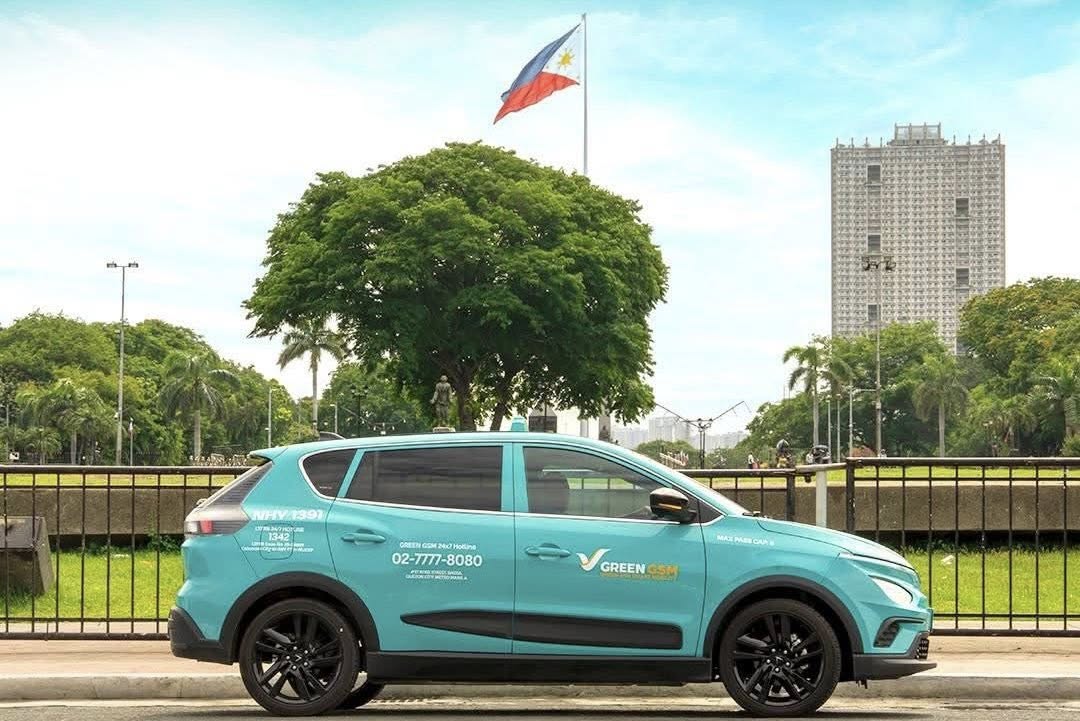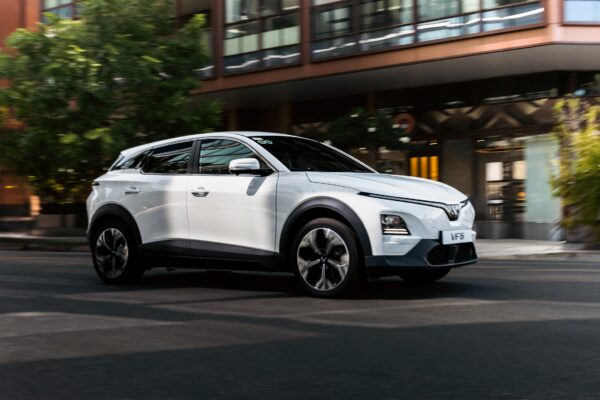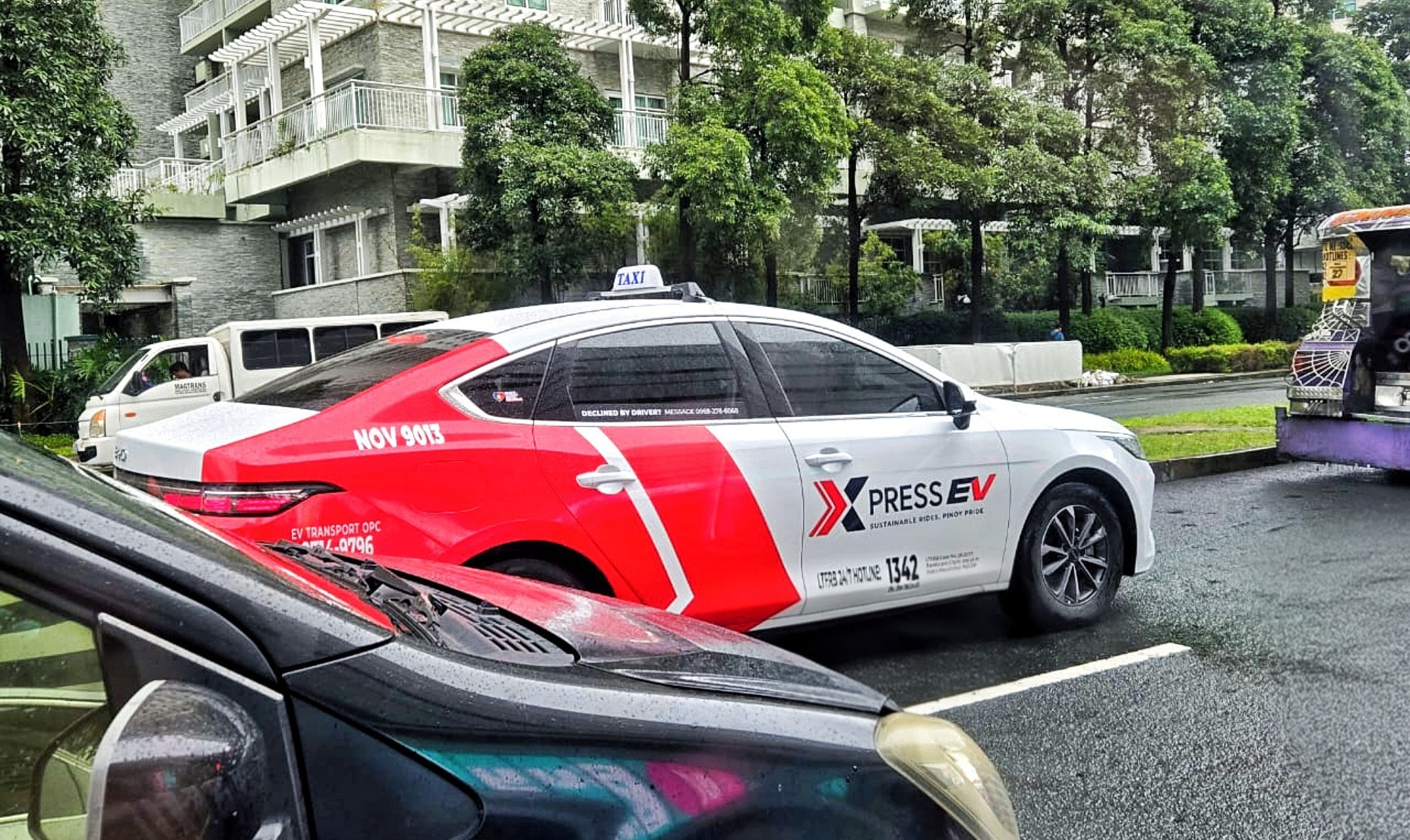
Xpress is expanding its sustainable transportation strategy across multiple fronts — scaling hybrid taxis, accelerating electric motorcycle deployment, and launching a structured driver development initiative aimed at long-term operational stability.
The company currently operates hybrid taxis with expansion targets set through 2026, while electric motorcycle taxis continue to grow in dense urban corridors where charging flexibility enables faster adoption.
Rather than waiting for perfect infrastructure conditions, Xpress is implementing a parallel approach tailored to the operational realities of different vehicle categories — deploying hybrids where longer routes and refueling access are critical, and electric motorcycles where short, high-frequency trips allow faster payback.
At the same time, Xpress reports increasing driver migration toward hybrid and electric platforms. The shift is driven primarily by economics: lower fuel costs, more predictable maintenance, and improved income stability.
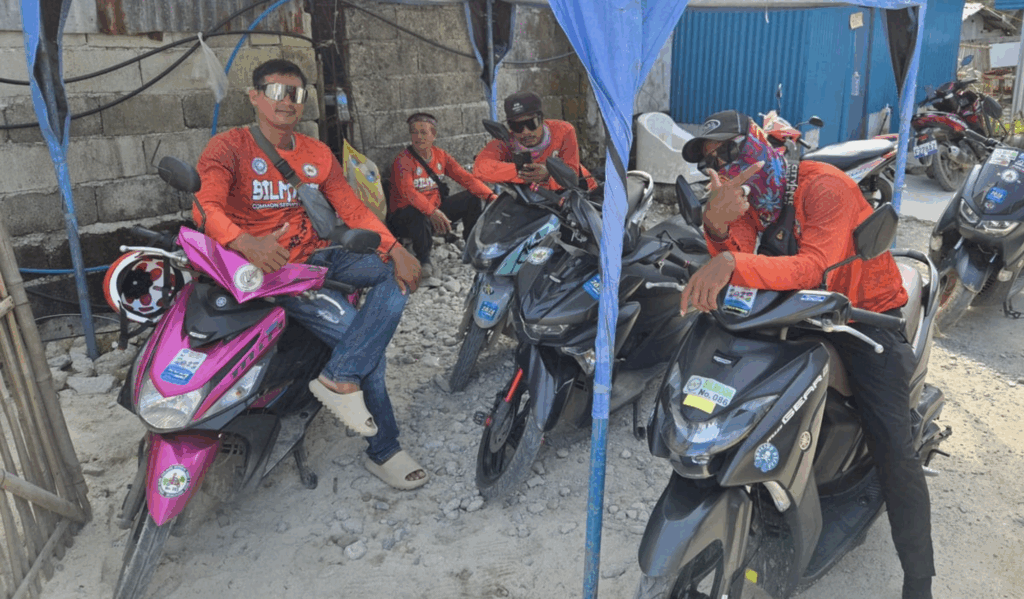
For drivers whose livelihoods depend on daily trips, cleaner vehicles are becoming less about environmental ideals and more about practical financial sense.
Complementing fleet expansion, the company has introduced its Driver Excellence Program (DXP), a structured training initiative focused on safety standards, financial literacy, and long-term driver retention across taxi and ridesharing segments.
The goal is to professionalize the driver base while ensuring that the transition to cleaner fleets is matched by consistent service quality and operational discipline.
From advocacy to operating model
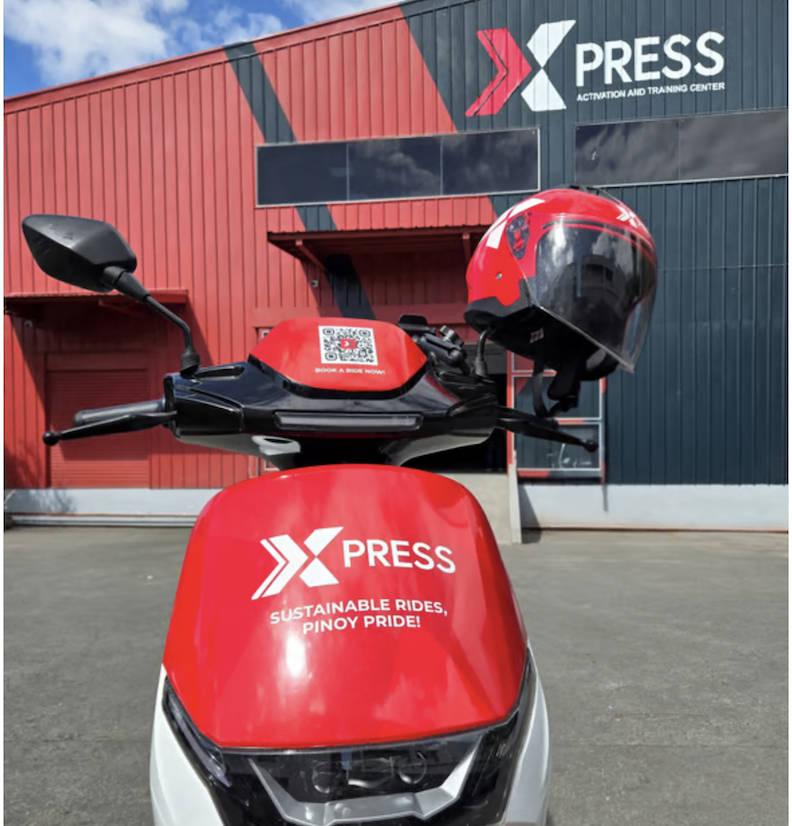
Xpress’ strategy is also anchored in a broader advocacy: that electric mobility must be embedded where rides already happen. For years, clean transport efforts in emerging markets were marked by fragmented execution — isolated test units, short-lived pilots, and limited rider uptake.
Xpress is seeking to flip that pattern by integrating electric vehicles directly into its Super App ecosystem, where demand is continuous and usage is high.
Instead of controlled trials, electric motorcycles are being deployed in real-world, high-frequency conditions where vehicles generate daily income. Three forces are converging to make this viable:
- Platform demand: Xpress provides consistent ride volume
- Vehicle readiness: Units supplied by VOLTAI are designed for Philippine road conditions
- Institutional backing: Support from the Aboitiz Group brings scale discipline and long-term infrastructure alignment
“When a high-volume mobility platform aligns with a conglomerate-backed EV brand, the market stops debating ‘if’ and starts asking ‘how fast,’” the company said.
Sustainability meets driver economics

Rather than positioning sustainability as a side initiative, Xpress is embedding it into its operational core — aligning infrastructure readiness, driver economics, and professional development into one scalable model.
The pairing of cleaner vehicles and professionalized drivers signals a deliberate strategy: sustainability must work at the level of daily operations, not just corporate vision statements.
Lower unit costs, higher daily trip frequency, and simpler mechanics give electric motorcycles structural advantages over electric cars in Philippine cities. They promise quieter rides, lower emissions, and steadier operating costs—without requiring ideal charging infrastructure.
“The challenge today is no longer whether electric vehicles work,” Xpress said. “It’s how quickly they can be deployed where they matter most.”
What comes next
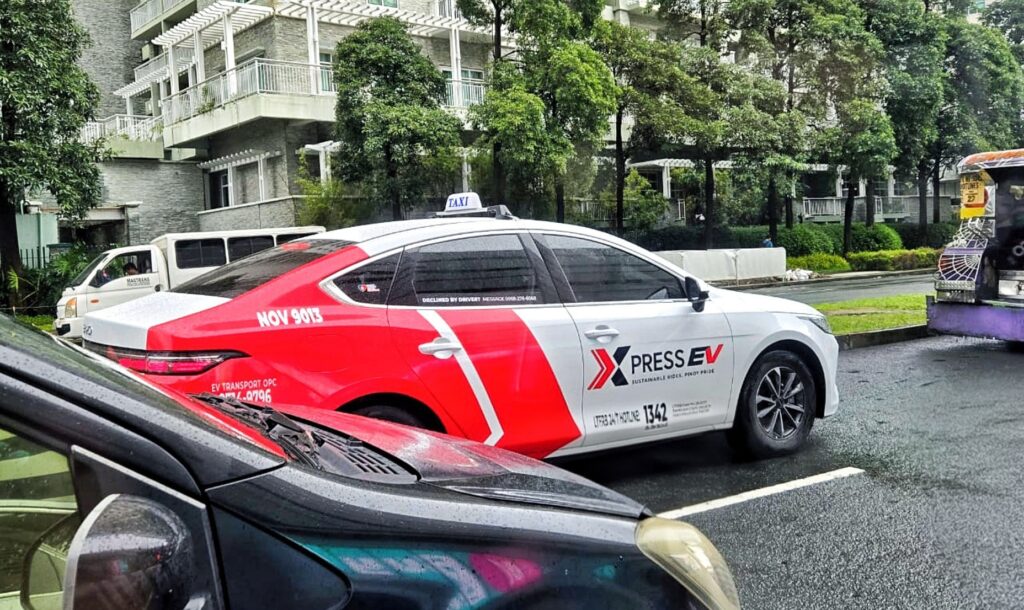
The next indicators to watch are broader city rollouts, deeper driver participation models, and whether this two-wheel strategy can be replicated across other urban hubs where motorcycles dominate everyday movement.
For now, the direction is clear: in the Philippines, the road to cleaner transport is not paved — it’s ridden. And it is advancing one daily trip at a time.