“Drawing na naman yan.” It’s a familiar refrain in Filipino group chats — often the unofficial closing line to what began as an enthusiastic “Game ba kayo?” but eventually dissolves into scheduling conflicts, calendar checks, and postponed meetups.
Increasingly, however, a growing number of Filipinos are opting out of this cycle of overplanning. Instead, they are embracing “sponty” hangouts — informal, last-minute meetups driven by immediacy rather than coordination.
The shift reflects a broader behavioral change toward flexibility, convenience, and present-focused decision-making.
A 2024 Ipsos study found that 80% of Filipinos prefer to live in the moment, underscoring a cultural inclination toward spontaneity that is now extending into social behavior.
From planned coordination to real-time connection
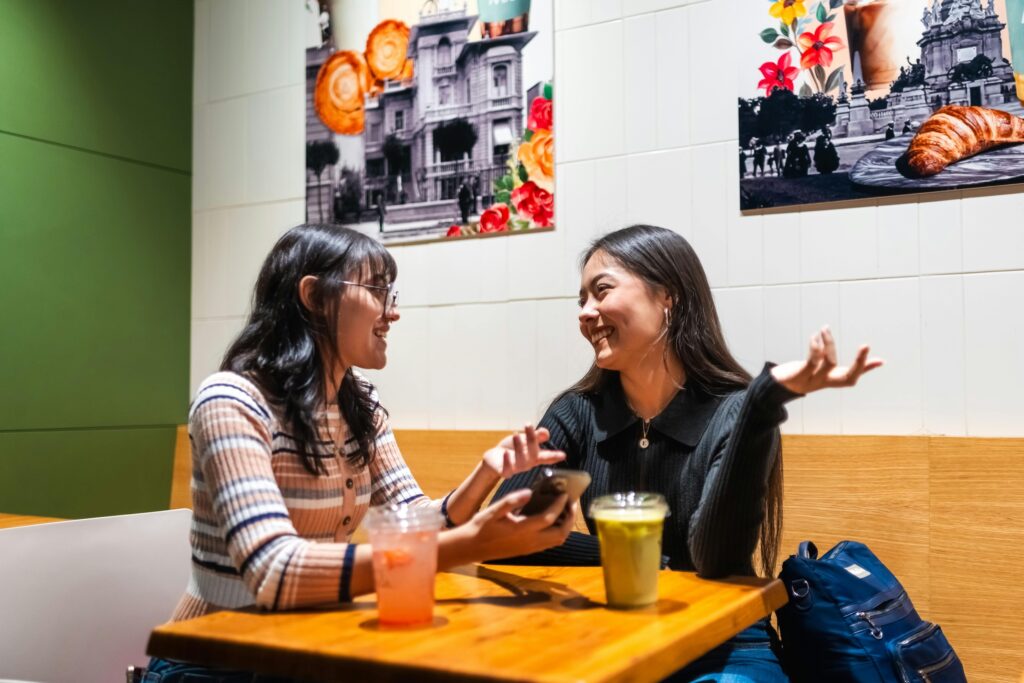
IMAGE CREDIT: Julio Lopez on Pexels
While “sponty” has gained traction as a Gen Z term online, the behavior it describes is not new. It mirrors a more informal social dynamic that has simply evolved with changing urban lifestyles.
In earlier years, socializing required little coordination—friends saw each other daily in school, during breaks, or after classes.
Today’s context is markedly different. Work schedules are fragmented, commutes are longer, and personal routines are more complex. As a result, group coordination often becomes a friction point rather than a facilitator.
This has made spontaneous meetups — like quick coffees, impromptu mall visits, or last-minute dinners — more appealing, precisely because they bypass the logistical burden of planning.
The constraints behind spontaneity
Despite its appeal, sponty culture is not without limitations.
Time remains a key constraint, particularly on weekdays, while cost considerations and energy levels can also influence whether last-minute plans push through.
While spontaneity lowers the psychological barrier to socializing, it does not eliminate the practical trade-offs involved in getting people to meet in person.
Mobility as an enabler of last-minute plans
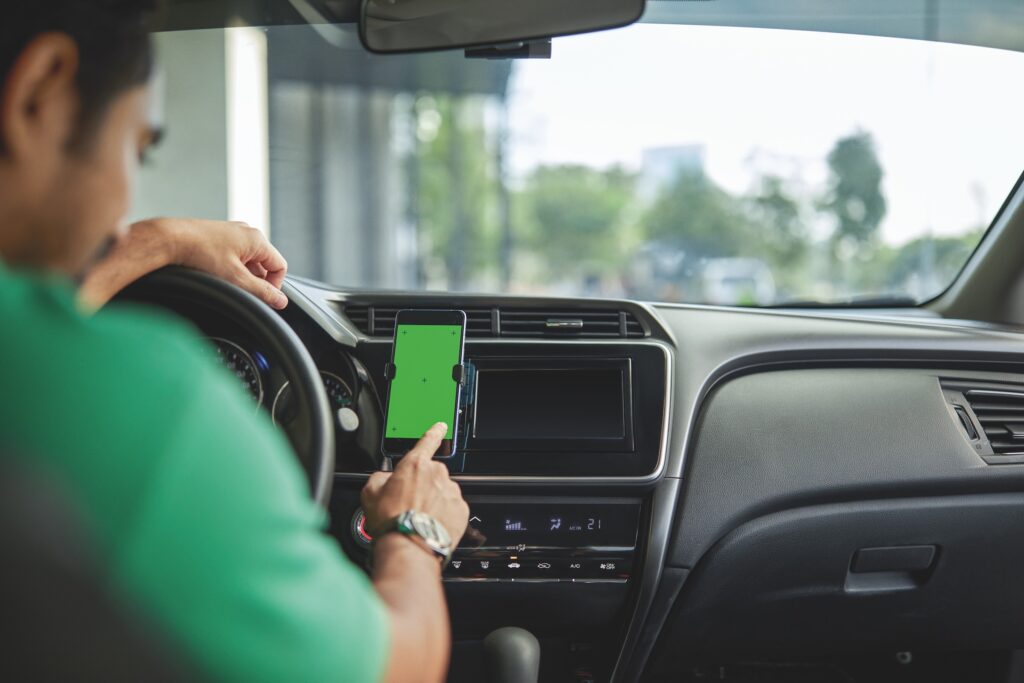
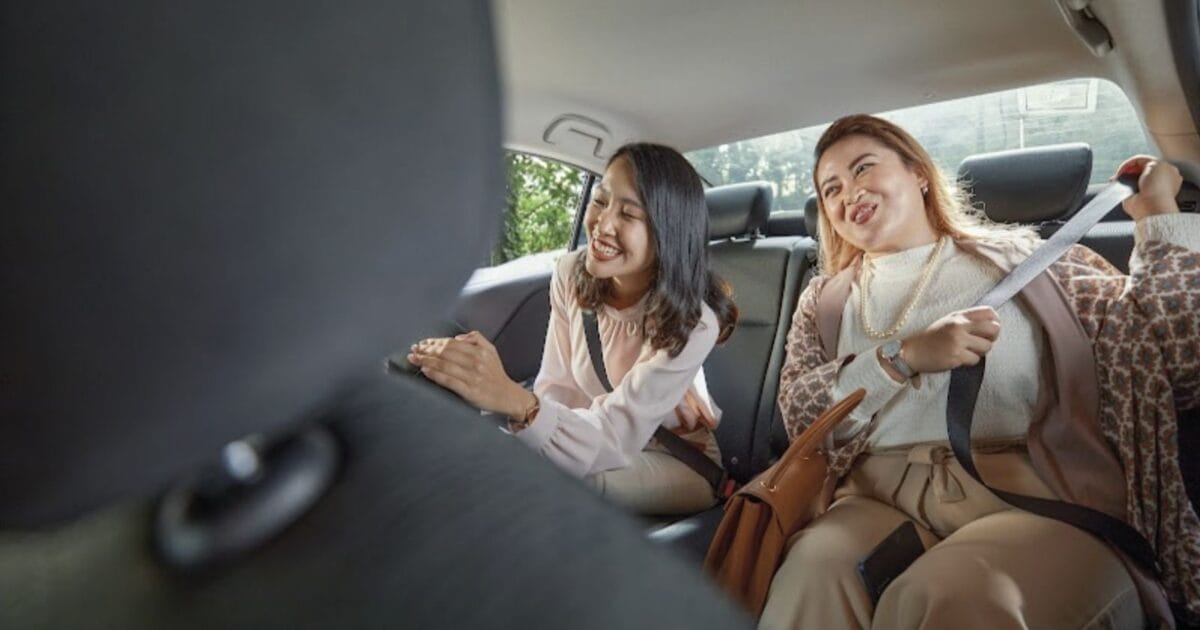
IMAGE CREDIT: inDrive
This is where mobility platforms are increasingly playing a supporting role in enabling real-time social connections.
Ride-hailing services such as inDrive have become part of the underlying infrastructure that makes spontaneous meetups more feasible, particularly in urban centers where travel time and cost can determine whether plans materialize at all.
Since its launch in the Philippines in 2024, inDrive has positioned itself around user-controlled pricing and flexible ride options, allowing passengers to match trips with both perfect timing and budget — an increasingly relevant feature in on-demand social coordination.
“Since launching in the Philippines in 2024, we’ve seen how mobility plays a role in enabling everyday connections — whether these hangouts were heavily planned or happened on the fly,” said inDrive Philippines Country Manager Sofia Guinto. “At inDrive, we want to make it easier for Filipinos to show up when it matters most, without worrying too much about cost or convenience.”
A shift toward frictionless socializing
At its core, the rise of sponty culture reflects a broader shift in digital-age behavior: reducing friction in everyday decisions, including how people socialize.
Rather than replacing planned gatherings entirely, spontaneous meetups are complementing them, and are offering an alternative model defined by immediacy and accessibility.
In this context, the success of a plan is no longer measured by how early it was scheduled, but by whether it actually happens.
And increasingly, that depends on how quickly people can move from “Tara?” to being on the way.