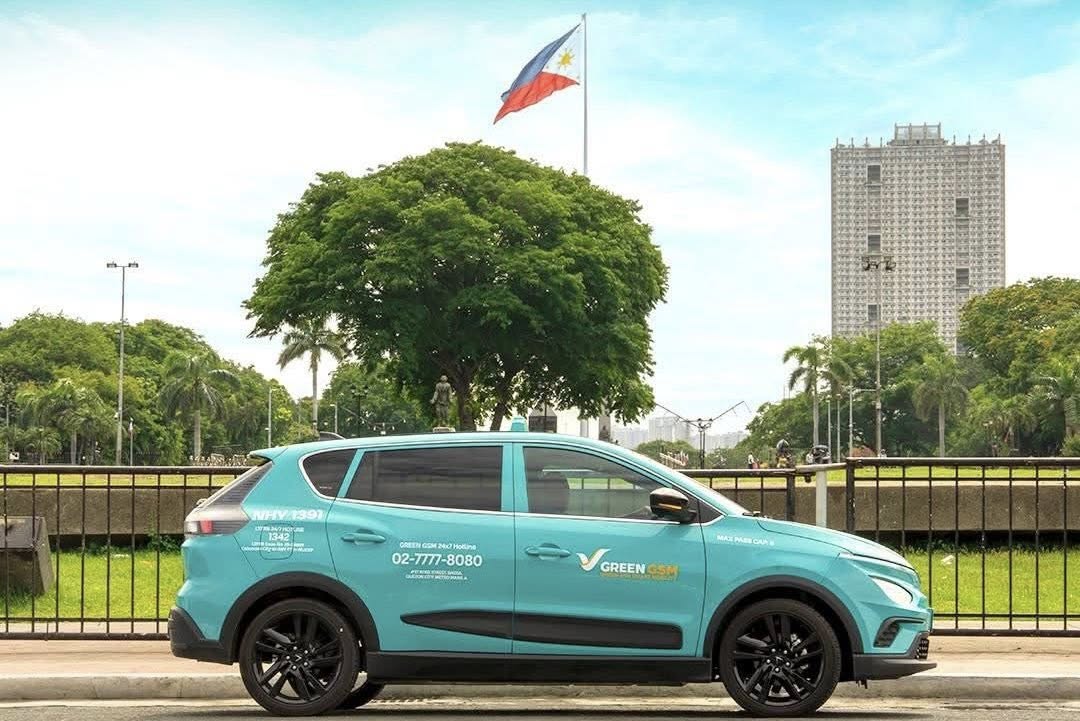
On the country’s crowded streets — where motorcycles weave between jeepneys, buses, and delivery riders — two-wheel transport isn’t just a convenience. It’s a lifeline.
While much of the electric vehicle conversation in the Philippines has centered on cars and four-wheel fleets, industry attention is shifting to where electrification delivers impact sooner: motorcycle.
According to Xpress Super App, the logic is rooted in utilization. Moto-taxis operate longer hours, complete more trips per day, and burn fuel continuously. Electrifying a single high-use motorcycle can displace more daily fuel consumption — and reach payback sooner — than many privately owned electric cars that spend much of the day parked. For capital focused on efficiency and speed to scale, utilization, not vehicle size, is becoming the decisive metric.
Now, the company is putting electric power behind that daily reality, positioning electric moto-taxis as the next chapter in Philippine urban mobility — and, increasingly, the most practical path to large-scale electric vehicle adoption. Moto-taxis, after all, can displace more fuel consumption per day than many privately owned electric cars that spend hours parked.
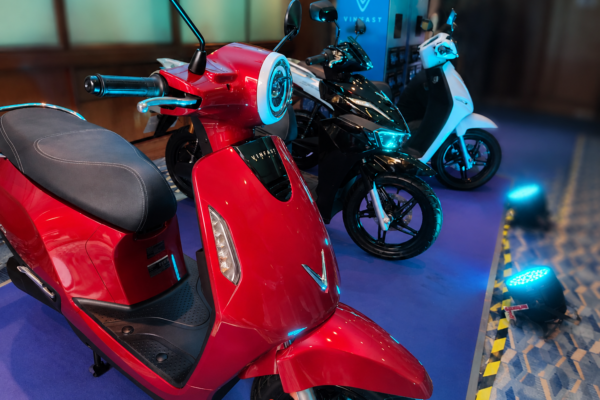
With the integration of VOLTAI electric motorcycles from the Aboitiz Power Group and the continued backing of longtime partner Cebuana Lhuillier, Xpress is scaling an electric moto-taxi model designed not for experiments, but for everyday use.
Instead of rolling out small test fleets, Xpress is embedding electric motorcycles directly into its active ride-hailing platform, where thousands of trips already happen daily. “The question today isn’t whether electric vehicles work,” the company said. “It’s how fast they can be deployed where they matter most.”
This sequencing is now being tested at the platform level. Xpress Super App is now integrating electric motorcycles into high-volume networks, positioning two-wheel EVs as the early adoption layer within a broader electric mobility portfolio that also includes four-wheel fleets. Rather than replacing EV cars, the approach complements them — allowing platforms to capture faster returns and operational learning while larger EV infrastructure continues to mature.
Two wheels, big impact
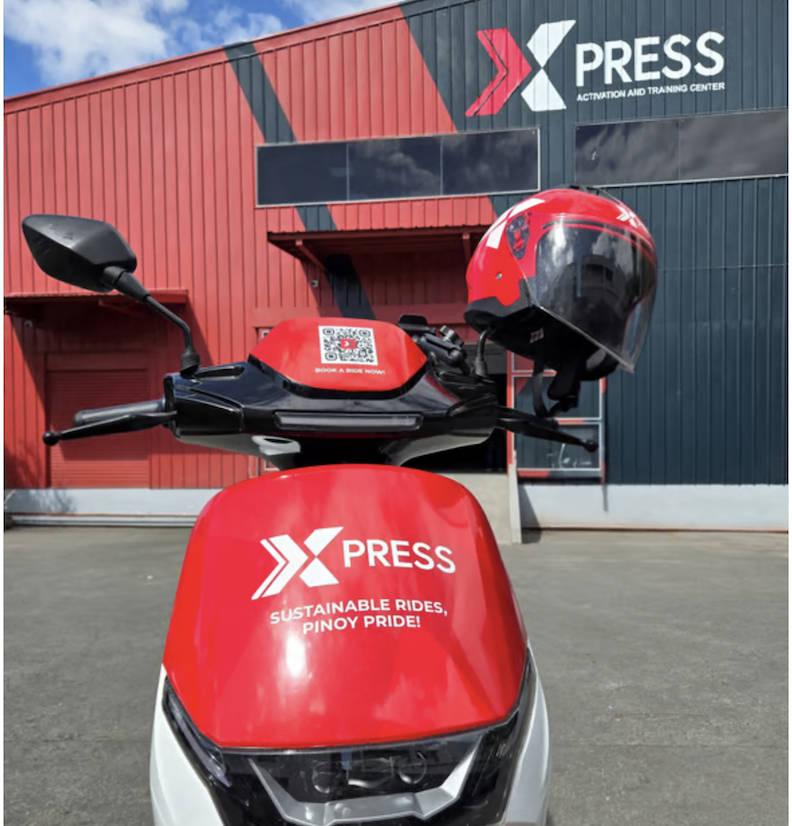
In a market shaped by short urban trips, dense traffic, and continuous vehicle use, Xpress Super App sees two-wheel mobility as the most efficient entry point for electrification. The strategy prioritizes volume and utilization: high-frequency routes, long operating hours, and everyday commuters.
VOLTAI’s electric motorcycles — developed under Aboitiz Power Group — are built for Philippine road conditions and extended daily use, allowing drivers to complete regular routes without sacrificing reliability or passenger comfort.
For Xpress, the shift is not about novelty. It is about operational fit. By anchoring electric deployment to real demand and rider behavior, the platform is turning what is often a sustainability aspiration into a working transport model.
Industry watchers point to three structural advantages that make electric motorcycles easier to scale than electric cars: lower unit costs, faster payback driven by daily trip volume, and simpler maintenance due to fewer moving parts.
“This new two-wheel transport is not a concept launch. This is deployment economics finally making sense at two-wheel scale,” an Xpress Super App representative said.
Backed by institutions, built for the long term
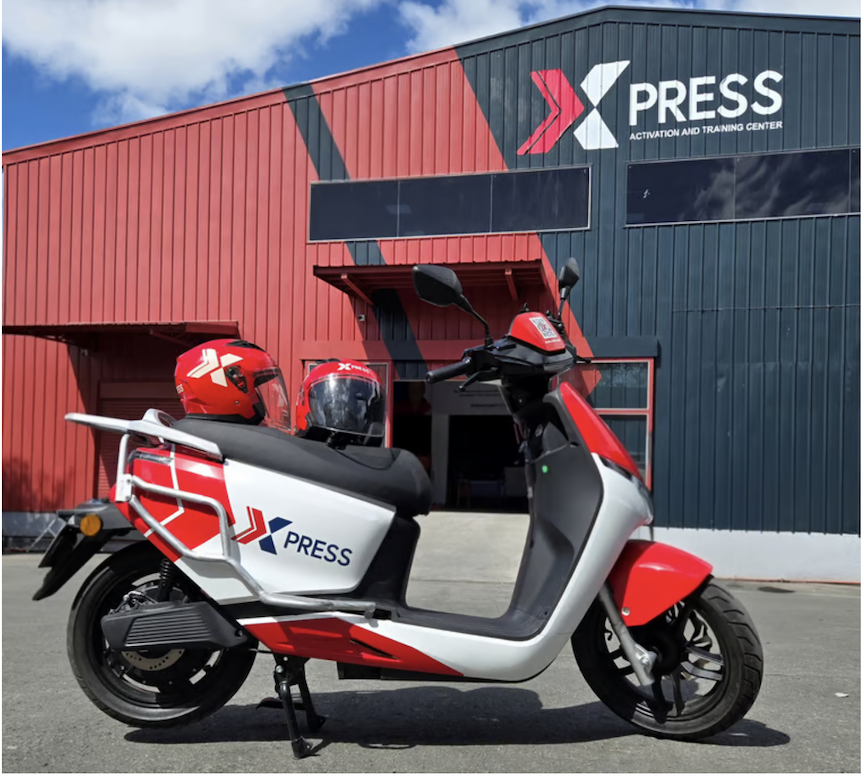
The move is reinforced by Cebuana Lhuillier, whose continued support signals confidence not just in electric vehicles, but in Xpress’ ability to make them commercially viable.
Rather than framing sustainability as a one-off initiative, the partnership treats electric mobility as a long-term business direction — one that balances cleaner transport with operating stability for drivers.
It is a quiet but deliberate shift: from noisy engines to quieter rides, from fuel dependency to electric efficiency.
“When a high-volume mobility platform aligns with a conglomerate-backed EV brand, the market stops debating ‘if’ and starts asking ‘how fast,’” the Xpress team added.
A blueprint for urban and island cities

By placing electric motorcycles inside an existing ride-hailing ecosystem, Xpress is positioning electric moto-taxis as a repeatable model for both urban centers and tourism-driven destinations — places where short trips, congestion, and environmental pressures collide daily.
More broadly, the approach reflects a change in how clean transport is taking shape in the Philippines. Adoption is no longer driven solely by policy or pilot programs, but by platforms that already move people and goods at scale.
In this evolving landscape, Xpress is carving out a role not just as a transport app, but as a proving ground for what cleaner mobility can look like on Philippine roads — practical, scalable, and designed for the way Filipinos actually move.
For now, the quiet hum of electric moto-taxis is signaling something louder: in the Philippines, the road to cleaner transport is not being paved with cars — it’s being ridden on two wheels.