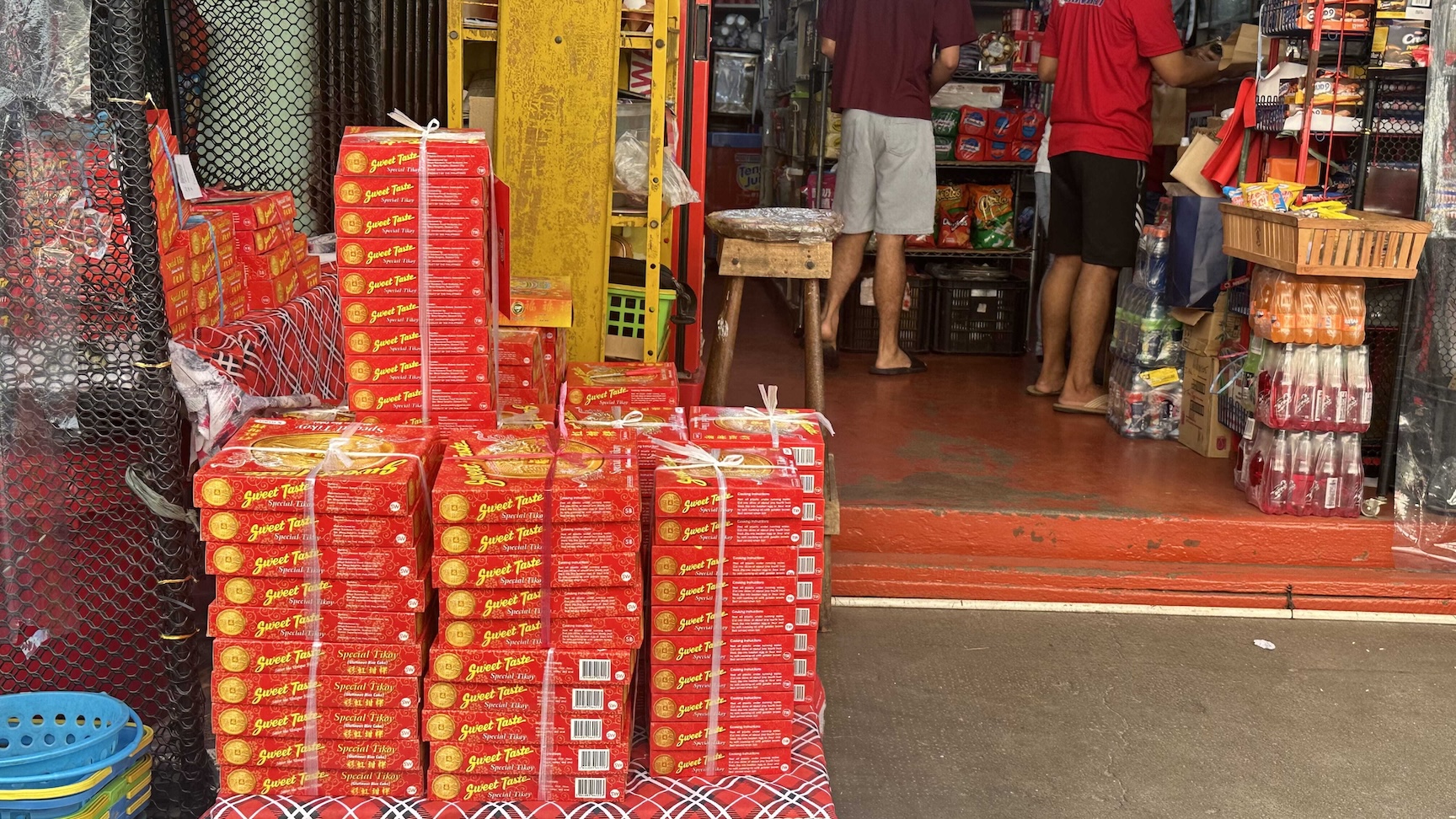
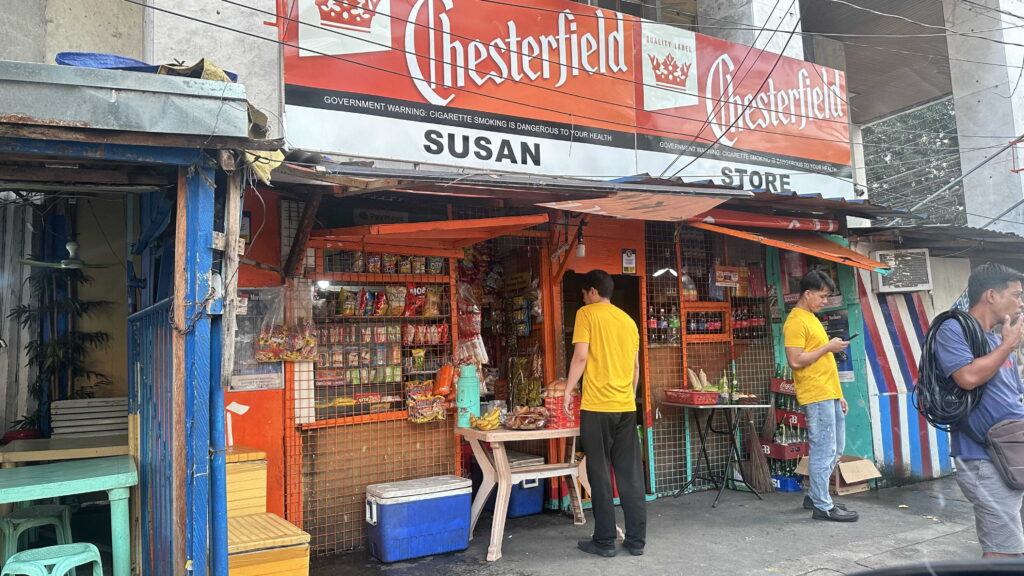
Whenever Chinese New Year rolls around, sari-sari store owners don’t just sell snacks — they sell symbols of luck, long life, and prosperity.
From hopia to Chinese wine to packs of noodles, small neighborhood stores see a familiar pattern every year: customers buy items tied to good fortune, even if they’re not celebrating the holiday in a traditional way. It’s less about ritual, more about hope — and it turns out, that hope moves products off shelves.
That’s according to data from Packworks, which analyzed more than a million monthly transactions from over 300,000 sari-sari stores across the country. Using its Sari IQ platform, the company tracked what sold before and after Chinese New Year from 2023 to 2025 — and the results show that cultural beliefs strongly shape what Filipinos buy.
Hopia: small pastry, big demand
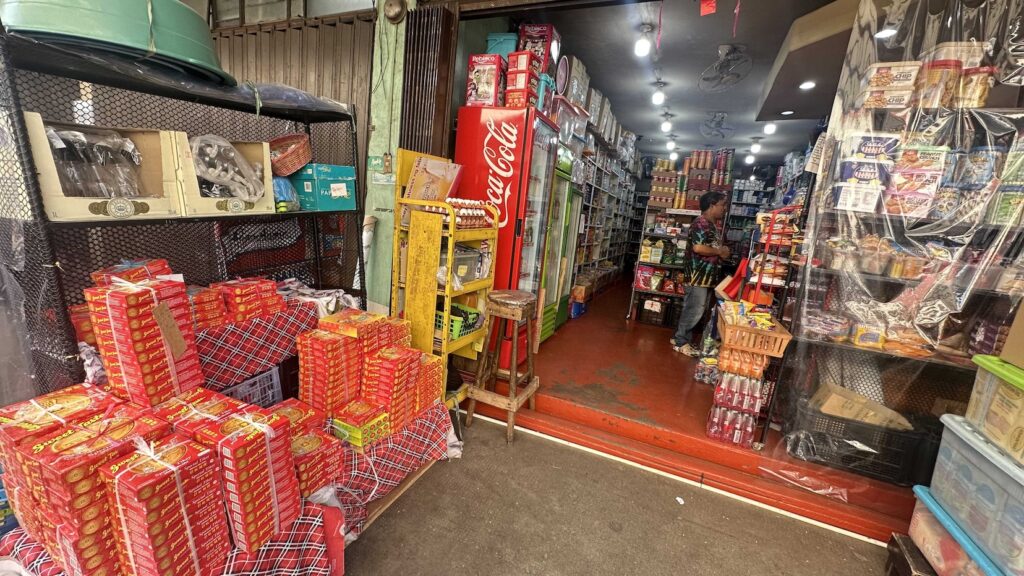
Hopia, the round pastry linked to togetherness and good fortune, has become a quiet bestseller during the season. Sales steadily climbed over three years, with median sales value rising 20% in 2025, up from 14% in 2023.
The biggest jumps came from the Visayas, particularly Central Visayas, where sales surged by 240% and transactions doubled in 2025. The strong showing is no surprise in areas like Iloilo and nearby provinces, where Chinese-Filipino communities have long influenced local food habits.
For sari-sari stores, hopia isn’t just a festive item — it’s an easy add-on near the counter, the kind of product customers grab “just in case” luck comes knocking.
Wine for toasts, noodles for long life
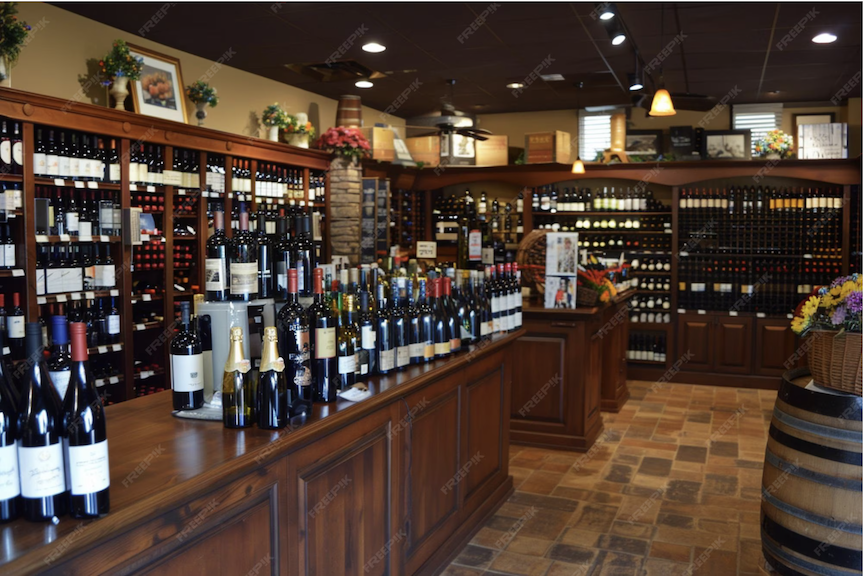
Chinese wine followed the same upward trend. Often used for holiday toasts and prosperity wishes, it posted a 36% increase in median sales value in 2025, compared with just 3% two years earlier. Central Luzon showed steady growth year after year, while Eastern Visayas recorded its strongest spike last year.
Asian noodles — symbols of long life — also made a comeback. After dipping slightly in 2024, sales rose 10% in 2025. SOCCSKSARGEN led the way with a 25% increase, partly because more stores began carrying the product. Western Visayas saw the biggest rise in transactions, suggesting that shoppers were buying in small but frequent quantities.
For store owners, these trends point to a simple lesson: stock items that fit both the budget and the belief. Noodles and wine may not be daily essentials, but during festive weeks, they become meaningful purchases.
The “prosperity basket” goes beyond food
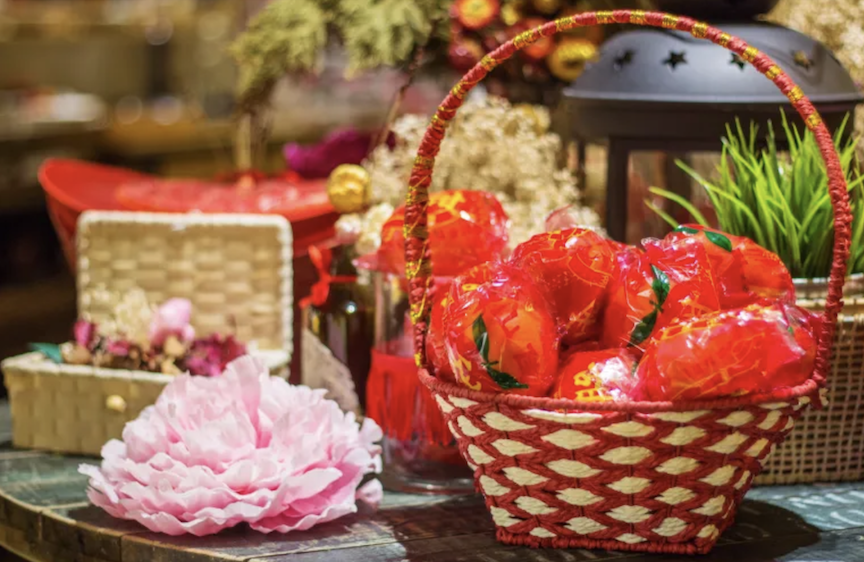
The lucky shopping list doesn’t stop with pastries and noodles. Kitchen staples tied to Chinese cooking and holiday meals also sell more. Soy sauce posted a 9% rise in sales, while seasoning granules and MSG grew by 7%. Cooking oil saw about a 13% increase in both sales and transactions.
Sweet items also gained ground. Chocolates rose 36% in 2025, and sugar stayed strong after a big jump the year before. For many families, a “sweet” year ahead starts with something sweet on the table.
Culture as a business signal
For Packworks Chief Data Officer Andoy Montiel, the numbers tell a bigger story about how Filipinos shop.
“Commerce is inseparable from culture,” he said. “For many Filipinos, Chinese New Year isn’t just a holiday — it’s a chance to ‘invest’ in prosperity through small purchases.”
Packworks Co-founder and Chief Platform Officer Hubert Yap added that this creates an opportunity for brands and small retailers alike.
“Instead of just stocking what’s always there, stores and suppliers can match products to cultural moments. That’s how you capture demand that modern trade often misses,” he said.
What sari-sari stores can take from this

For sari-sari store owners, the takeaway is practical: When a festive season is coming up, think beyond regular staples. Stock items that connect to the occasion — even in small quantities. A few packs of hopia, some noodles, or a bottle or two of wine can make a difference when customers are buying for luck, not just for hunger.
Packworks expects Chinese New Year sales to keep growing, with gross merchandise value projected to rise by 10% and transactions by 4%, as shoppers increasingly buy several “lucky” items per visit.
In the end, the lesson is simple: Festivals don’t just change the calendar — they change buying habits. And for sari-sari stores, knowing what people believe in can be just as important as knowing what they need.