It now takes only a few minutes — and a smartphone — for an ordinary encounter to become a national conversation. What once might have ended with a traffic citation can now spread across social media within hours, drawing millions of views, prompting official investigations, and putting public institutions under intense public scrutiny.
The recent confrontation between a Metropolitan Manila Development Authority (MMDA) traffic officer and a motorcycle-riding public school teacher is the latest reminder of how quickly everyday incidents can evolve into issues of national importance.
While the teacher admitted violating traffic regulations by riding without a helmet, the public debate soon shifted away from the offense itself. Instead, it focused on how authority should be exercised, how public servants should treat citizens, and how social media is reshaping expectations of accountability.
When a traffic stop becomes a national story
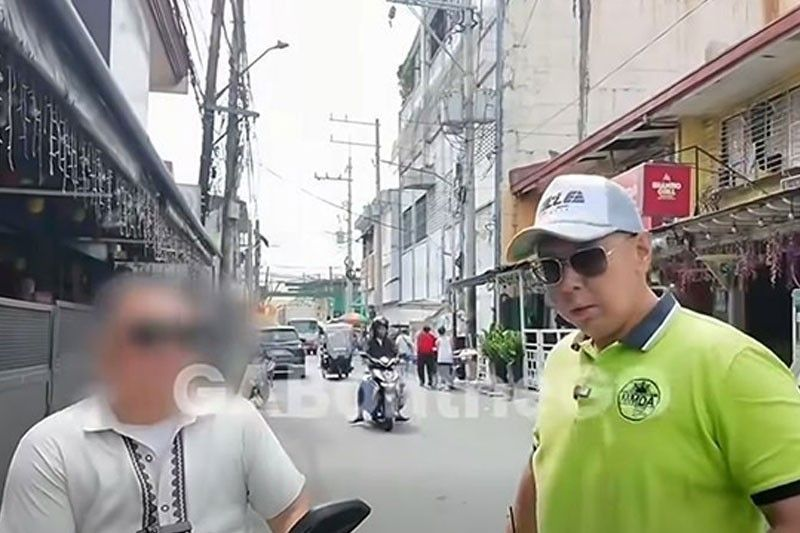
MMDA’s Head of Special Operations Group Gabriel Go shames a teacher in a video for not wearing a helmet. (IMAGE CREDIT: Gabriel Go)
What began as a routine traffic stop quickly became one of the country’s most talked-about incidents after MMDA Special Operations Group–Task Force for Road Clearing chief Gabriel Go uploaded a video of himself confronting a public school teacher riding a motorcycle without a helmet.
The footage showed Go repeatedly admonishing the teacher while recording the encounter. Although the traffic violation itself was not disputed, many viewers questioned whether publicly posting the interaction crossed the line between law enforcement and public humiliation.
The encounter also drew attention because Go was wearing civilian clothes during the operation. In the video, he questioned the teacher about carrying a handheld radio while emphasizing that no profession should exempt anyone from complying with traffic laws.
A few days later, Go became the subject of another viral video — this time involving Quezon City police officer Capt. Mann Erik Felipe during a dispute over an illegally parked vehicle.
Although Go later apologized to the Philippine National Police, Felipe filed a cyberlibel complaint, alleging that videos circulating online, including one he claimed had been edited, damaged his reputation and violated his privacy.
The two incidents shifted public attention beyond the traffic violations themselves. Instead, discussions centered on how public officials exercise authority, whether social media should be used to publicize enforcement operations, and the standards of professionalism expected from government personnel.
Suspension fuels calls for stronger action
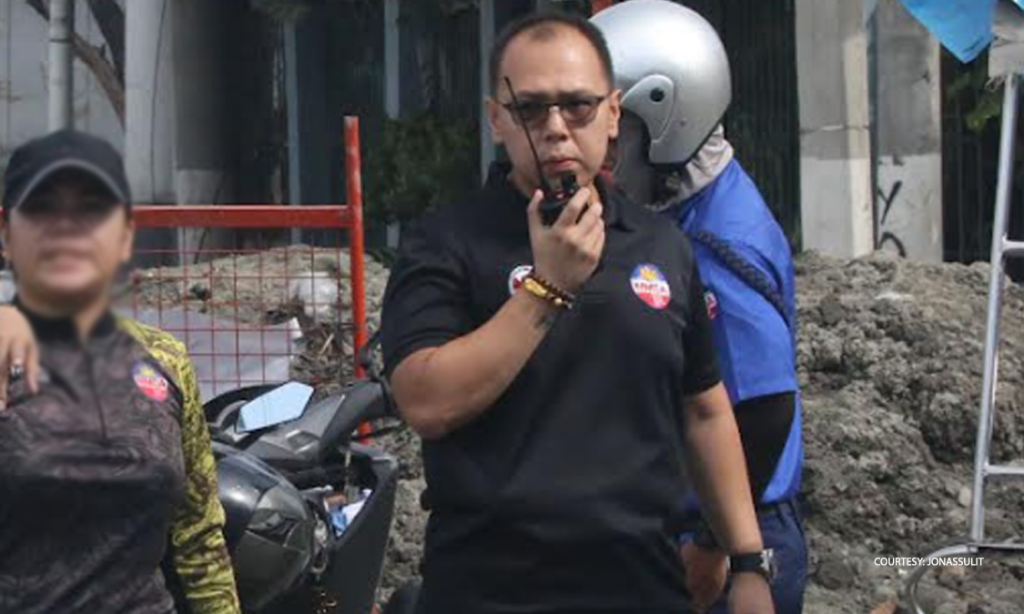
MMDA’s Gabriel Go in one of their clearing operations. (IMAGE CREDIT: thechronicales.com.ph)
As public scrutiny intensified, the MMDA suspended Go while it continues investigating the July 14 incident involving the teacher.
The suspension, however, has not ended the controversy.
ACT Teachers Party-list Rep. Antonio Tinio said stronger administrative action should be considered, arguing that suspension alone may not be sufficient given Go’s repeated practice of posting apprehension videos on his personal social media accounts despite existing MMDA policies governing documentation of enforcement operations.
The Alliance of Concerned Teachers (ACT) echoed those concerns, saying traffic laws should always be enforced fairly but without subjecting violators to unnecessary public embarrassment.
The organization noted that the teacher had already acknowledged his mistake and accepted responsibility for the helmet violation.
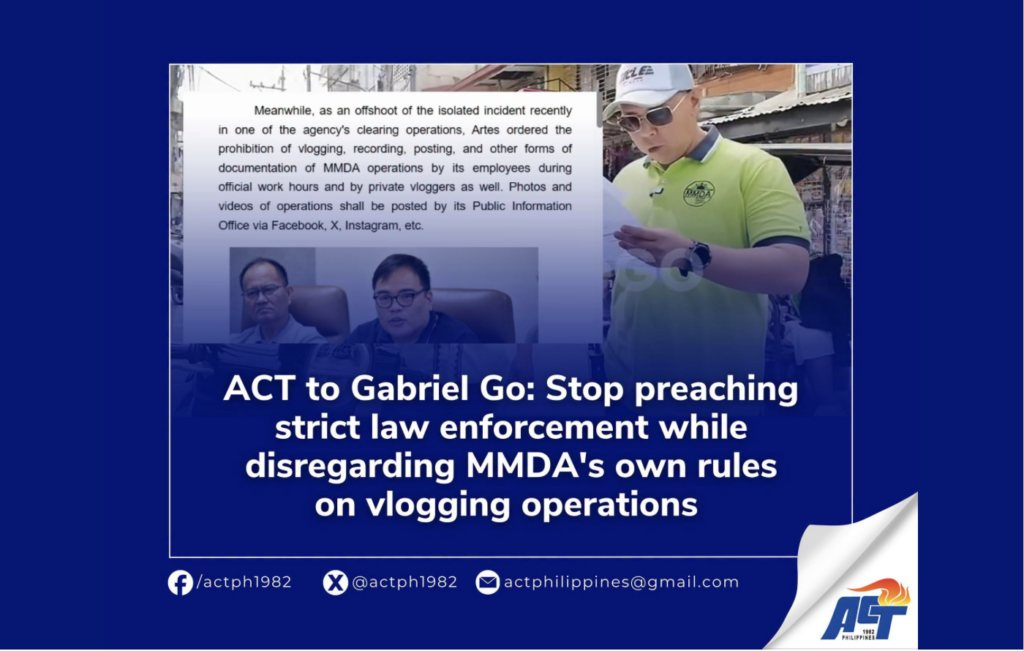
It maintained, however, that enforcing the law should never come at the expense of a person’s dignity and pointed to previous MMDA directives indicating that official documentation of operations should be handled through the agency’s Public Information Office rather than employees’ personal social media accounts.
Together, the suspension and the calls for Go’s removal have widened the discussion beyond a single viral video, raising broader questions about professionalism, ethical conduct, and the responsible use of social media by government officials.
Why accountability matters more than ever
Public accountability extends beyond enforcing laws — it also involves earning and maintaining public trust.
Every interaction between a public servant and a citizen, whether recorded or not, shapes how government institutions are perceived.
The MMDA’s decision to suspend Go reflects growing public expectations that agencies respond quickly and transparently whenever concerns are raised about the conduct of their personnel. Increasingly, institutional credibility is measured not only by whether rules are enforced but also by how those rules are implemented.
Social media has accelerated those expectations.

IMAGE CREDIT: Freepik
Citizens now expect prompt explanations, visible action, and clear communication whenever public officials become involved in controversial incidents. While online discussions cannot determine guilt or innocence, they often influence how government institutions communicate and demonstrate accountability.
When everyone has a camera
Nearly every Filipino now carries a smartphone capable of recording events as they happen.
That reality has made it increasingly difficult for encounters involving public officials to remain private, even when they begin as routine interactions.
As a result, many government agencies have placed greater emphasis on communication, customer service, and ethics training. Public service today is judged not only through official reports but also through the experiences ordinary citizens share online.
At the same time, viral videos rarely capture every detail of an incident. A short clip can quickly shape public opinion, but thorough investigations remain essential to establish the facts and ensure due process for everyone involved.
Beyond one viral video
Whether the MMDA controversy eventually fades from public attention or not, it reflects a broader shift in how Filipinos engage with public institutions.
Digital platforms have made accountability more immediate, more visible, and more participatory than ever before. Citizens are no longer merely observers — they have become active participants in demanding transparency, professionalism, and respect from those entrusted with public service.
For government agencies, the challenge extends beyond enforcing the law. It is ensuring that every interaction strengthens, rather than weakens, the public trust they are expected to uphold.