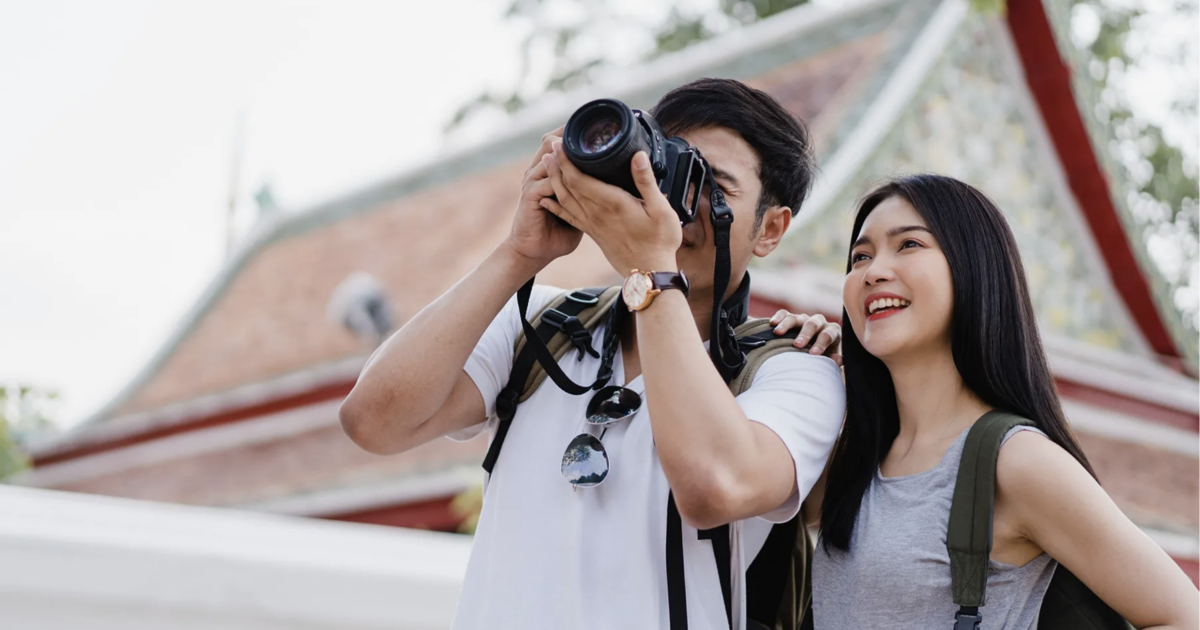
The new Filipino luxury is increasingly defined by experiences rather than possessions.
Luxury once had an easy-to-recognize image: a designer handbag, an expensive watch, a premium car, or jewelry carrying the name of a famous international brand.
These products remain desirable, but the meaning of luxury is changing. For many affluent consumers, the goal is no longer simply to own something expensive. It is to gain access to something memorable, private, restorative, or difficult to experience in everyday life.
A recent Bilyonaryo story captured this changing mindset: luxury is increasingly being measured not only by what people buy, but by how they spend their time and the experiences they allow themselves to enjoy.
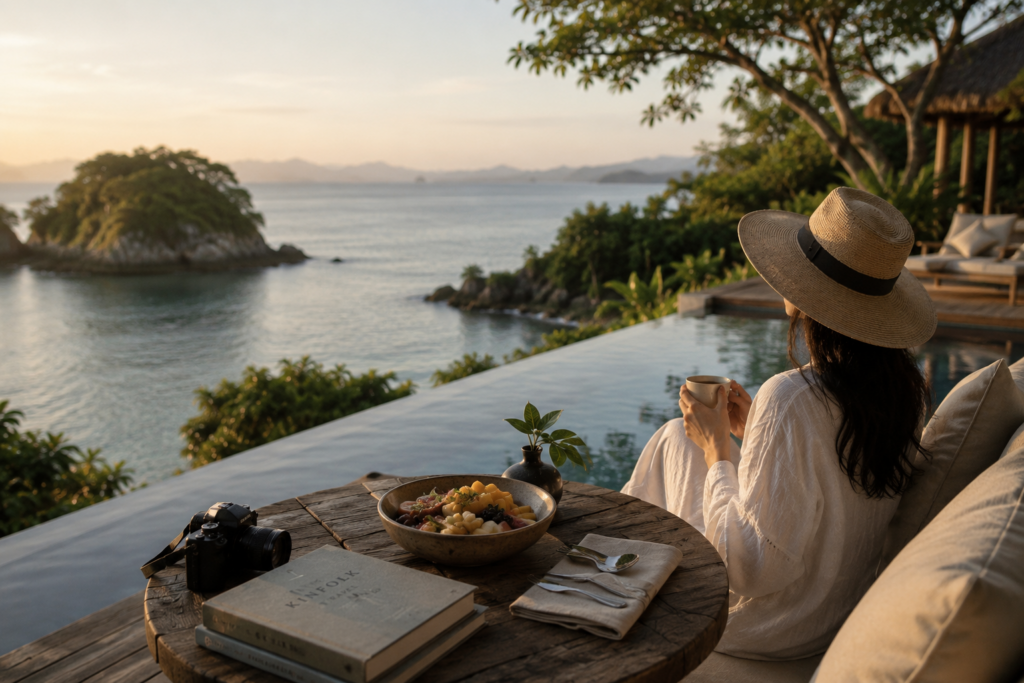
IMAGE CREDIT: Nawa Wellness
That may mean escaping to a secluded island, joining a wellness retreat, booking a chef-led meal, staying in a thoughtfully designed boutique hotel, or investing in a hobby that offers personal growth and meaningful connections.
Luxury is becoming more personal
Traditional luxury often communicates status to other people. A recognizable bag or watch can be noticed immediately, while an expensive experience may leave behind only photographs, stories, and memories.
But that is partly the point.
For some affluent Filipinos, the ability to slow down, travel comfortably, disconnect from work, and spend uninterrupted time with loved ones has become valuable precisely because these things are increasingly difficult to obtain.
Time, privacy, convenience, and personalization are becoming luxuries of their own.
This reflects a broader shift in the global luxury market. According to Bain & Company, consumers are showing greater interest in hospitality, wellness, cruises, fine dining, and other experience-driven forms of indulgence.
In the Philippines, this changing definition can be seen in the appeal of wellness destinations, private island stays, food-focused trips, and hobbies that require time, training, and travel.
Batangas turns rest into a destination
Batangas offers one of the clearest local examples of wellness becoming an experience worth traveling for.
At Nawa Wellness in Calatagan, a getaway is built around more than accommodation. The destination combines Filipino-inspired wellness practices with spa treatments, healthy dining, movement sessions, workshops, fitness facilities, and outdoor activities.
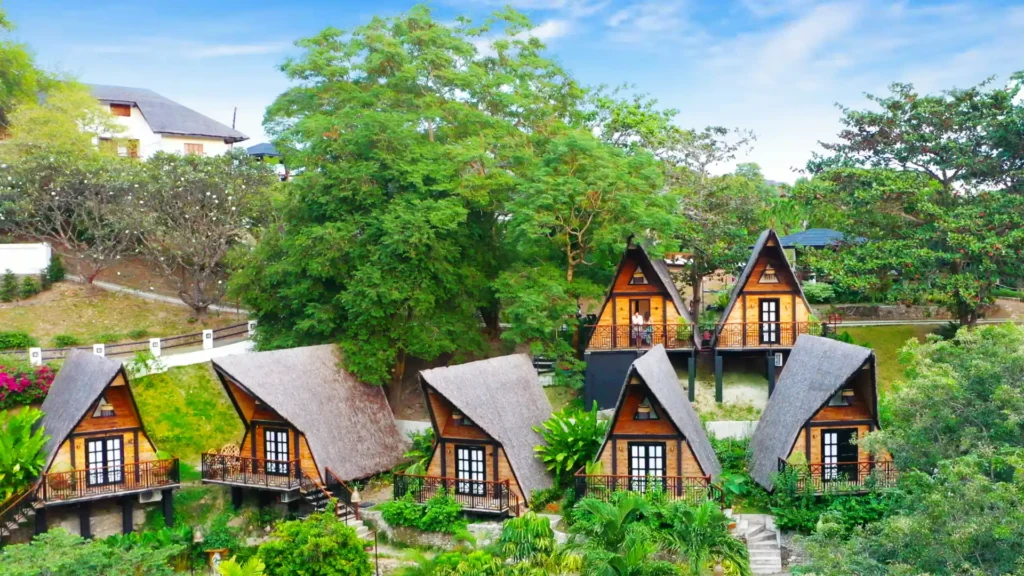
IMAGE CREDIT: Nawa Wellness
Guests can spend their days following guided wellness programs or simply enjoying the property at their own pace.
For residents of Metro Manila and nearby provinces, this type of retreat offers an accessible escape without requiring an international flight. The purchase is not simply a weekend booking. It is the opportunity to sleep properly, eat thoughtfully, move slowly, and temporarily step away from a demanding routine.
The luxury comes from having the space and time to focus on oneself.
In Palawan, exclusivity means access
Palawan has long represented a more traditional image of luxury travel, with its private islands, white-sand beaches, clear waters, and remote resorts.
But high-end stays in the province are increasingly built around access to experiences that travelers may find difficult to arrange independently.
At Amanpulo on Pamalican Island, guests can complement their private villa or casita stay with snorkeling, diving, sailing, fishing, spa treatments, private cruises, and destination dining.
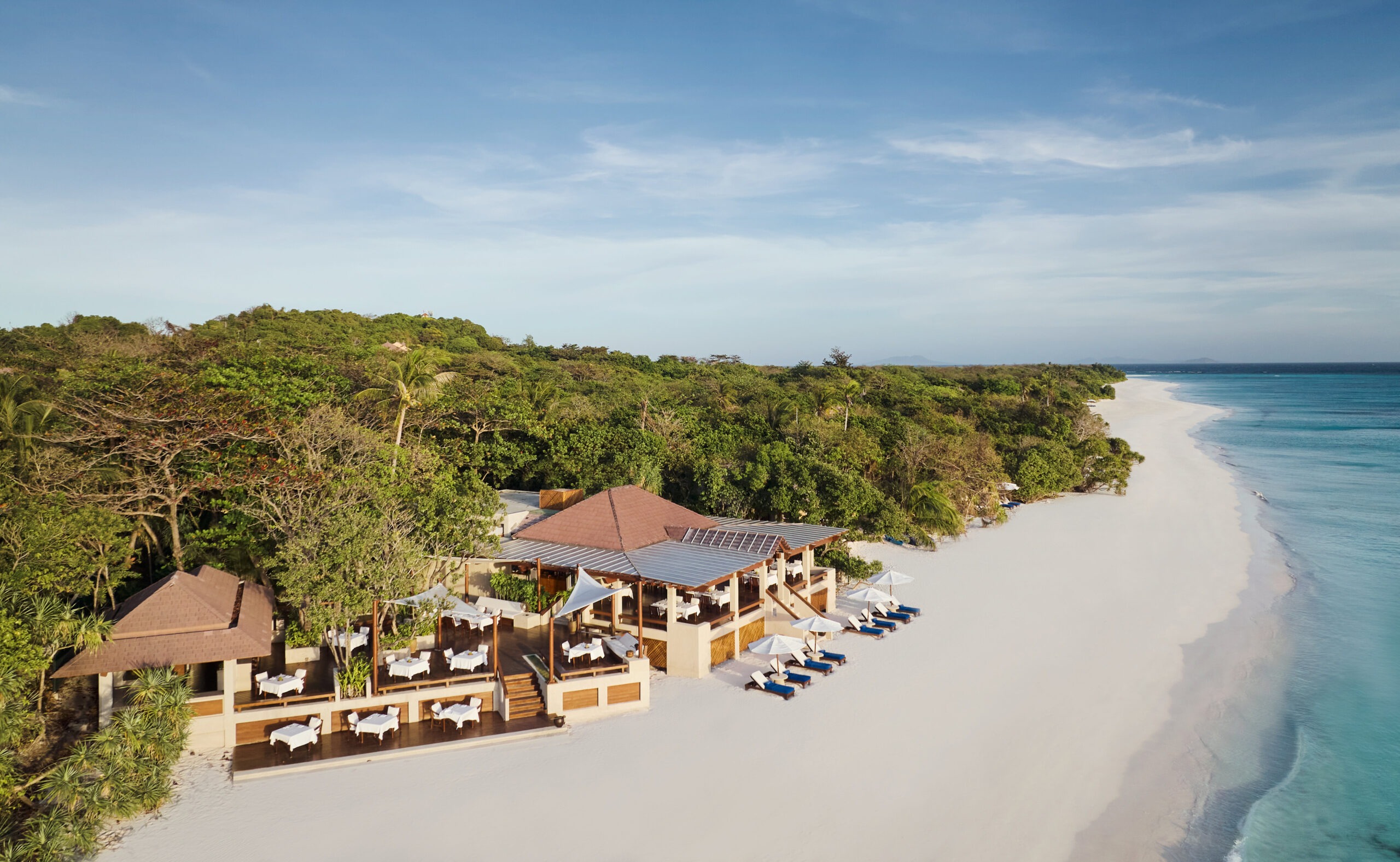
IMAGE CREDIT: Amanpulo
The attraction is not limited to an elegant room. It includes access to secluded waters, personalized service, private transportation, and activities arranged around each guest’s preferences.
This form of luxury is defined by removing friction. Transportation, meals, excursions, and wellness activities can be taken care of, allowing travelers to focus on the destination rather than the logistics.
Cebu combines food, wellness, and recreation
In Cebu, luxury travel can include several experiences within one trip.
Properties such as Shangri-La Mactan, Cebu combine resort accommodations with beachfront spaces, restaurants, wellness facilities, and recreational activities.
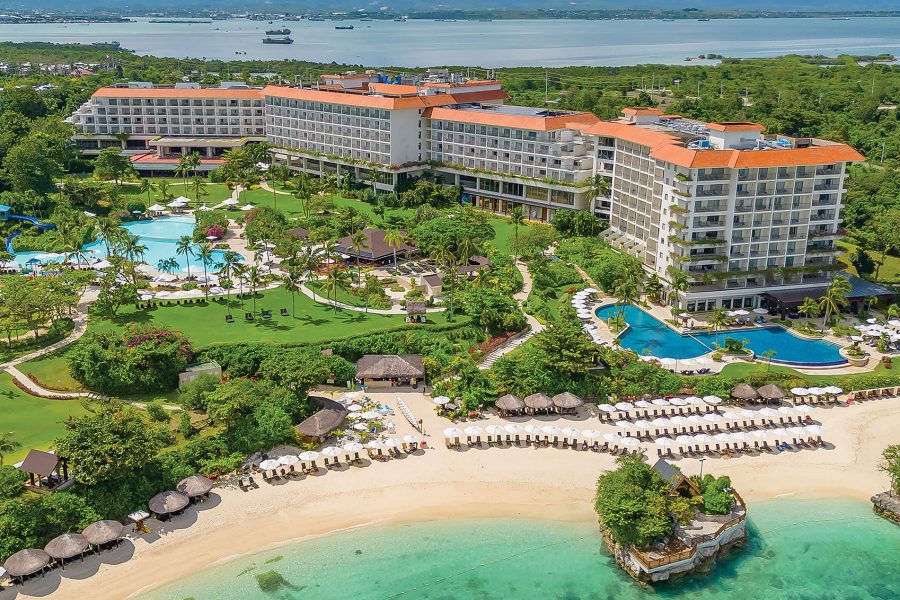
IMAGE CREDIT: Cathay Pacific
Guests can spend the morning exploring the water, have lunch overlooking the coast, schedule a massage in the afternoon, and end the day with a carefully prepared dinner.
This reflects another change in premium travel habits. An upscale hotel is no longer expected to provide only a comfortable room and attentive service. Guests increasingly look for properties that can offer food, wellness, recreation, and a sense of place within one thoughtfully designed stay.
Dining has also become an important part of experience-led luxury.
Instead of purchasing another material item, consumers may spend on tasting menus, private celebrations, beachfront meals, or dinners created around a particular chef, ingredient, or local culinary tradition.
The meal may be temporary, but the setting, company, service, and story behind it can make the experience feel more valuable than an object kept at home.
Siargao sells freedom and adventure
Siargao shows how adventure and relaxed island living can also become forms of luxury.
At Nay Palad Hideaway, the experience is built around what the property calls barefoot luxury. Guests can surf, enjoy wellness treatments, explore mangroves, join island excursions, and share meals prepared throughout the day.
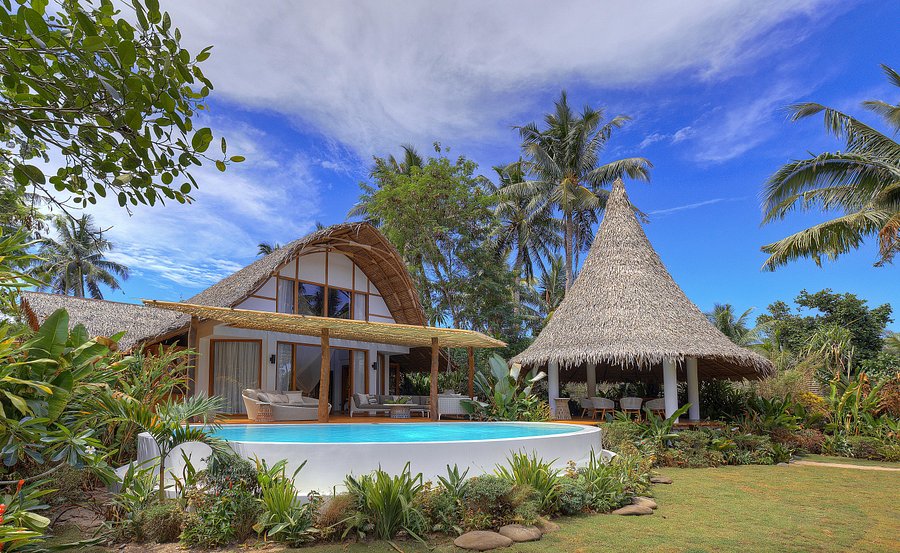
IMAGE CREDIT: Trip Advisor
The setting does not rely on formal clothing, shopping districts, or traditional displays of wealth.
Guests may spend the day barefoot, surf at a quiet break, paddle through mangroves, enjoy a long lunch, or have a massage after an island-hopping trip.
What makes it luxurious is the freedom to choose, the privacy surrounding the experience, and the convenience of having activities and meals arranged as part of the stay.
It is a type of luxury that feels less like showing off and more like temporarily escaping the pressures of everyday life.
Hobbies are becoming the new status symbols
The shift extends beyond travel.
Some consumers are investing more in hobbies such as golf, surfing, diving, cycling, running, photography, cooking, and wellness activities. These interests often require lessons, specialized equipment, memberships, travel, and consistent time.

IMAGE CREDIT: Liz Martin
Unlike a one-time purchase, a hobby creates an ongoing experience. It can offer progress, community, physical activity, and a deeper sense of identity.
Golf weekends, diving trips, destination races, cooking workshops, and surfing camps may cost as much as luxury goods, but they offer something that a product cannot always provide: a skill, a story, and a reason to keep returning.
In this way, status may be communicated less through what someone owns and more through what they can do, where they have been, and how they choose to spend their free time.
Possessions are not disappearing
Luxury goods are unlikely to lose their appeal completely. Bags, watches, cars, jewelry, and designer clothing will remain important parts of how people celebrate success and express personal style.
But possessions are now competing with experiences that promise something more personal: better health, deeper relationships, new skills, privacy, adventure, or simply enough time to rest.
The new Filipino luxury may not always fit inside a shopping bag.
Sometimes, it is a quiet weekend in Batangas, a private cruise in Palawan, a memorable meal in Cebu, or a surfing trip in Siargao.
What makes it luxurious is not only the price. It is the ability to spend time in a way that feels meaningful, personal, and difficult to replicate.