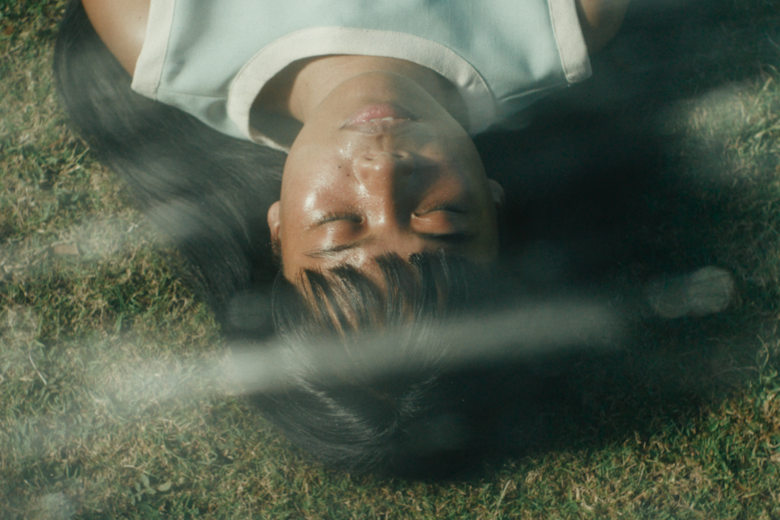
What does it actually mean to be Filipino today?
It sounds like a simple question, especially in a country where culture is visible almost everywhere: in the food we eat, the languages we speak, the traditions we keep and the way we relate to family. But Filipino identity has never been one fixed thing. It has been shaped by history, migration, colonial influence, globalization and the changing realities of everyday life.

Filipiñana (2026) Official Trailer | THE DARK SECRET HIDDEN BENEATH PARADISE
That makes Filipiñana an interesting film to watch as it arrives in Philippine cinemas starting August 26.
Rather than approaching the movie simply as another Filipino title to add to your watchlist, Filipiñana offers an opportunity to think about how contemporary Philippine cinema represents the country and the people who live in it.
Why “Filipiñana” is an interesting title
Even before watching the film, its title invites questions.
“Filipiñana” immediately evokes Filipiniana, a word often associated with Filipino cultural objects, traditions, literature, clothing, art and historical materials. It carries an idea of something distinctly Filipino, but the film’s title also seems to invite a more contemporary interpretation of what that identity looks like.

Filipiñana (2026) Official Trailer | THE DARK SECRET HIDDEN BENEATH PARADISE
The Philippines today is not exactly the country represented in old photographs, textbooks or traditional cultural exhibits.
Filipinos now move between cities and countries. We consume Korean dramas and Hollywood movies while listening to OPM. We order international food through delivery apps while still craving a familiar plate of sinigang. We speak English, Filipino and regional languages, sometimes within the same conversation.
Our identity is constantly evolving.
That makes a film carrying a title like Filipiñana particularly timely.
Filipino identity is not one thing
One of the most interesting things about Filipino culture is how difficult it can be to define.
There is no single Filipino experience.

IMAGE CREDIT: Rotten Tomatoes
Someone growing up in Manila may have a very different relationship with Filipino culture from someone raised in Davao, Cebu, Baguio or a small provincial town. A Filipino who grew up abroad may have an entirely different perspective again.
Even within one family, ideas about tradition can change between generations.
Grandparents may have grown up with a very different understanding of what it meant to be Filipino compared with their grandchildren, who are navigating a world shaped by smartphones, social media and global pop culture.
This tension between the old and the new is one of the reasons Filipino identity continues to be such fertile material for filmmakers.
A country between tradition and modern life
Contemporary Filipino cinema has increasingly explored the contradictions of everyday life in the Philippines.
We are deeply connected to tradition while constantly adapting to modern influences. We celebrate fiestas and family reunions while also living increasingly digital lives. We value close family relationships, yet millions of Filipinos work overseas and spend years physically separated from their loved ones.

Filipiñana (2026) Official Trailer | THE DARK SECRET HIDDEN BENEATH PARADISE
Even the way we communicate reflects this contradiction.
A family gathering may involve everyone sitting around the same table, with half the people checking their phones. A traditional celebration can become content for TikTok within minutes. A centuries-old dish can be reinvented by a young chef and introduced to an entirely new audience.
Being Filipino today means negotiating all of these things at once.
That is what makes a contemporary film about Filipino identity worth watching.
More than a movie about culture
A cultural film does not necessarily have to explain Filipino traditions directly.
Sometimes, culture is revealed through smaller details.
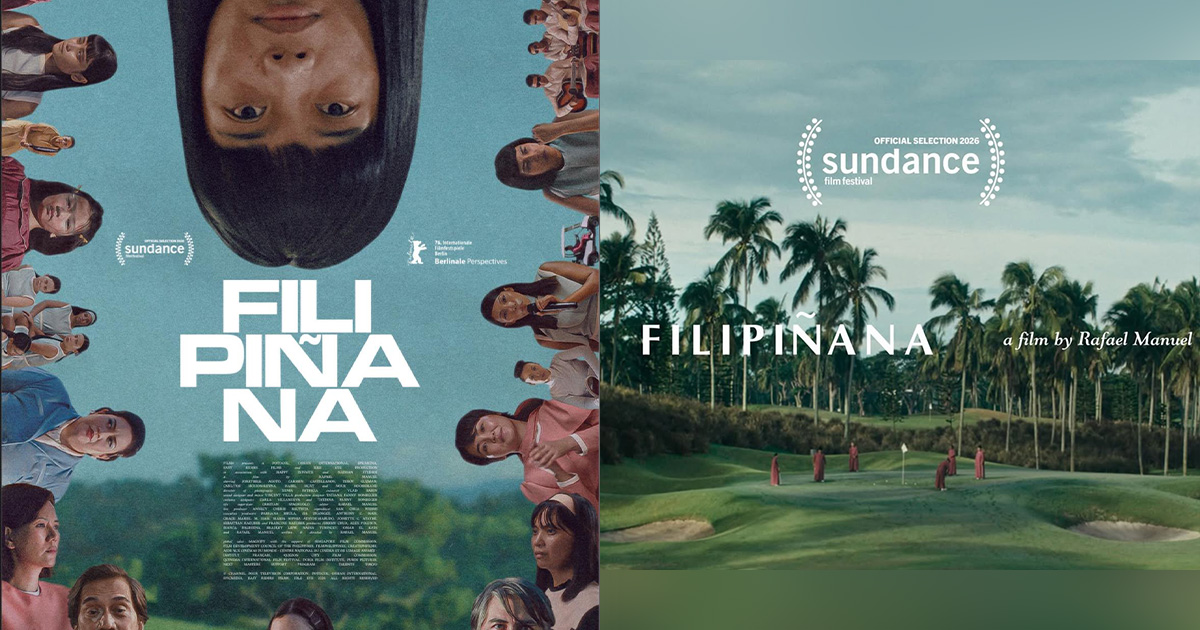
Filipiñana (2026) Official Trailer | THE DARK SECRET HIDDEN BENEATH PARADISE
The way characters speak.
The places they live.
The food they eat.
The clothes they wear.
The relationships they have with their parents.
The aspirations they have for themselves.
The compromises they make.
These details can say more about a country than a long explanation about history ever could.
For Filipiñana, that creates an interesting possibility. Instead of presenting Filipino culture as something frozen in the past, the film can show it as something people are constantly negotiating and redefining.
Why Filipino stories still matter
The growing popularity of international entertainment has given Filipino audiences more choices than ever.
We can watch a Korean drama, a Japanese anime, a Chinese blockbuster or a Hollywood franchise with just a few taps. That is exciting, but it also makes locally produced stories more important.

IMAGE CREDIT: SBS
Filipino cinema provides something international productions cannot: stories that understand the small details of Filipino life without needing to explain them.
The joke that only makes sense if you grew up here.
The family dynamic that feels painfully familiar.
The way people mix languages in conversation.
The food that reminds a character of home.
The complicated relationship between leaving the Philippines and wanting to return.
These are experiences that can make a Filipino audience feel recognized.
A new generation is defining Filipino culture
Perhaps the most interesting audience for Filipiñana is young Filipinos.
Gen Z and younger millennials are growing up with a Filipino identity that is simultaneously local and global. They can be deeply interested in Filipino heritage while also consuming international trends every day.
For this generation, being Filipino does not necessarily mean rejecting outside influences.

IMAGE CREDIT: SBS
It can mean taking those influences and making them their own.
You can see this in fashion, music, food, design and social media. Filipino creators increasingly reinterpret traditional ideas rather than simply preserving them exactly as previous generations did.
That raises an important question for a film like Filipiñana:
What does Filipino culture look like when Filipinos themselves are constantly changing?
Filipino cinema does not have to be perfectly “Filipino”
There is also an interesting contradiction in trying to define what counts as Filipino cinema.
Does a film need to be set in the Philippines?
IMAGE CREDIT: Reddit
Does it need to use Filipino languages?
Does it have to focus on family?
What about Filipino stories set overseas?
What about filmmakers influenced by international cinema?
What about films that deliberately challenge traditional ideas about Filipino culture?
There may not be one correct answer.
Filipino cinema can be many things at once because Filipino identity itself is complicated.
That is why films exploring culture are valuable even when they do not provide a neat definition of what being Filipino means.
Sometimes, the conversation is more important than the answer.
What to expect from Filipiñana
As a movie preview, it is important not to give away too much before audiences have had the chance to experience the film themselves.
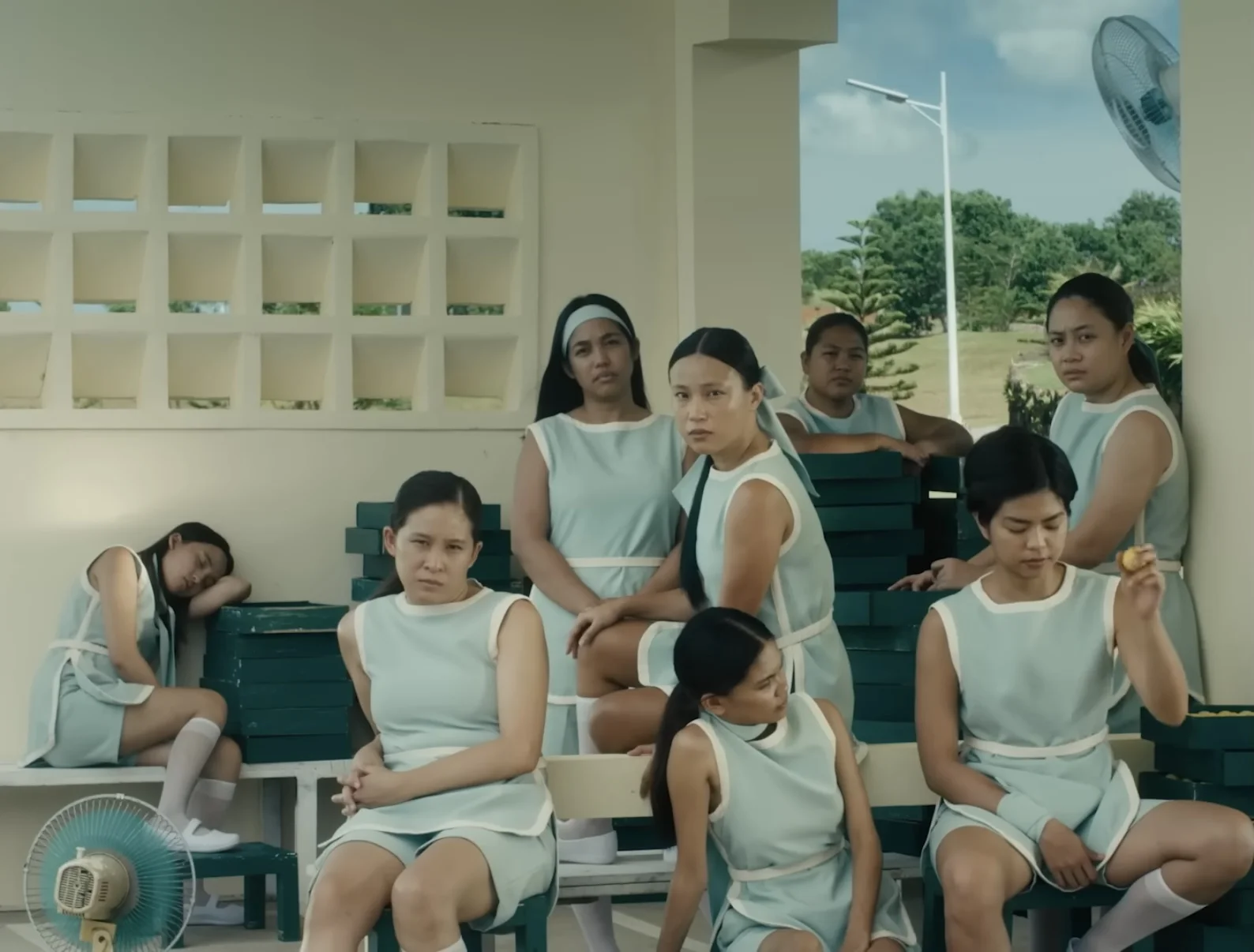
IMAGE CREDIT: MEGA
What makes Filipiñana worth watching is the possibility that it will offer more than a straightforward story. Its strongest appeal for a lifestyle and culture audience is the opportunity to look at Filipino identity through contemporary cinema.
Rather than asking whether the movie presents the “perfect” version of the Philippines, it may be more interesting to ask what kind of Filipino experience it chooses to highlight.
Whose story is being told?
What parts of Filipino culture are celebrated?
What parts are questioned?
And what does the film suggest about where Filipino identity is heading?
Why it deserves a place on your watchlist
Filipino cinema has always reflected the country’s changing relationship with itself.
Every generation of filmmakers sees the Philippines differently. The stories change because the country changes.
IMAGE CREDIT: GitHub
That is why Filipiñana is worth checking out as it arrives in cinemas on August 26. Whether it ultimately becomes a major audience favorite or simply sparks conversations among viewers, its cultural angle gives audiences something to think about beyond the usual question of whether a movie is entertaining.
For PeoplePlacesPlates readers, that makes the film especially interesting.
It is not only about watching a Filipino movie.
It is about seeing how Filipino filmmakers interpret the country we currently live in.
The Philippines we see on screen
Maybe the biggest question Filipiñana can leave audiences with is also the simplest: Who are we now?
The answer will probably look different depending on who is watching.
For some, being Filipino is family, food and tradition. For others, it is migration, ambition and adapting to a changing world. For today’s younger generation, it may be all of those things at once, mixed with global influences that previous generations never experienced.
And perhaps that is the most Filipino thing about it.
We are constantly changing, borrowing, adapting and reinventing while still looking for ways to hold on to where we came from.
Before watching Filipiñana, ask yourself what being Filipino means to you. After the film, you might find yourself answering that question a little differently.