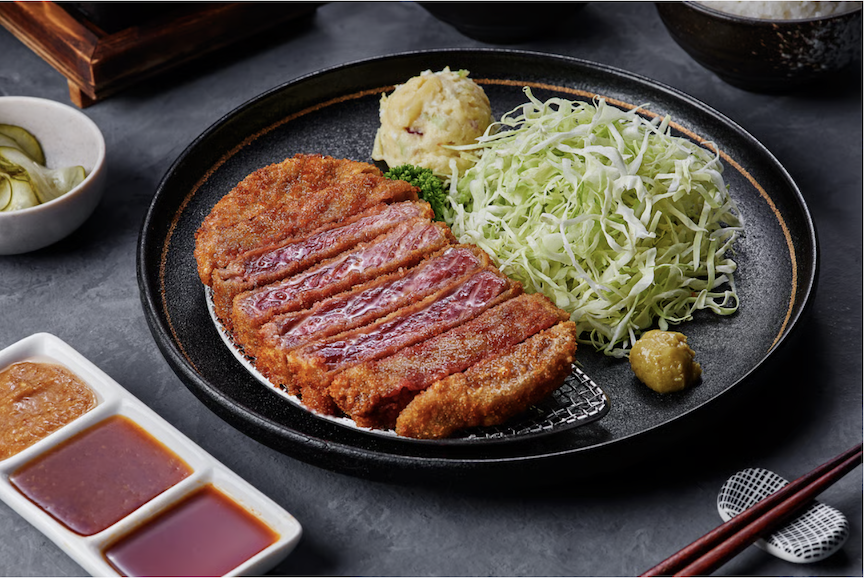
Gyukatsu まつ村‘s journey to Metro Manila did not begin with a corporate expansion plan or an aggressive growth strategy.
Instead, it started with a question that its Boracay customers kept asking after every memorable meal: “When are you coming to Manila?”
This September, the Japanese restaurant known for its signature gyukatsu will finally answer that question as it opens its second branch at Park Triangle Mall in Bonifacio Global City (BGC), bringing one of Boracay’s sought-after dining experiences to the country’s premier business district.
From island discovery to city destination
For many travelers, discovering Gyukatsu まつ村 became an unexpected highlight of their Boracay vacation. The restaurant quietly earned a loyal following through word of mouth, social media posts, and enthusiastic recommendations from diners eager to share their experience.
Founder Kevin Tan says the BGC opening was inspired less by expansion ambitions and more by customer demand.
“We kept hearing the same question from guests: ‘When are you coming to Manila?'” Tan said. “It eventually became something we felt we had to answer.”
Rather than launching multiple locations, the company chose to carefully recreate the same dining experience that made its Boracay restaurant a favorite among both tourists and locals.
A different take on Japanese comfort food
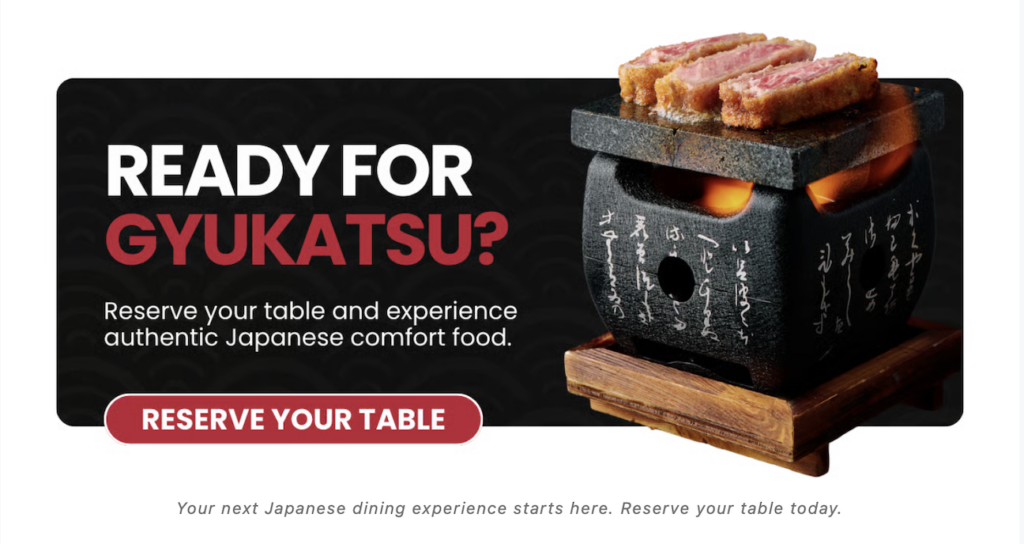
At the heart of the restaurant is gyukatsu — a Japanese beef cutlet that’s still relatively uncommon in the Philippines.
Unlike the more familiar pork tonkatsu, gyukatsu features premium beef lightly coated in crisp breadcrumbs and fried just enough to leave the center rare to medium-rare. Each slice is then finished by diners on a heated stone, allowing them to cook the beef to their preferred doneness while enjoying it fresh from the table.
Served with rice, soup, shredded cabbage, and a variety of condiments, the meal combines interactive dining with Japanese precision and simplicity.
While tonkatsu restaurants are widespread across the country, establishments dedicated exclusively to gyukatsu remain rare, making the concept a distinctive addition to Metro Manila’s growing Japanese dining scene.
Built by customers, not campaigns
One of the restaurant’s biggest surprises has been how little traditional advertising contributed to its success.
According to Ikigai International Restaurant OPC, much of Gyukatsu まつ村’s growth has come organically through customer recommendations and user-generated content shared on Facebook, Instagram, and TikTok.
More than 10,000 guest responses gathered through digital and in-store surveys over the past two years showed that social media remains the primary way new customers discover the restaurant.
The steady stream of online recommendations helped transform the Boracay restaurant from a hidden gem into a destination that many travelers intentionally include in their island itineraries.
Why BGC?
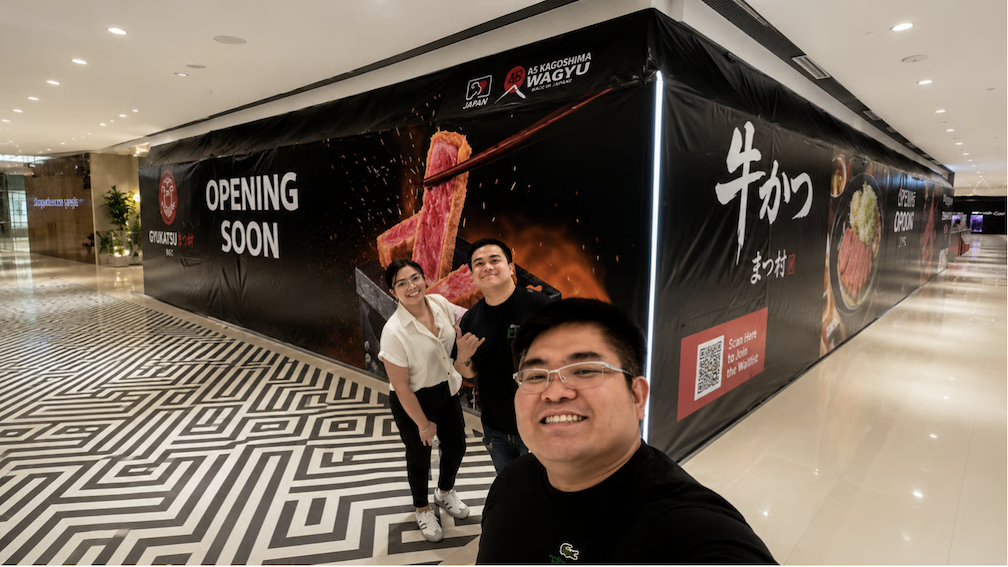
Kevin Tan and his team at the restaurant‘s future home at Park Triangle in BGC
For its first Metro Manila branch, the company selected Park Triangle Mall in Bonifacio Global City, citing its blend of office workers, residents, and visitors — a customer mix similar to the diverse clientele that embraced the Boracay restaurant.
Preparations are already underway, with recruitment completed and the restaurant team training ahead of the scheduled opening in early September.
“Boracay allowed us to build something people genuinely connected with,” Tan said in a press release. “We’re glad to bring that same experience to guests in Metro Manila.”
For diners who first experienced Gyukatsu まつ村 during a beach vacation, the new BGC branch means they no longer have to wait for another trip to Boracay to enjoy their favorite beef cutlet. And for Manila’s growing community of Japanese food enthusiasts, it offers another reason to explore a dish that remains one of Japan’s best-kept culinary secrets.