There was a time when discovering a great street food spot meant hearing about it from a friend. Someone would tell you about the kwek-kwek stand near the school, a colleague would recommend a hidden barbecue stall, or a cousin would insist that the best fishballs in town were being sold somewhere down a particular street.
Today, discovering where to eat can happen much faster. One video showing sizzling food, a generous serving, or a creator taking that first satisfying bite can be enough to put an unfamiliar food stall on thousands of people’s weekend itineraries. A place that was once known only within its neighborhood can suddenly find itself at the center of Manila’s food conversation.
This is the new algorithm economy of Filipino food culture, where a smartphone can function as a food guide and a few seconds of video can turn an ordinary food trip into a viral destination.
When a food trip becomes a trend
The modern Filipino food trip increasingly begins before anyone leaves home. People search TikTok for places to eat, save videos for their next weekend, send recommendations to friends and build entire food itineraries around restaurants, markets and street food stalls they have discovered online.
Sometimes, the food itself is the attraction. Other times, it is the experience surrounding it: a colorful food alley, a crowded stall, a vendor preparing a dish in front of customers, or a long queue that makes everyone wonder what they are missing.
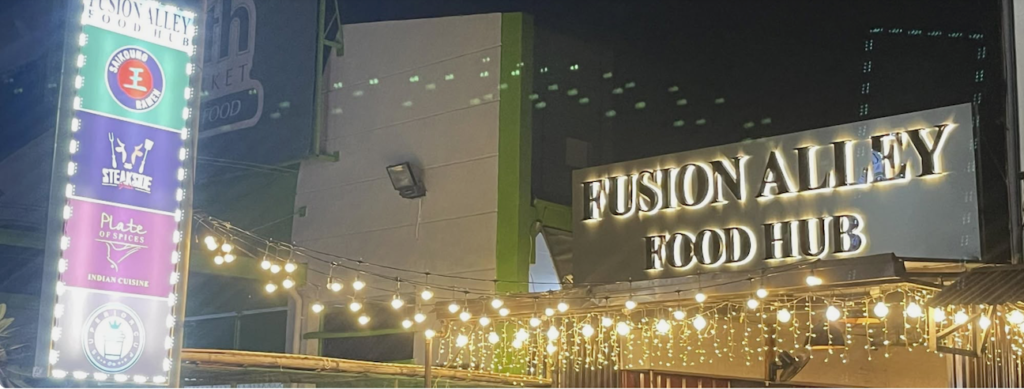
Places such as Fusion Alley, a viral open-air street food market located on I. Delos Reyes Street (near P. Noval Street) in Sampaloc, Manila have become part of this growing food-trip culture, where people do not simply go somewhere to eat but also to discover, photograph and share the experience. The destination becomes part of the story, and the story becomes another reason for someone else to visit.
That creates a powerful cycle. Someone sees a TikTok, visits the place, films their own experience and uploads it. Their followers see the video, become curious and make their own trip. Some of those visitors then create another video, allowing the cycle to continue.
The food still has to be worth eating, but in the algorithm economy, being discoverable can be almost as important as being delicious.
The five-second hook
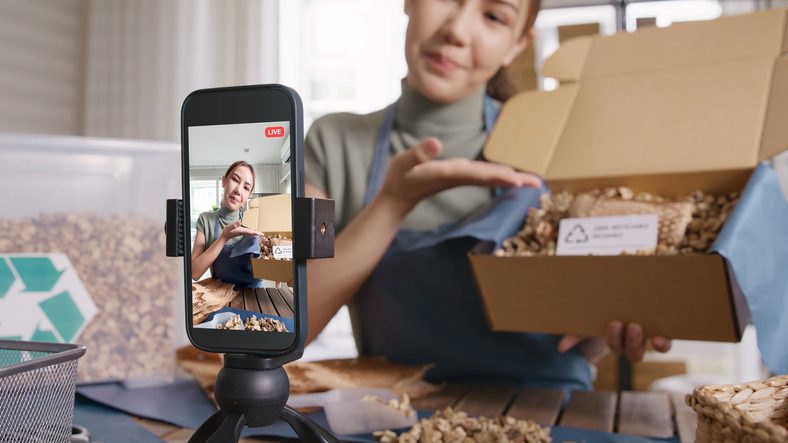
Food is particularly well suited to short-form video because it is naturally visual. Steam rising from freshly cooked food, oil bubbling around fried chicken, sauce being poured over a plate or a vendor slicing meat can communicate an entire experience before the viewer even hears the name of the dish.
The most effective food videos often do not need complicated explanations. They make people hungry.
That hunger can translate into something much more valuable for a small business: a customer who decides to leave home and try the food for themselves.
This has changed the marketing possibilities for small vendors. A food stall that could never afford a major advertising campaign can potentially reach thousands of people through a single well-timed video. The audience may not know the vendor’s name at first, but they remember what the food looked like, where it was located and how much it cost.
For a small business, that kind of visibility can be transformative.
The vendor becomes part of the story
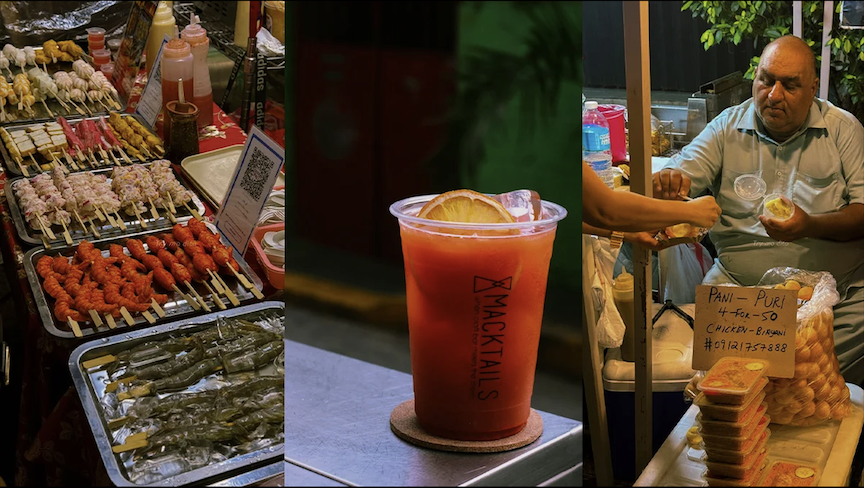
Food may be what initially attracts viewers, but the person behind the food can become equally important.
A vendor with a distinctive personality, a memorable way of preparing food or an interesting story about how the business began can become part of the attraction. Customers may return not only because they enjoyed the dish but because they remember the person who made it.
This is one of the more interesting effects of social media on small food businesses. Traditional advertising usually separates the product from the people behind it. Short-form video often does the opposite.
The vendor becomes part of the content.
A simple interaction at the counter, a family recipe, a story about starting a business with limited capital, or the process of preparing a popular dish can give audiences a reason to connect with the establishment beyond the food itself.
In a sense, the internet is bringing back an old form of food discovery: knowing the person who makes what you eat.
The difference is that the neighborhood has become much, much bigger.
Food creators are the new word of mouth
Food creators sit at the center of this ecosystem. They act as a bridge between vendors and audiences, introducing small businesses to people who may never have encountered them otherwise.
Their influence does not always come from celebrity status. Many food creators have built audiences by simply understanding what makes people curious about food. They know how to frame the shot, when to reveal the price, which detail to highlight and how to turn a meal into a story.
That is why a creator’s recommendation can sometimes have a very different impact from a conventional advertisement.
An advertisement tells you that a restaurant wants you to visit.
A food video can make you feel as if a friend has discovered somewhere good and is telling you about it.
That sense of personal recommendation is particularly powerful in Filipino food culture, where eating is already deeply social. We naturally ask our friends where they have eaten, what they ordered and whether something is worth trying.
TikTok has simply given that conversation a much larger audience.
The “TikTok made me try it” effect

There is a reason the phrase “TikTok made me try it” has become so common.
People increasingly use social media not only for entertainment but also for making everyday decisions. They search for restaurants, cafés, travel destinations, beauty products and local businesses through videos made by other users.
Food fits perfectly into this behavior because the reward is immediate. A viewer can see the food, imagine the taste and decide within seconds whether the place is worth visiting.
For vendors, the potential reach can be enormous.
A recommendation that once traveled through a group chat or a conversation between friends can now reach thousands of strangers. A neighborhood food stall can suddenly attract customers from other parts of the city because a creator happened to stop by and film it.
This is especially significant for small businesses that do not have large marketing budgets.
The internet has made visibility more accessible, even if it has also made attention much harder to predict.
When going viral becomes a business challenge
But going viral is not the same as building a sustainable business.
A stall designed to serve a certain number of customers can suddenly find itself facing a crowd several times larger than expected. Ingredients may run out. Preparation times may increase. Staff may struggle to keep up. Customers who came expecting the experience they saw online may become frustrated when reality cannot keep pace with the viral video.
The speed is what makes digital attention so powerful and so difficult to manage.
Traditional advertising usually gives a business time to prepare for increased demand. A viral TikTok can send hundreds of people to a location almost immediately.
For a small vendor, that can be both a dream and a logistical nightmare.
The challenge is not simply getting people to come.
It is making sure they leave happy enough to come back.
When the queue becomes part of the content
There is also something fascinating about the way queues behave in the age of social media.
A long line can become evidence that a food stall is worth visiting. Someone sees the crowd, takes a video and posts it. Another person sees that video and becomes curious. Soon, the queue itself becomes part of the destination’s identity.
It becomes social proof.
The more people waiting, the more people want to know what they are waiting for.
This can create a feedback loop in which popularity generates more popularity. A viral food destination does not simply benefit from attention; the visible reaction to that attention can become another form of advertising.
For food lovers, however, this raises an important question: Are people lining up because the food is genuinely exceptional, or because everyone else is lining up?
Sometimes, thankfully, the answer is both.
Street food gets a digital makeover
Filipino street food does not need social media to be relevant. It has been part of everyday life for generations.
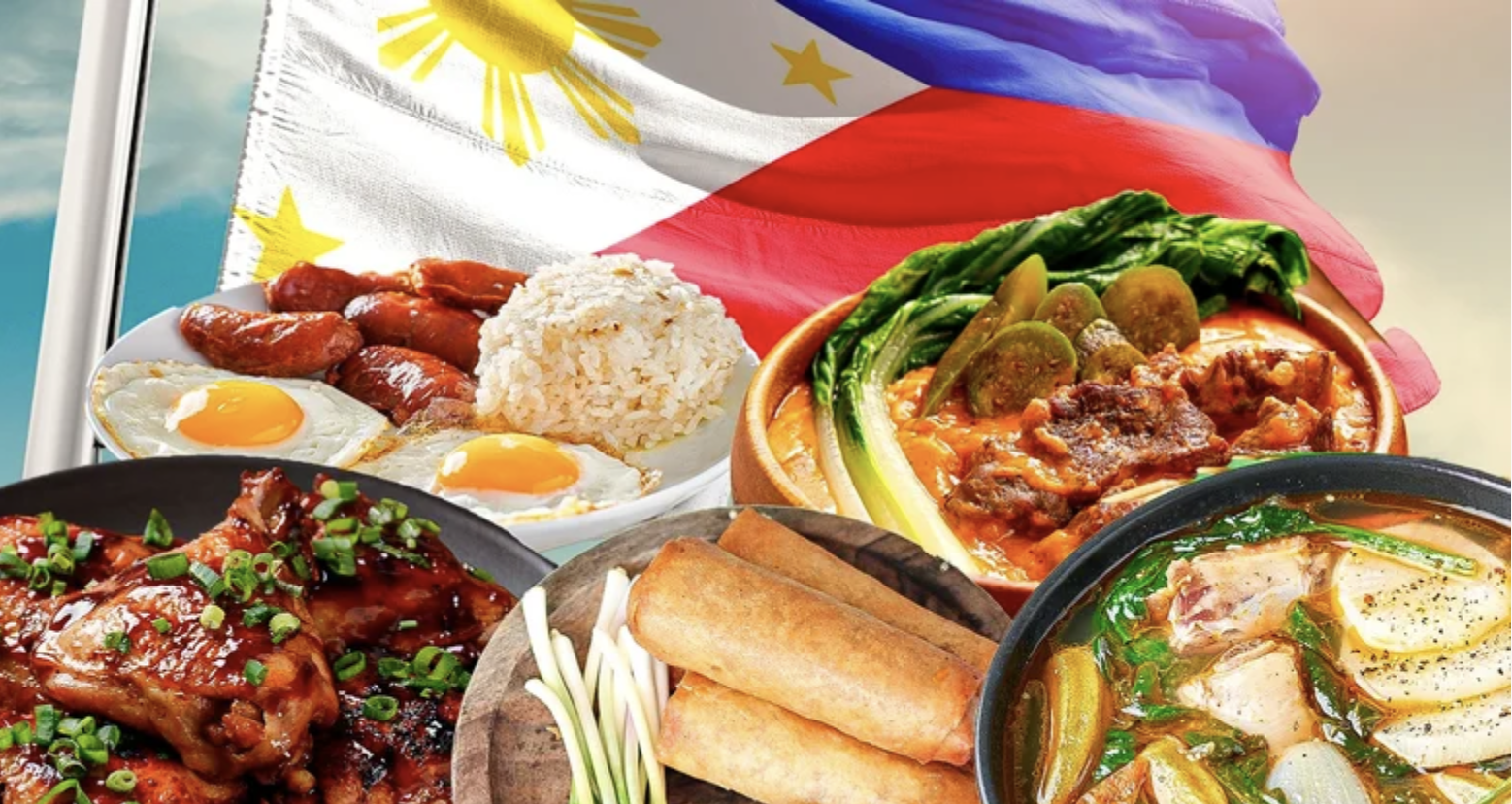
Fish balls, kwek-kwek, barbecue, isaw, banana cue, taho and countless regional specialties have long been part of the country’s food culture. What social media has changed is the speed and scale at which people can discover them.
A neighborhood stall can now become a destination.
A regional dish can find an audience in another city.
A vendor who has spent years serving the same community can suddenly receive customers who traveled specifically because they saw a video.
The presentation has changed, too. Street food that once existed primarily as an everyday snack can now be filmed, photographed and discussed with the same enthusiasm usually reserved for restaurants.
That does not necessarily make the food more sophisticated.
It makes the discovery more visible.
The algorithm has a taste
The algorithm does not understand food in the way people do. It does not know whether a recipe is authentic, whether a vendor has been cooking for 20 years or whether a dish represents a particular regional tradition.
It responds to engagement.
Views, watch time, shares, comments, saves and replays all help determine what people see next. Food happens to perform particularly well because it can create an immediate emotional reaction.
A crispy texture, an oversized serving, a dramatic cheese pull, a sizzling grill or a brightly colored dessert can stop someone from scrolling.
But that is only the beginning.
The video may win the click. The food has to win the customer.
When a viral video changes a neighborhood
The effects of food virality can extend beyond a single business.
A popular food destination can bring more customers to surrounding stalls. New vendors may open nearby. Parking and transportation patterns can change. Local businesses can benefit from the increased foot traffic.
This is one reason food trends can become small-scale economic stories.
A viral post may look like entertainment, but the person watching it can become a paying customer. That customer buys food, perhaps orders drinks from another vendor and shares the experience with friends.
The digital economy and the physical economy meet in that moment.
A view becomes a visit.
A comment becomes a purchase.
A recommendation becomes a queue.
The real test begins after the views
For vendors, the most important question is what happens after the viral moment fades.
Can they maintain the quality that attracted customers in the first place? Can they manage larger volumes without losing what made the business special? Can they turn curious first-time visitors into regular customers?
These questions matter because social media attention is temporary by nature.
What fills everyone’s For You page this week may be replaced by something completely different next week.
That is why the strongest food businesses use virality as an introduction rather than relying on it as their entire strategy.
A viral video can bring people through the door.
Good food, fair prices, consistent service and a memorable experience are what make them return.
The human side of going viral
It is easy to look at a viral food stall and assume the success happened overnight.
The video might have taken only 30 seconds to watch. The line might have appeared within a day. The comments may suddenly be filled with people tagging friends and asking for the location.
But the business behind that moment may have been there for years.
There is usually a vendor who wakes up early to prepare ingredients, a family that invested savings into a small operation, a cook who has spent years perfecting a recipe or an entrepreneur who took a risk on a food concept.
Social media does not necessarily create that story.
It makes the story visible.
And that distinction is important because food culture is ultimately about people as much as it is about dishes.
From street corner to the ‘For You Page‘
Filipino food culture has always been built around discovery. We ask friends where to eat, bring visitors to our favorite places and argue over who makes the best version of a familiar dish.
TikTok has not replaced that behavior. It has simply amplified it.
A recommendation that once traveled through a small circle of friends can now reach thousands of people. A stall that once relied on neighborhood customers can suddenly attract food lovers from across the city.
Fusion Alley and similar food destinations are part of this broader shift, where eating and sharing the experience have become closely connected.
But behind every viral moment is still a person who has to wake up the next morning and prepare the food.
The algorithm can create curiosity, but it cannot guarantee a great meal.
A viral video may bring people to the table, but it is the food, the story and the people behind it that give them a reason to come back.