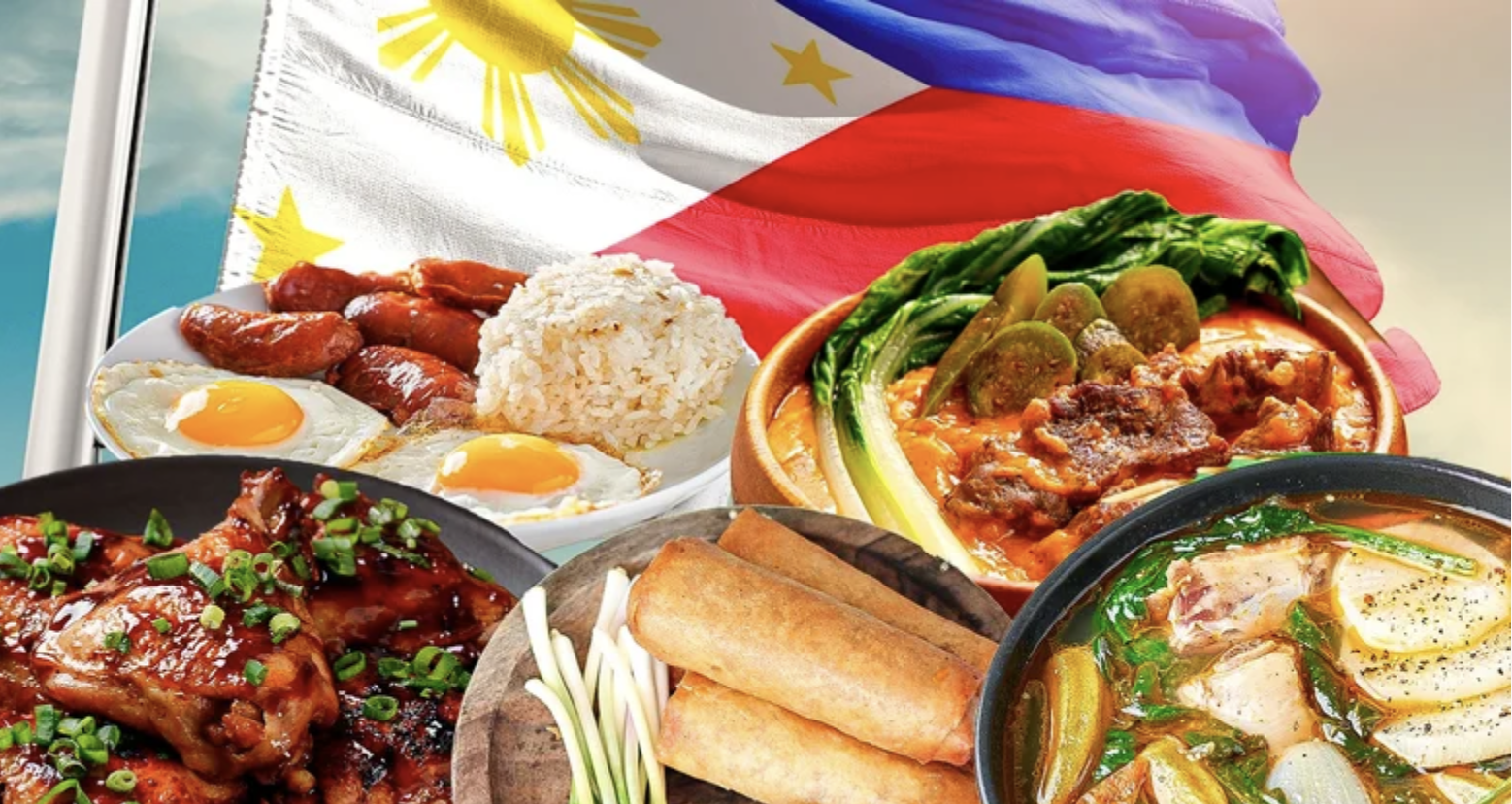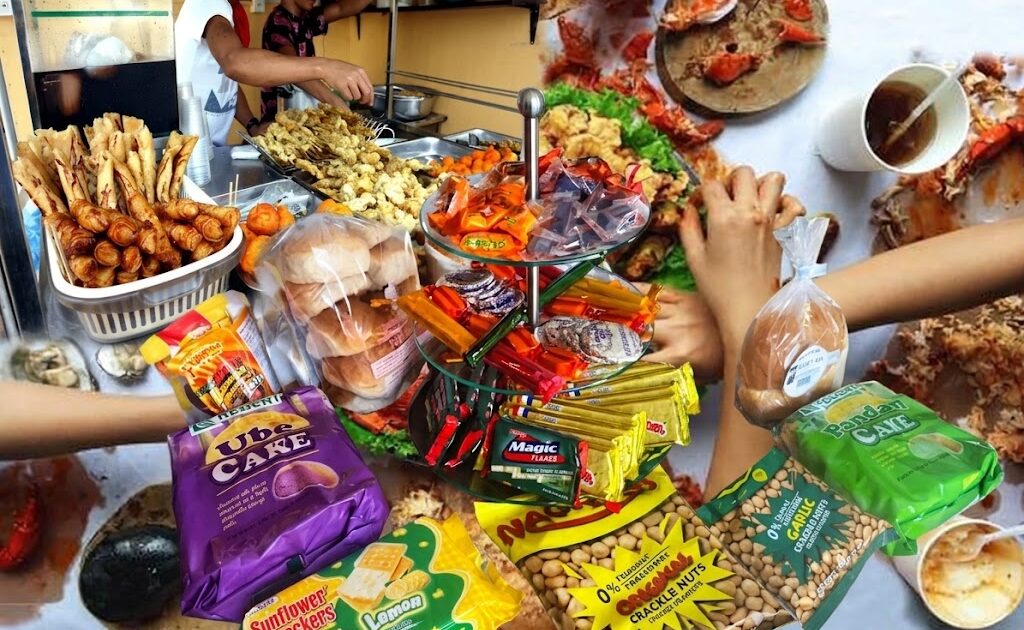
Pinoy comfort snacks, from the soupy sinigang to the savory lechon, have long been a staple of Philippine culture. But beyond the dishes served at the dining table, another category holds a special place in the hearts of Filipinos: merienda.
These familiar snacks, often enjoyed simply to tide us over between meals, are now being taken to the next level.
Local culinary creators are finding creative ways to elevate these nostalgic favorites while keeping the flavors and memories that make them special.
While many of these snacks are perfectly enjoyable on their own, experimenting with different ingredients and combinations gives familiar favorites a fresh twist.
A brief background on Pinoy comfort snacks
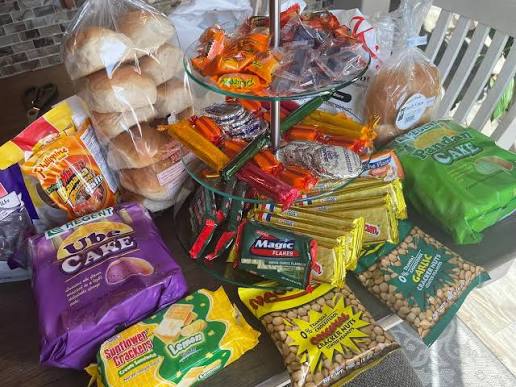
IMAGE CREDIT: istockphotos
The story behind these flavorful treats can be traced, in part, to the word we use for them.
Philippine merienda is commonly associated with the Spanish word “merienda,” which means a light meal or snack. The tradition is not unique to the Philippines, as merienda is also common in countries such as Spain, Portugal, Italy, Argentina, Croatia, Morocco, and Brazil.
In the Philippine context, the practice is widely understood to have been influenced by the country’s Spanish colonial history.
For Filipinos, merienda is more than just a quick bite. It is often enjoyed in the middle of the day to satisfy hunger between major meals, whether that means a simple pandesal and coffee, a plate of pancit, or a sweet treat from the neighborhood bakery.
Taking familiar favorites to the next level
The rise of the internet and social media has also given rise to a new generation of culinary creators, who continue to find ways to put their own spin on familiar Filipino food.
During the coronavirus pandemic in 2020, when much of the world was under lockdown, social media became a hub for home cooks and food creators sharing recipes.
Filipino merienda favorites were among the dishes that received modern makeovers, with recipes designed to be easy to prepare while appealing to younger audiences.
Some of the creative twists that emerged include:

IMAGE CREDIT: Kitchen Inspirations by Eva Taylor 2023
- Dalgona coffee ice cream cake – Filipinos have long enjoyed ice cream cakes as an easy and relatively affordable alternative to traditional cakes. This version combines the frozen dessert with dalgona coffee, the whipped coffee trend that took social media by storm during the pandemic.
- Oreo popsicle ice cream – This DIY treat turns Oreo cookies into popsicles, with the cookie packaging itself used as a simple mold. It is an example of how familiar ingredients can be transformed into something fun with very little effort.
- Toyo (soy sauce) ice cream – A combination that may sound unusual at first, but the salty kick of soy sauce paired with sweet vanilla ice cream creates a flavor reminiscent of sea salt or salted caramel.
- Turon with ube (or ChocNut) – The classic banana-filled turon gets a sweeter upgrade with the addition of ube, ChocNut, or even cheese. The result is a familiar merienda with an extra layer of flavor that appeals to those looking for something beyond the traditional recipe.
Evolving, but staying rooted
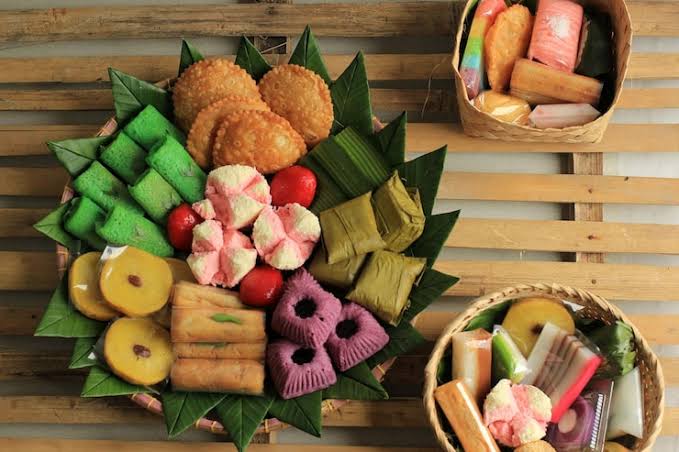
IMAGE CREDIT: Vecteezy
Merienda is more than something Filipinos eat between meals. It is part of everyday life and, for many, a small connection to the food and memories they grew up with.
While Pinoy comfort snacks — and Filipino comfort food in general — continue to evolve, they still retain the familiar flavors and feelings that make them recognizable. At the same time, new combinations allow culinary creators to experiment and introduce these favorites to a younger generation.
Perhaps that is what makes modern Pinoy comfort snacks worth exploring. Reinventing a familiar dish does not necessarily mean leaving its roots behind. Instead, these variations give well-loved flavors another way to connect with younger Filipinos while keeping the memories memories attached to them alive.
For culinary creators, reinventing these snacks is not simply about creating something new. It can also be a way of sharing the appreciation, nostalgia, and memories tied to the food they grew up eating.
After all, food traditions do not always stay the same. Sometimes, they remain relevant precisely because people find new ways to enjoy them.