There is a particular satisfaction in imagining a MICHELIN inspector sitting on a plastic stool, waiting for a plate of food from a roadside stall.
For many Filipinos, there is something quietly vindicating about the image. The places we have long considered part of everyday life are now being examined by one of the world’s most recognized culinary institutions.
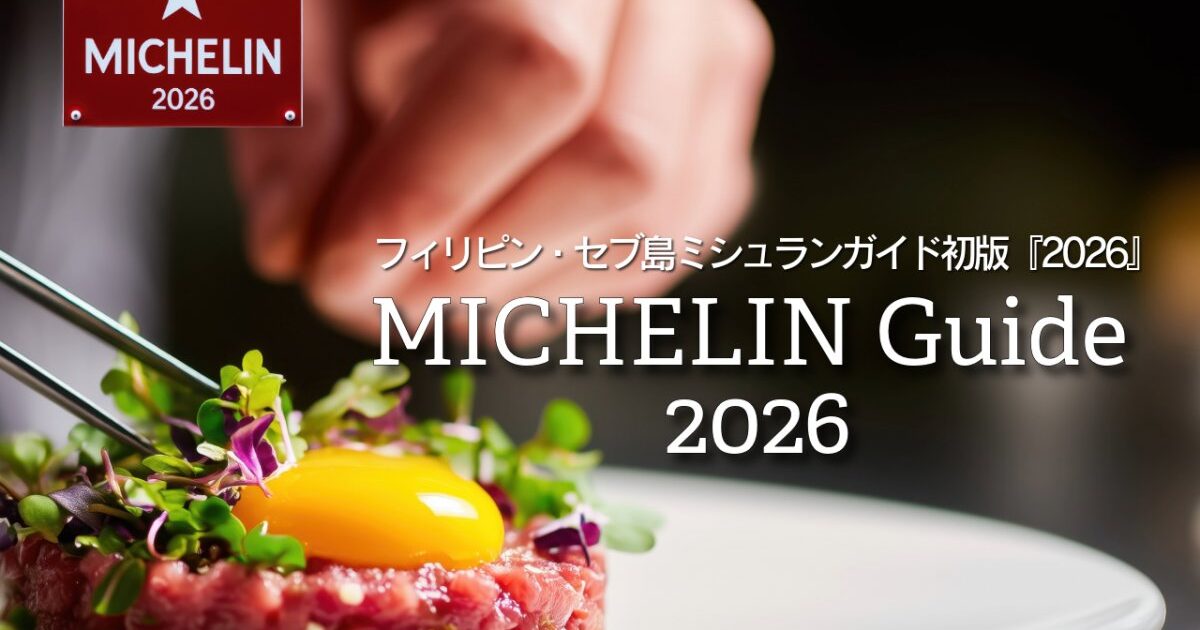
The MICHELIN Guide Philippines selected more than 100 restaurants and street-food establishments in its first Philippine edition, bringing together everything from established dining rooms to humble neighborhood food spots.
But the significance of the list goes beyond the number of restaurants recognized.
More than a list of restaurants
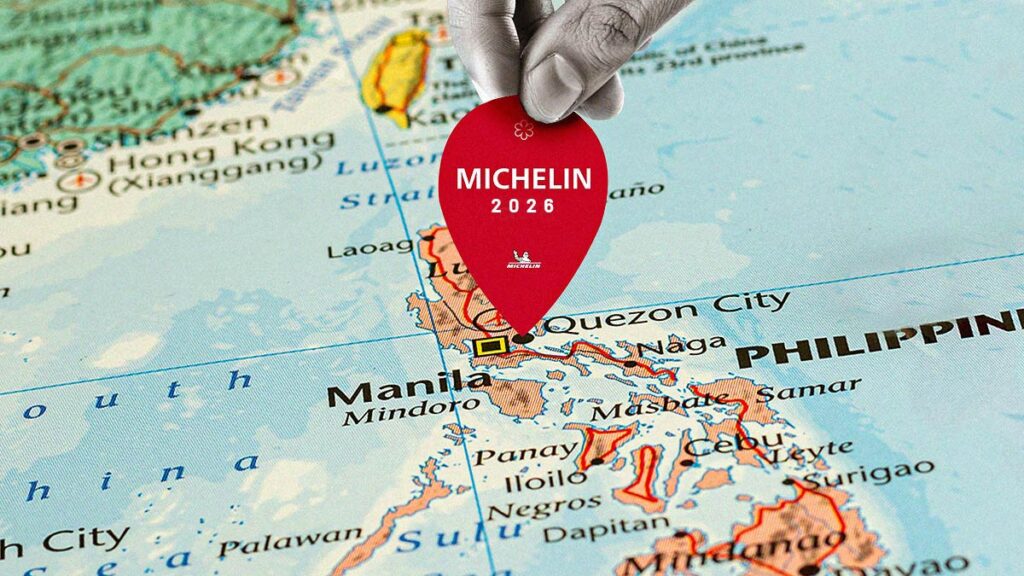
IMAGE CREDIT: The MICHELIN Guide
The MICHELIN Guide is often treated like a scoreboard, with diners immediately looking for stars, awards, and names to add to their next restaurant itinerary.
But its Philippine debut can also be read as something bigger: a statement about what Filipino food deserves to be taken seriously.
A charcoal grill operated by the same family for decades and a carefully choreographed tasting menu may look worlds apart. Yet both can represent the same thing — food made with skill, consistency, identity, and a deep connection to place.
That is particularly interesting in the Philippines, where some of the country’s most memorable food experiences have traditionally happened outside formal restaurants.
The guide’s arrival puts those different dining experiences on the same culinary map.
What MICHELIN saw in Filipino kitchens

IMAGE CREDIT: The MICHELIN Guide
One of the most interesting aspects of the selection is the confidence with which Filipino cooking is being presented.
Young chefs are reinterpreting familiar ingredients and techniques. Regional and heirloom produce is finding its way into city kitchens. Pop-ups and independent food concepts are increasingly being treated as serious culinary ventures rather than temporary experiments.
Fermentation also appears repeatedly across Filipino cooking — something that may sound fashionable in international culinary circles but is hardly new to Filipino households.
From buro to other fermented preparations passed down through generations, the technique has long been part of the country’s food culture. What is changing is the attention being given to it.
The MICHELIN recognition gives chefs an opportunity to place these ingredients and traditions in front of diners who may not have encountered them before.
Recognition can change a restaurant’s reality
But recognition also comes with consequences.
A MICHELIN mention can bring new customers, greater visibility, and potentially stronger business. For a small restaurant or street-food vendor, however, sudden attention can also create challenges.
A stall that has served the same neighborhood for decades may suddenly face long queues. A small kitchen may struggle to keep up with demand. Ingredients and manpower that were manageable at a smaller scale can become more difficult to sustain.
For independent food businesses, the question is not simply whether recognition brings more customers.
It is whether they can grow without losing the qualities that made people notice them in the first place.
That is worth watching as the Philippine guide develops.
The real test comes after the recognition
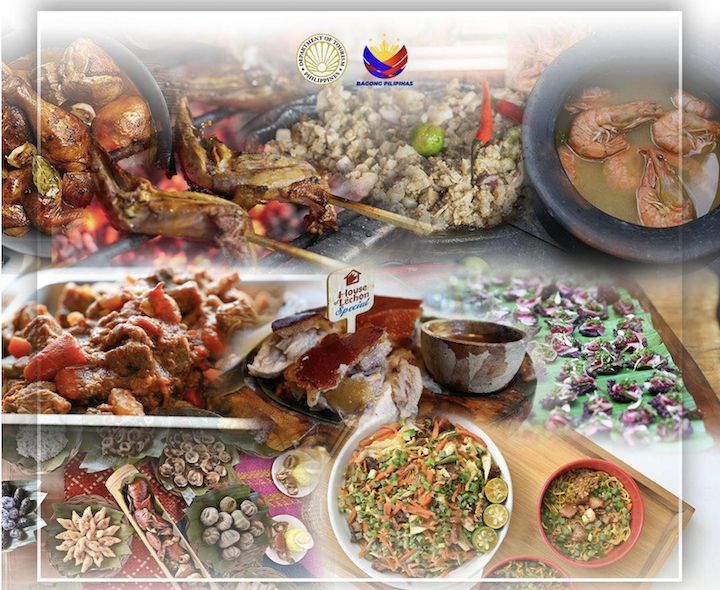
IMAGE CREDIT: DOT
A bigger conversation about Filipino food
The first MICHELIN Guide Philippines selection is therefore more than a collection of restaurants.
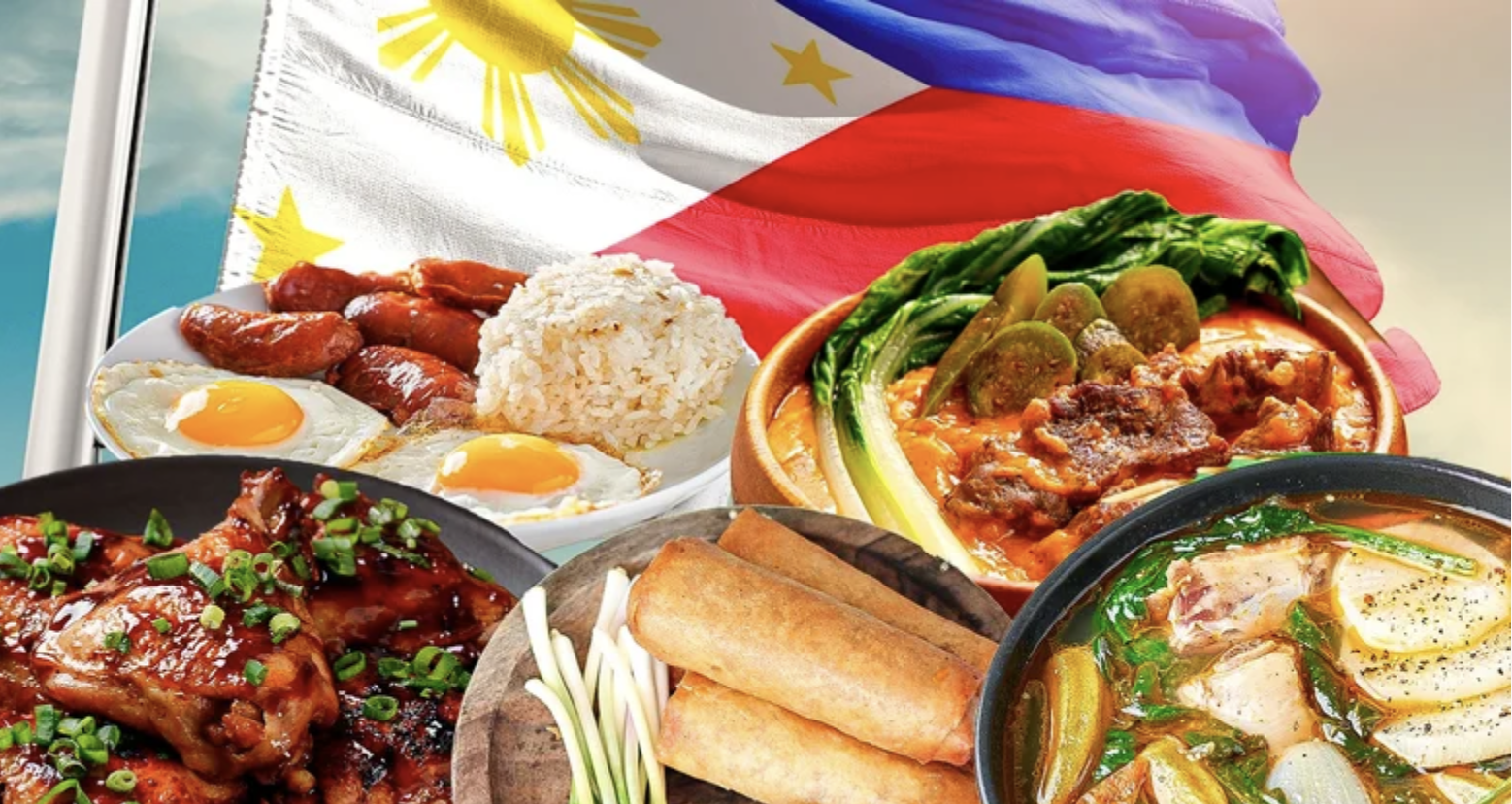
It opens a wider conversation about what Filipino cuisine is, where it can be found, and whose food traditions deserve a place on the global culinary map.
The answer may not always be found in an elegant dining room.
Sometimes, it is sitting on a plastic stool, waiting for the next plate.
And perhaps that is exactly where the conversation about Filipino food should begin.