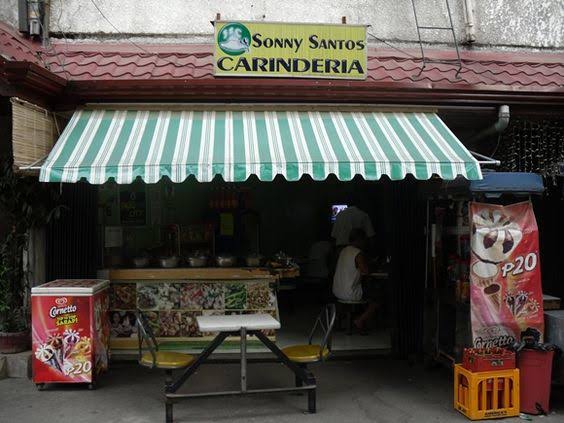
Walk into almost any neighborhood in the Philippines, and chances are you’ll find a carinderia tucked between sari-sari stores, busy streets, or residential areas.
The humble eatery has long been a staple of Filipino communities, serving hearty home-cooked dishes at prices that won’t break the bank.
But today, the local eatery scene is experiencing something of a renaissance.
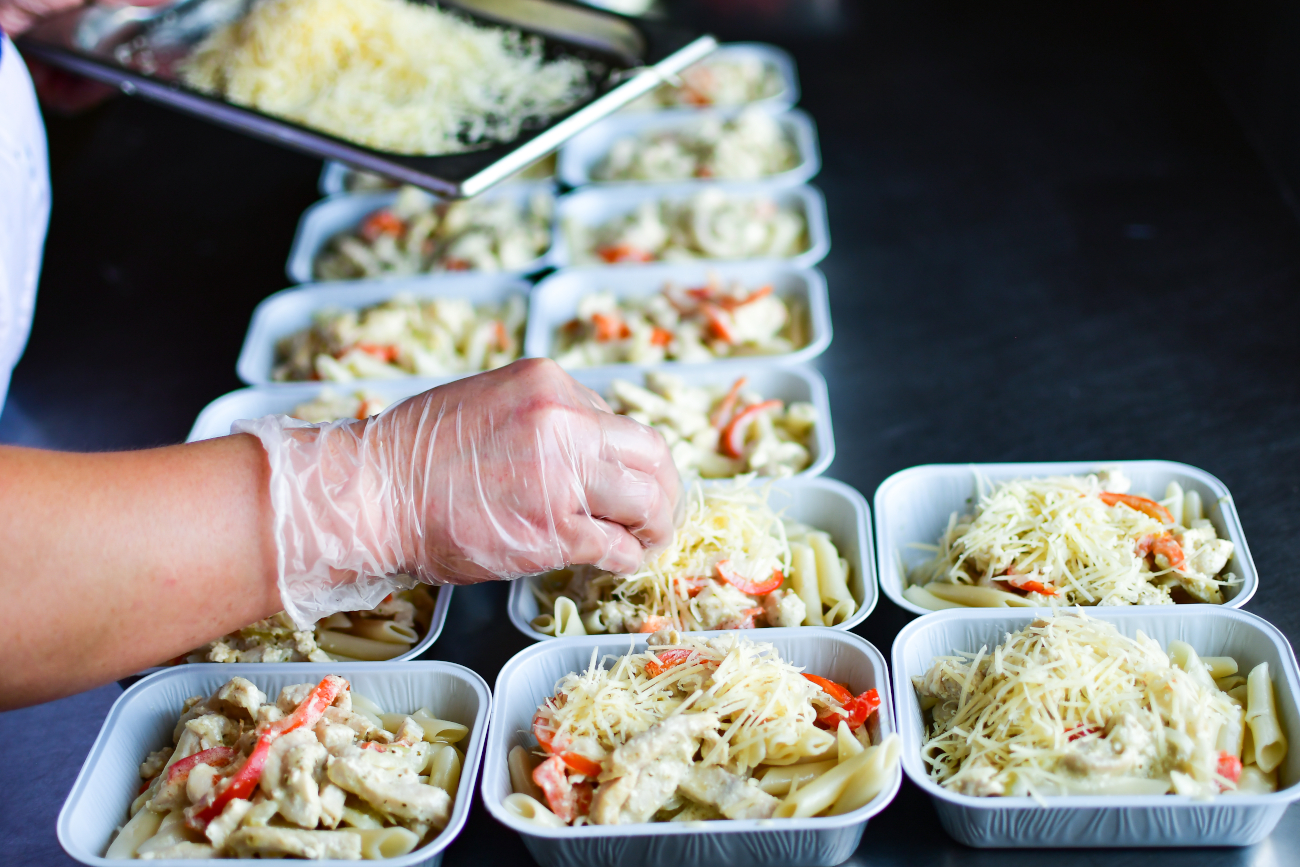
IMAGE CREDIT: Lokafy
As food prices continue to rise and more Filipinos become mindful of their daily expenses, these neighborhood eateries are once again becoming the go-to choice for workers, students, families, and even young professionals.
What’s changing isn’t just the menu — it’s how carinderias are adapting to modern dining habits while staying true to their roots.
Affordable meals that feel like home
For many Filipinos, eating at a budget eatery isn’t simply about spending less. It’s about enjoying meals that taste familiar.
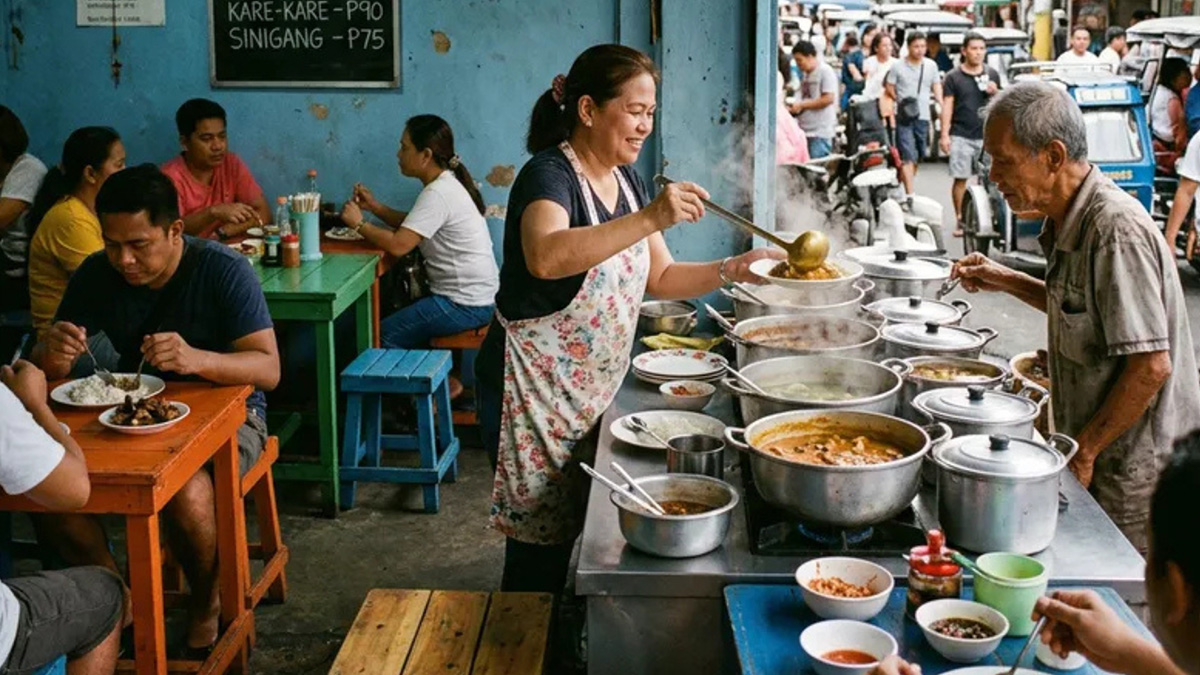
Feeding a nation, one budget meal at a time. (IMAGE CREDIT: Simpol.ph)
Unlike fast food chains that often rely on standardized recipes, carinderias serve dishes many Filipinos grew up eating at home. From adobo and sinigang to ginataang gulay and paksiw, the menu changes daily depending on fresh ingredients and what’s available in local markets.
As inflation affects grocery prices and restaurant costs, these affordable Filipino meals provide comfort without sacrificing quality or flavor. Many diners appreciate that they can enjoy a complete meal with rice and a viand for far less than they would pay at larger restaurant chains.
Modern neighborhood eateries are evolving
Today’s Philippine carinderias aren’t exactly the same as they were a decade ago.
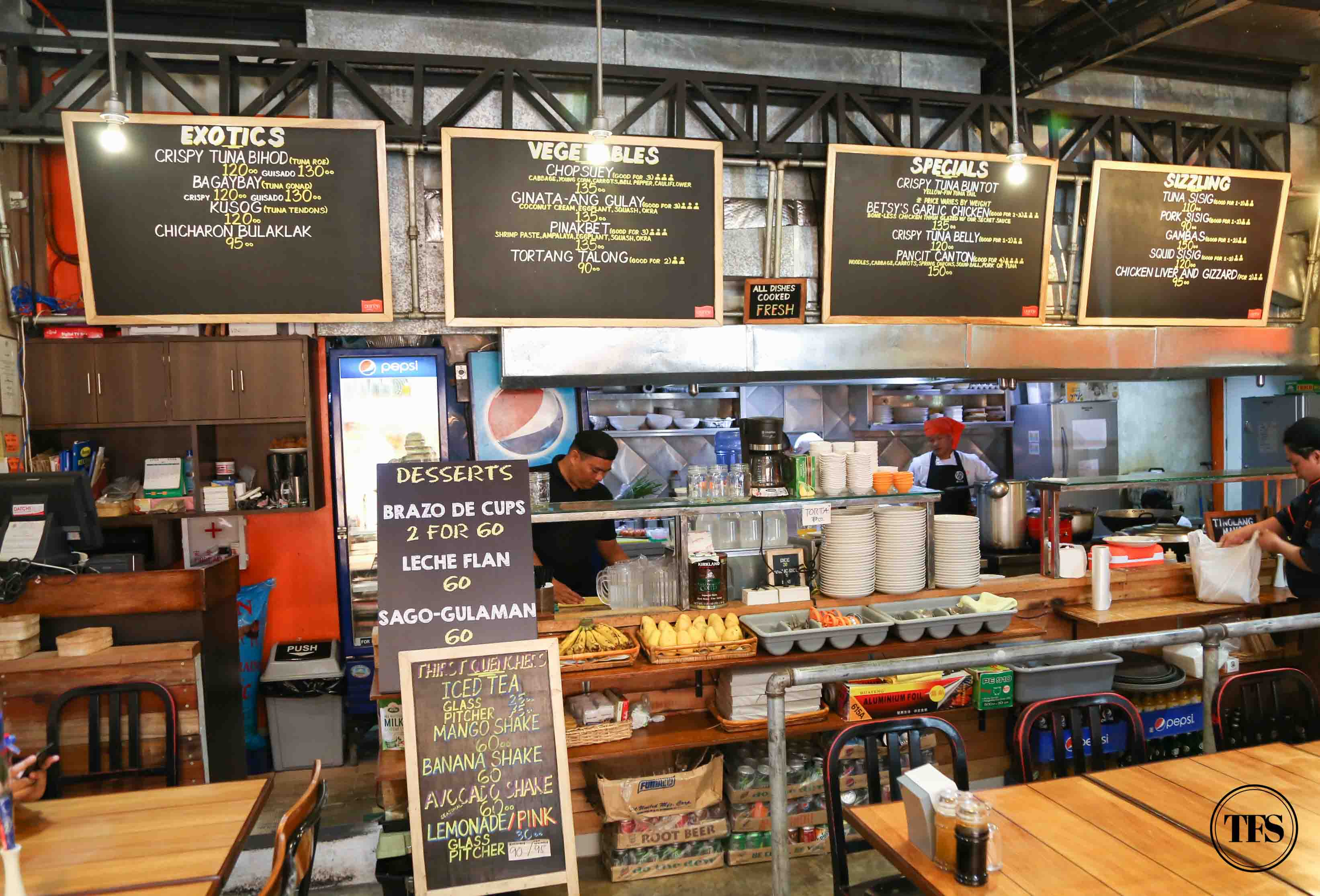
Orange Karenderia in Cebu, an example of a modern eatery. (IMAGE CREDIT: The Food Scout)
Many owners have invested in cleaner interiors, brighter dining spaces, improved food presentation, and better sanitation practices. Some even embrace minimalist café-inspired designs that appeal to younger customers looking for an authentic yet comfortable dining experience.
Technology has also found its way into neighborhood eateries. More carinderias now accept QR payments through digital wallets, making cashless transactions easier for customers. Others actively promote their daily specials on Facebook, TikTok, and Instagram, turning simple home-cooked meals into viral recommendations.
These improvements show that tradition and innovation can coexist without losing the warmth that makes carinderias unique.
Social media is giving local eateries new life
Social media has become an unexpected ally for many local eateries across the Philippines.
IMAGE CREDIT: Nutritics
Food creators and vloggers regularly spotlight hidden carinderias serving oversized portions, secret family recipes, or regional specialties. A single viral video can attract hundreds of new customers eager to discover authentic Filipino cooking outside shopping malls.
This digital exposure has helped many family-owned businesses compete with larger restaurant brands while preserving recipes passed down through generations. For travelers, these recommendations also offer a chance to experience the local food culture in a more authentic way.
Preserving traditional Filipino food one plate at a time
Carinderias do more than satisfy hunger; they help preserve Filipino culinary heritage.
Many recipes served today have remained largely unchanged for decades, reflecting regional cooking techniques and family traditions.
In a dining landscape increasingly influenced by global food trends, these humble establishments continue to celebrate traditional Filipino food through everyday meals that generations recognize and love.
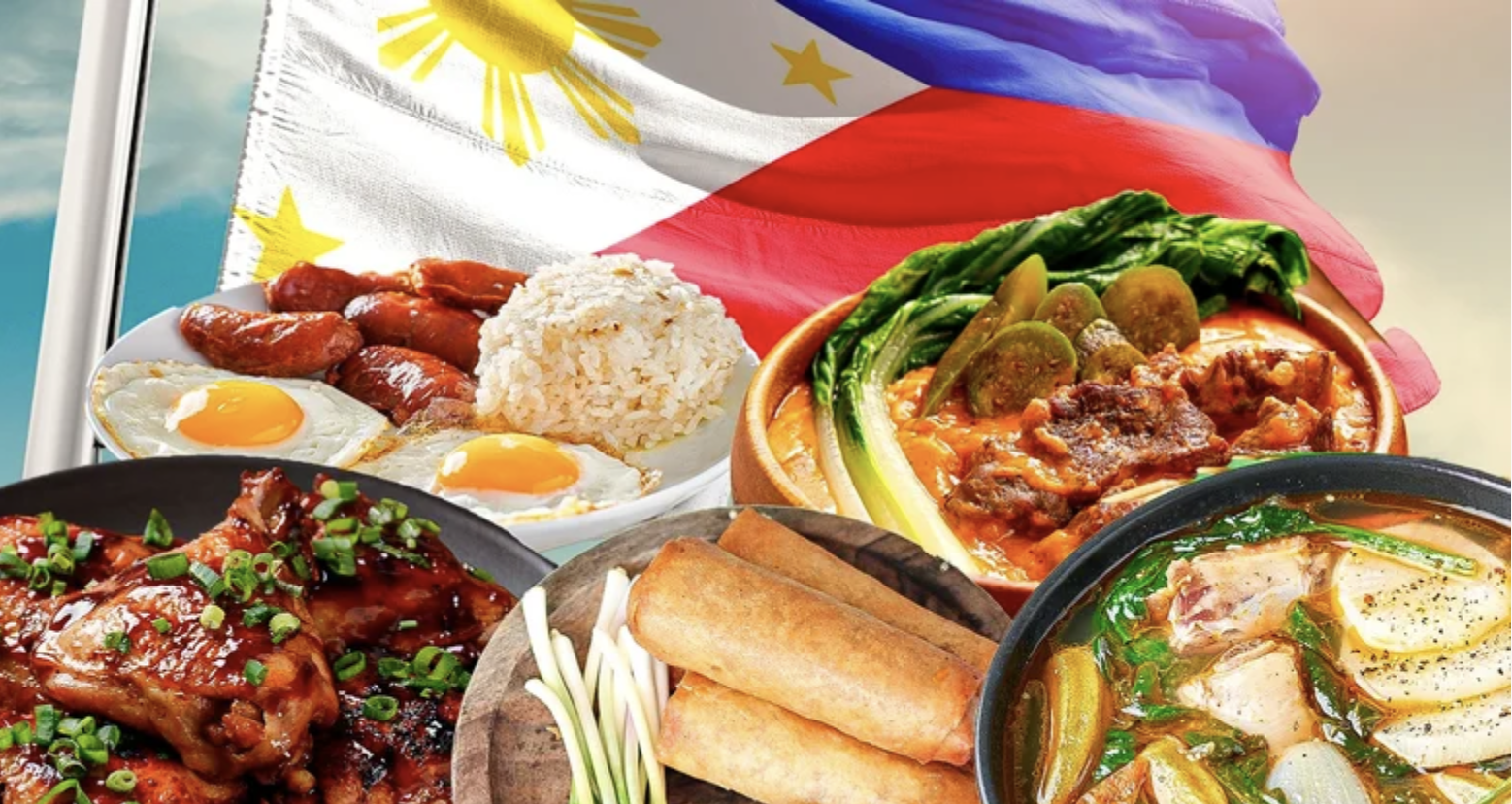
IMAGE CREDIT: Pinas Cuisine
Whether it’s kare-kare on a Sunday, monggo on a Friday, or a steaming bowl of tinola on a rainy afternoon, these dishes tell stories about Filipino households, communities, and shared experiences.
Why carinderias continue to matter
As consumers look for better value, authentic flavors, and meaningful dining experiences, the Filipino carinderia remains as relevant as ever.
Its success isn’t built on expensive interiors or elaborate marketing campaigns. Instead, it comes from consistency, affordability, and the simple joy of serving food that feels like home.
In an era when dining trends come and go, the neighborhood carinderia proves that some of the best meals are still the simplest ones.
By embracing digital payments, social media, and more welcoming dining spaces while staying true to its roots, the Filipino carinderia continues to evolve — one comforting plate at a time.