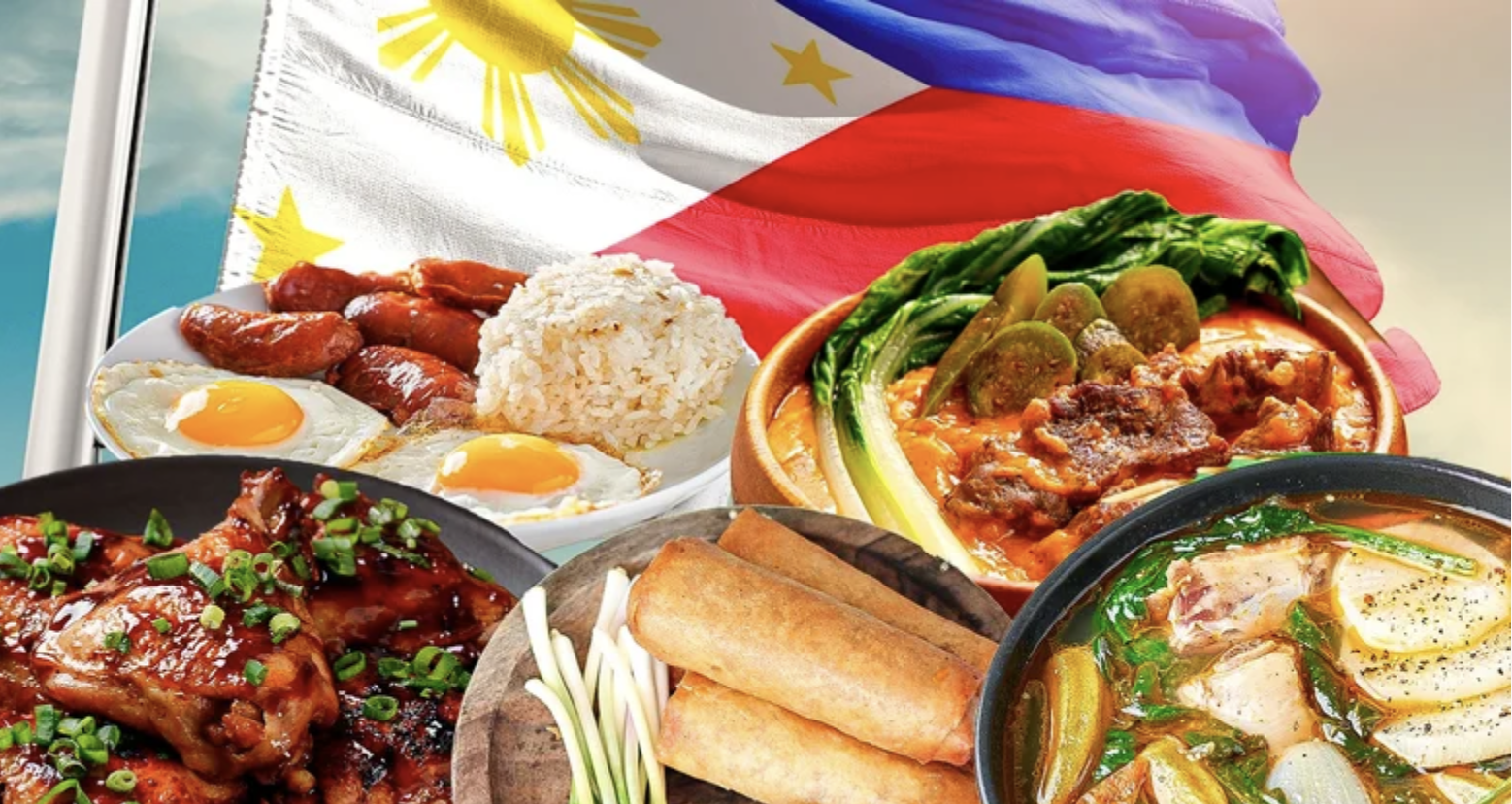
Filipino cuisine is no longer just about deciding between adobo, sinigang, or lechon. In 2026, what is happening on Filipino tables reflects a bigger shift in how people discover, order, cook, and experience food.
Regional ingredients are getting more attention, familiar dishes are being reworked with contemporary techniques, and diners are becoming more interested in where their food comes from. At the same time, health, sustainability, nostalgia, and the overall dining experience are becoming part of the conversation.
/elle-india/media/media_files/2025/01/15/JFtLkSJJALSWdrOKPyO7.jpg)
The shift is also happening as the Philippines enters what food industry observers describe as a new MICHELIN-era dining culture. Experts have pointed to regional flavors, intentional eating, health-conscious choices, smaller menus, and more experiential dining as key directions for the country’s food scene in 2026.
Regional Filipino Food Is Finally Getting Its Spotlight
For years, Filipino cuisine was often presented internationally through a relatively small group of familiar dishes. But the Philippines has always had a much bigger food story.

In 2026, regionalism is becoming one of the strongest ways that chefs and restaurants are exploring Filipino identity. Instead of treating Filipino cuisine as one uniform category, more attention is being given to the ingredients, recipes, techniques, and traditions that make each region different.
Recent discussions around the future of Filipino cuisine have emphasized that the country’s culinary identity is shaped by diverse regional stories rather than a single national food narrative.
That means dishes and ingredients from areas outside the usual Manila food circuit have more room to enter the spotlight.
Translation: Filipino food is getting less generic and more specific. And honestly, it’s about time.
Modern Filipino Doesn’t Mean Forgetting Tradition
Another trend shaping 2026 is the reinterpretation of Filipino classics.
Chefs are taking dishes that feel familiar and giving them new techniques, presentations, textures, or ingredients while keeping their Filipino identity intact. The goal isn’t necessarily to make Filipino food unrecognizable. Instead, it is about showing how much potential already exists within the cuisine.

Food experts interviewed by PhilSTAR L!fe noted that nostalgia is expected to play a bigger role, with classic recipes being revived using better ingredients and refined techniques.
This is where the old and new versions of Filipino food can coexist. Your grandmother’s recipe can inspire a tasting menu, while a classic merienda flavor can find a new life in a café.
And that balance between familiarity and creativity may be exactly what younger diners are looking for.
The “Healthy but Still Masarap” Era
Health-conscious eating is also becoming harder to ignore.
For many Filipinos, eating healthier does not necessarily mean giving up flavor or completely abandoning comfort food. Instead, diners are becoming more conscious about portions, ingredients, preparation, and how food fits into their overall lifestyle.
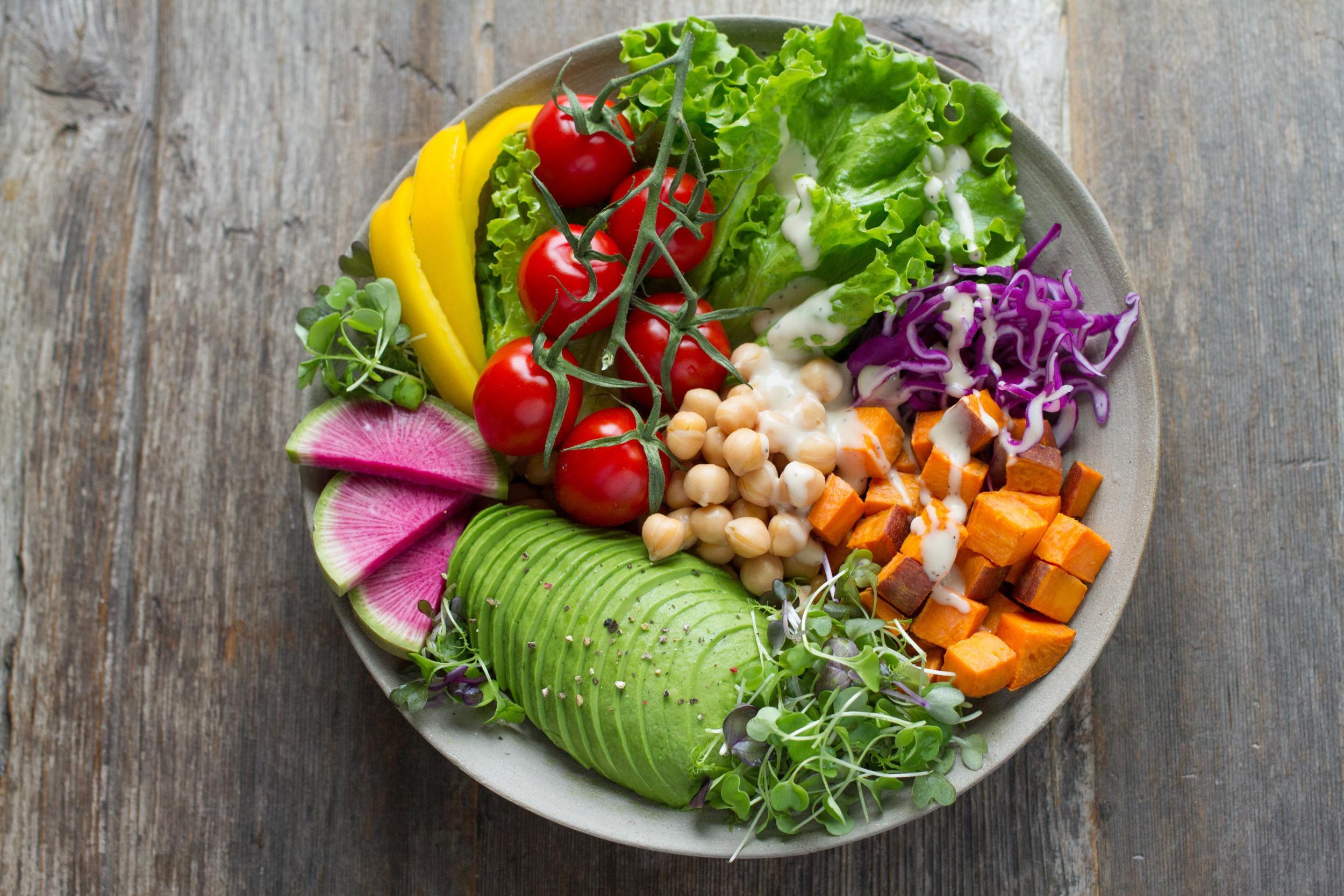
Chef Chele Gonzalez told PhilSTAR L!fe that Filipino diners could become more conscious about health and portions in 2026, while other food industry experts expect more healthy choices across restaurants and cafés.
The rise of functional and alternative foods is also visible in the local food industry. At THAIFEX-Anuga Asia 2026, Filipino food companies showcased products centered on healthier and more sustainable choices, including alternative proteins and functional foods.
Basically, the vibe is no longer “healthy or masarap.”
It’s increasingly “healthy AND masarap.”
Nostalgia Is Back, But With a Glow-Up
There is something comforting about food that reminds you of home. In 2026, that nostalgia is being transformed into a more polished dining experience.
Classic Filipino flavors are appearing in modern formats, while familiar ingredients are being used in desserts, drinks, snacks, and contemporary dishes.
Ube is an obvious example. Once strongly associated with traditional Filipino desserts, the purple yam has expanded into gelato, lattes, shakes, pastries, and other modern creations.
Other Filipino ingredients such as calamansi, tablea, and coconut vinegar are also gaining international attention as chefs and food makers explore flavors beyond the usual global trends.
The result is a food culture where nostalgia does not necessarily mean staying in the past.
Sometimes, it means taking something familiar and giving it a 2026 update.
Smaller Menus, Bigger Experiences
More food does not automatically mean a better dining experience.

Food industry experts expect smaller, more focused menus to become increasingly common as restaurants prioritize consistency, quality, and stronger identities.
This also connects with the rise of experiential dining. Instead of simply going out to eat, diners are increasingly interested in the story behind the food, the atmosphere, the chef’s concept, and the experience they can take away from the meal.
That could mean tasting menus, intimate chef’s counters, pop-ups, collaborations, curated Filipino food journeys, or restaurants built around a specific regional identity.
In short, dinner is becoming less “What should we eat?” and more “What experience are we getting tonight?”
Fermentation and Preservation Are Getting Their Moment
Techniques that have long been part of Filipino food traditions are also finding new relevance in contemporary kitchens.
Fermentation and preservation can deepen flavors while connecting modern cooking to traditional Filipino methods. Their growing use also reflects a wider interest in local ingredients, sustainability, and making the most out of what producers and farmers have available.
The broader 2026 culinary conversation is increasingly focused on provenance, seasonality, respect for ingredients, and food that feels rooted in culture and memory.
What might once have been considered an old-school food practice can now become part of a chef’s signature.
Local Ingredients Are Becoming the Flex
One of the most exciting shifts is the stronger emphasis on Philippine-grown ingredients.
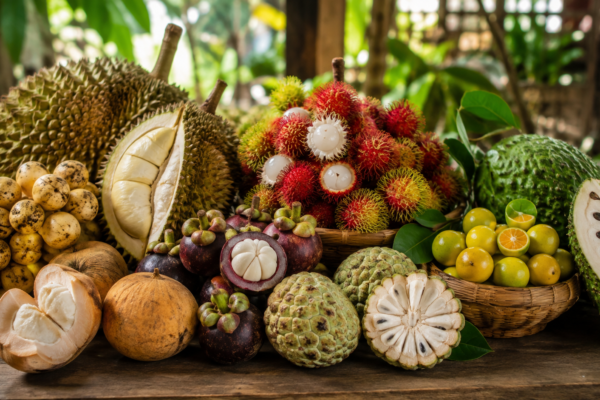
Instead of relying heavily on imported products to create a premium dining experience, chefs and food businesses are finding ways to make local produce, seafood, grains, fruits, spices, and other ingredients the stars.

This creates opportunities beyond restaurants. It can support farmers, fisherfolk, producers, and MSMEs while giving diners a stronger connection to where their food comes from.
The 2026 food industry is also seeing Filipino food products move from local markets and kitchens toward international buyers, with events such as IFEX Philippines showcasing regional ingredients and food innovations.
That makes the local ingredient itself part of the story.
Filipino Food Is Moving From Trend to Identity
The biggest food trend of 2026 may actually be less about a specific dish and more about confidence.
Filipino cuisine is becoming more comfortable telling its own story, whether through regional dishes, heirloom ingredients, modern techniques, healthier interpretations, or experiences designed around Filipino culture.
The recent gastronomic discussions in the Philippines have emphasized the importance of documenting culinary traditions, protecting local food systems, supporting producers, and preserving regional identities while allowing Filipino cuisine to evolve.
So yes, expect more creative Filipino dishes on your feed this year.
But beyond the viral food posts, the bigger movement is about knowing why a dish matters, where its ingredients come from, and what story it carries.
And if 2026 is any indication, Filipino food isn’t just following global food trends anymore.
It is starting to set its own.