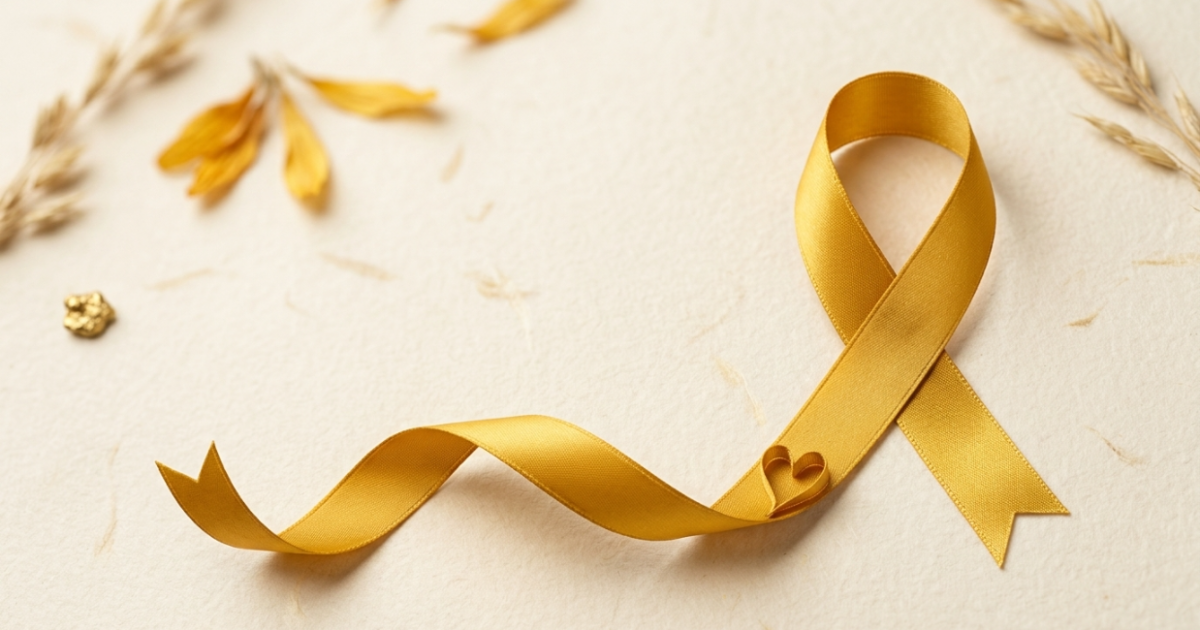
Every September, communities around the world observe Suicide Prevention Month, using the month to raise awareness, challenge stigma and encourage people to talk more openly about mental health and suicide prevention.
The observance includes World Suicide Prevention Day on September 10, which brings global attention to suicide prevention and the need for greater understanding, support and access to care. In 2026, the International Association for Suicide Prevention (IASP) and the World Health Organization (WHO) are marking the final year of the three-year theme “Changing the Narrative on Suicide,” with the call to action: “Start the Conversation.”
The theme is about moving away from silence, stigma and misunderstanding toward more open, compassionate conversations about suicide and mental health. It also calls for broader action from communities, institutions and governments to strengthen prevention and access to support.
In the Philippines, that conversation can start with two simple words: “Kumusta ka?”
We say it so often that it can sometimes sound like a greeting rather than a genuine question. But adding one small word can change the tone:
“Kumusta ka, talaga?”
That question can open the door to a conversation someone may have been afraid to start.
Your barkada can be part of the support system

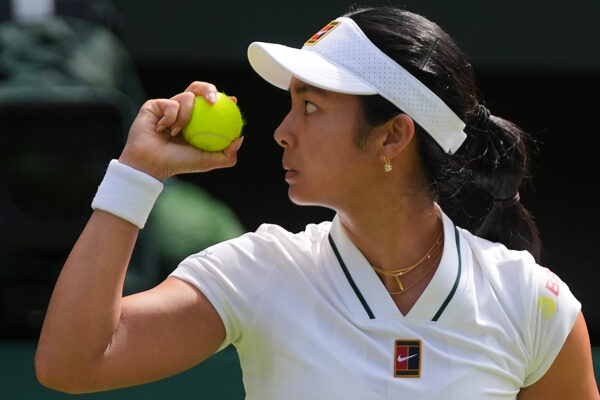
IMAGE CREDIT: Maxene Magalona
Filipinos are familiar with showing up for one another — from family group chats to friends making late-night trips to bring food to someone who is having a difficult time.
That sense of community can be an important source of support.
Sometimes, the people closest to us notice changes before anyone else does: a friend who suddenly stops responding to messages, a relative who withdraws from activities they once enjoyed, or someone whose usual jokes and conversations become noticeably quieter.
You do not need to have all the answers to check in.
Sometimes, you simply need to ask.
What to say (and what to avoid)

If someone you care about appears to be struggling, a simple and sincere conversation can be a place to start.
- Ask directly and gently: “Nakita ko parang off ka lately. Kumusta ka talaga?”
- Listen rather than immediately trying to fix the problem. Give the person space to speak without judgment.
- Avoid minimizing their feelings. Statements such as “May mas malala pa sa’yo” can make someone feel dismissed or less willing to open up.
- Stay connected. Check in again, particularly if the person has told you they are struggling.
- Help them seek professional support when needed. You do not have to handle a crisis on your own.
If someone tells you they are thinking about suicide or ending their life, take them seriously. Stay with them if it is safe to do so and help them connect with a mental health professional, crisis service or emergency support.
Save these numbers. Share them with someone who may need them.
Having crisis-support information readily available can make it easier to seek help when someone needs it.
National Center for Mental Health (NCMH) crisis hotline:
The NCMH Crisis Hotline is available 24/7. Current published numbers include:
- 1553 — toll-free crisis hotline
- 1800-1888-1553 — toll-free
- 0919-057-1553 — Smart/TNT
- 0917-899-8727 — Globe/TM
- 0966-351-4518 — Globe/TM
NCMH has published the hotline as a 24-hour service for people seeking mental health support.
Hopeline Philippines (Natasha Goulbourn Foundation)
- 2919 — toll-free for Globe/TM
The Quezon City government also lists these Hopeline numbers among its suicide-prevention resources for 2026.
In Touch Community Services
- (02) 8893-7603
- 0917-800-1123
For people outside Metro Manila, local government units and hospitals may also provide mental health and crisis-support services.
If there is an immediate danger or a person has already harmed themselves, seek emergency medical assistance or go to the nearest emergency department.
Tawag Paglaum – Centro Bisaya (Cebu, 24/7)
- Smart/Sun: 0939-937-5433 • Globe/TM: 0927-654-1629
Why September matters
Suicide Prevention Month is not simply about dedicating a month to a difficult subject.
It creates a sustained opportunity to talk about an issue that is often surrounded by stigma, misconceptions and silence. Philippine health institutions observe September as Suicide Prevention Month to promote awareness, reduce stigma and encourage communities to learn how to respond more compassionately to people experiencing mental health struggles.
World Suicide Prevention Day gives that effort a specific global moment on September 10. WHO says the day exists to raise awareness that suicide can be prevented, while IASP emphasizes the importance of open and honest conversations as part of changing the narrative.
That matters in a country where conversations about mental health can still be difficult.
Starting the conversation does not mean having the perfect words. It can mean asking a friend how they are doing—and genuinely listening to the answer.
Changing the narrative starts with listening
The 2026 World Suicide Prevention Day theme, “Changing the Narrative on Suicide,” is about more than changing the words we use. It is about changing how we respond.
That means replacing judgment with empathy, silence with conversation and isolation with connection. It also means recognizing when a situation requires professional help and making it easier for people to access that support.
So this September, ask the question.
Not just “Kumusta ka?”
But “Kumusta ka, talaga?”
And when someone answers, take the time to listen.
If you are struggling with thoughts of suicide or feel that you may be in immediate danger, please reach out to a crisis hotline, mental health professional, emergency service or someone you trust. You do not have to face the situation alone.
Sources: World Health Organization (WHO), International Association for Suicide Prevention (IASP), National Center for Mental Health (NCMH), Department of Health (DOH).