Walk into a café and there is usually music playing somewhere in the background. Maybe it is a mellow acoustic cover. Maybe it is a playlist of Filipino pop songs. Maybe it is old-school OPM that makes the place feel strangely familiar.
At a hotel, music can set the mood before a guest even reaches the room. At a resort, it can turn a sunset into an experience. At a restaurant, the right song can make a dinner feel more intimate, lively or distinctly Filipino.
We rarely think about the fact that the music itself is part of the business.
That could become an increasingly interesting conversation after the Department of Tourism announced a new partnership that will give DOT-accredited tourism establishments access to discounted rates for using music recordings.
The agreement between the DOT and Philippines Recorded Music Rights Inc. (PRM) is intended to encourage lawful music use across the tourism industry while making licensed recordings more accessible to accredited establishments. The agreement is valid for five years, until June 1, 2031.
For travelers, it might sound like a behind-the-scenes business arrangement.
But music is anything but background noise when it comes to travel.
Music can change how a place feels
How Much Is Music Licensing Fee? 2026 Costs By Use – Foxi Blog
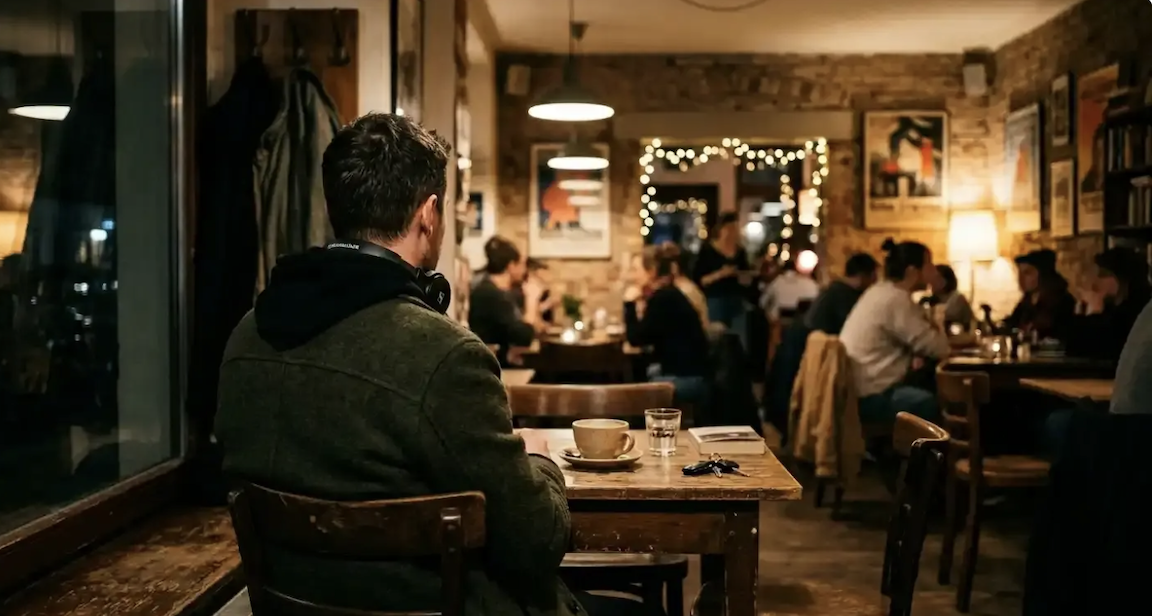
Think about your favorite café.
There is probably something about it that you remember beyond the coffee. Maybe it has warm lighting, wooden tables, a familiar smell and a playlist that somehow always seems right.
The same applies to hotels and restaurants.
A beachfront resort playing upbeat music during sunset creates a completely different atmosphere from a quiet boutique hotel playing jazz in its lobby. A Filipino restaurant filled with contemporary OPM creates a different identity from one that could be anywhere in the world.
Music helps establish the personality of a place.
That makes the DOT’s new agreement more interesting than a simple licensing discount.
If the cost and process of legally using recorded music become easier for tourism businesses, establishments may have more room to think about music as part of the experience they are intentionally creating.
For cafés, the playlist is part of the brand
For small cafés, music can be surprisingly important.
A café is selling more than coffee. It is selling an environment where people work, meet friends, read, study or spend an afternoon doing absolutely nothing.
The playlist becomes part of that environment.
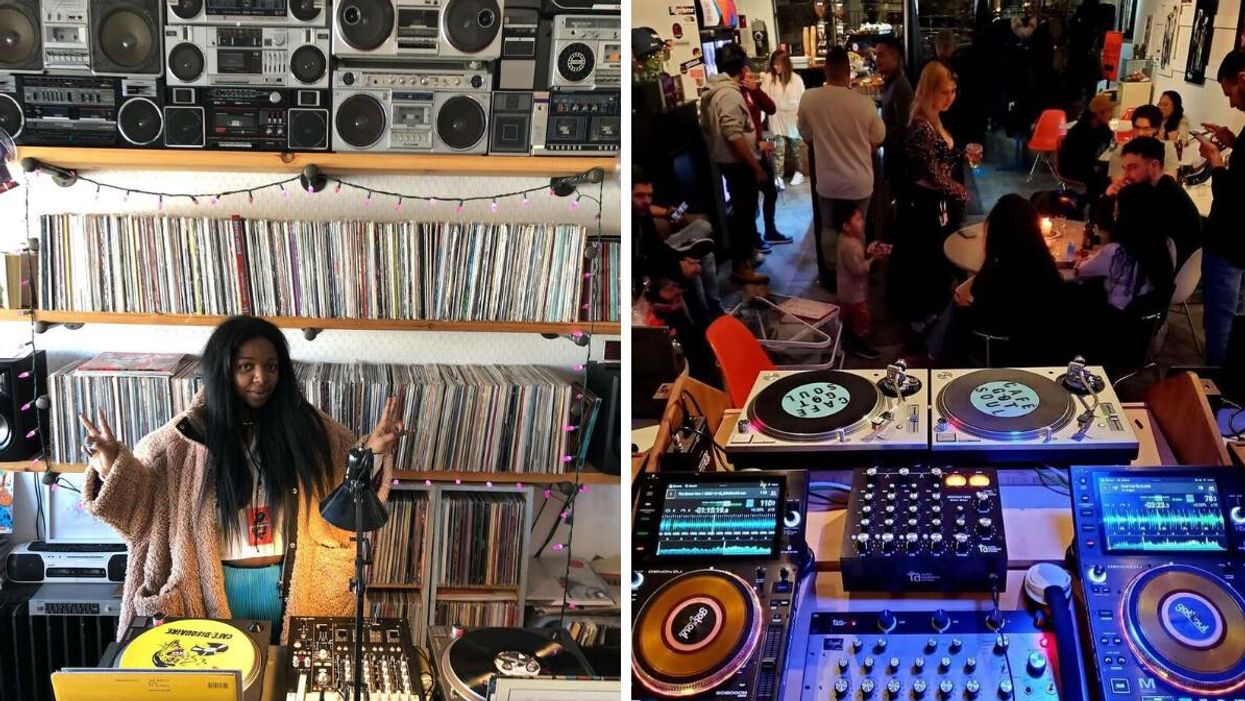
6 of the best cafés in Montreal for people who love music – MTL Blog
A neighborhood café might lean into local indie artists. A specialty coffee shop might use mellow instrumental tracks. A trendy city café might build its identity around contemporary Filipino pop.
Lower music licensing costs could make it easier for more establishments to formally incorporate recorded music into that experience while staying within the legal framework.
That matters because the music industry also has people behind those recordings who deserve to be compensated.
The PRM is an accredited collective management organization authorized to administer, license and enforce certain economic rights of its member sound recording producers and performers. The Intellectual Property Office of the Philippines lists PRM among the country’s accredited collective management organizations.
So the idea is not simply to make music cheaper for businesses.
It is to make lawful use more accessible while keeping rights holders in the picture.
Hotels have an even bigger soundscape
Hotels are perhaps one of the most interesting places to think about music.
Music can accompany a guest from the lobby to the restaurant, pool area, bar or events space. It can be energetic during breakfast, relaxed during the afternoon and more sophisticated in the evening.
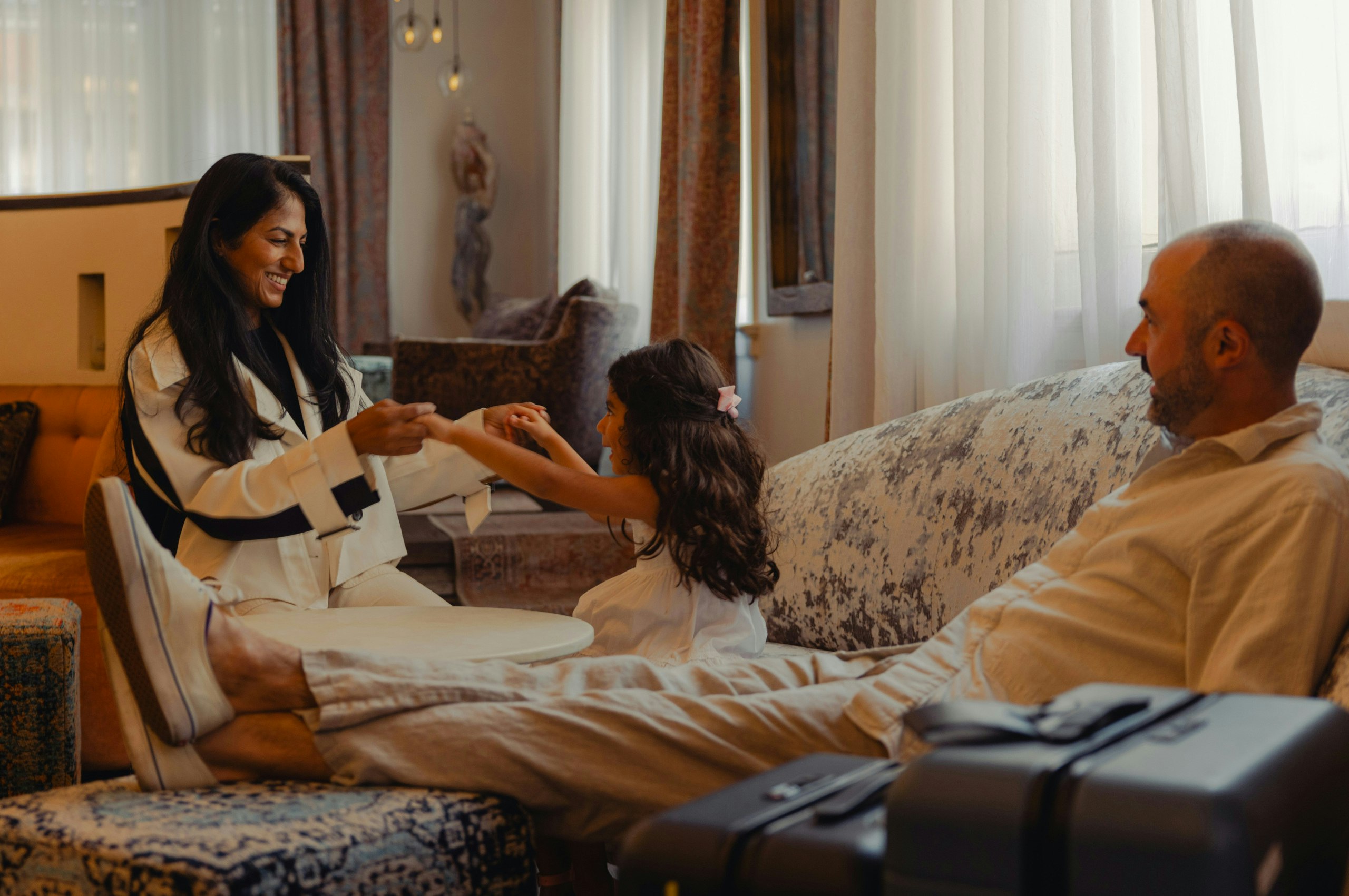
Hotel lobby music playlists that set the perfect mood
Unlike a restaurant where the experience may last an hour or two, a hotel can shape a guest’s atmosphere for an entire stay.
That gives music a subtle role in hospitality.
The best hotel experiences often involve things guests do not consciously notice. The lighting feels right. The room smells good. The staff knows when to step in and when to give guests space.
Music can work the same way.
You may not remember exactly what was playing when you checked into a hotel, but you can remember how the lobby felt.
Resorts and nightlife can take it even further
For resorts, music can become part of the destination itself.
Think of a beach bar at sunset, a poolside afternoon, a weekend event or a restaurant overlooking the ocean.
Music can determine whether the space feels calm, romantic, energetic or celebratory.
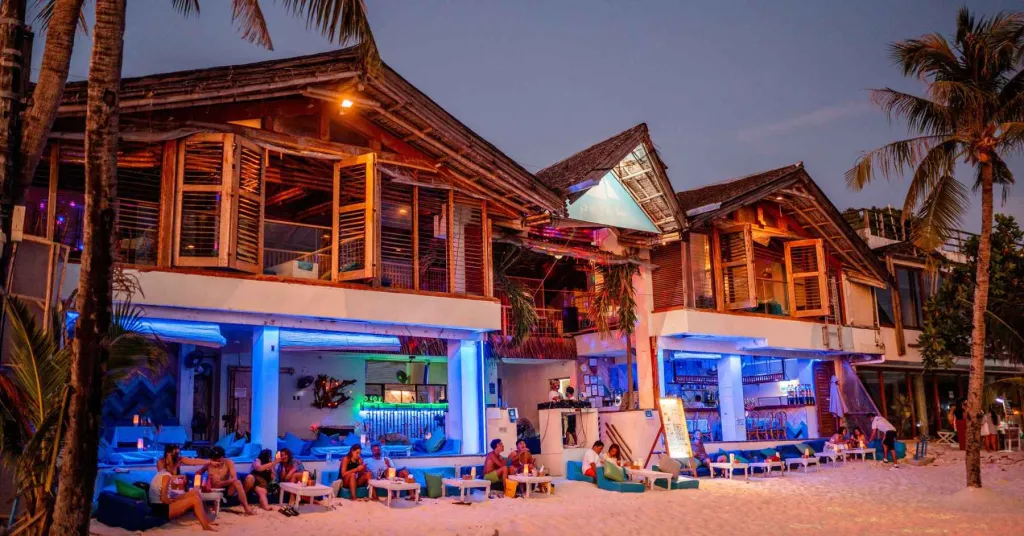
Nightlife in the Philippines: 10 Best Cities for Party Lovers
That becomes particularly important as destinations compete not just on scenery but on experiences.
The DOT has increasingly been positioning entertainment and experiences as part of tourism. Earlier this month, it partnered with Newport World Resorts to strengthen domestic and entertainment tourism, with live performances, cultural productions, culinary experiences and leisure attractions among the areas covered by the partnership.
Music fits naturally into that broader idea.
A destination is no longer simply somewhere you visit.
It is something you experience.
Could this mean more Filipino music in tourism?
This may be the most exciting possibility.
The DOT said its partnership with PRM supports its “Filipino Brand” thrust by promoting local music, culture and artistic expression as part of tourism experiences.
That opens an interesting question for cafés, hotels and restaurants: what happens if more tourism businesses deliberately make Filipino music part of their identity?
Imagine a boutique hotel introducing guests to contemporary OPM through its lobby playlist.
A café in Cebu highlighting Visayan artists.
A resort in Siargao creating playlists around Filipino indie music.
A restaurant using local music to complement regional cuisine.
None of these ideas require a huge attraction or expensive infrastructure.
Sometimes, creating a sense of place can begin with what guests hear.
Filipino music can make a place feel less generic
Travelers increasingly look for experiences that feel specific to where they are.
A hotel could exist in Manila, Bangkok, Bali or Singapore and still look remarkably similar. A modern café can have the same minimalist interiors found in countless cities around Asia.
Food can provide a sense of place.
Architecture can provide a sense of place.
Music can too.
This is where Filipino music has an opportunity to become part of tourism branding in a way that feels natural rather than forced.
The DOT has already experimented with connecting music and travel through its tourism ambassador program. In August, the agency launched destination microsites featuring BINI and SB19, allowing fans to discover places connected to the artists while booking tourism packages through accredited partners.
That approach shows how closely music and travel can intersect.
People follow artists.
They travel to see concerts.
They discover restaurants near venues.
They book hotels.
They explore cities they might otherwise never have visited.
Music can move people literally and emotionally.
But cheaper licensing does not mean free music
For travelers and small business owners, one distinction is important.
The new arrangement is about discounted licensing rates, not unrestricted free use of recorded music.
The DOT said the agreement is intended to encourage tourism establishments to comply with music licensing requirements and promote lawful use of recordings. That means businesses still need to understand the applicable licensing rules rather than assuming that any song can simply be played publicly without authorization.
That is ultimately what makes the partnership interesting from both sides.
Tourism businesses get a more accessible path toward compliance.
Artists, performers and recording producers retain a system for having their rights recognized and compensated.
And guests simply get to enjoy the music.
The best tourism experiences are built from small details
A destination does not become memorable because of one giant attraction alone.
It can be the smell of grilled food coming from a roadside restaurant.
The sound of waves outside a resort room.
A bartender recommending a local drink.
A café playlist that somehow makes you want to stay another hour.
A song playing while you watch the sunset.
These details may not appear in a tourism brochure, but they shape how people remember places.
That is why the DOT’s music licensing initiative could matter beyond its business terms.
If discounted licensing makes it easier for more accredited establishments to legally use recorded music, it could encourage tourism businesses to think more intentionally about their sound environments.
And if more of those playlists feature Filipino artists, it could give local music another place to be discovered.
A better soundtrack for Philippine tourism
The most interesting outcome may not be that cafés and hotels pay less.
It may be that more businesses start asking a different question: What should our place sound like?
For a country with a huge music culture, that question could be worth asking.
Filipino tourism already has the food, beaches, mountains, festivals and hospitality.
Music can add another layer.
Because sometimes, the thing that makes you remember a place is not the photo you took there.
It is the song that was playing when you did.