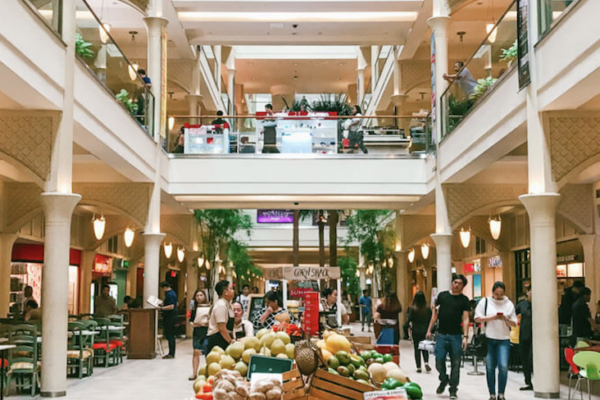
There was a time when meeting someone for coffee usually meant heading to the nearest mall.
The options were familiar. There was the big international chain, the local coffee giant and perhaps a few other recognizable names. You already knew what the menu looked like, how much your drink would cost and, more or less, what the space would feel like.
But something is changing.
More Filipinos are intentionally looking beyond the mall for their next coffee stop. They are finding cafés tucked inside residential neighborhoods, small streets, converted houses and buildings that are easy to miss if you are not specifically looking for them.
These cafés may have fewer seats, smaller menus and none of the instantly recognizable branding of major chains.
Yet that is precisely what makes them appealing.
The joy of finding somewhere others haven’t

There is a certain satisfaction in discovering a café that does not feel like everyone already knows about it. You might find it because a friend recommended it, because you saw a TikTok video or simply because you happened to walk past it.
The experience can feel more personal than entering a familiar chain.
Instead of knowing exactly what you are going to get, there is a little element of discovery. Maybe the café specializes in pour-over coffee. Maybe it has an unusual signature drink. Maybe the owner is behind the counter. That feeling of finding something for yourself is becoming part of the attraction. The café is no longer simply somewhere to buy coffee.
It becomes a place you discovered.
Small cafés feel more personal
One of the biggest advantages independent cafés have is personality.
A neighborhood café can reflect the people who built it. The furniture may not match perfectly. The menu might be short. The cups may have a local design. There might be books on one shelf and plants everywhere else.
But those details create character.
Large chains are intentionally designed to offer consistency. That is part of their appeal. You can walk into a familiar brand in Manila, Cebu or another city and expect a similar experience.
Independent cafés can offer the opposite. You never quite know what you are going to find.
For customers looking for something more personal, that unpredictability can be a feature rather than a flaw.
Coffee is becoming more of a hobby
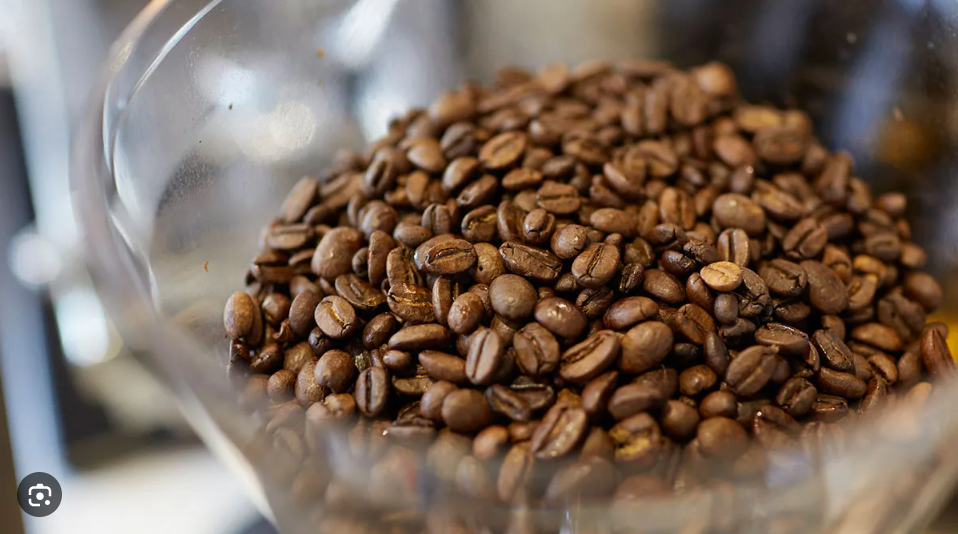
Filipino coffee culture has also become significantly more sophisticated.
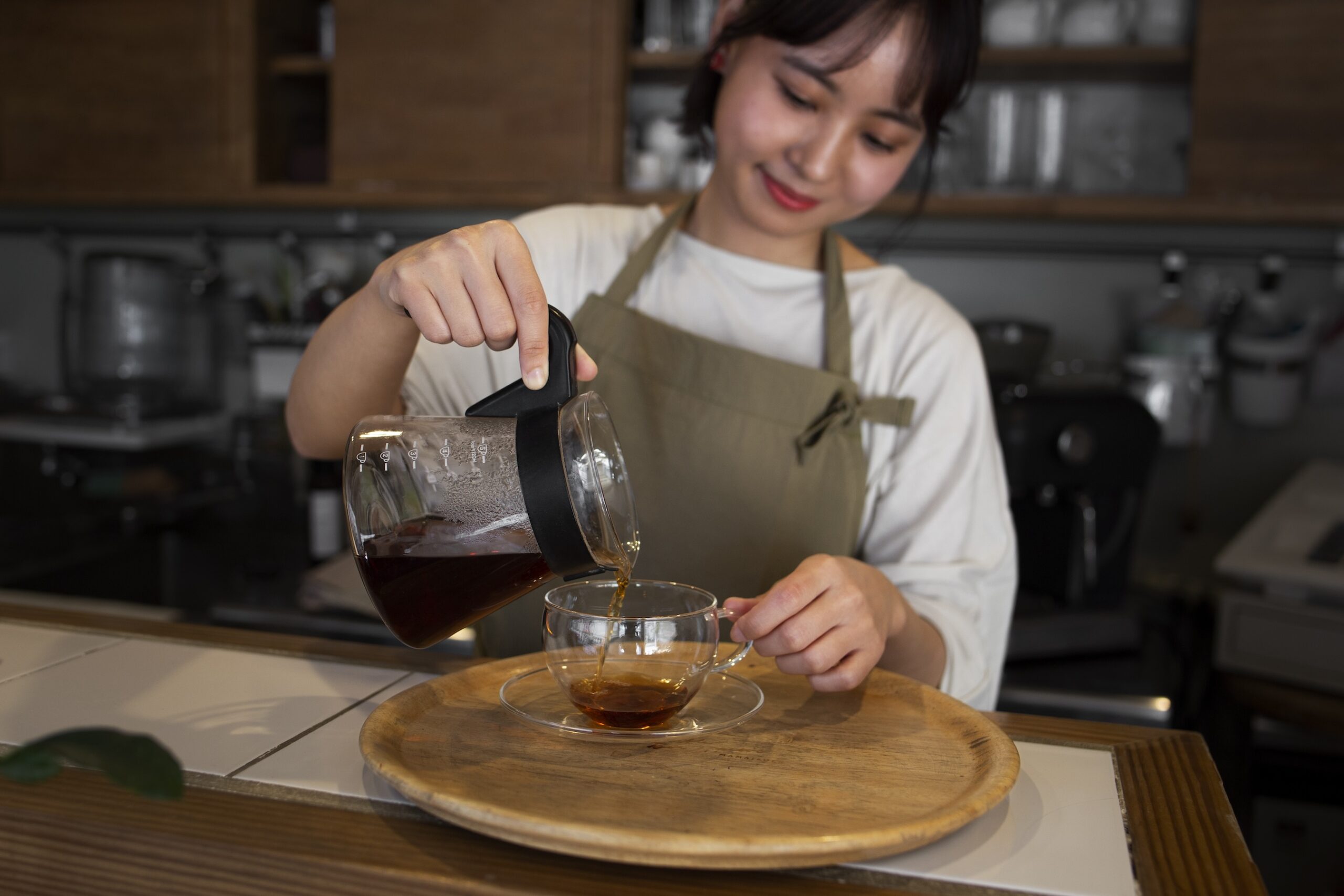
Specialty coffee is no longer limited to a small community of enthusiasts. Consumers are becoming more familiar with terms such as single-origin, cold brew, pour-over and different brewing methods.
The Philippine coffee industry has grown alongside this interest. The Department of Trade and Industry has highlighted the country’s expanding coffee ecosystem, including local coffee production, cafés, roasters and coffee-related businesses. (dti.gov.ph)
That gives smaller cafés an opportunity. They can compete not by having hundreds of branches, but by offering something specific.
Maybe they work directly with local coffee farmers. Maybe they roast their own beans. Maybe they focus on a particular brewing method.
For someone who genuinely enjoys coffee, that can be worth the extra trip.
The café is becoming a third place
There is another reason neighborhood cafés are becoming popular: people are not necessarily visiting them just for coffee.
They are looking for somewhere to exist between home and work.
A café can be a place to read, study, work remotely, meet friends or simply spend an hour alone.
This idea of a “third place” has become particularly relevant as work and social habits have changed.
For remote workers and freelancers, a nearby café can provide a change of environment without requiring a long commute. For students, it can become a study space. For friends, it can become the default meeting point.
And for someone who simply wants to get out of the house, a quiet neighborhood café can be enough.
No mall required
Mall cafés have an obvious advantage: convenience.
You can combine coffee with shopping, groceries, movies and dinner. They are accessible, air-conditioned and generally easy to find. But that convenience can also make the experience feel routine.
Neighborhood cafés often require a little more effort.
You may have to walk down a side street. Drive into a residential area. Search for the location on Google Maps. Find parking. That effort can actually make the visit feel more intentional.
You went there because you wanted to go there.
And once you arrive, you may discover a quieter environment than the typical weekend mall.
Local flavors are giving small cafés an edge
Another thing independent cafés can experiment with is flavor.
Instead of sticking to a standardized menu, neighborhood cafés can create drinks that reflect local tastes.
Think ube, pandan, coconut, tablea, calamansi or muscovado.
These flavors can make a simple coffee experience feel distinctly Filipino.
Some cafés are also incorporating locally sourced ingredients and products into their menus, connecting coffee culture with the wider movement toward supporting local producers.
The result is a coffee experience that feels less generic.
You are not simply drinking coffee.
You are drinking something that could only really exist in this place.
Social media is helping hidden cafés get discovered
Ironically, the same internet that makes major coffee chains incredibly visible is also helping small cafés compete.
TikTok and Instagram have turned café discovery into its own form of content.
A beautiful interior can attract attention.
A unique drink can go viral.
A quiet café with a garden can become someone’s “hidden gem” recommendation. And once people start sharing these places, the word spreads quickly. The café may be hidden geographically, but it does not have to remain hidden digitally.
This has created an interesting cycle.
People discover a café online, visit it in person, post about their experience and introduce the place to another group of customers.
A small café can suddenly become a destination.
But it’s not always about being instagrammable
It would be easy to assume that neighborhood cafés are succeeding simply because they look good on social media. But aesthetics can only take a café so far.
Eventually, customers return because the coffee is good, the food is worth ordering, the staff remembers them or the space makes them feel comfortable. That sense of familiarity can become a powerful advantage.
A customer might walk into a chain anonymously.
At a neighborhood café, they may eventually become a regular. The barista knows their usual order. The staff recognizes them when they arrive. The owner might ask how their week has been.
Those tiny interactions can turn a business into part of someone’s routine.
The rise of the “regular”
There is something nostalgic about becoming a regular somewhere. You have a favorite table. You know what you are ordering before you look at the menu.
You recognize the people behind the counter.
You might even know other customers who come in around the same time. That sense of belonging is difficult to manufacture at scale.
It is one of the things independent cafés can offer naturally. And in an increasingly digital world, that kind of small human connection can be surprisingly valuable.
Are mall coffee chains going away?
Not likely.
Large coffee chains remain popular for good reasons. They offer consistency, accessibility, recognizable products and locations people already know.
The growth of neighborhood cafés does not necessarily mean consumers are abandoning chains.
Instead, people now have more choices.
You can grab a familiar coffee before work at a mall, then spend Saturday afternoon discovering a tiny café in your neighborhood.
The two experiences serve different purposes.
One is about convenience. The other is about discovery.
The coffee shop you remember may not be the biggest
Perhaps the most interesting part of this trend is that coffee culture is becoming less about finding the biggest or most recognizable brand. It is about finding a place that fits you.
Maybe that is a café hidden down a quiet street where you can work for two hours. Maybe it is a tiny shop that serves excellent local beans. Maybe it is a family-run café where the owner remembers your order.
Or maybe it is simply a place with good coffee, affordable food and a chair you do not mind sitting in for an entire afternoon.
In a city filled with familiar brands, discovering somewhere unfamiliar can feel refreshing. Because sometimes the best coffee shop is not the one with the biggest sign. It is the one you almost walked past.