The Philippine game development industry took center stage at the PGDX (Philippine Game Dev Expo) 2026, where local developers, students, and gaming enthusiasts gathered to celebrate the country’s growing talent and creativity.
Held at the SMX Convention Center in Pasay City, the event — organized by CBZN Perspective in partnership with the Game Developers Association of the Philippines (GDAP) — featured locally developed indie games, esports tournaments, gaming hardware, pop culture merchandise, and workshops designed to support aspiring developers and industry professionals.
Filipino indie games take the spotlight
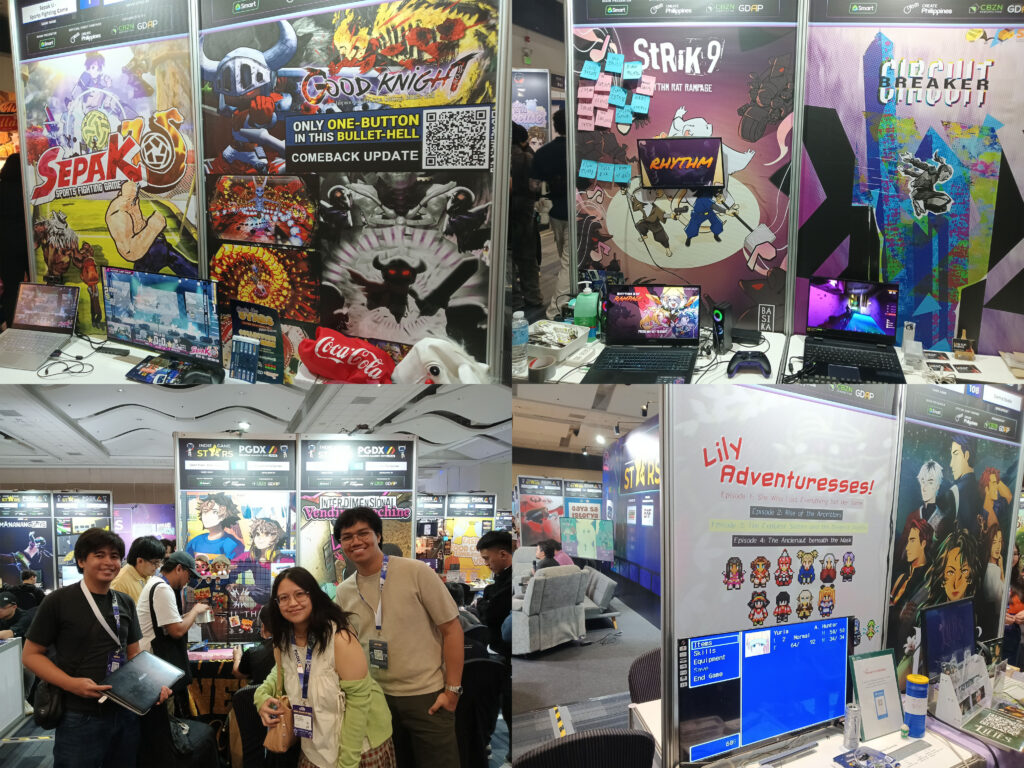
Original games by Filipino developers that were showcased at PGDX 2026’s “Indie Game Stars.” (IMAGE CREDIT: Neo Magtira)
One of the event’s biggest attractions was the Indie Game Stars section, where independent Filipino developers showcased projects spanning genres such as action, adventure, role-playing, rhythm, and sports.
Developed primarily by young Filipino creators, many of the titles introduced fresh gameplay mechanics and original concepts that demonstrated the industry’s growing creativity.
Among the standout games were:
- Sepak U – Developed by Good Knight Collective, the multiplayer title combines the fast-paced action of platform fighters with sepak takraw, offering both local and online competitive play. Throughout the expo, the developers hosted daily mini tournaments for visitors.
- Strik9 – Created by Basika, the game blends bullet-hell gameplay with rhythm mechanics and roguelike progression, challenging players to survive enemy waves while staying in sync with the music.
- Dogwood – Developed by Team Soleil, a team of siblings, Dogwood is a cooking action RPG where players gather ingredients on the battlefield while managing a restaurant. A distinctive gameplay mechanic allows players to switch between red and blue projectile types to defeat different enemies.
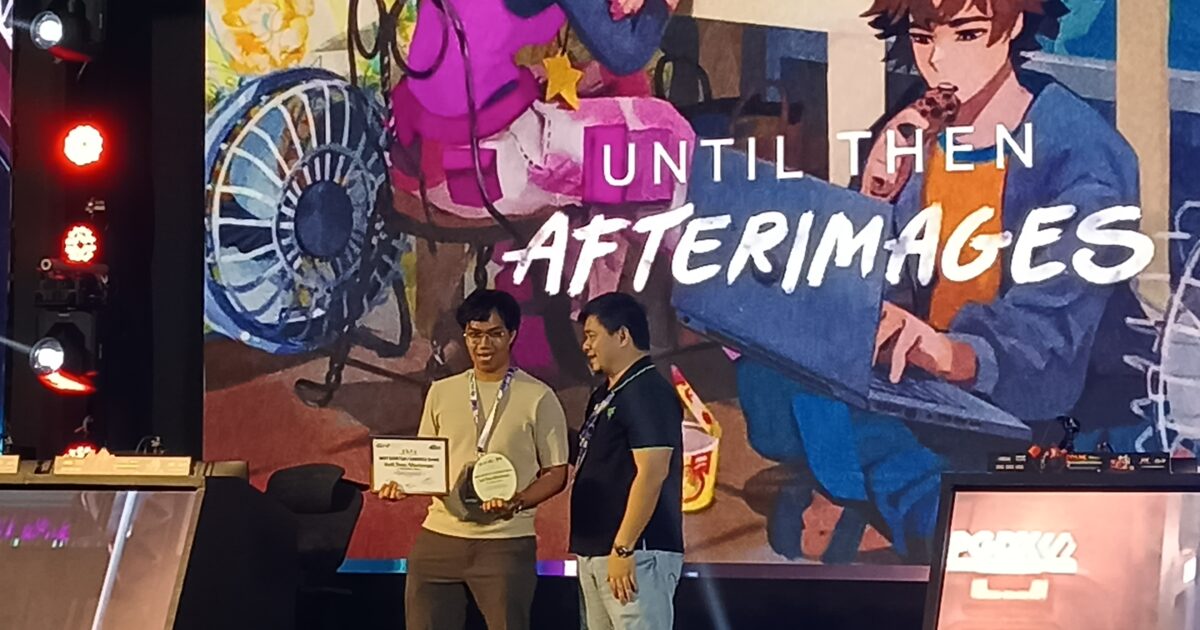
- Until Then – Developed by Polychroma Games, the narrative-driven adventure follows protagonist Mark Borja as he and his friends uncover a mysterious truth that changes their lives. The game has received multiple international award nominations and continues to earn recognition abroad.
- Lily Adventuresses – DDeveloped by DagitabSoft, this LGBTQ+-themed RPG anthology follows different protagonists across multiple episodes while exploring diverse themes and stories. The game is available as a free download from the developer’s website.
The expo also welcomed indie developers from countries including South Korea and India, giving visitors an opportunity to experience games from across the region.
Students showcase the next generation of developers
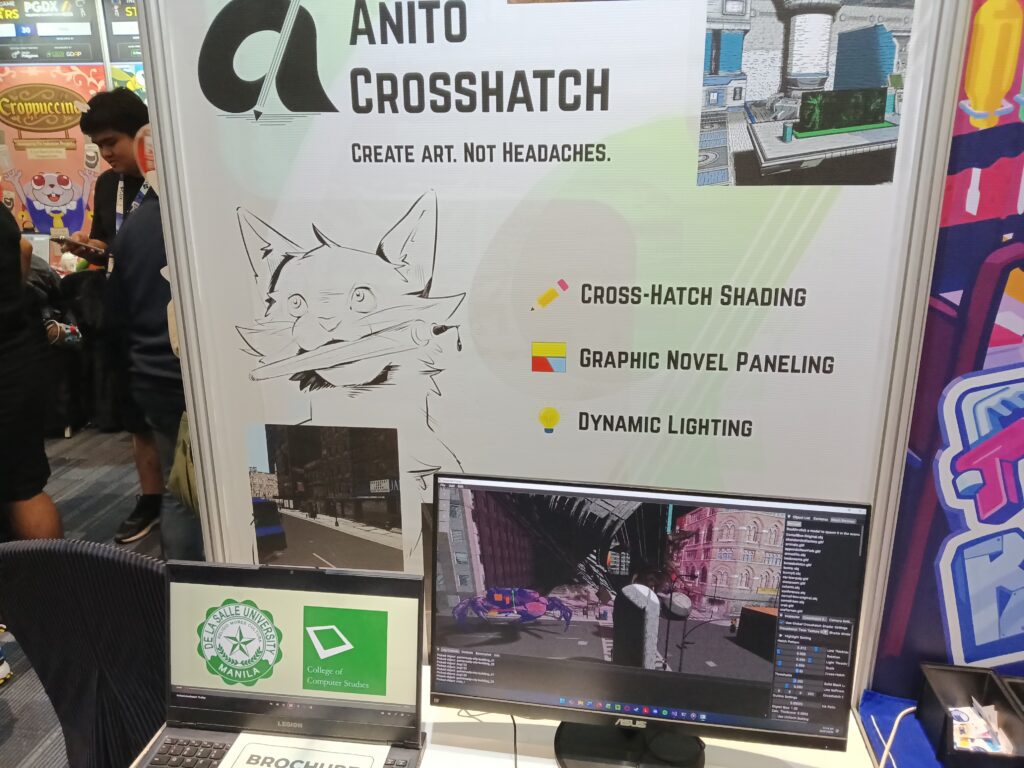
The Anito Crosshatch booth. (IMAGE CREDIT: Neo Magtira)
PGDX also provided a platform for student developers to present projects alongside industry professionals.
Students from De La Salle-College of Saint Benilde exhibited several of their previous game development projects through a dedicated booth.
Among them was Anito Crosshatch, a demonstration showcasing the capabilities of the Philippine-developed Project Anito game engine, particularly its cross-hatching visual effects.
Another project, Fix-a-Bots, is an educational mathematics game designed to teach pattern recognition through puzzles and interactive mini-games.
The school also showcased Ben Labs, a virtual reality experience that allows users to explore a digital recreation of the college campus.
A growing industry still faces challenges
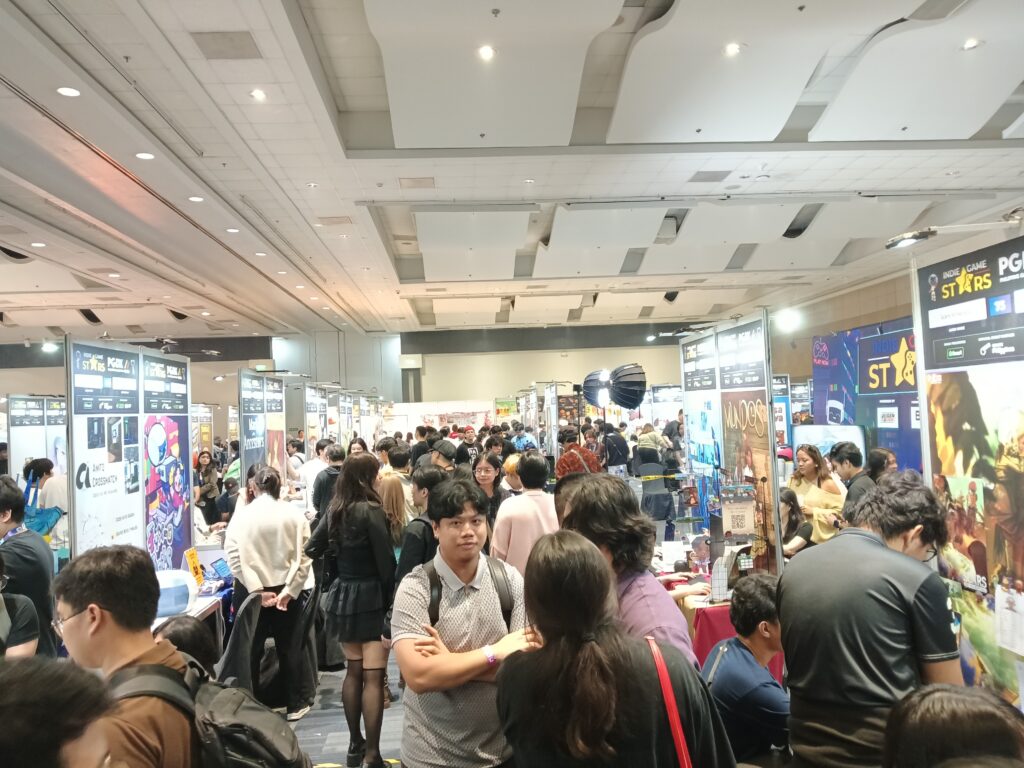
Students explored one of the interactive booths at PGDX 2026, where developers showcased their latest projects. (IMAGE CREDIT: Neo Magtira)
While interest in game development continues to grow in the Philippines, industry educators say more opportunities are needed to help graduates build careers locally.
“We have a lot of talented people here, whether in art, programming, or game design. However, there are still gaps that need to be addressed,” said Temothy Hemocillo, a BSIT major in Multimedia graduate and faculty member at the University of San Jose-Recoletos.
“Once students graduate, many of them don’t necessarily have companies to work for. We need more studios and companies that can absorb local talent.”
Hemocillo also highlighted how game development is increasingly intersecting with research and education.
“We even have projects aimed at digitizing historical landmarks. We recently presented one of our papers in Japan last March,” he said.
“It was a VR game exploring Cebu’s historical landmarks, and it has now been published as an IEEE research paper. That’s one of the directions we’re hoping game development in the Philippines can continue to take.”
Passion continues to drive Filipino developers
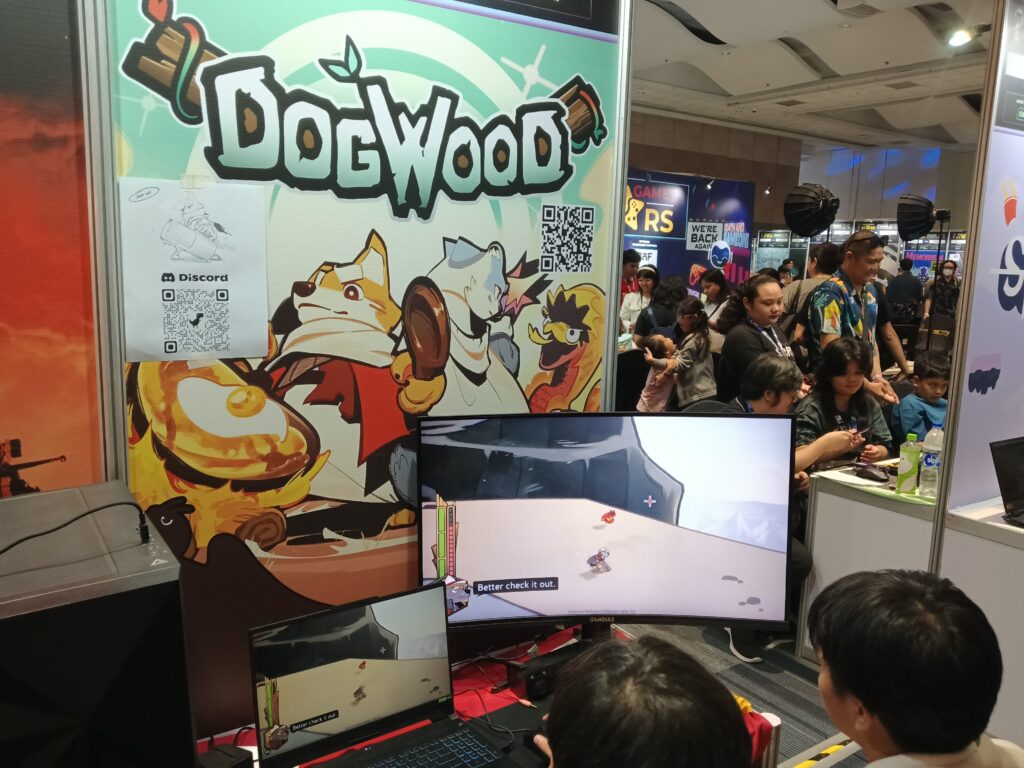
The Dogwood booth at PGDX. (IMAGE CREDIT: Neo Magtira)
For many exhibitors, PGDX represented far more than an opportunity to showcase completed games—it was a chance to share years of dedication, experimentation, and passion.
Kyle, the lead programmer behind Dogwood, began developing the game with his siblings when he was just 17 years old. Now targeting a release next year, the project has already attracted attention from both local and international media.
Stories like his reflected a common theme throughout the expo: while resources and opportunities remain challenges, Filipino developers continue to push the boundaries of creativity through determination and innovation.
As PGDX 2026 came to a close, the event highlighted not only the growing quality of locally developed games but also the expanding community behind them — one that is steadily helping position the Philippines as an emerging player in the global game development industry.