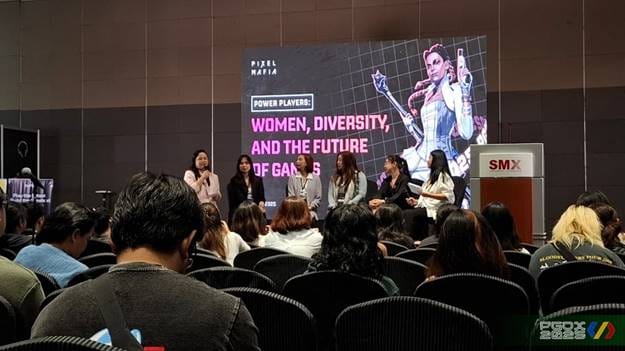
The Philippine game development and gaming community is gearing up for one of its biggest annual gatherings as the Philippine Game Dev Expo (PGDX) returns from July 26 to 28, 2026 at the SMX Convention Center in Pasay City.
Now in its latest edition, the expo continues to position itself as a central meeting point for Filipino gamers, indie developers, industry professionals, and global gaming brands.
The event is organized by CBZN Perspective in partnership with the Game Developers Association of the Philippines (GDAP), along with CITEM (Center for International Trade Expositions and Missions) and CREATE Philippines.

At its core, the game development expo remains focused on one key mission: strengthening the country’s game development ecosystem while showcasing the growing talent of Filipino creators in the global gaming space.
Spotlight on indie game development
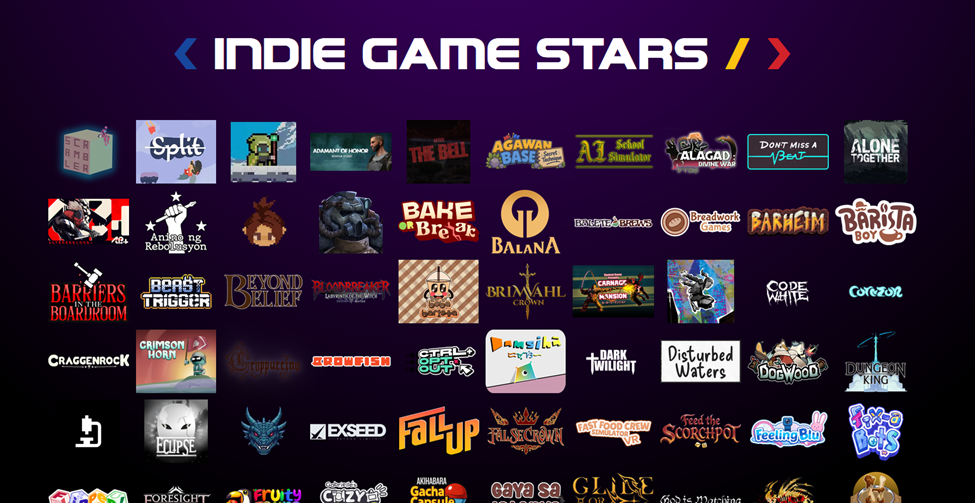
A major highlight of PGDX 2026 is its continued emphasis on independent game creators through the Indie Game Stars segment. This dedicated showcase will feature Filipino indie developers, alongside select international studios, presenting original titles that span multiple genres and storytelling styles.
In previous editions, indie titles showcased at the convention have gone on to gain international attention, underscoring the rising quality of local game development. One standout example is Until Then by Polychroma Games, a narrative-driven title that earned recognition across global gaming communities for its storytelling and artistic direction.
Organizers are expected to continue this momentum by giving indie developers a platform not only to exhibit their games but also to connect with publishers, investors, and potential collaborators.
Last year’s gathering featured booths that cater to avid retro gamers (with games like Tito Steef’s), wherein their booth featured a station where event goers can play video games from the 8-bit generation (such as the NES) up until the sixth generation (Playstation 2, Dreamcast).
Mini video game tournaments, ranging from fighting games to MOBA (massively online battle arena) games, are also held during the event.
More than just gaming
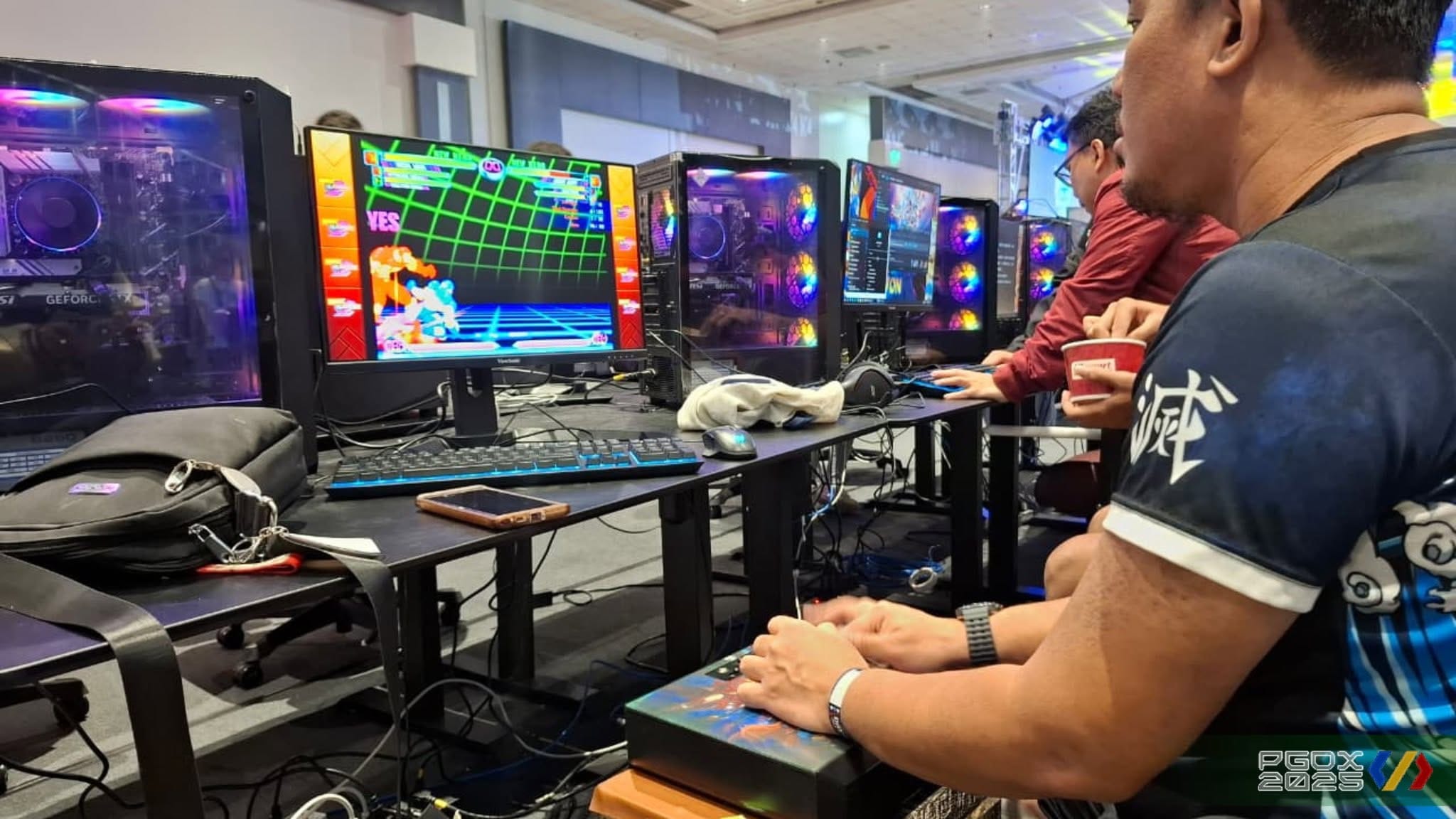
Beyond development showcases, the Philippine game development showcase has also evolved into a broader pop culture and gaming convention.
Anime has been a culture ingrained to the Filipinos, and as such, the expo will feature numerous booths targeted to the fans of such genre. Cosplay competitions will also be held during the event.
Major tech and gaming brands are also expected to participate in this year’s expo.
The expo will also feature exhibitors that will showcase their product catalogue. Official exhibitors for the event include Lenovo, ViewSonic, Razer, Fantech and many others.
Learning, networking, and industry growth
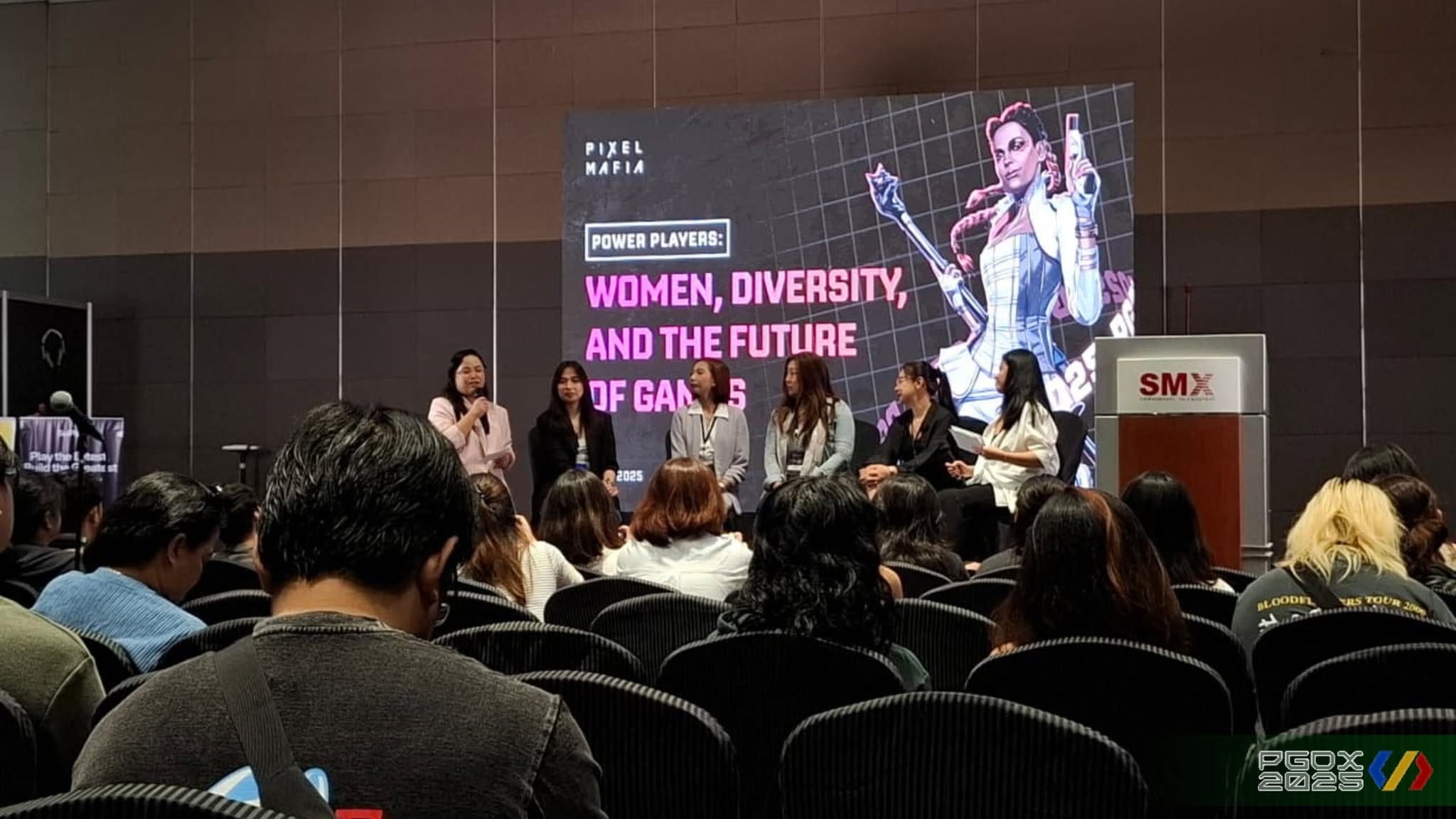
The gaming convention will also feature workshops and conference sessions designed for aspiring developers and industry professionals. Topics are expected to cover game design, production pipelines, digital art, monetization strategies, and emerging technologies shaping the future of gaming.
These sessions also serve as networking opportunities, allowing participants to connect with studios, mentors, and potential employers within the industry.
Tickets and access
Attendees can choose from multiple ticket tiers, including Expo Passes for general access, B2B Passes for business networking areas, and Workshop Passes that provide full access to all event segments.
A three-day pass will also be available for those attending the full duration of the expo.
Tickets are available through the official ticketing platform of the .
As anticipation builds, the country’s premier game development expo is expected to once again highlight how the Philippines’ gaming scene continues to grow — not just as entertainment, but as an emerging creative and economic industry.