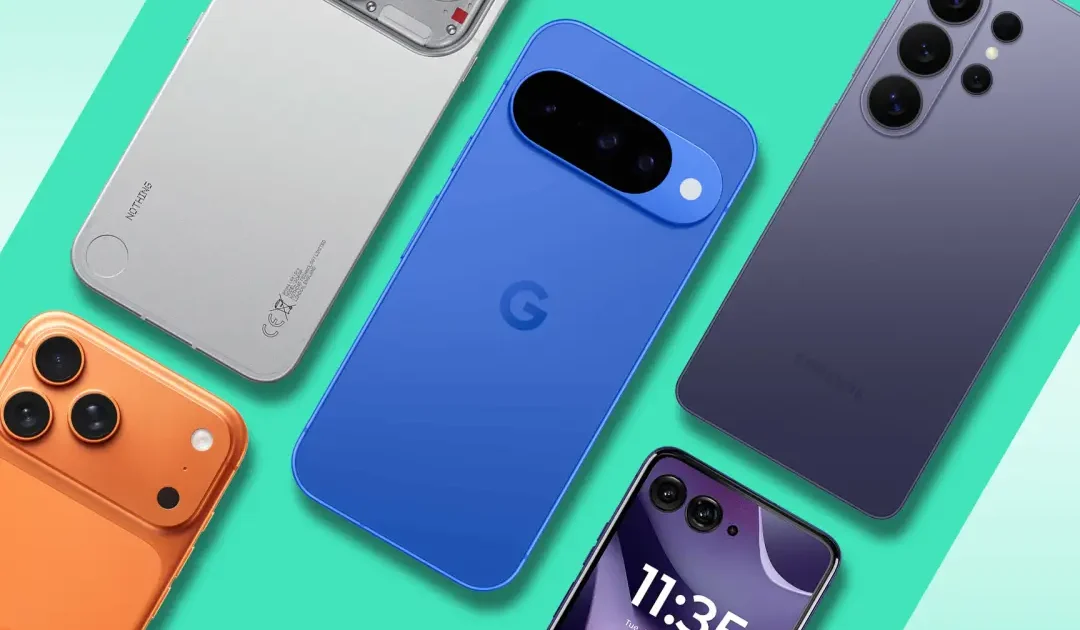
Every new smartphone seems to promise the same thing these days: AI will change everything.
Your phone will summarize calls, translate conversations, erase unwanted people from photos, plan your trips, and even think ahead for you.
It sounds impressive — until you try using some of those features.
For many Filipinos, the reality is a little different. Some AI tools genuinely make everyday life easier. Others are limited by language support, available only on expensive flagship phones, or can already be replaced by free apps you probably have.
Based on device requirements and official vendor documentation available as of July 2026, here’s a closer look at five of today’s biggest AI phone features — and whether they’re actually worth paying for.
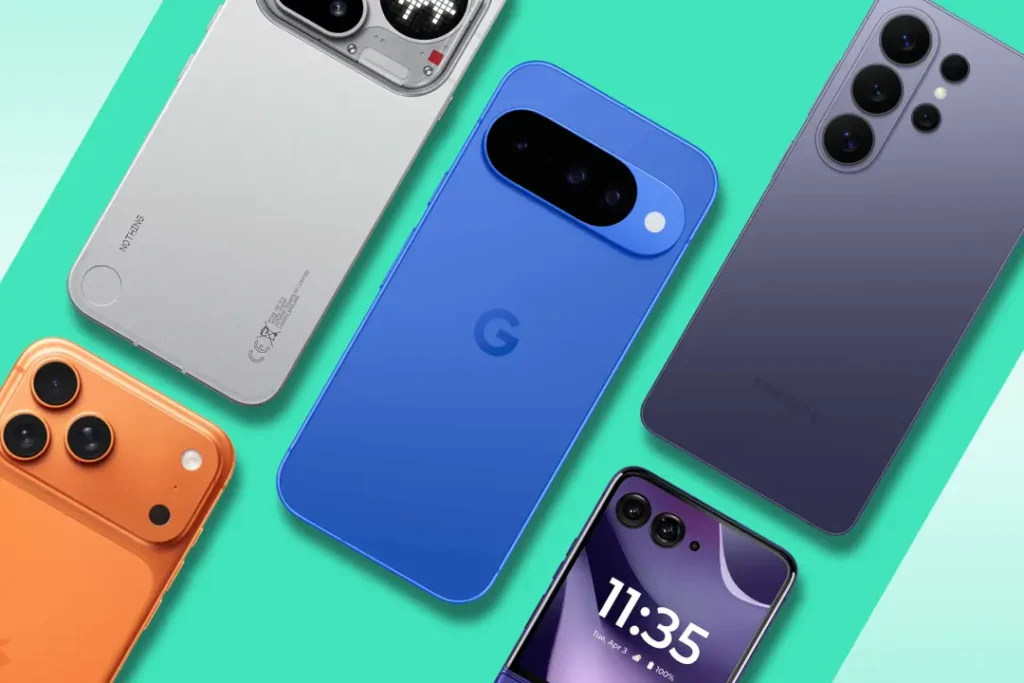
IMAGE CREDIT: STUFF TV
1. Live translation: Finally becoming useful
For years, live translation sounded like one of those futuristic features that worked better in product demos than in real life.
That’s slowly changing.
Samsung expanded Galaxy AI to include Filipino language support in late 2025, making live translation more relevant for local users. The catch? It’s only available on newer premium Galaxy devices, including the S23 series and later models, recent Fold and Flip phones, and selected tablets.
If you’re using an older Galaxy phone — or a mid-range model — you won’t see the feature.
Still, among today’s AI tools, this is one of the few that’s beginning to solve a real problem for Filipinos.
Samsung in October 2025. Real win. But it is a downloadable language pack, gated to the S23 series and newer, Fold5/Flip5 and newer, and Tab S9 and newer. Older Galaxy phones get nothing.
2. AI call summaries: Great idea, wrong language
Imagine finishing a long phone conversation and instantly getting a neat summary.
That’s exactly what phone makers are promoting.
Unfortunately, if your conversations happen in Filipino — or the Taglish that most people actually speak — you’re likely out of luck.
Samsung currently supports call-related AI features in several languages, but Filipino isn’t yet one of them. While its Writing Assist tool understands Filipino, live call handling still doesn’t.
Until language support improves, this remains more of a preview than a practical everyday feature.
lists Call Screening in 13 languages. Filipino is not one of them. Writing Assist supports Filipino; live call handling does not. If your calls run in Taglish, this feature is not built for you.
3. Visual search: Helpful, but nothing revolutionary
Point your camera at a landmark, a restaurant, or a product, and your phone tells you what you’re looking at.
It’s undeniably useful.
The problem is that many of these features still don’t fully support Filipino, depending on the platform.
Google’s Circle to Search remains the more practical option for most users — not because it’s newer, but because it already works well enough and doesn’t require buying the latest flagship phone. Sometimes the feature you’ve had for a while turns out to be the better one.
4. AI photo cleanup: The feature that actually delivers
If there’s one AI feature that’s already earning its place, it’s photo editing.
Removing strangers from vacation photos.
Cleaning distracting backgrounds.
Reducing unwanted noise in videos.
None of these depend on language packs or regional support. They simply work.
It’s also the feature many people end up using repeatedly without even thinking about the artificial intelligence behind it.
Unlike some headline-grabbing AI tools, this one solves a problem almost everyone has experienced.
5. AI trip planning: You may already have this
Many smartphone launches now highlight AI-powered travel planners that create itineraries in seconds.
It sounds exclusive.
In reality, much of the work is being done by the same large language models that are already available through web browsers and standalone AI assistants.
The phone simply provides another way to access them.
So, is it worth upgrading?If AI is your only reason for replacing your phone, probably not.
Samsung Philippines President Roman Han has said that demand for AI that is “proactive, personal, and trustworthy” will continue to accelerate. That may well be true. But there’s another reality to consider: most Filipinos still buy affordable smartphones.
Market research shows the Philippine smartphone market remains heavily concentrated in the sub-US$200 segment, where brands under Transsion account for roughly a third of shipments. Many of the AI features dominating launch events today require premium flagship devices that remain out of reach for the average buyer.
That’s why it’s worth looking beyond the marketing.
Among the five headline AI features highlighted by major smartphone brands, only two currently offer clear, practical value for most users in the Philippines. The rest are still limited by language support, restricted to high-end hardware, or can already be replicated using free AI tools available through a web browser.
For now, the smarter buying decision is still the same as it has always been: choose a phone with a good camera, long battery life, reliable performance, and years of software updates. The AI features will almost certainly improve, and many of them will eventually arrive through software updates rather than new hardware.
Until then, don’t buy a phone because of the AI promises. Buy it because it’s the right phone for the way you actually use it every day.