For years, Japan, South Korea, Hong Kong and Singapore have dominated the overseas travel wish lists of many Filipinos. But another destination is quickly becoming a major favorite: Vietnam.
Bookings from the Philippines to Vietnam increased by 193 percent in 2025, the highest growth recorded among the emerging destinations tracked by Klook.
Taiwan followed with 124.4 percent growth, while Thailand increased by 67.1 percent, according to a report by GMA News.
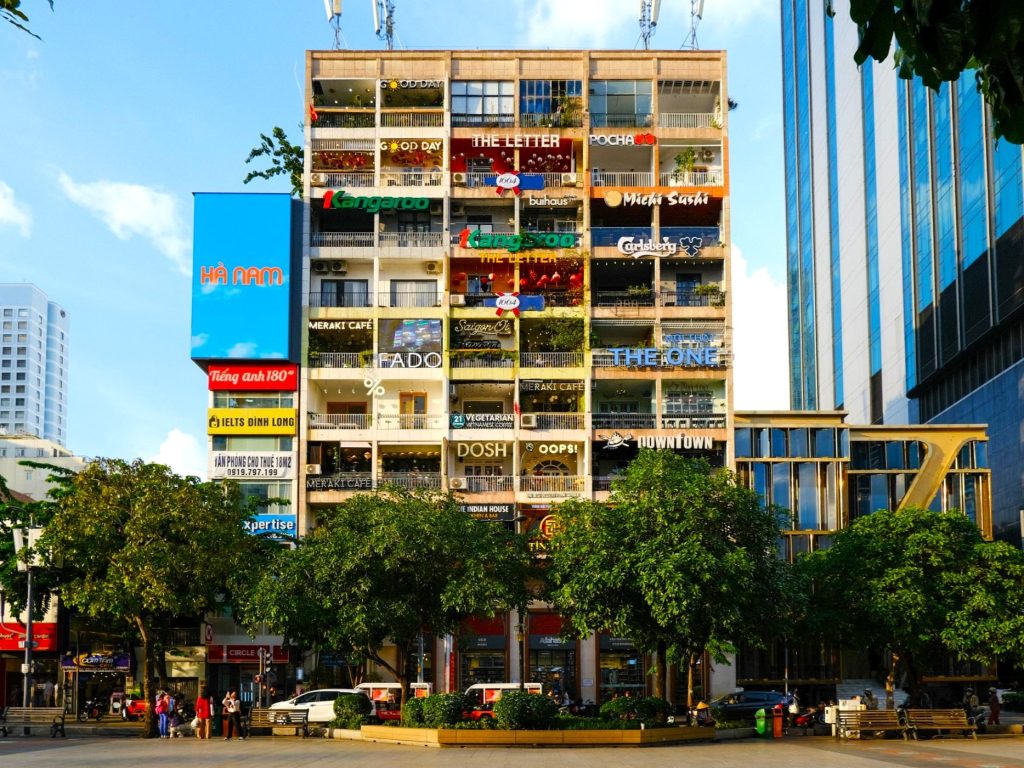
IMAGE CREDIT: Luke Dogwood
The trend is also visible in official arrival figures. Vietnam welcomed more than 482,000 Filipino visitors in 2025. During the first five months of 2026, arrivals from the Philippines grew by 71 percent, making the country Vietnam’s second-fastest-growing source market during the period.
Vietnam may not have replaced the traditional favorites yet, but it is becoming one of the strongest choices for Filipinos who want an international vacation without spending too much.
Filipino travelers are prioritizing value
Affordability has become one of the biggest factors shaping overseas travel decisions.
In a Klook survey involving 500 Filipino Gen Z and millennial travelers, 42 percent identified budget as a major travel consideration. Building memories with family or friends followed at 34.2 percent, while 33.9 percent prioritized experiences, according to the survey findings reported by the Philippine Daily Inquirer.
Vietnam fits this new travel mindset. It offers busy cities, mountain towns, beaches, cafés, historic attractions and street food at prices that can remain manageable for budget-conscious visitors.
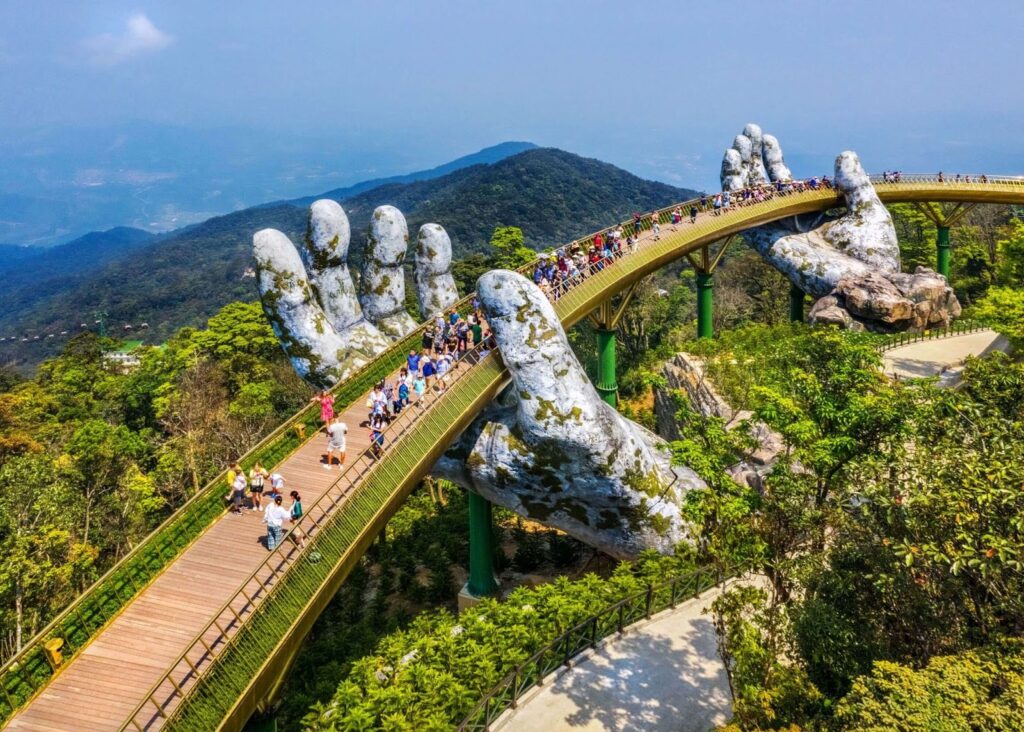
A Vietnam Airlines travel cost guide mentioned that budget travelers may spend around USD 20 to USD 30 per day, excluding international flights. This may cover hostels or basic guesthouses, street food and local transportation.
A mid-range traveler may spend around USD 50 to USD 90 per day for a private hotel room, restaurant meals and more convenient transportation.
The actual amount will depend on the destination, season and travel style. Hanoi, Ho Chi Minh City and popular areas such as Ha Long Bay, Da Nang and Hoi An may cost more than smaller towns.
How Vietnam compares with Japan, Korea and Thailand
Vietnam’s appeal becomes clearer when its everyday prices are compared with those of other popular Asian destinations.
The 2026 Cost of Living Index from Numbeo placed Vietnam at 26.4, compared with Thailand at 38.0, Japan at 47.5 and South Korea at 61.6.
Vietnam’s Restaurant Price Index was also lower at 15.6, compared with Thailand at 25.0, Japan at 30.3 and South Korea at 35.8.
These indexes are not complete vacation quotations, and airfare or hotel prices can change quickly. However, they help explain why travelers often find that their food, transportation and accommodation budgets stretch further in Vietnam.
Japan and South Korea continue to attract Filipinos through their pop culture, seasonal attractions, shopping and developed transportation systems. Thailand remains one of Southeast Asia’s most accessible holiday destinations.
Vietnam, however, gives travelers another option that can combine affordability with a wide variety of experiences.
More direct flights are making Vietnam easier to reach
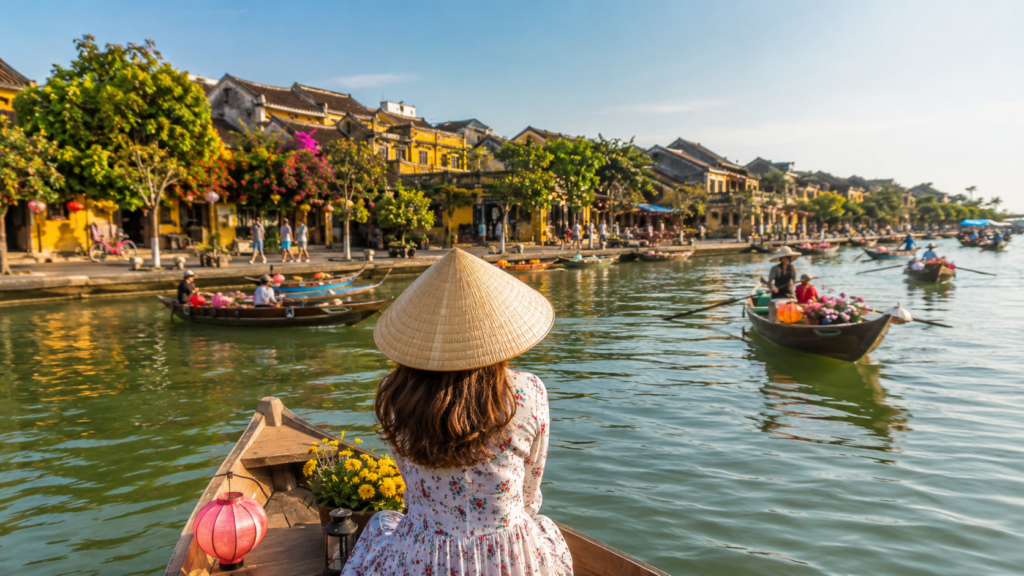
IMAGE CREDIT: Freepik
Philippine Airlines offers flights from Manila to Vietnam, including routes to Ho Chi Minh City, Hanoi and Da Nang. Cebu Pacific also includes Da Nang and Ho Chi Minh City among its international destinations, giving travelers more opportunities to compare schedules and promotional fares.
Vietnamese tourism officials have also identified the expansion of direct routes between the two countries as one of the reasons Filipino arrivals have grown.
Filipino ordinary passport holders may enter Vietnam without a visa for stays of up to 21 days, based on Vietnam’s official visa exemption list.
This removes another possible cost and planning requirement for short vacations. Travelers should still verify passport validity, onward ticket requirements and current immigration rules before departure.
Food has become one of Vietnam’s biggest attractions
Vietnamese food is familiar enough to be approachable but different enough to feel like a discovery.
Travelers can try phở, bánh mì, bún chả, cơm tấm, fresh spring rolls and regional noodle dishes from street stalls, markets and small neighborhood restaurants.
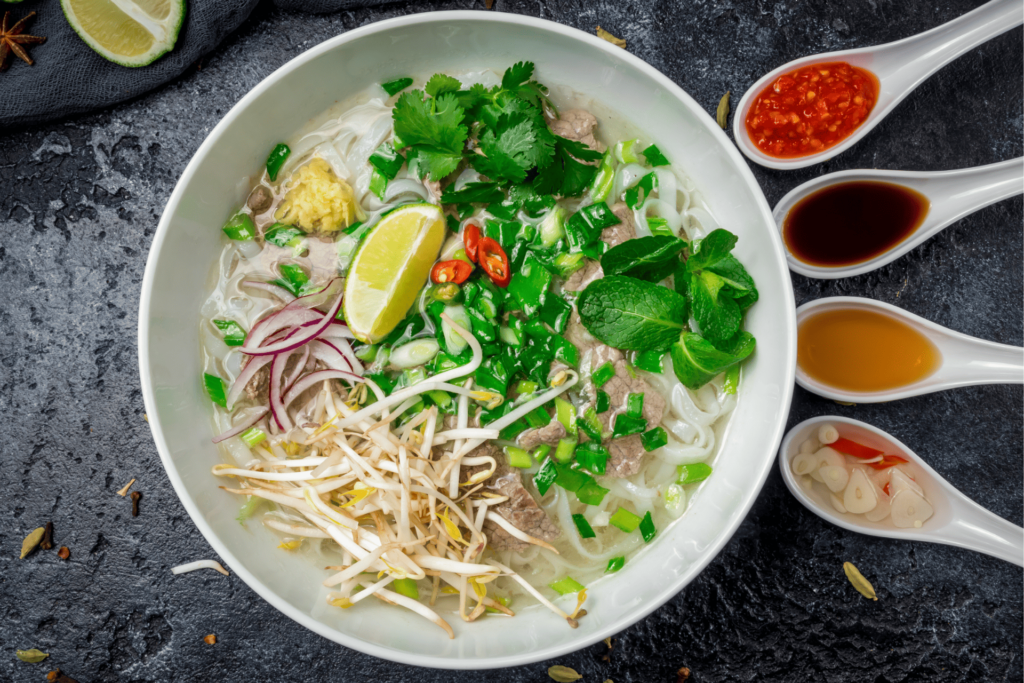
Based on estimated food costs in Vietnam, local street meals may cost around USD 1 to USD 4, while casual restaurant meals may range from USD 5 to USD 15.
Coffee culture is another major attraction. Egg coffee in Hanoi, coconut coffee, sidewalk cafés and modern specialty shops have become travel experiences of their own.
This matters as Filipinos increasingly direct more of their travel budgets toward food, tours and activities rather than shopping alone, according to Klook’s Travel Pulse 2026 report.
Social media is turning new places into must-visits
Vietnam is also benefiting from the way destinations are discovered online.
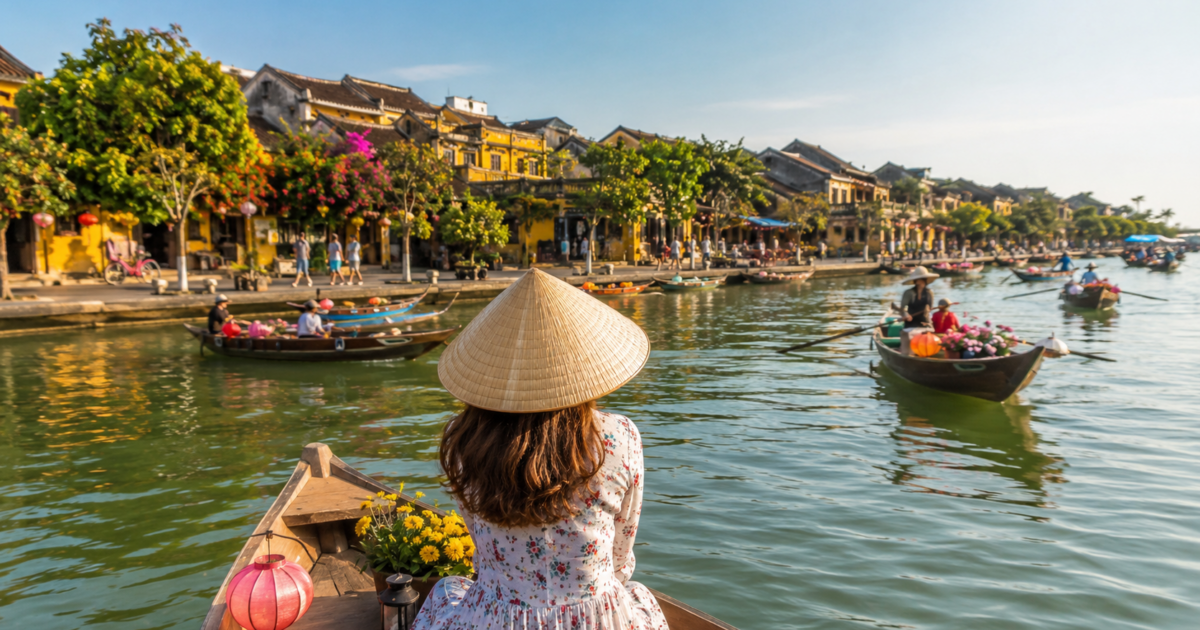
Videos featuring the mountain views of Sa Pa, the lanterns of Hoi An, the cafés of Hanoi and the streets of Ho Chi Minh City regularly circulate on TikTok, Facebook and Instagram.
Coastal destinations such as Da Nang, Nha Trang and Phu Quoc have also gained attention among Filipino visitors, as highlighted in the GMA News report on Vietnam’s tourism growth.
According to Klook Philippines, one café, tour, viewpoint or unusual experience can suddenly make a destination trend. This allows places outside the traditional regional favorites to quickly enter travelers’ plans.
A destination no longer needs years of traditional tourism advertising to become popular. A convincing food video or scenic itinerary shared by another Filipino traveler may be enough to inspire the next booking.
Vietnam is becoming more than a budget alternative
Vietnam’s growth is not simply about being cheaper than Japan or South Korea.
Its appeal comes from the combination of manageable expenses, direct flights, visa-free short stays, strong food culture and destinations that look good on social media while still offering meaningful experiences.
For Filipino travelers trying to make the most of a limited vacation budget, Vietnam provides something increasingly important: an international trip that feels exciting and aspirational without automatically requiring a premium budget.
That is why Vietnam is no longer being treated as just an alternative. It is quickly becoming a destination Filipinos actively choose first.