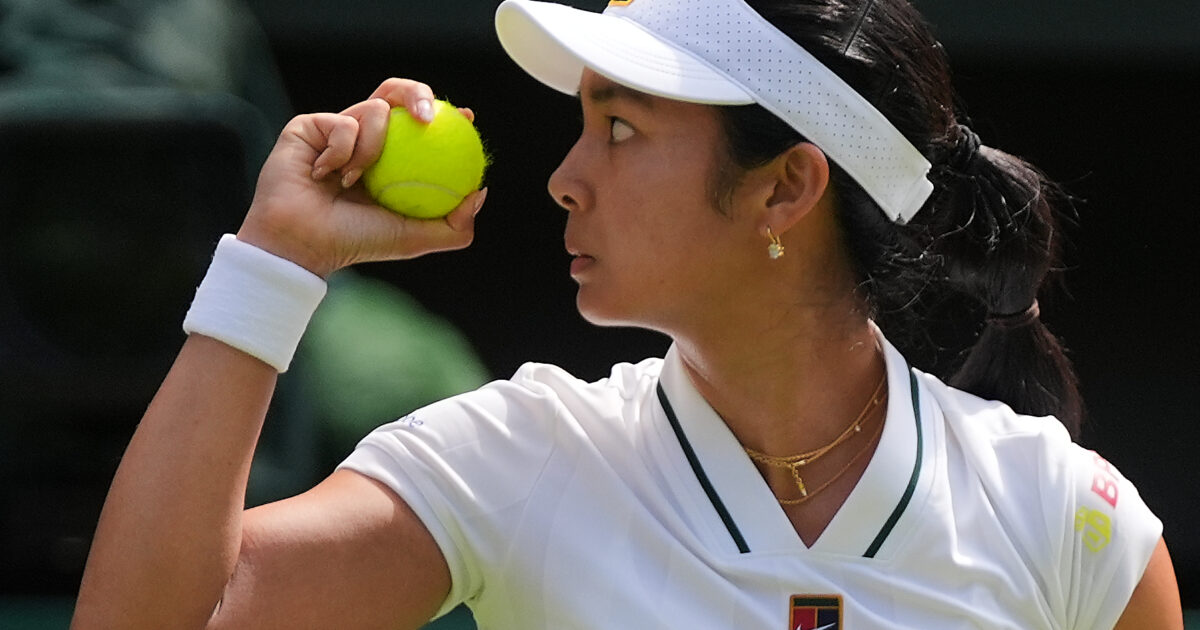
On the tennis court, spectators are expected to remain silent during rallies to avoid distracting the players — an unspoken rule that everyone respects.
Yet, this quiet atmosphere could not be maintained on Centre Court, especially after the Filipino tennis star Alexandra “Alex” Eala produced one historic moment after another during her recent Wimbledon campaign.
In fact, even before stepping into the tournament, Eala already made history as the first Filipina to be seeded at a Grand Slam event, entering at number 29.
But what truly made the crowd erupt in cheers and a standing ovation was when she dethroned the defending champion and World No. 3 Iga Swiatek in the third round in straight sets, 7-6 (11-9), 6-2.Although her phenomenal run came to an end in the next round — bowing out to Jasmine Paolini in a hard-fought 4-6, 6-4, 3-6 match — this loss is only the beginning of something new. Her performance has resonated far beyond the court, reshaping the future of Philippine tennis.
From Grand Slams to grassroots

Viewership and interest in tennis skyrocketed following the news of Eala beating the sports’ giants. The overwhelming support she received in the stands quickly spilled over to social media, amplifying a newfound national pride that turned the heads of every Filipino, sports fan or not.
As the 21-year-old sensation continues to captivate audiences online, calls for free live broadcasts of her matches have grown louder. Social media users are urging officials to air her games on national television, arguing that coverage should extend beyond traditionally mainstream sports such as basketball and volleyball to give tennis greater visibility among Filipino audiences.
To accommodate this escalating popularity, free watch parties were immediately conducted by the Philippine Sports Commission (PSC), the Metropolitan Manila Development Authority (MMDA), and the Philippine Tennis Association (PHILTA) at the PhilSports Arena in Pasig City.
While it may not quite match the massive scale of a Manny Pacquiao fight just yet, her matches have clearly become major and highly celebrated events.
“Kapag lumago, hindi na hihinto”
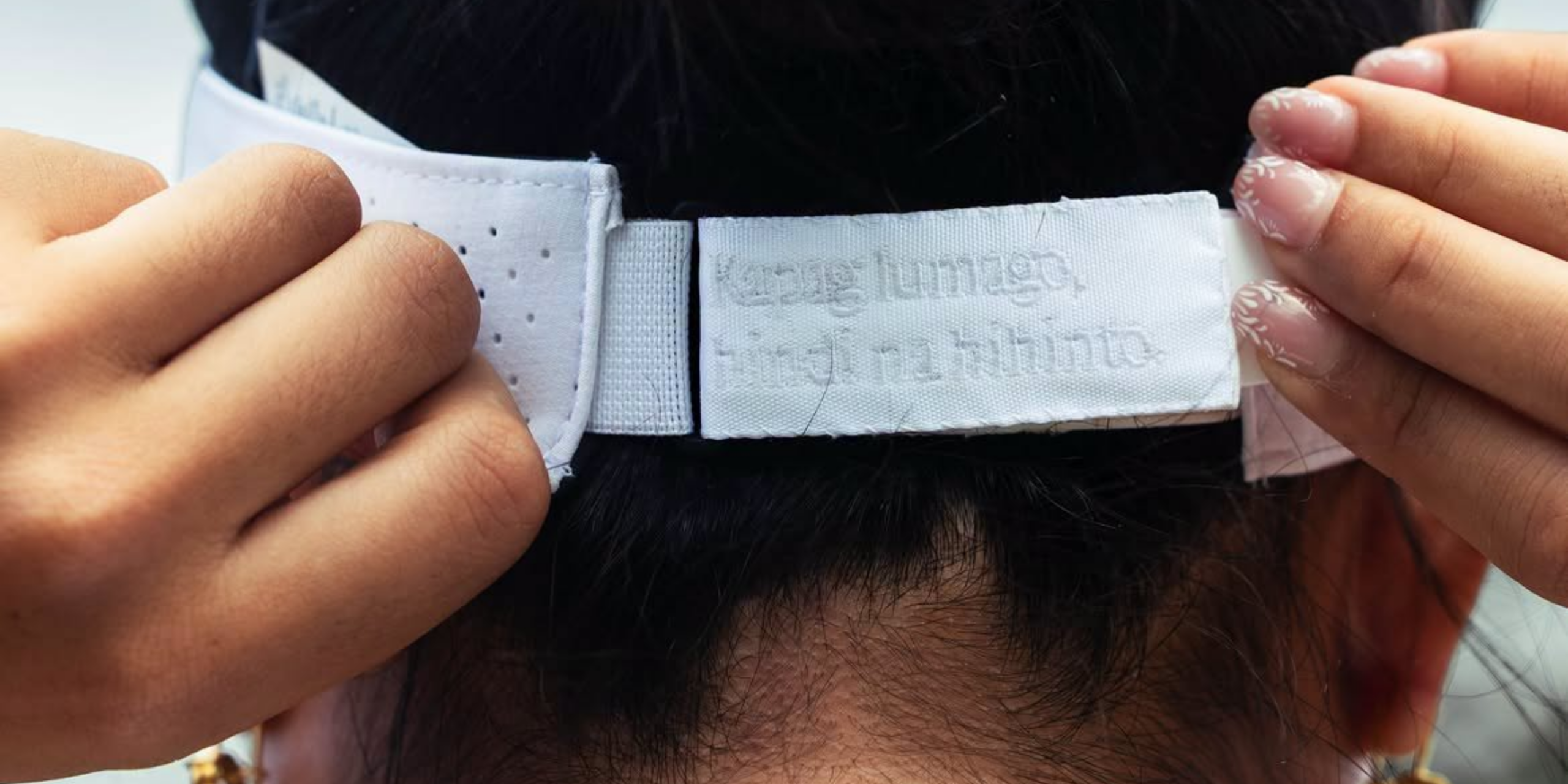
Embroidered on the custom visor that was gifted to her, Eala champions her mantra, “Kapag lumago, hindi na hihinto,” which loosely translates to “Once it grows, it cannot be stopped.”
This statement carries a powerful message that every dream starts as a seed and, once nurtured, becomes an unstoppable momentum.
At the moment, the spotlight shines brightly on her story. Her unwavering determination and concentration have become a blueprint for success, inspiring a new generation of athletes who believe that they, too, can compete and succeed on the global stage.
Recognizing her remarkable journey and character, PHILTA Secretary General and Navotas City Mayor John Rey Tiangco shared how Eala became an inspiration to many.
“Marami tayong matututunan sa kanya. Makikita po natin nangarap siya ng malaki, talagang maraming sakripisyo ang ginawa niya at ng kanyang pamilya. At pinaka-importante, parating napakaganda ng kanyang mindset — laging positive,” he said.
“At dahil kay Alex, mas marami nang gusto mag-tennis ngayon. Mas maraming nang nanonood ng tennis.”
Eala has truly heightened the attention toward tennis. And in doing so, she has ensured that parents and young players no longer feel confined to traditional sporting choices, unlocking the potential of talented Filipino tennis players who might have otherwise been overlooked.
Replanting tennis into Filipino soil

Long before Eala became the face of the sport, Filipino tennis greats like Felicisimo Ampon and Raymundo Deyro were already blazing trails at Wimbledon back in the 1940s and 1950s. But despite their achievements, their presence slowly faded from public memory, leaving Philippine tennis in the shadows for decades.
In a country dominated by sports like basketball and volleyball, it’s no surprise that tennis became an exclusive and expensive sport to pursue. Even Eala recalled in an interview that she grew up not on grass courts but on those with hoops and backboards.
Fortunately, she continues to build on the legacy of those who came before her and revive tennis in modern Filipino culture, sparking a lifestyle and economic impact.
By making tennis more popular once again, Eala has promoted a more active movement. More people are now encouraged to adopt physically engaging and healthy routines, with tennis as an alternative way to foster discipline, consistency, and resilience.
And as more Filipinos pick up rackets and try the sport for themselves, the subtle influence on the market naturally follows. Tennis gear and merchandise have become more visible, while new playgrounds or training facilities are also popping up left and right in neighborhoods, malls, and schools.
The grass is indeed green

Indeed, Eala is a breath of fresh air that is blowing down barriers. Through her triumphs, a new path has cleared, expanding the horizons of the sporting landscape in the country.
The “Eala effect” is undeniable. It ripples and reaches people and other industries, proving that with enough passion and support, tennis can become a deeply rooted game for every ordinary Filipino.
At this early stage of her career, Eala is only starting to write her legacy. She is bound for even greater heights, and the grass has never looked greener for the Philippines.