OFW businesses in the Philippines are changing what it can mean to send money home.
For generations of overseas Filipino workers, remittances have helped pay for groceries, tuition, medical bills, houses and other everyday needs. In 2025 alone, cash remittances coursed through banks reached about $35.6 billion, according to Bangko Sentral ng Pilipinas data.
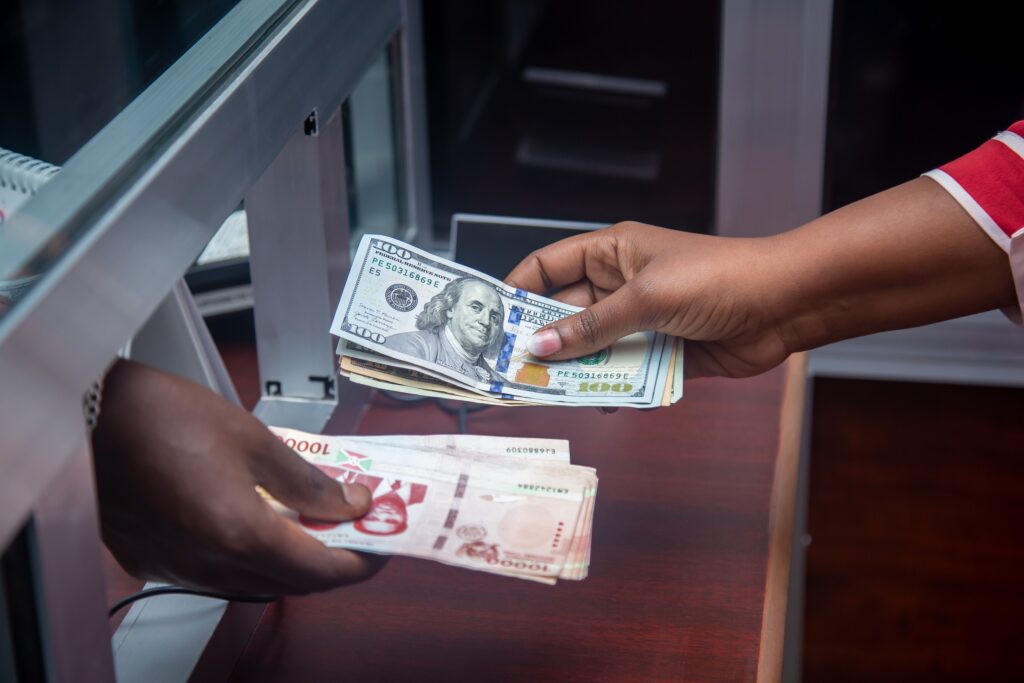
But for some Filipino workers abroad, money sent home is no longer meant only to be spent or saved. It is becoming capital for a small store, food business, farm, franchise or other enterprise that can potentially create income long after the next remittance arrives.
And increasingly, the person financing the business does not have to be physically there to watch over it.
Running a hometown business from another country
A phone can now become a small business control room.
An OFW in Singapore, Dubai or Toronto can receive sales reports through Messenger, transfer money to suppliers through digital banking, check a store through internet-connected CCTV and monitor expenses on a shared spreadsheet.
Payments can arrive through e-wallets or bank transfers. Online marketplaces can generate orders without a traditional storefront. Group chats can connect owners with employees, relatives and suppliers throughout the day.
That makes an idea that once sounded difficult increasingly possible: work abroad while simultaneously building something back home.
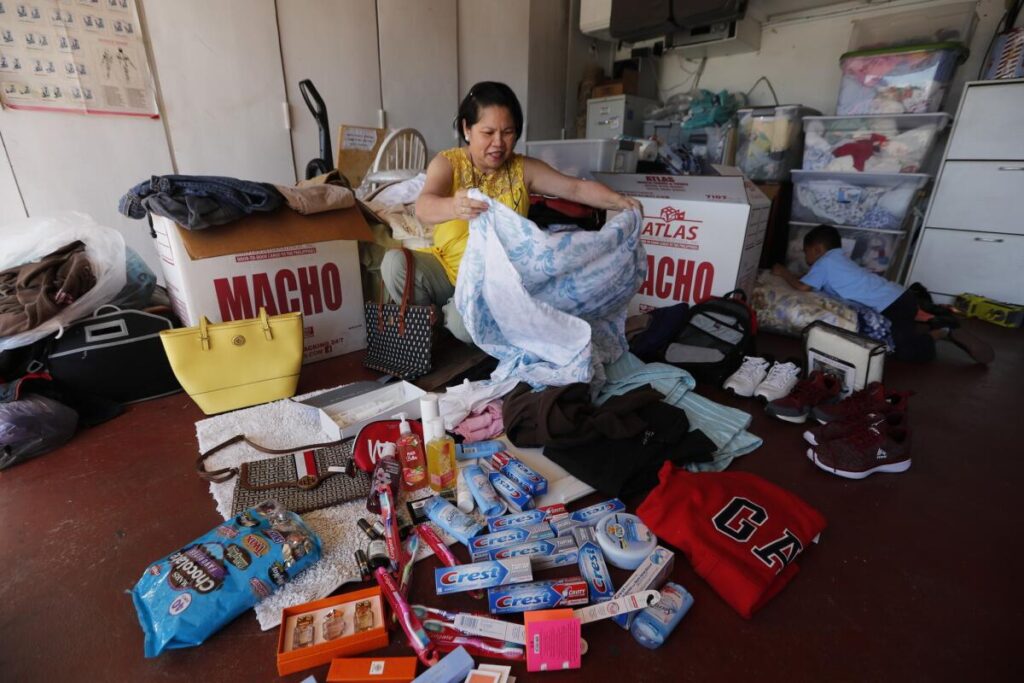
The Philippine government has long encouraged entrepreneurship as part of OFW reintegration. The OFW Enterprise Development and Loan Program of the Overseas Workers Welfare Administration and Land Bank, for example, is intended to help OFWs and their families establish businesses that can generate steady income and employment in their communities.
Eligible individual borrowers may access ₱100,000 to ₱2 million, while group borrowers may access up to ₱5 million, subject to program requirements.
The goal goes beyond giving an OFW another investment option. A business that survives can potentially turn overseas earnings into jobs for relatives, neighbors and other workers at home.
Technology solves distance, but not everything
Running a business remotely, however, is very different from simply financing one.
Technology can tell an owner what was entered into a spreadsheet. It cannot guarantee that every sale was entered.
A CCTV camera can show what is happening inside a shop. It cannot inspect the quality of vegetables delivered that morning, negotiate with a difficult supplier or immediately understand why inventory keeps disappearing.
This is where many OFW-run ventures encounter a decidedly low-tech problem: trust.
Someone still has to open the shop, handle customers, check stock, maintain equipment and make hundreds of small decisions that never appear on a dashboard.
That person is frequently a spouse, sibling, parent or another relative.
Mixing family relationships and business responsibilities can create another layer of difficulty. Questions over salaries, expenses, accountability and ownership may become personal disputes rather than ordinary workplace disagreements.
An Inquirer discussion on the risks of OFWs starting businesses similarly warns against assuming that having overseas income automatically translates into being ready to operate a successful enterprise.
The money may come from abroad. The business still has to make sense locally.
From provider to founder
That distinction matters because the strongest version of this story is not simply an OFW opening a sari-sari store and continuing to send money whenever it runs short.
A sustainable hometown business eventually needs to stand on its own.
If it employs two people, buys produce from nearby farmers, pays a local supplier or keeps spending circulating within a provincial town, the impact of overseas work begins to look different.
A remittance usually moves from worker to household and is eventually spent. Business capital has the possibility, though never the guarantee, of moving through the community repeatedly.
For the OFW behind it, there can also be a more personal ambition.
The business back home may not simply be another source of income.
It could become an exit plan.
Every digital payment checked from another time zone, every sales report opened during a lunch break and every message sent to someone managing the shop is ultimately tied to the same question many overseas workers eventually face:
Can I build something at home strong enough that one day, I no longer have to leave?