Overseas Filipino Workers — OFWs for short — cross borders wherever opportunity arises. In doing so, they often leave their families behind, navigating the delicate balance of stretching limited household budgets from afar.
Yet working abroad does not automatically guarantee financial stability if one does not know how to manage their earnings. While earning a higher income abroad is a significant milestone, building long-term financial security for the family left behind remains the ultimate objective.
The OFW wallet
An OFW‘s income typically flows into four essential categories: food, groceries, utilities, and education. How much remains for savings often depends on job classification; white-collar workers generally set aside a portion of their earnings, whereas blue-collar workers frequently receive just enough to cover daily living expenses.
Higher foreign paychecks can also be deceiving. For many workers, remittances quickly evaporate into the daily cost of survival. According to the Philippine Statistics Authority, only one in three OFWs manages to save from the cash remittances they send home.
Whether at home or abroad, the old truism holds: “it’s not how much you earn, it’s how much you save.”
Stretching their budget effectively
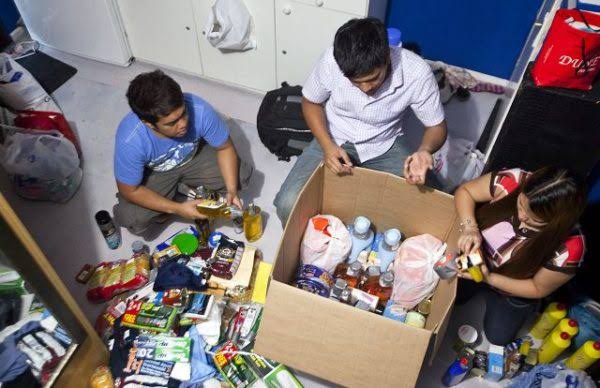
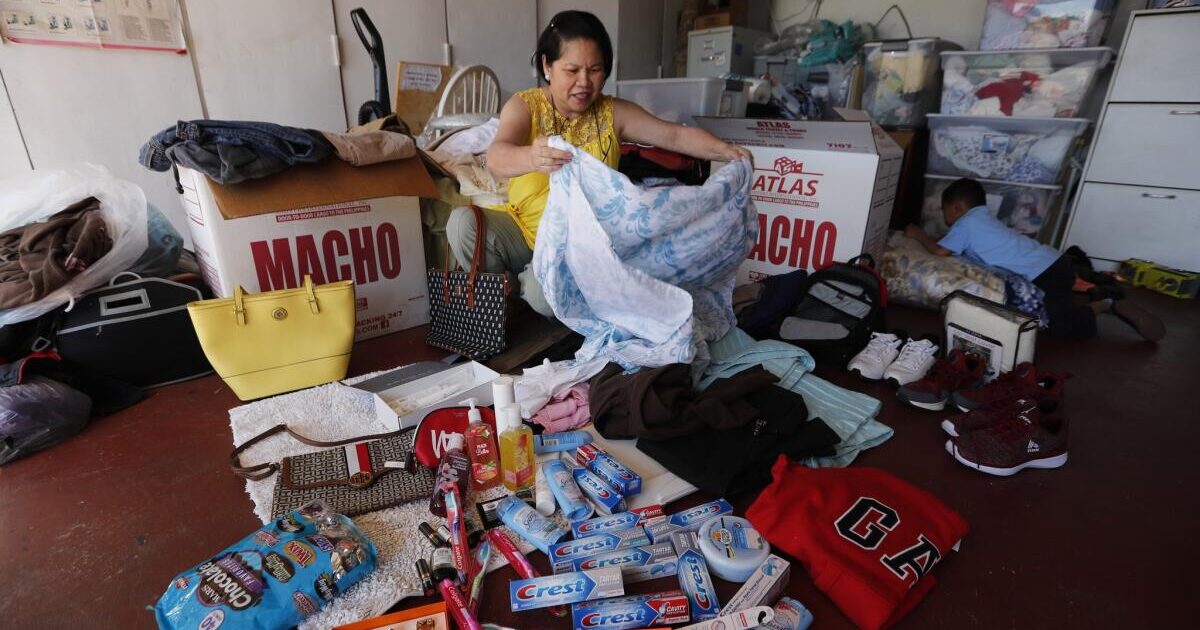
A Filipino family opening contents of their Balikbayan box
Building lasting security requires instilling sound financial habits in both the overseas worker and their family back home. Here’s how they can make every peso count:
Plan
Sending a balikbayan box is a time-honored gesture of love. However, thoughtful shopping is essential to avoid overextending one’s finances.
OFWs should prioritize their immediate family, focusing on practical necessities rather than impulse buys or luxury requests.
The family should be their top priority, and OFWs should give them what they need, not mostly what they want.
Share
The “Ber” months are finally here, and even though December is months away, Filipinos celebrate Christmas early.Because of this, it is natural for OFWs to send pasalubong to their loved ones during this season.
However, shipping to the Philippines can be costly. To minimize expenses, workers can consolidate shipments with a friend. Buying in bulk can also reduce costs, provided necessary arrangements are made for a smooth pickup.
Send
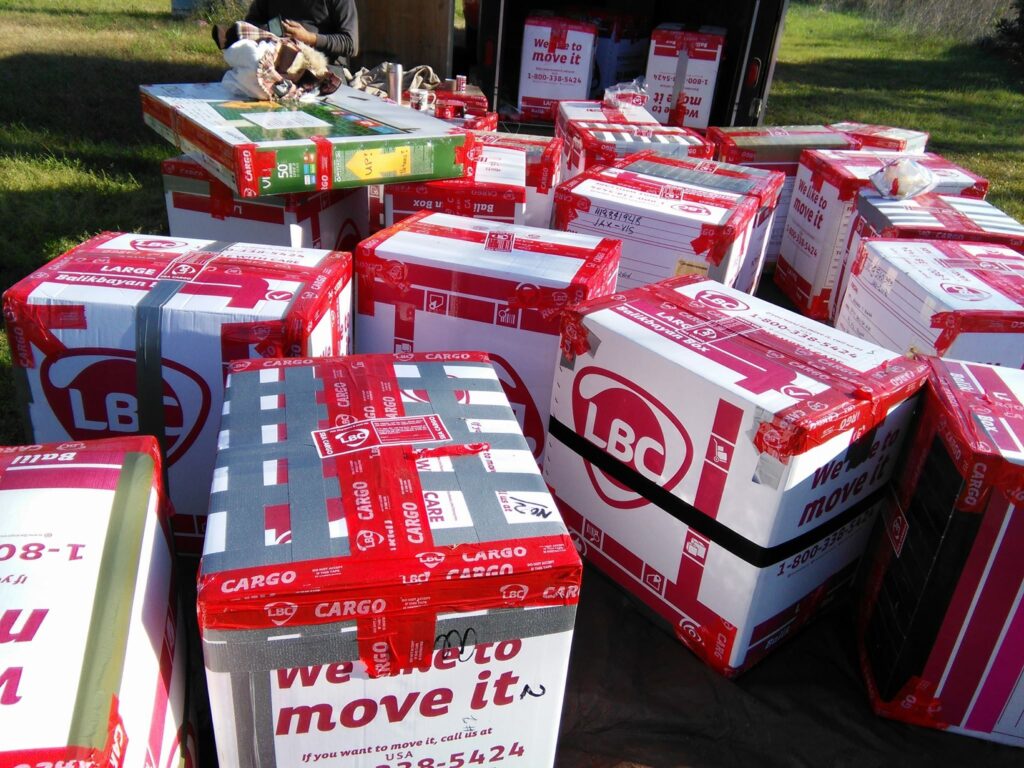
When sending balikbayan boxes or parcel care packages, OFWs must choose a cost-effective, dependable delivery service that fits comfortably within their budget.
Trusted logistics providers like LBC Express — pioneers in door-to-door sea and air cargo for key overseas markets — or JRS Express, with its wide-reaching domestic door-to-door delivery network and international shipping footprint across the Middle East, North America, and Asia-Pacific, offer specialized options tailored for OFWs.
Beyond looking at upfront rates, senders should evaluate each courier’s tracking capabilities, delivery transit times, regional coverage, and overall reputation to ensure hard-earned gifts reach their families safely and on time.
The ultimate goal: Financial stability
Ultimately, the journey of an OFW is driven by the pursuit of financial stability for both themselves and their loved ones.
Earning a higher income is only the first step; without a clear plan to properly stretch their budget, financial security remains out of reach. Many workers send pasalubong without fully accounting for the high costs of shipping packages from overseas.
By practicing these budgeting strategies, OFWs can secure their families’ financial future with greater peace of mind.