There was a time when sunscreen seemed to belong in one particular category of skincare: something you packed for the beach, brought on a summer vacation or remembered after spending an entire afternoon outdoors.
That mindset has changed.
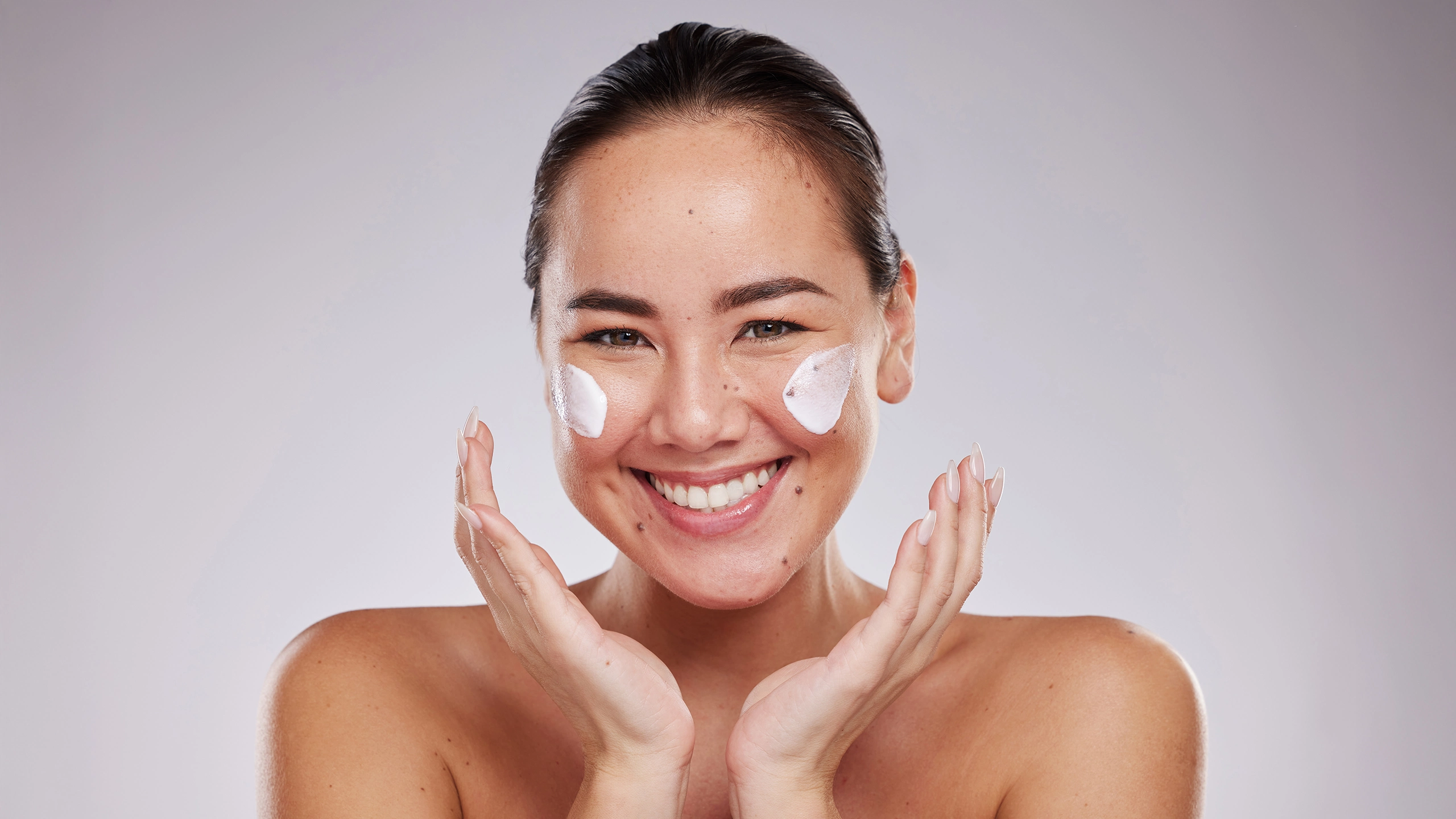
IMAGE CREDIT: Allure Philippines
For many Filipinos, sunscreen has become the final step of the morning skincare routine, whether the day involves commuting to work, running errands, sitting beside a window, going to school or spending hours outdoors.
The shift is part of a broader movement in beauty where sun protection is no longer treated as an occasional extra but as a daily skincare essential.
And perhaps more importantly, sunscreen formulas are becoming easier to live with.
Instead of thick, greasy creams that can feel uncomfortable in the heat, shoppers can now find lightweight gels, watery formulas, tinted sunscreens, makeup-friendly SPFs and products designed to resist water and sweat.
That matters in the Philippines, where skincare has to work with more than just a carefully controlled bathroom environment.
Why daily sunscreen matters
The American Academy of Dermatology recommends choosing a sunscreen that provides broad-spectrum protection, SPF 30 or higher and water resistance.
Broad-spectrum protection means coverage against both UVA and UVB rays, while water resistance indicates how long the product is expected to maintain its protection when exposed to water or sweat.
IMAGE CREDIT: Project Vanity
The reason sunscreen has become such an important part of skincare goes beyond preventing an uncomfortable sunburn.
Regular exposure to ultraviolet radiation can contribute to premature skin aging, including wrinkles and age spots, while UV exposure is also associated with skin cancer. Sunscreen is therefore less about achieving a particular beauty standard and more about protecting the skin over time.
For Filipinos who spend significant amounts of time commuting or outdoors, that makes the daily SPF step especially practical.
The Filipino sunscreen has to survive the heat
A sunscreen can have impressive numbers on its label, but if it feels unbearably heavy after five minutes in Manila’s heat, many people simply will not use it consistently.
That is where texture becomes important.

IMAGE CREDIT: MJ Garcia Perez | Youtube
The local market now includes products marketed as lightweight, non-sticky, non-greasy, water-resistant or makeup-friendly. These characteristics speak directly to how Filipinos actually use skincare.
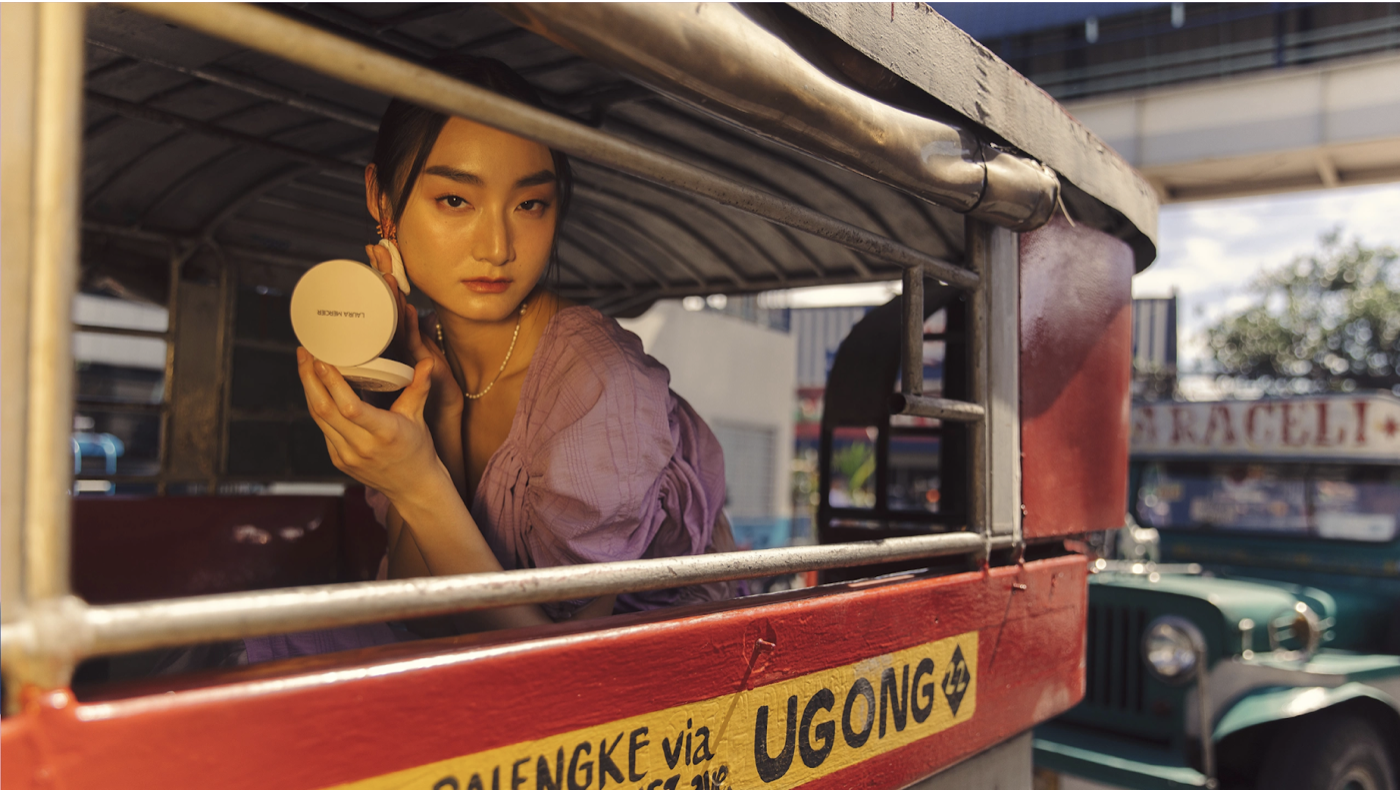
A person might apply sunscreen before leaving home, ride a jeepney or motorcycle, walk under the afternoon sun, spend time in an air-conditioned office and then head outside again for dinner.
The sunscreen has to fit into that lifestyle.
This is one reason newer formulas increasingly resemble skincare products rather than traditional sunblock. Instead of asking consumers to tolerate the product for the sake of protection, brands are making formulas that are intended to feel comfortable enough to become part of an everyday routine.
Local brands are making SPF more accessible
The growth of Philippine beauty brands has also made sunscreen easier to find at different price points.
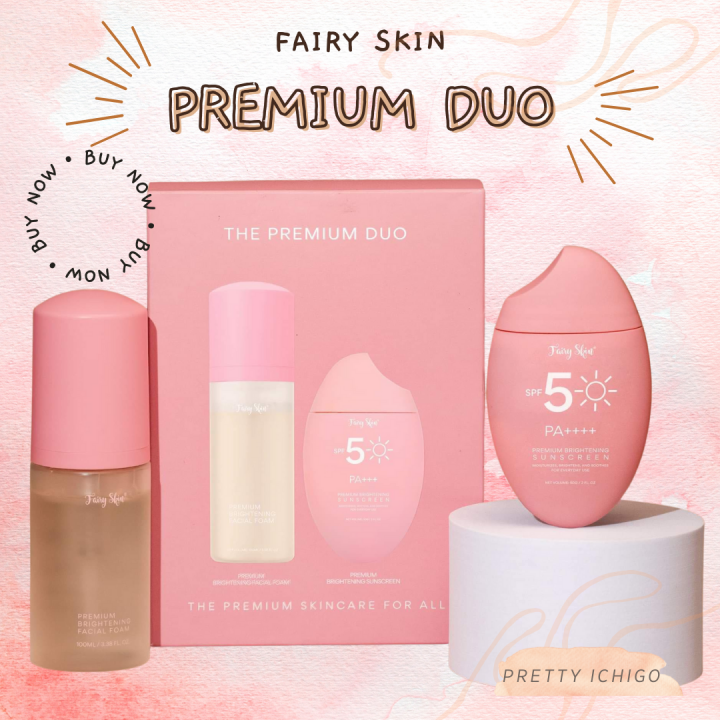
IMAGE CREDIT: Lazada Philippines
One example is Fairy Skin, a Filipino beauty brand that has built a significant part of its identity around suncare. Its Premium Brightening Sunscreen is marketed as an SPF 50 PA++++ product with a lightweight, non-greasy and non-sticky formulation, while also incorporating ingredients such as centella asiatica, niacinamide and licorice root extract.
The brand also offers a Premium Tinted Sunscreen, combining SPF 50 PA+ protection with sheer coverage. It is marketed as lightweight and water-resistant and comes in light and medium shades.
That kind of product reflects how sunscreen is increasingly being folded into the rest of a person’s beauty routine.
Instead of applying sunscreen and then starting over with makeup, a tinted SPF can potentially serve as both sun protection and a complexion product.
Tinted sunscreen is about more than makeup
Tinted sunscreen has also become more interesting because skin tone matters when it comes to how sun protection products look and feel.

Anyone who has experienced a noticeable white cast knows the problem. A sunscreen may technically provide protection, but if it leaves the skin looking visibly chalky, consumers may be less likely to wear it every day.
The American Academy of Dermatology has noted that tinted sunscreens can be useful across different skin tones. It also points out that formulas containing iron oxides can provide additional protection against visible light, which can contribute to darkening, particularly in people with darker skin tones.
For Filipino consumers, whose skin tones span a wide range of shades and undertones, this creates an opportunity for beauty brands to think beyond a one-shade-fits-all approach.
A sunscreen that disappears comfortably into the skin is much easier to incorporate into a daily routine.
From Belo to human nature, the choices are growing
Fairy Skin is far from the only Philippine beauty brand offering sunscreen.
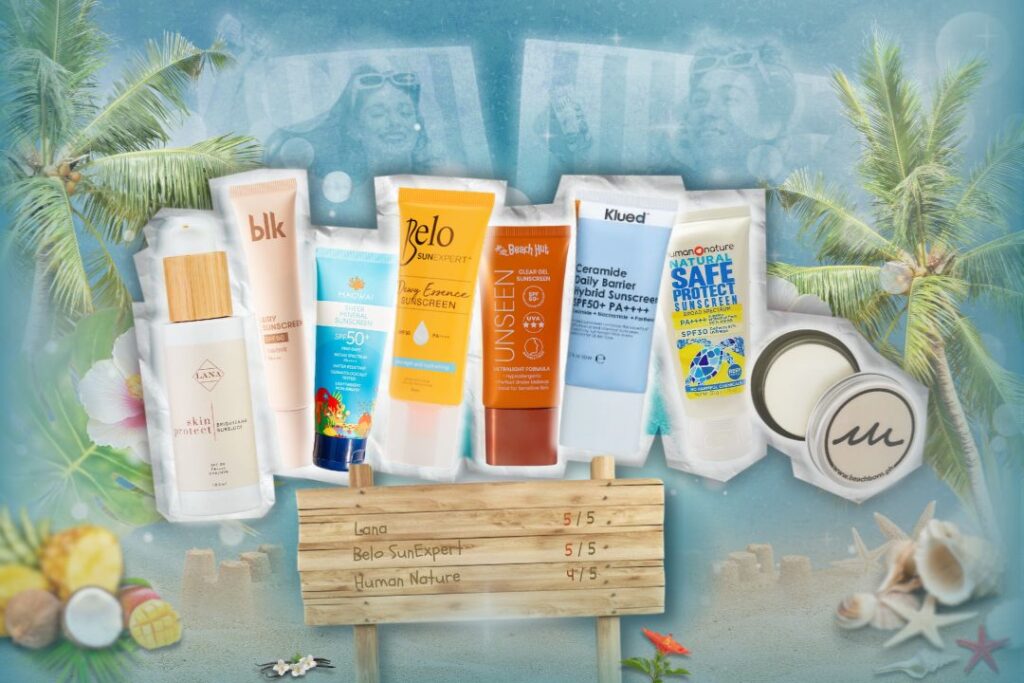
Local-market options include Belo SunExpert, Human Nature SafeProtect, Happy Skin Rescue Me Sun Gel Primer, BLK Cosmetics Universal Skin Tint Sun Shield, Luxe Organix Aqua Daily Sunscreen and Zenutrients Papaya Sunscreen, among others. A recent local sunscreen guide reviewed by dermatologist Dr. Aznaida L. Tawagon-Pandapatan lists these among its Philippine-market options.
The products also demonstrate how varied the category has become.
Some are designed to be primers or makeup bases. Others emphasize a lightweight or matte finish. Some are tinted, while others focus on simple everyday protection.
This means Filipino consumers no longer necessarily have to choose between a sunscreen they like and a sunscreen they can actually afford.
The right SPF is the one you will actually wear
It is easy to get caught up in the numbers.
SPF 30. SPF 50. SPF 60. SPF 80.
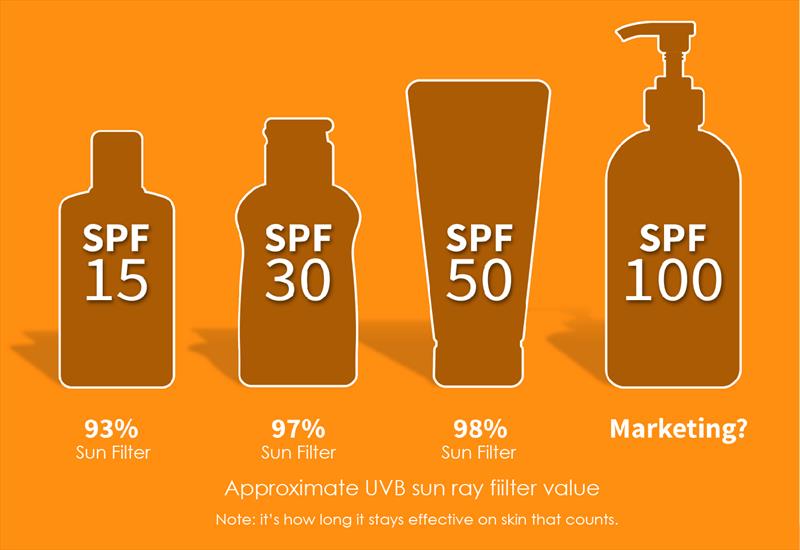
But a higher number does not automatically make a sunscreen the right choice for every person or situation. The American Academy of Dermatology recommends SPF 30 or higher, broad-spectrum protection and water resistance as the key characteristics to look for.
What may matter just as much is whether the formula suits your skin and lifestyle.
If you have oily skin, you might prefer a lighter, less greasy finish. If your skin is sensitive, you may want to pay closer attention to ingredients and choose a formula that does not irritate you. If you spend a lot of time outdoors, water resistance becomes particularly useful.
And if you wear makeup, a sunscreen that layers comfortably underneath it can make the routine much easier.
Sweat-resistant doesn’t mean sweat-proof forever
This is an important distinction, especially in the Philippines.
Even when a sunscreen is labeled water-resistant, that protection does not last indefinitely. The AAD notes that water resistance is typically measured for either 40 or 80 minutes, depending on the product. Sunscreen should be reapplied after swimming or sweating and as directed on the product label.

Best sweat-resistant sunscreen for runners 2026 – Sport Sunscreen
So if you are spending the day at the beach, hiking, playing sports or simply sweating heavily outdoors, applying sunscreen once in the morning is not necessarily enough.
The same goes for people who assume that an SPF product becomes permanent once it has absorbed into the skin.
It doesn’t.
How much sunscreen should you actually apply?
Another common problem is under-application.
A sunscreen can only provide the protection indicated on its label when enough product is applied.
The AAD recommends applying sunscreen before going outdoors and notes that it takes approximately 15 minutes for sunscreen to begin providing protection. It also emphasizes applying sunscreen generously to exposed skin.
This is one reason convenience matters.
If a sunscreen comes in a pleasant texture and fits easily into a morning routine, people may be more likely to apply the appropriate amount rather than using a tiny dab because they are trying to make an expensive product last longer.
Sunscreen is only one part of sun protection

Despite all the attention surrounding SPF, sunscreen should not be treated as an invisible shield that allows unlimited sun exposure.
The AAD also recommends seeking shade and using protective clothing such as lightweight long-sleeved clothing, pants, wide-brimmed hats and UV-protective sunglasses when appropriate.
For Filipinos, that can be especially practical during the hottest parts of the day.
An umbrella, cap, sunglasses or a lightweight long-sleeved shirt can complement sunscreen rather than replacing it.
Think of sun protection as a routine rather than a single product.
The future of Pinoy suncare looks more personal
Perhaps the most interesting development in Philippine skincare is that sunscreen is becoming more personalized.
There are formulas for people who dislike heavy textures, products designed to sit under makeup, tinted options for different complexions, and formulations that combine sun protection with skincare ingredients.
That shift is important because consistency is easier when a product fits into real life.
A sunscreen that feels comfortable during a humid commute is more likely to become a habit than one that leaves the face sticky. A tinted sunscreen that works with your complexion can be more appealing than one that leaves a visible cast. A reasonably priced SPF can also make daily protection more accessible.
In other words, the future of sunscreen is not simply about stronger formulas.
It is about better habits made easier by better products.
SPF is the skincare step worth keeping
Serums will come and go. Beauty trends will change. A new ingredient will eventually take over TikTok, and another complicated 10-step routine will become the next obsession.
But sunscreen is different.
The American Academy of Dermatology continues to recommend daily sun protection because it helps protect against sunburn, premature skin aging and skin cancer.
For Filipino skincare lovers, the good news is that daily SPF no longer has to mean accepting a thick, uncomfortable product.
From local brands developing lightweight formulas to tinted options that combine complexion coverage and protection, the Philippine beauty market is making sunscreen increasingly compatible with everyday life.
And perhaps that is the real beauty evolution.
The best sunscreen is not the one that sits untouched in your bathroom cabinet. It is the one you actually enjoy putting on every morning.