Navigating the bustling streets of Metro Manila has always been a masterclass in patience. Whether it is chasing a elusive jeepney during a sudden downpour, queuing up for the MRT during peak rush hour, or trying to secure a ride when the afternoon heat is at its peak, getting from point A to point B requires careful strategy.
Today, that strategy is shifting.
Data from the global mobility platform inDrive reveals a striking change in urban habits: 74% of Metro Manila residents have turned to ride-hailing apps over the past three months, averaging three trips a week.
Far from being a mere luxury for special occasions, ride-hailing has transformed into an indispensable pillar of modern Filipino lifestyle and urban mobility.
Beyond the rush: The rise of intentional commuting
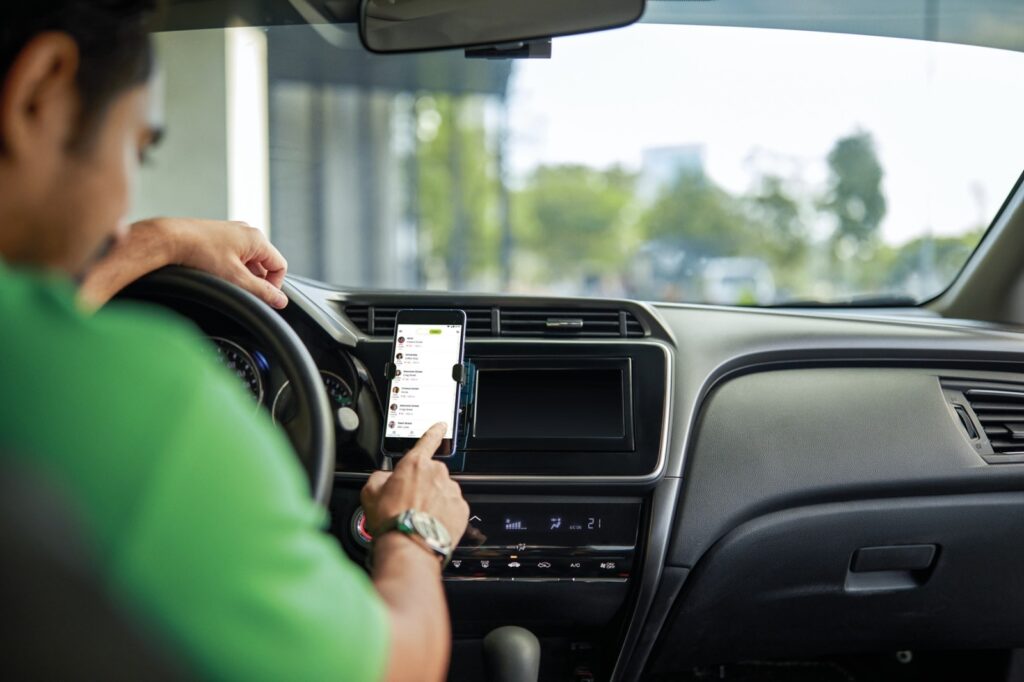
The shift goes deeper than convenience — it is about intentionality. Modern urbanites are no longer just looking for a ride; they are designing their transit around their lives.
According to inDrive’s insights, 56% of passengers now treat ride-hailing apps as their default lifeline when they are pressed for time, while 49% lean on them to salvage their travel plans when unpredictable weather strikes.
Beyond beating the clock and the elements, commuters are prioritizing peace of mind and comfort:
- 32% choose ride-hailing for a more comfortable journey.
- 30% rely on apps to bridge the gap when traveling to areas with sparse public transit options.
- 29% point to the safety net these platforms provide when navigating unfamiliar neighborhoods or traveling late at night.
This evolution is mirrored in where people are heading. Rather than random trips, demand is heavily concentrated around key urban hubs — linking residences to malls, airports, and bus terminals. Mobility has become a fluid, flexible extension of the daily routine, seamlessly fitting into diverse schedules and destinations.
Savvy shoppers on wheels

Filipinos are also proving to be remarkably discerning consumers when it comes to their digital transit tools.
While 78% of commuters cross-shop by comparing fares across multiple apps simultaneously, the cheapest option does not always win the day.
The data highlights a strong emphasis on quality and trust: 87% of users state that feeling safe is their primary consideration, while 73% prioritize ride quality over cost. Today’s passengers are actively looking for reliable vehicle availability, booking flexibility, courteous drivers, and an overall better in-cabin experience.
Keeping pace with a city on the move
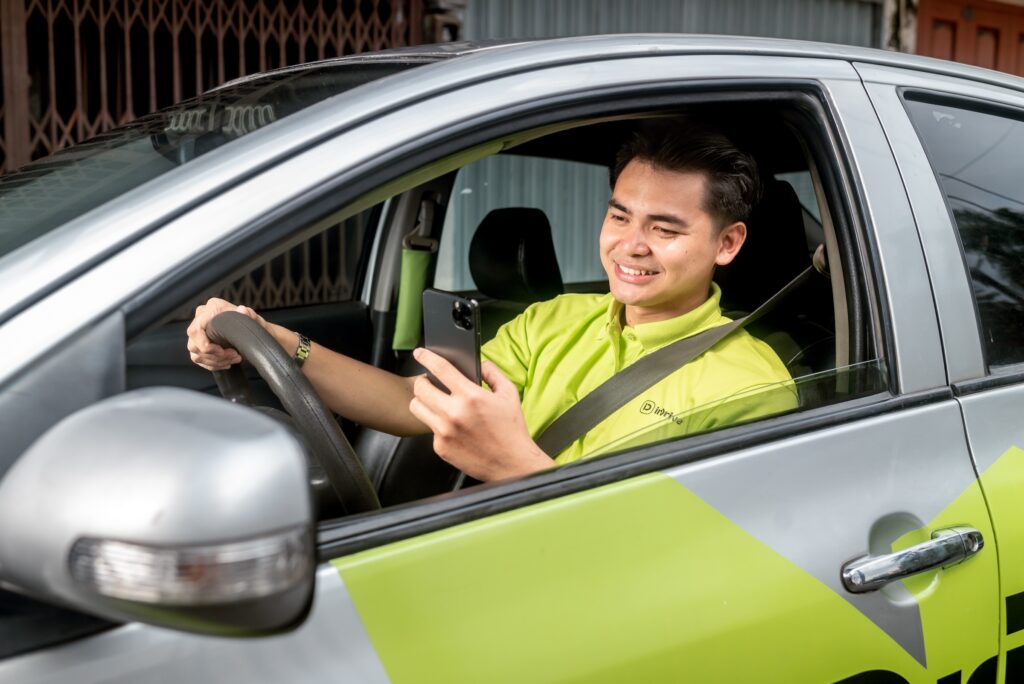
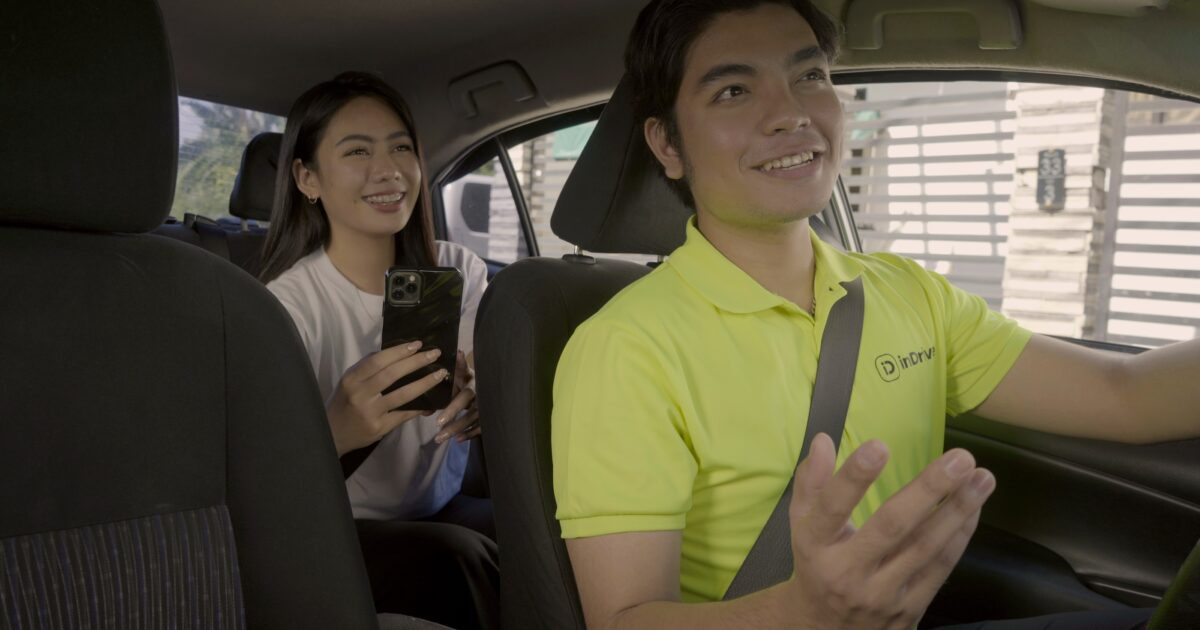
This growing appetite for dependable mobility has fueled rapid momentum for platforms like inDrive.
In the first half of 2026, the platform saw its in-city ride requests surge by 155%, more than doubling compared to the same period last year. To meet this rising tide, the company has significantly expanded its active partner-driver community across the metro.
“With more Filipinos relying on apps like inDrive for their daily commutes, mobility providers need to keep pace with what passengers need and value,” shares Sofia Guinto, inDrive Philippines Country Manager. “By providing consistently available, convenient, and safe rides, we hope to reach more Filipino passengers and prove that a ride booked on inDrive is a trip that is worth their time and budget.”
As the capital region’s transit landscape continues to shift, one thing is certain: the way Filipinos move is becoming faster, smarter, and entirely more intentional.