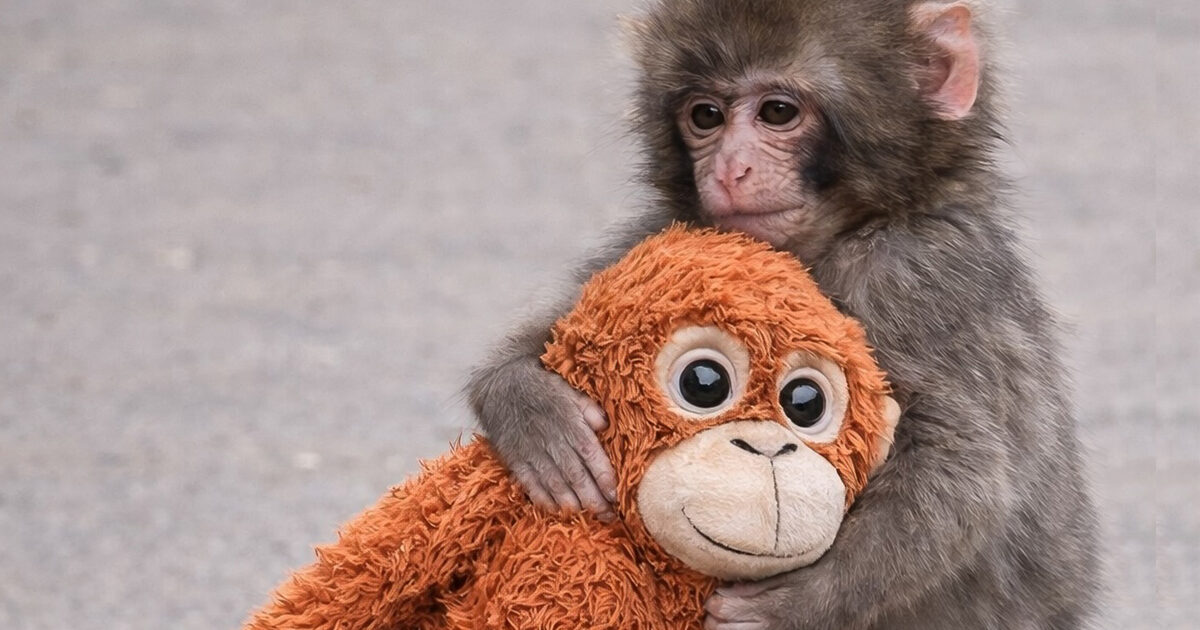
Punch The Monkey has become an internet sensation and a symbol of resilience, compassion, and the unexpected ways animals form emotional bonds.
This 7‑month‑old Japanese macaque at Ichikawa City Zoo in Chiba, Japan, captured global attention with his attachment to a stuffed IKEA orangutan, using it as comfort after being abandoned by his mother and bullied by other macaques.
As the world watched, Punch The Monkey became more than a viral story — he became a face for empathy and connection.
The rise of a viral star
Punch The Monkey’s journey began in challenging circumstances. After losing his mother early in life, he struggled to find his place within the macaque troop.
Other young macaques bullied him, leaving him isolated and vulnerable.
That’s when zookeepers introduced a plush orangutan toy from IKEA to offer comfort. It didn’t take long for video and photos of the macaque clutching the stuffed companion to spread across social media.
Audiences around the world were instantly drawn to Punch The Monkey’s plight and his determination to find solace.
Clips of him dragging the plush toy around his enclosure, hugging it close during quiet moments, or attempting to share it with others sparked a wave of public empathy. Fans began following his story, celebrating every small sign of emotional development and resilience from the little macaque.
The global fascination with Punch The Monkey highlights how digital culture can elevate an individual animal’s experience into a broader conversation about emotional intelligence in animals.
Viewers weren’t just entertained — they were emotionally invested in his wellbeing.
From comfort object to social integration
As Punch The Monkey grew older, the focus of his story shifted. What began as a heart‑warming quirk transformed into a hopeful narrative of social growth. Zookeepers observed that, over time, he began to interact more with other macaques in his troop.
Though still fond of his orangutan plush, he started to engage in play and grooming behaviors with his peers — an important milestone in his development.

Experts note that this gradual integration is a positive sign, not only for his physical health but also for his psychological adjustment. For Punch The Monkey, the stuffed toy served as a bridge between isolation and inclusion, helping him build confidence and social bonds at his own pace.
Videos of him cautiously playing chase or sharing space with other young macaques attracted even more attention, inspiring supportive messages from followers across continents.
This transition also stirred deeper discussions online about animal welfare and captive care. Audiences began to consider how enrichment tools like toys can play a crucial role in the lives of young animals who face early adversity.
For many, Punch The Monkey’s story became a reminder of the importance of compassion — both within the animal kingdom and in human communities.
What Punch The Monkey Teaches Us
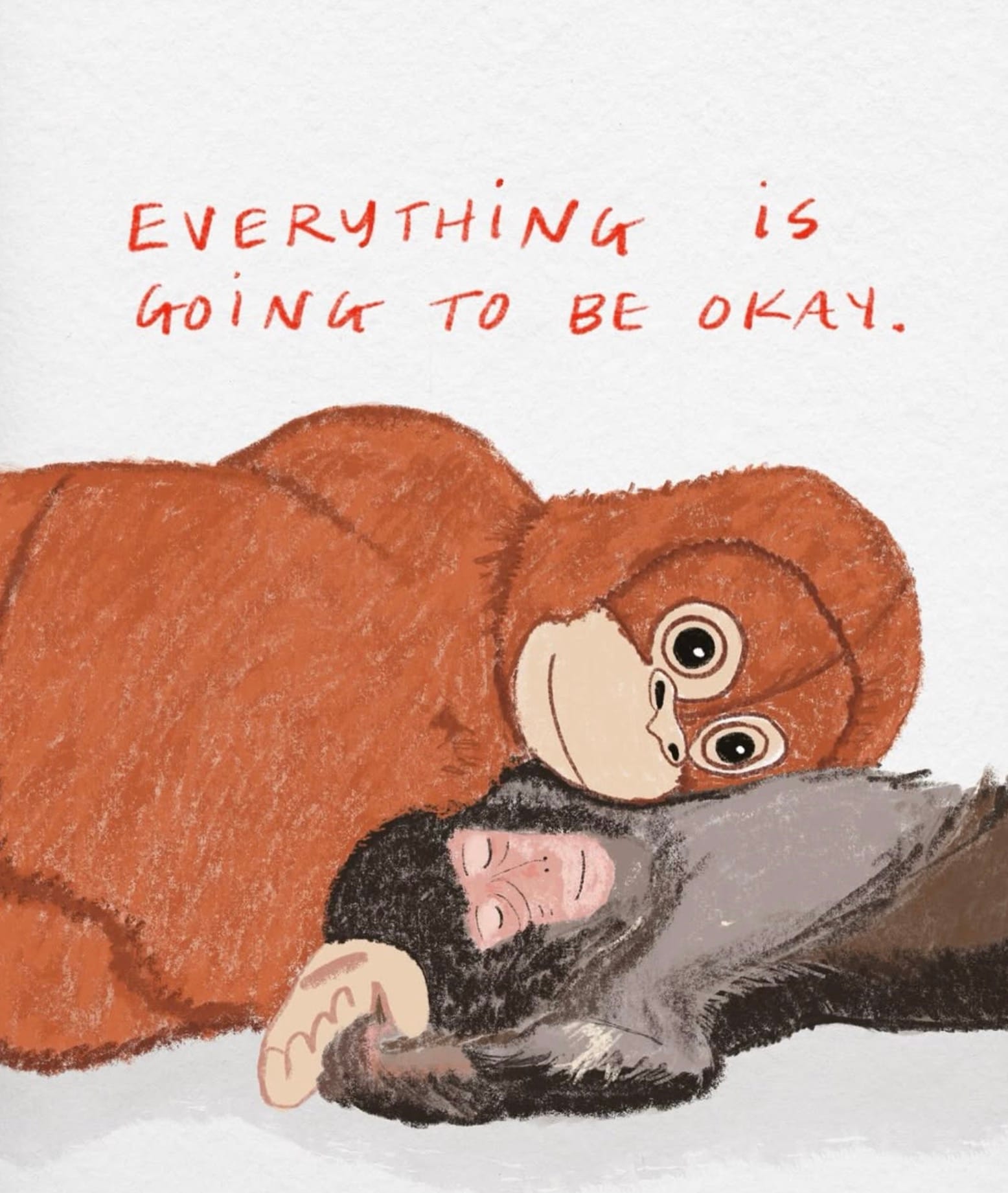
Punch The Monkey’s viral fame goes beyond cute photos and videos. It reflects a universal connection to stories of vulnerability, attachment, and growth. People everywhere resonated with the macaque’s emotional journey, recognizing in him elements of their own struggles and triumphs. His ability to persevere, seek comfort, and slowly find acceptance offers a message of hope.
As Punch The Monkey continues to mature and strengthen his relationships within his troop, his story remains a testament to the power of empathy. What started as a simple bond between a young macaque and a plush toy has grown into a global phenomenon that bridges cultural and linguistic divides. His experience encourages us to look more closely at the emotional lives of animals and to celebrate the small victories that define every journey toward belonging.
In a world often focused on dramatic headlines, Punch The Monkey reminds us of the gentle power of connection and the joy of witnessing someone—human or animal—find their place in the world.