From time to time, news about emerging viruses circulates online and can spark concern —especially when names like “Nipah virus” resurface in regional reports.
While it’s important to stay informed, it’s equally important to separate facts from fear. Understanding what Nipah virus is, where it came from, and how it spreads helps Filipinos stay prepared without unnecessary anxiety.
This article breaks down what Nipah virus is, why health authorities monitor it closely, and what simple steps individuals can take to stay safe — grounded in science and public health guidance.
What is Nipah virus?
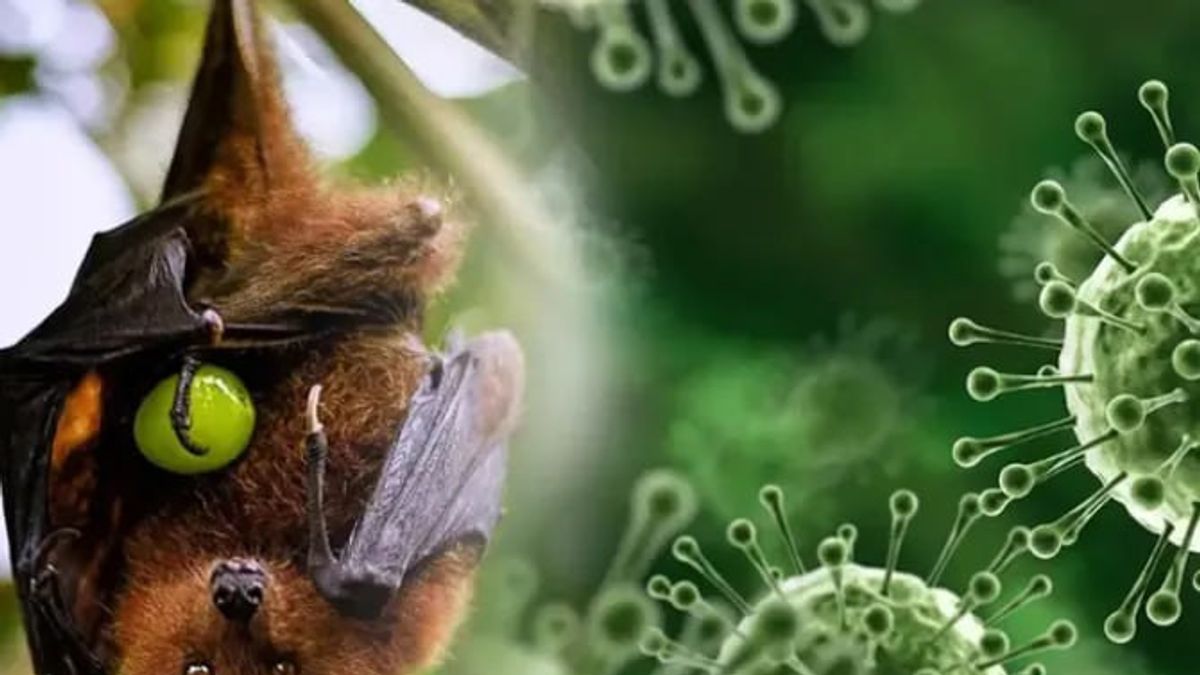
Nipah virus is a zoonotic virus, meaning it is transmitted from animals to humans. It belongs to the Henipavirus genus and can also spread between people through close contact. The virus is naturally carried by fruit bats, also known as flying foxes, which usually do not show symptoms but can shed the virus through saliva, urine, or feces.

In humans, Nipah virus infection can range from mild symptoms to severe illness affecting the brain and respiratory system. While the disease can be serious, infections remain rare and geographically limited.
Where did Nipah virus come from and when did it begin?
The first recognized outbreak of Nipah virus occurred in 1998 in Malaysia, primarily among pig farmers. The virus spread from fruit bats to pigs, and then to humans who had close contact with infected animals. A related outbreak was also recorded in Singapore in 1999 through imported pigs.

Since 2001, sporadic outbreaks have been reported mainly in Bangladesh and India, often linked to food contamination or close human-to-human contact. The Philippines recorded a localized outbreak in 2014, with no confirmed cases reported since. In the Philippines, a Nipah outbreak was recorded in 2014 in Sultan Kudarat Province, where 17 people were infected, likely through contact with infected horses or consumption of contaminated horse meat.
At present, World Health Organization (WHO) and the Philippines Department of Health (DOH) reported that, there are currently no active or newly confirmed Nipah virus cases in the Philippines; the last known infections were in 2014 and none have been reported since then.
How does Nipah virus spread?
Transmission can happen in several ways:
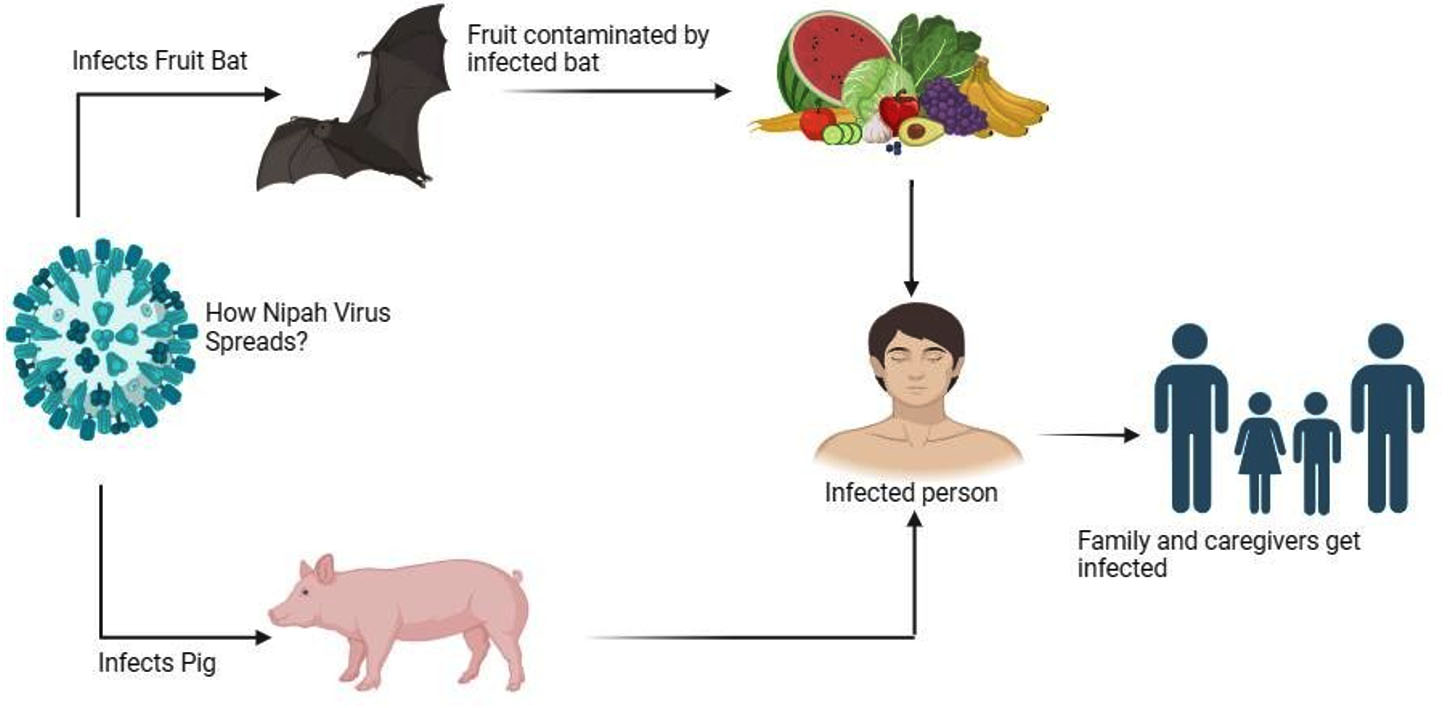
- Animal-to-human: Direct contact with infected bats or pigs, or their bodily fluids
- Food-related exposure: Consumption of food contaminated by bats, such as fruit or unprocessed juices
- Human-to-human: Close contact with an infected person’s bodily fluids, particularly in caregiving or healthcare settings
Nipah virus does not spread easily through casual contact. Unlike airborne illnesses, transmission usually requires prolonged or close exposure.
Symptoms: What should people watch for?
Symptoms typically appear 3 to 14 days after exposure, though some cases may take longer. Early signs can include:
- Fever
- Headache
- Muscle pain
- Sore throat
- Fatigue or vomiting
In severe cases, infection may progress to encephalitis, or inflammation of the brain, which can cause confusion, seizures, and loss of consciousness. Not all infections become severe, but medical attention is crucial if symptoms worsen.
Why caution matters, but panic doesn’t
Nipah virus is monitored closely because it has a high fatality rate and currently has no specific antiviral treatment or licensed vaccine.
That said, several facts help put the risk in perspective:
- Outbreaks are rare and localized, mostly confined to parts of South Asia
- Human-to-human transmission is limited and controllable
- Health systems now have established protocols for detection, isolation, and care
- The Philippines has no active cases and maintains routine disease surveillance
Being cautious means staying informed and practicing prevention — not assuming an outbreak is imminent.
How Filipinos can protect themselves
Simple, everyday actions go a long way:
- Wash hands regularly with soap and water
- Avoid contact with bats or sick animals
- Do not consume fruits or drinks that may be contaminated by animals
- Seek medical care early if experiencing symptoms after possible exposure
- Follow official health advisories from the Department of Health
Healthcare facilities are trained to apply strict infection prevention measures to protect both patients and health workers.
What health authorities are doing
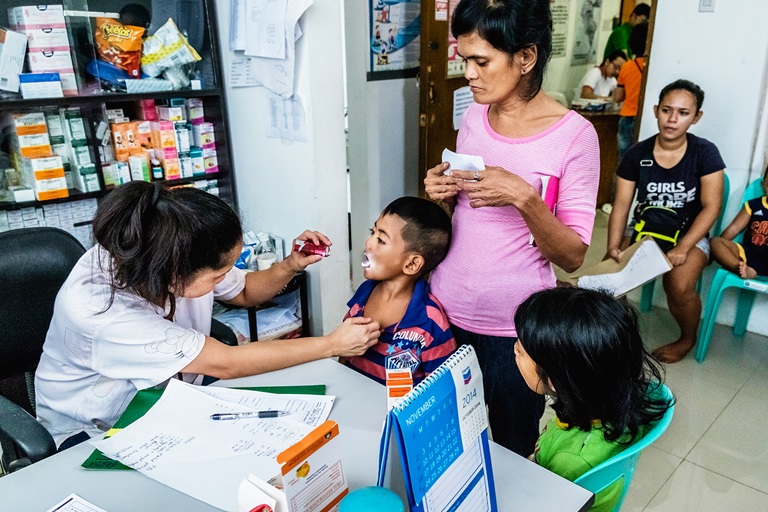
Local and international health agencies continuously monitor emerging infectious diseases like Nipah virus. Surveillance systems, border health measures, and coordination with global partners ensure early detection and swift response should cases arise.
This preparedness is designed to prevent outbreaks before they spread, protecting communities while maintaining public calm.
What to remember
Nipah virus is serious—but it is also rare, well-studied, and closely monitored.
For Filipinos, the best response is awareness, not alarm. Knowing how the virus spreads, recognizing symptoms early, and practicing basic hygiene are powerful tools in keeping ourselves and our communities safe. Staying informed through credible sources — and trusting public health systems to do their job—allows us to respond responsibly, without fear taking the lead.