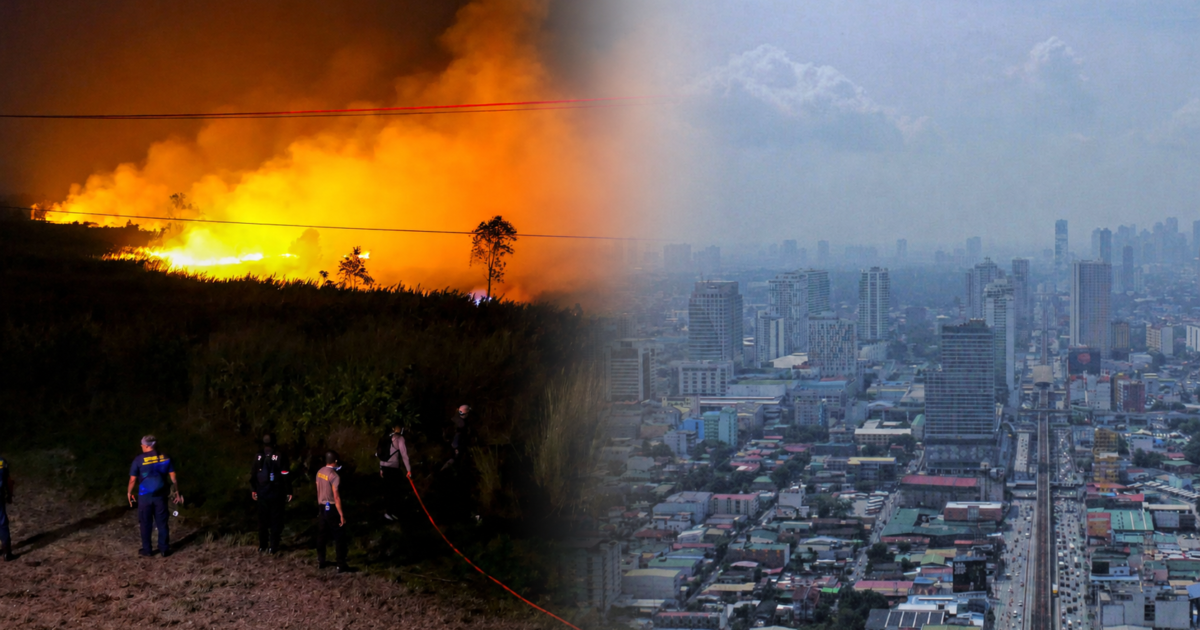
If Metro Manila looked unusually gray this week, the smoke responsible did not necessarily start anywhere near the city.
The Department of Environment and Natural Resources’ Environmental Management Bureau said the haze affecting parts of Luzon and the Visayas came from ongoing forest fires in Kalimantan, Indonesia, with the southwest monsoon or Habagat carrying smoke toward the Philippines.
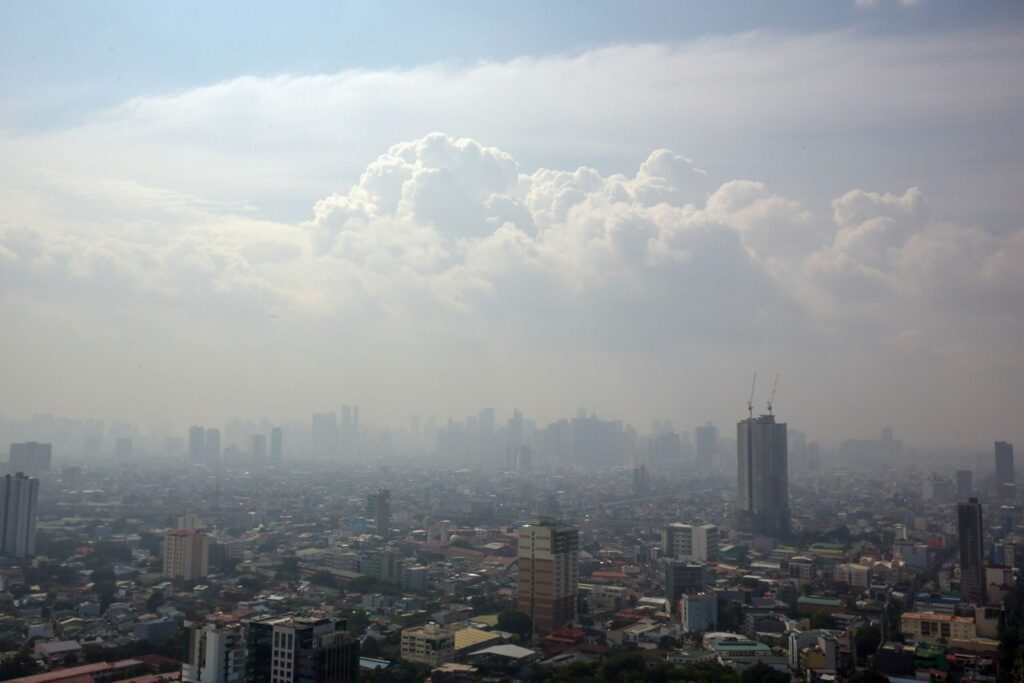
Several Metro Manila monitoring stations also recorded unhealthy levels of PM2.5 as the haze moved across the country, prompting health authorities to advise people to reduce prolonged outdoor activity while pollution remains elevated.
But how does smoke from another country travel well over 1,000 kilometers and end up in the air Filipinos breathe?
The Habagat is basically giving the smoke a ride
Wildfire smoke does not simply stay above the place where a fire is burning.
Heat from large fires can lift smoke and microscopic particles high into the atmosphere. Once airborne, those particles can be picked up by large-scale wind systems and carried hundreds or even thousands of kilometers.
In this case, the DENR-EMB identified the southwest monsoon as the main reason smoke from Indonesia reached the Philippines.
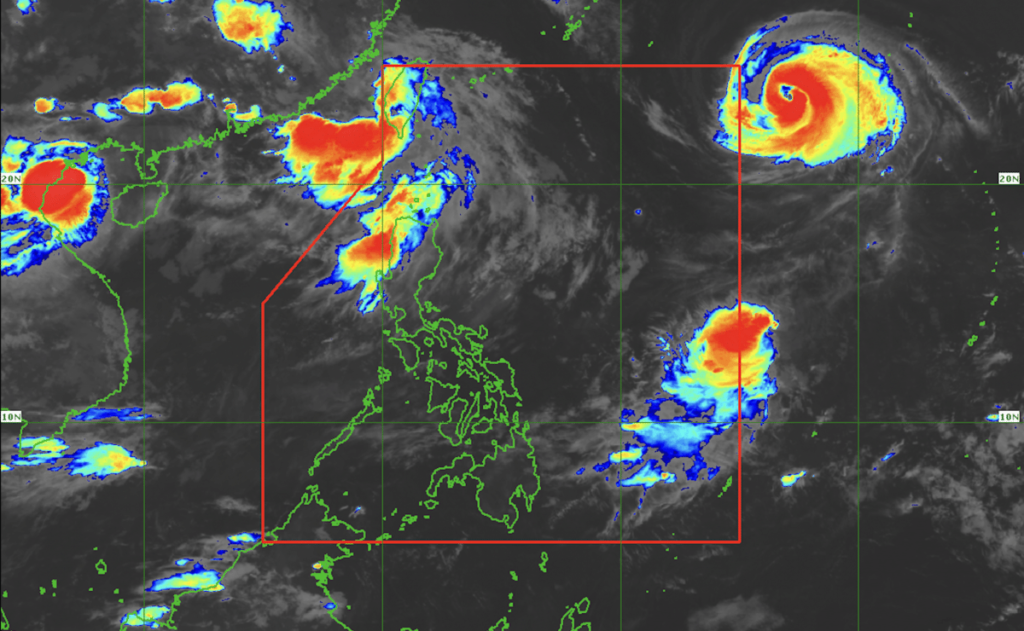
During Habagat season, winds generally bring air toward the Philippines from the southwest. If smoke becomes trapped within that moving air mass, it travels with it.
That means a forest fire does not have to be anywhere near Manila for its pollution to eventually reach the city.
This is also why regional haze is often described as transboundary air pollution. The pollution may originate in one country, while communities hundreds or thousands of kilometers away experience its effects.
The smallest particles are the bigger concern
The gray sky is easy to notice. The more important part of the haze is much harder to see.
Wildfire smoke contains gases and tiny particles, including PM2.5, or particulate matter measuring 2.5 micrometers or smaller.
For perspective, the US Environmental Protection Agency says the average human hair is about 70 micrometers wide, making PM2.5 particles roughly 30 times smaller.
Because these particles are so tiny, they can travel deep into the respiratory system.
That is why a hazy skyline is not only a visibility issue. Air-quality authorities pay close attention to PM2.5 levels because high concentrations can increase health risks, particularly when exposure lasts for hours or days.
You can check current readings through the DENR Environmental Management Bureau’s air-quality monitoring system instead of relying only on how clear or gray the sky looks.
You may want to move your run indoors for now
When outdoor pollution rises, strenuous exercise can increase exposure because you breathe faster and more deeply.
That means running, cycling, sports or long outdoor workouts may be better postponed or moved indoors while air-quality readings remain poor.
The Department of Health has advised people affected by the haze to limit unnecessary or prolonged outdoor activity and use a properly fitted N95 mask when exposure cannot be avoided.
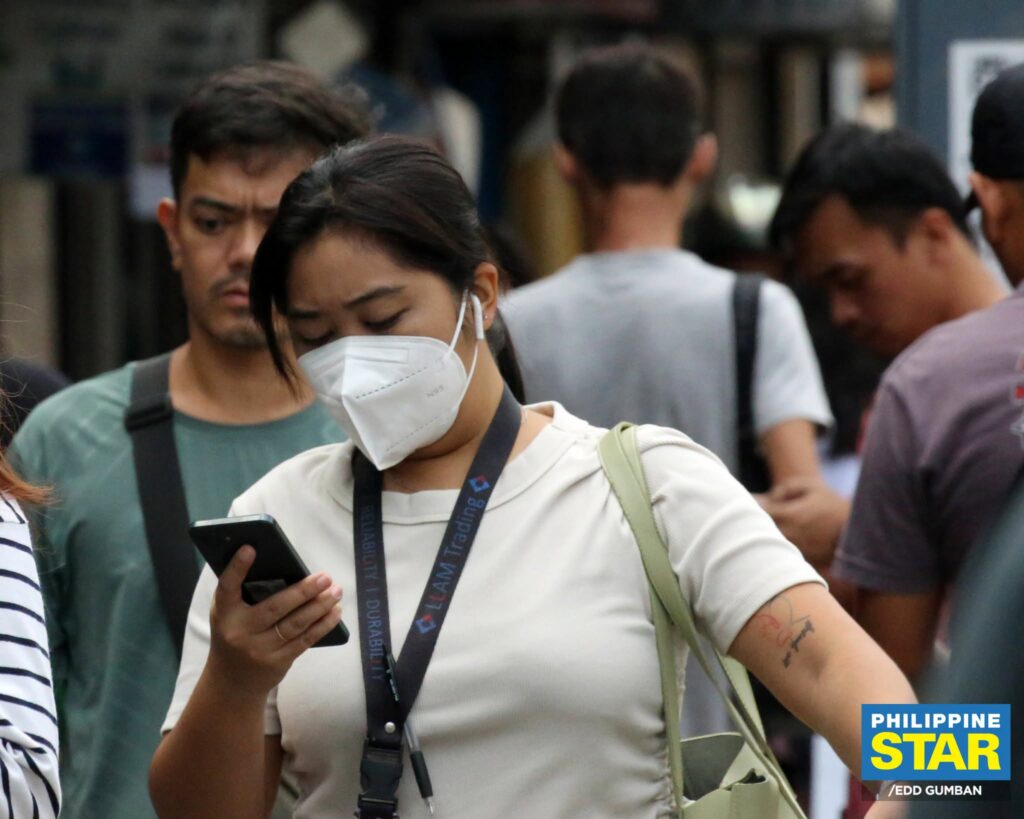
Children, older adults, pregnant women and people with existing heart or respiratory conditions should be particularly cautious.
Anyone experiencing severe difficulty breathing, chest pain or worsening respiratory symptoms should seek medical care.
Closing the windows can help
Being indoors does not completely eliminate exposure because outdoor smoke can enter through doors, windows and ventilation systems.
Still, keeping windows and doors closed can reduce the amount of polluted outdoor air entering your home.
If you use an air-conditioner, check whether it brings outdoor air inside. When possible, use a recirculation setting during periods of heavy smoke.
Many split-type air-conditioners commonly used in Philippine homes mainly recirculate indoor air, although cooling a room does not automatically mean PM2.5 is being removed.
The EPA recommends portable air cleaners with high-efficiency particle filters as one way to reduce fine particles indoors.
It also helps to avoid adding more pollution inside the house through cigarette smoke, candles, incense or prolonged heavy frying while outdoor air quality is already poor.
Your pets are breathing the same air
Dogs and cats are exposed to the haze too.
During periods of poor air quality, keep pets indoors as much as practical and shorten outdoor walks. Vigorous running or play can also increase how much polluted air they inhale.

Pets with existing heart or respiratory problems may be especially sensitive.
Watch for persistent coughing, unusual tiredness or difficulty breathing and contact a veterinarian if symptoms become concerning.
Do not judge the air only by the skyline
One tricky thing about haze is that visibility and air quality do not always improve at exactly the same time.
The sky can begin looking clearer even while fine-particle pollution remains elevated.
Conditions can also vary from one part of Metro Manila to another and change throughout the day depending on wind, rainfall and local pollution.
That is why checking an actual air-quality reading is more useful than simply looking out the window.
Rain can help remove some suspended particles from the atmosphere, while changing wind patterns can also push the smoke away from the Philippines.
Until conditions fully improve, the haze is a reminder that air pollution does not stop at national borders.
A fire burning more than a thousand kilometers away can eventually become part of the air outside your window when the winds happen to be moving in our direction.