In the push toward more sustainable homes and communities, durability is often overlooked. Yet in construction, longevity is sustainability.
A concrete structure that cracks, weakens, or fails prematurely doesn’t just cost more — it consumes more resources, demands repairs, and ultimately leaves a larger environmental footprint.
Strong concrete doesn’t happen by accident. Even with quality materials, poor workmanship can lead to cracked slabs, weakened structures, and costly repairs.
For Concreat Holdings Philippines (CHP), the company behind well-known names like APO Cement, Island Cement, and Rizal Cement, the message is simple: quality materials are only as good as the workmanship that supports them.
Whether you’re working on a home or a commercial build, avoiding these common mistakes can make all the difference:
Using too much water
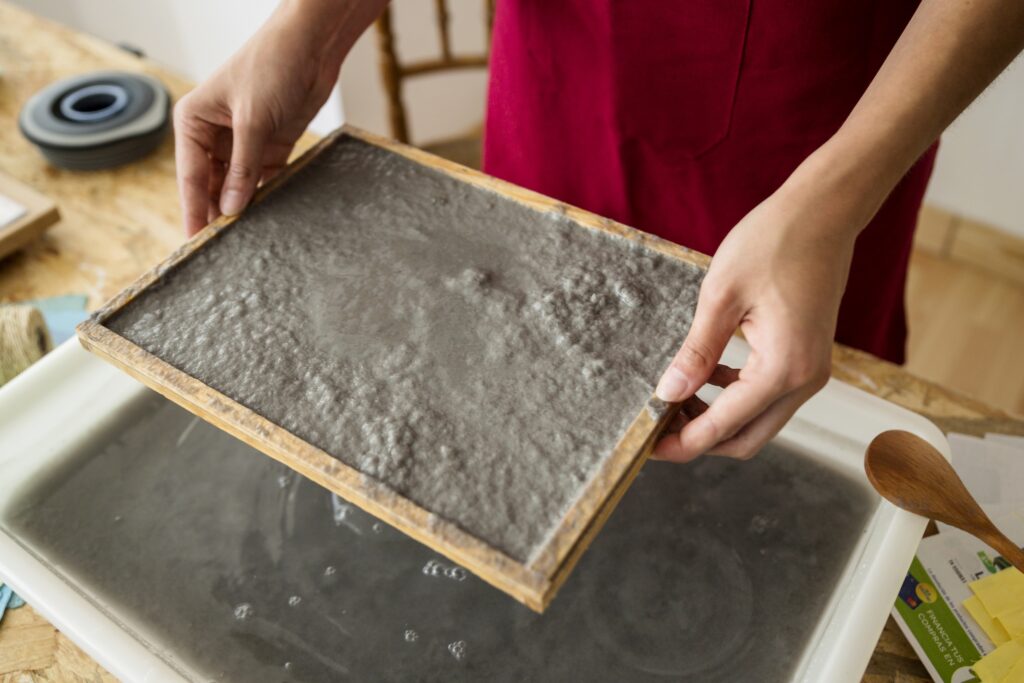
IMAGE CREDIT: Freepik
Adding excess water to the mix feels like a shortcut to workability, but it significantly reduces compressive strength.
A high water-to-cement ratio creates a porous structure that’s more vulnerable to cracking and moisture penetration over time.
The fix: Follow the recommended water-to-cement ratio specified for your project type. Use a plasticizer admixture if you need a more workable mix without sacrificing strength.
Improper storage of cement bags
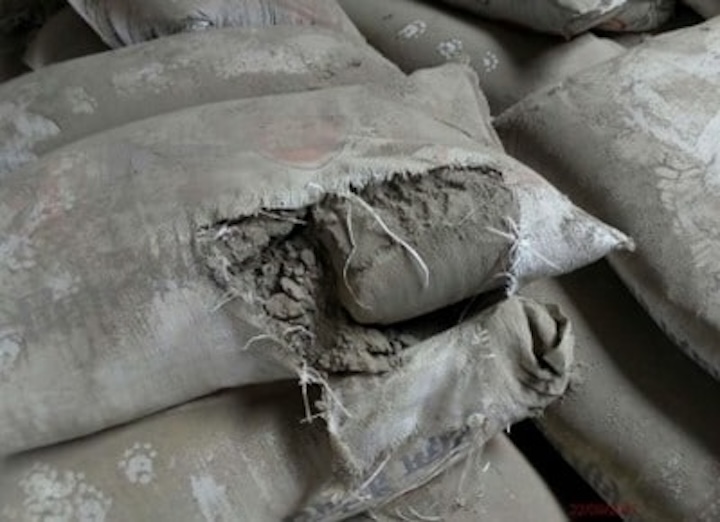
IMAGE CREDIT: shutterstock.com
Cement absorbs moisture quickly.
Bags left on bare ground or exposed to humidity can partially hydrate before use, resulting in lumpy, weakened material that produces substandard concrete.
The fix: Store cement bags on pallets, off the ground, in a dry and well-ventilated area. Use older stocks first and avoid storing bags for extended periods.
Inadequate mixing
Poor mixing results in an uneven distribution of materials, resulting in weak concrete spots and inconsistent strength.
The fix: Mix until the concrete is uniform in color and texture. Follow the recommended mixing time. Avoid under-mixing or overloading the mixer, and make sure all the materials are properly measured before mixing.
Skipping or rushing the curing process
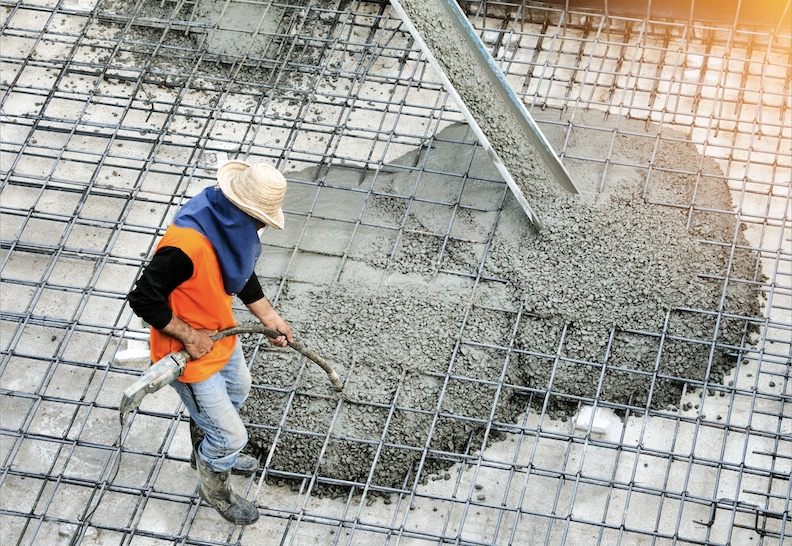
Curing is where concrete gains its strength, serving as a critical phase that determines its long-term durability and performance under real-world conditions.
Without proper moisture retention during the early stages, the surface dries too quickly, leading to the very cracks seen hours after pouring — often caused by rapid moisture loss, temperature fluctuations, plastic shrinkage, and insufficient strength development across the slab.
The fix: Keep freshly poured concrete moist for a minimum of seven days using wet burlap, curing compounds, or plastic sheeting. Avoid working in extreme heat without adequate shade, wind protection, or other coverings that help regulate evaporation.
“Build it right” — right from the start
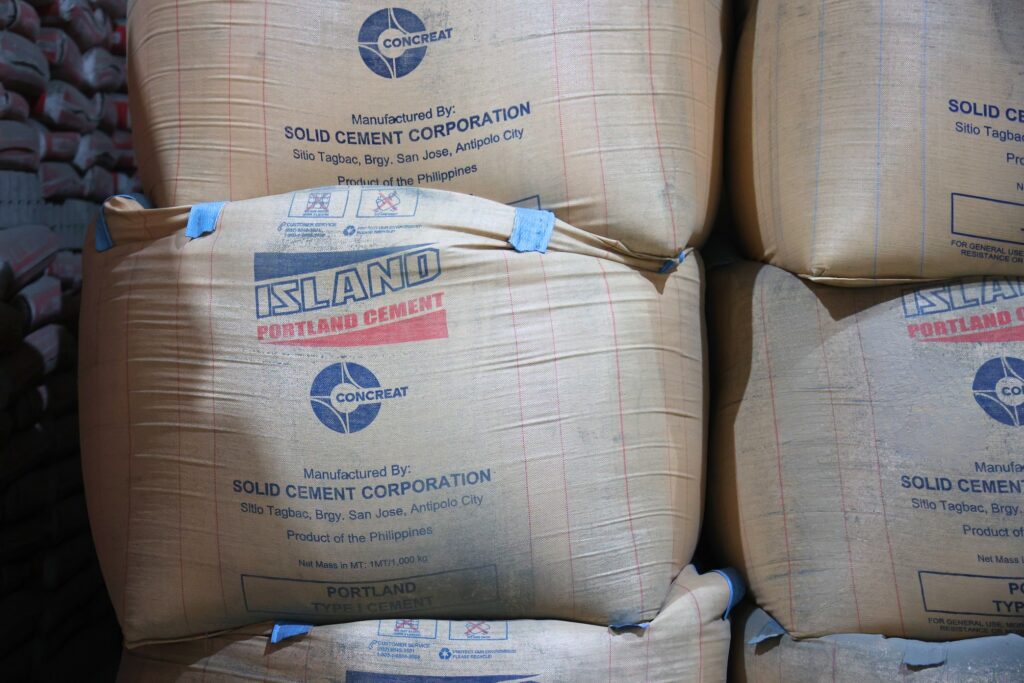
Every strong structure starts with the right practices.
CHP’s APO Cement, Island Cement, and Rizal Cement are engineered for performance, but it’s proper technique that unlocks their full potential.
When quality materials meet quality workmanship, you build with confidence. More importantly, you build with intention.
In today’s construction landscape, every decision carries weight — not just in terms of cost or durability, but in long-term environmental impact. A well-built structure reduces the need for frequent repairs, lowers material consumption over time, and minimizes construction waste that often ends up in landfills.
Getting it right from the start also means fostering a culture of accountability on-site. From proper training of workers to strict adherence to standards, consistency in execution ensures that best practices are not treated as optional, but essential.
Even small steps — accurate measurements, careful handling of materials, and patience during curing — can collectively shape outcomes that last for decades.
For homeowners and developers alike, this approach shifts the mindset from short-term completion to long-term performance. Because in the end, sustainability isn’t only about what you build — it’s about how long it stands, how well it performs, and how responsibly it was made.