The YouTube era is here, and it is not what you think it is.
Beyond establishing itself as a premier multiplatform for long- and short-format videos and music, Google Philippines is positioning YouTube as a broader ecosystem built around three foundational pillars — the 3Cs: Culture, Creators, and Commerce.
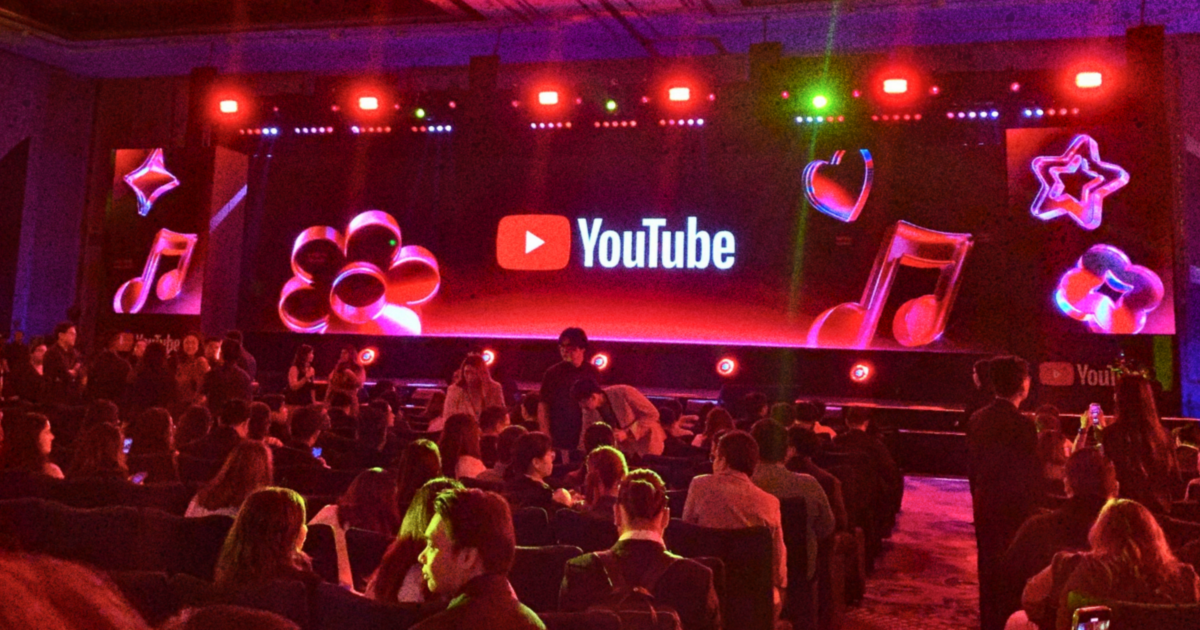
That vision took center stage at the YouTube Works Awards Philippines 2026, held at Shangri-La The Fort, Manila, on August 5, where the country’s top creators, brands, agencies, and advertisers gathered not only to celebrate some of the year’s most effective marketing campaigns, but also to discuss how digital media is changing the way Filipinos discover, consume, and act on content.
From cultural factors and audience behaviors shaping the local digital landscape to what these shifts mean for brands and marketers, the discussions unfolded across three acts, with creators, industry leaders and Google executives sharing their perspectives on where the industry is headed.
The message was clear: YouTube no longer wants to be viewed simply as a place where people watch videos.
It wants to be part of the entire journey — from discovering an idea or product to building trust around it and eventually making a purchase.
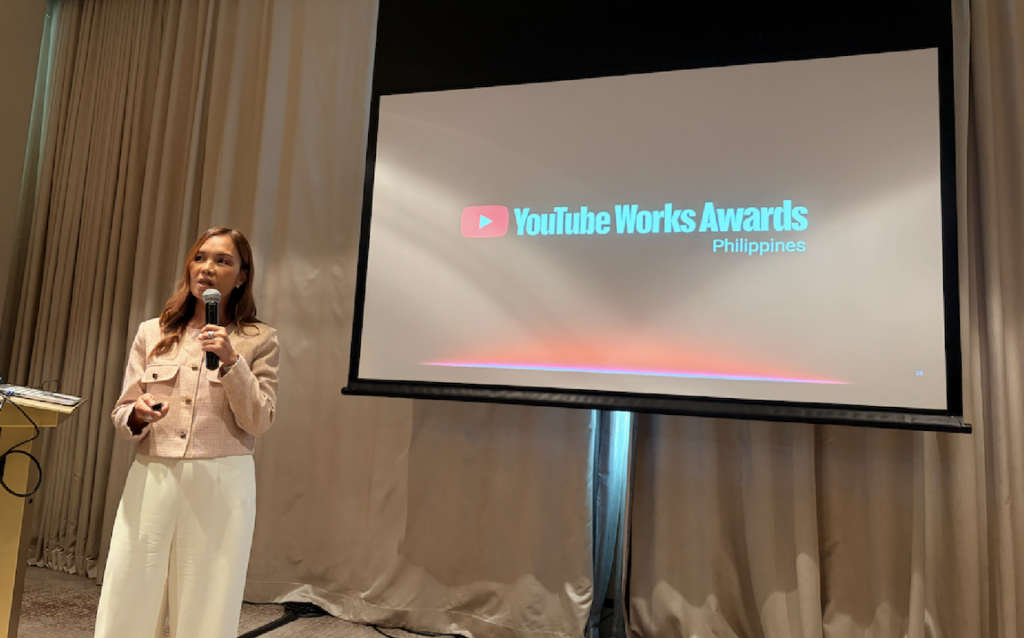
Prep Palacios, Country Manager of Google Philippines
From Shorts and long-form videos to living-room TV content, podcasts, and online shopping, YouTube has built a complete ecosystem that connects with millions of Filipinos every single day across every screen and format,” said Prep Palacios, Country Manager of Google Philippines.
“But our true differentiator is trust,” Palacios added, pointing to the influence creators have on how Filipinos make purchasing decisions.
YouTube Works for culture
For the first act of the night, host Baus Rufo was joined by creators and celebrities including Chef Tatung, Jujumao, Abi Marquez, Melai Cantiveros, and Marvin Agustin.
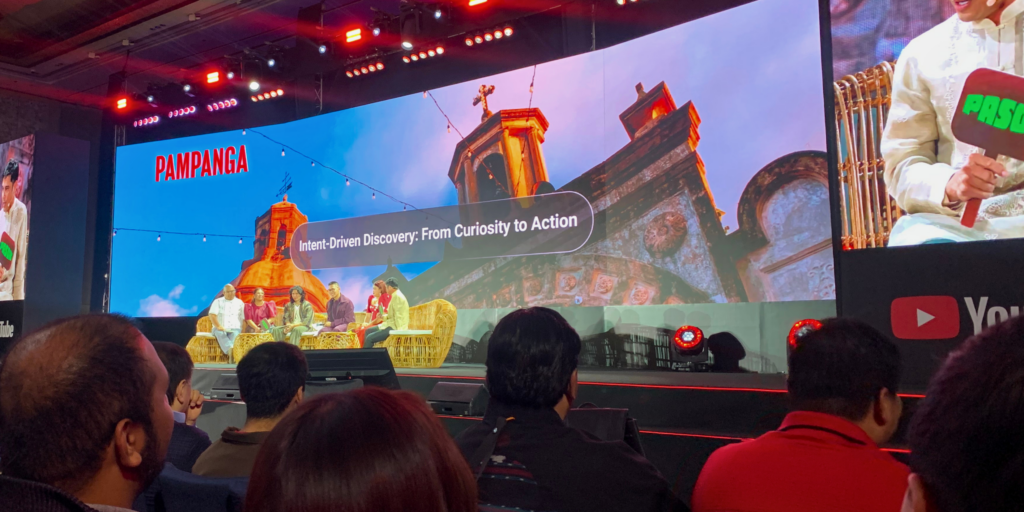
Together, they took the audience on a journey across the Philippines, from the iconic beaches of Cebu to the culinary scene of Pampanga, exploring how YouTube has become a borderless channel where different genres, communities and interests can thrive side by side.
By answering Pasok or Ligwak (Hit or Miss), Chef Tatung challenged the idea that YouTube videos have a short shelf life. He pointed out that some of his older videos, including those published two to five years ago, continue to attract views, trust and revenue.
For Chef Tatung, every recipe video becomes a planted legacy — an example of how evergreen content can continue to create value long after it is first published.
Jujumao, meanwhile, challenged the belief that catering to a niche automatically means slower growth. He argued that the opposite can often be true, with creators focused on specific interests building highly engaged and sometimes much larger communities.
What matters, he said, is storytelling and the ability to communicate one’s passion in a way that sparks curiosity even among people outside that particular interest.
Abi Marquez also expanded on how YouTube allows creators to use different formats at the same time. She said creators can use short-form content to get discovered and hook audiences, while long-form videos allow viewers to take a deeper dive into their content.
Rather than competing with each other, the two formats can complement one another.
Moving to local identities, Momshie Melai highlighted the reach of her “Kuan on One” talk show by sharing how it transcends language barriers.
Despite being a Bisaya-centered show, it continues to attract viewers beyond her home region and has even encouraged non-Bisaya speakers to learn the language.
Finally, Marvin Agustin emphasized intentionality, pointing out that platforms such as YouTube can serve people who actively seek inspiration, satisfy specific curiosities and learn new skills.
The discussion reflected one of YouTube’s biggest advantages: audiences are not simply being served content. They are actively looking for it.
YouTube Works for creators
Hosted by Bianca Gonzalez, the second act turned the spotlight to the growing role of creators as an essential growth engine for brands.
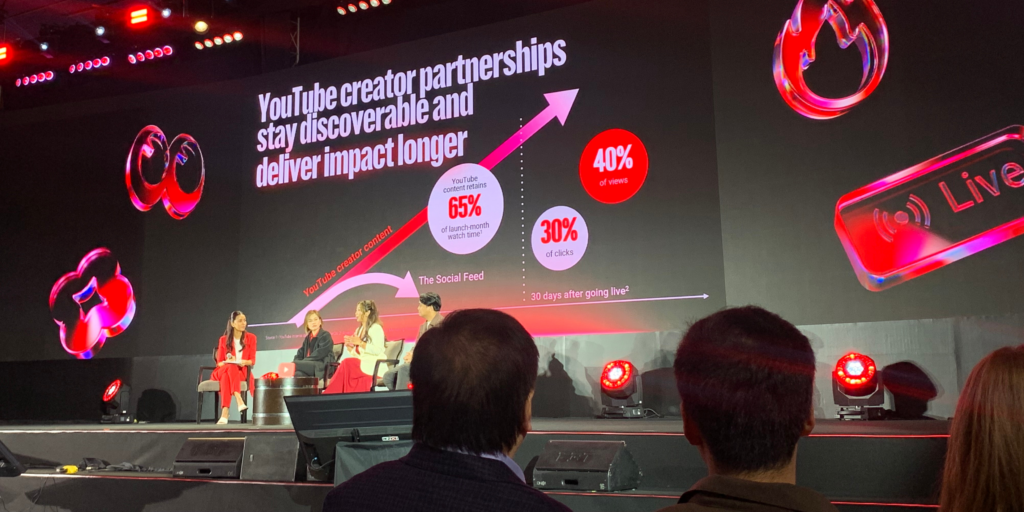
On the panel were Erwin Razon, CEO of Hepmil Philippines; KB Ignacio, Head of WPP Influence Philippines; and Nikki Del Gallego, YouTube Lead at Google Philippines.
Together, they stressed that YouTube creators are becoming an increasingly important part of brands’ media strategies, particularly because the platform can combine Shorts for quick discovery with long-form videos for deeper storytelling and consideration.
Trust emerged as one of the strongest themes.
According to a Google and Kantar study cited during the event, 81% of surveyed Filipino viewers consider YouTube creators trustworthy sources of information about products and brands they want to purchase.
That trust is also reflected in how Filipinos use the platform when making purchasing decisions. Google said 95% of respondents watch instructional videos before making purchases, while 89% watch unboxing videos and 87% rely on product reviews when evaluating products.
The platform’s reach is also extending beyond smartphones. More than 19 million Filipinos now watch YouTube on connected television sets, while uploads of YouTube Shorts by Filipino creators grew by more than 90% year on year as of April 2026, according to Google.
At the same time, the panel acknowledged that managing multiple creator partnerships can be operationally complex.
Google’s answer is to bring more technology into the process.
Through YouTube Creator Partnerships, advertisers can discover creators through Google Ads and Display & Video 360, using AI-powered search tools that organize creators based on keywords, audience demographics, content categories and emerging trends.
Brands can then examine audience insights and engagement metrics before deciding which creators best fit their objectives.
Once partnerships are established, brands can amplify creator content through Creator Partnerships Boost, formerly known as Partnership Ads, while tracking campaign performance through Google’s advertising tools.
The advice from the panel was straightforward: move beyond one-off sponsored posts, develop always-on and multi-format creator strategies, give creators room to retain their own voice, and connect creator content to commerce.
YouTube Works for commerce
That last point became the focus of the third act.
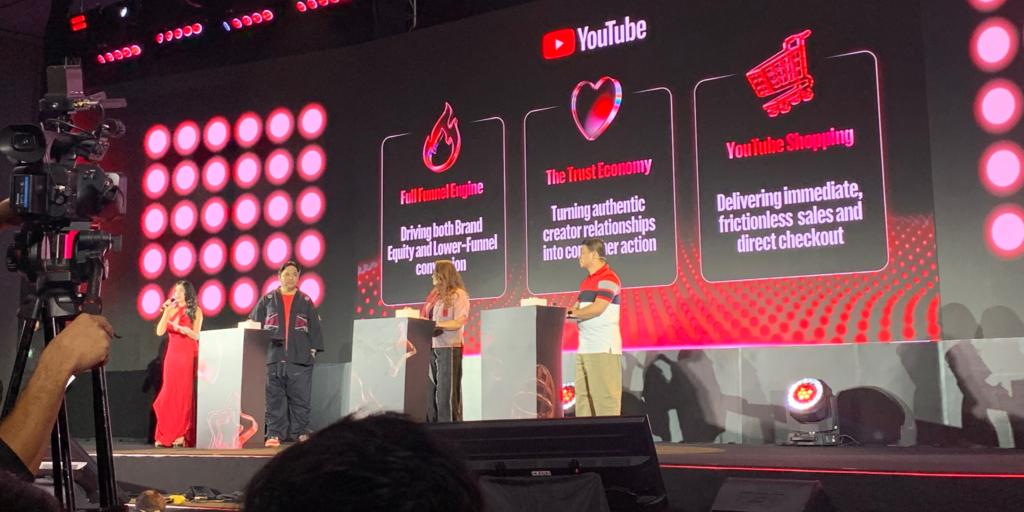
Hosted by Joy Barcoma, the “Fact or Fiction” session featured content creators Carlo Ople, Lyqa Maravilla, and Richmond Tan, who tackled common assumptions about YouTube’s ability to drive sales, build consumer trust and turn content into commerce.
Carlo, an entrepreneur, argued that it is fiction to view YouTube as a platform useful for awareness alone.
He said YouTube can support the entire customer journey, from product discovery to purchase, citing Google research that found YouTube generated twice the return on investment of linear television in the Philippines.
The finding came from a commissioned Analytic Edge meta-analysis of 21 Philippine consumer packaged goods marketing mix studies conducted between 2021 and 2025.
Coach Lyqa, meanwhile, underscored the importance of trust.
She cited her experience reviewing ballpens for civil service examinees, noting that although the video was published years ago, it continues to influence consumer choices.
The example illustrated a characteristic of YouTube that traditional advertising can struggle to replicate: useful content can continue working long after the original campaign period ends.
Lyqa also emphasized that creators need to be selective about the products they endorse because their credibility is ultimately tied to the trust they have built with their audiences.
Richmond Tan closed the discussion by highlighting how YouTube Shopping is simplifying the path from content to purchase.
Instead of creators manually placing affiliate links in descriptions and directing viewers to search for them, products can now be tagged directly within eligible videos.
For consumers, that means discovering a product and taking the next step can happen without leaving the viewing experience.
AI becomes the connective tissue
Behind much of this evolution is artificial intelligence.
Google is increasingly using its Gemini AI capabilities to interpret viewer intent and help connect audiences with relevant creators, advertisements, products and content recommendations.
Rather than relying solely on broad demographic targeting, AI can analyze multiple signals to help marketers deliver more relevant messages at different stages of the customer journey.
From video platform to business ecosystem
The YouTube Works Awards Philippines 2026 offered a glimpse of what that future could look like.
The awards recognized campaigns that combined creative storytelling with measurable business outcomes, including GCash’s “GLoan with Free Health Insurance: Loan Song Syndrome,” which took home Best of Philippines and Masters of Media.
Other winners included Del Monte Philippines for The Big Bang, Jollibee Christmas 2025 for Multiformat Storytelling, Colgate Total featuring Davao Conyo and Dr. Vicki Belo for Brands & Creators, and Maggi Philippines for Best of Festive.
WPP Media was named Media Agency of the Year, while Publicis JimenezBasic won Creative Agency of the Year and HIIP Philippines was named Specialty Agency of the Year.
The Philippine winners will go on to compete at the YouTube Works Awards Southeast Asia later this year.
But beyond the trophies, the event offered a bigger indication of where digital marketing is heading.
Advertising is increasingly being measured not only by how many people see a campaign, but by whether it can build trust, influence decisions and generate measurable results.
YouTube is betting that its advantage lies in bringing those pieces together.
It has the creators who can build credibility, the formats that can capture attention, the AI to help brands find and reach relevant audiences, the commerce tools to shorten the path to purchase, and the connected-TV reach to extend the experience beyond the smartphone.
As the night came to an end, one thing became clear: YouTube is evolving into a more dynamic and integrated platform.
For brands and creators, the question is no longer simply whether people are watching. It is what happens after they watch.