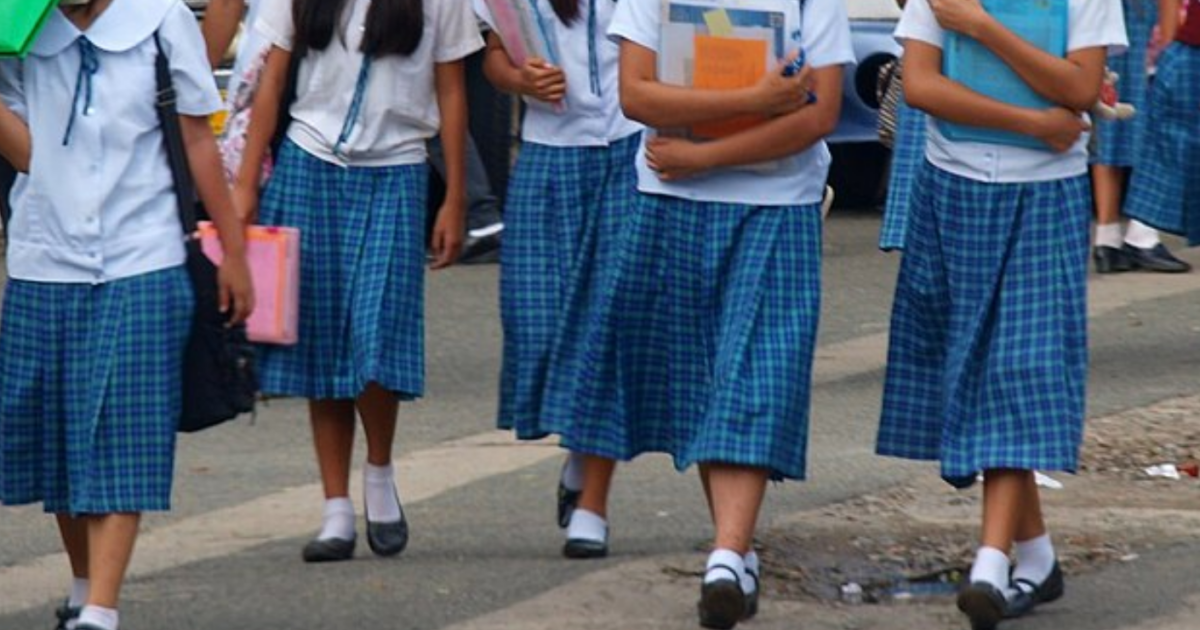
Menstrual health education is supposed to be as normal as any school lesson — but for many Filipino girls, it becomes the reason they quietly miss class. As the back-to-school season officially began on June 8 in most parts of the Philippines, not every student walked through the school gates with the same confidence.
Some stay home, not because they don’t want to learn, but because their period makes school feel like a place of stress instead of safety.
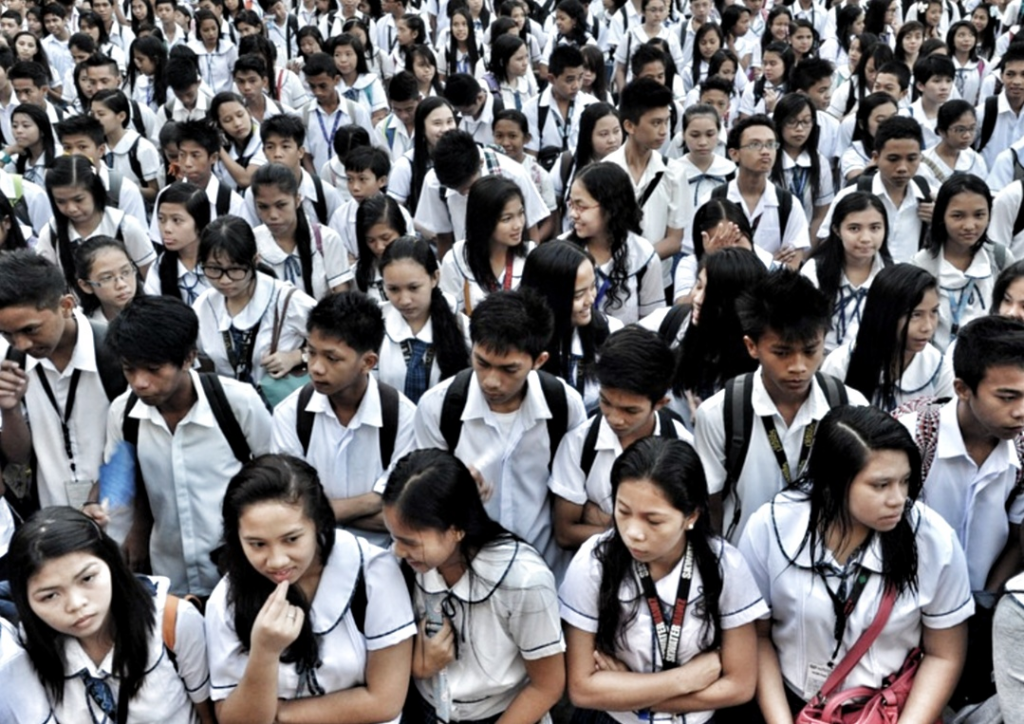
In the Philippines, reports show that around 8 percent of girls have skipped school due to menstruation.
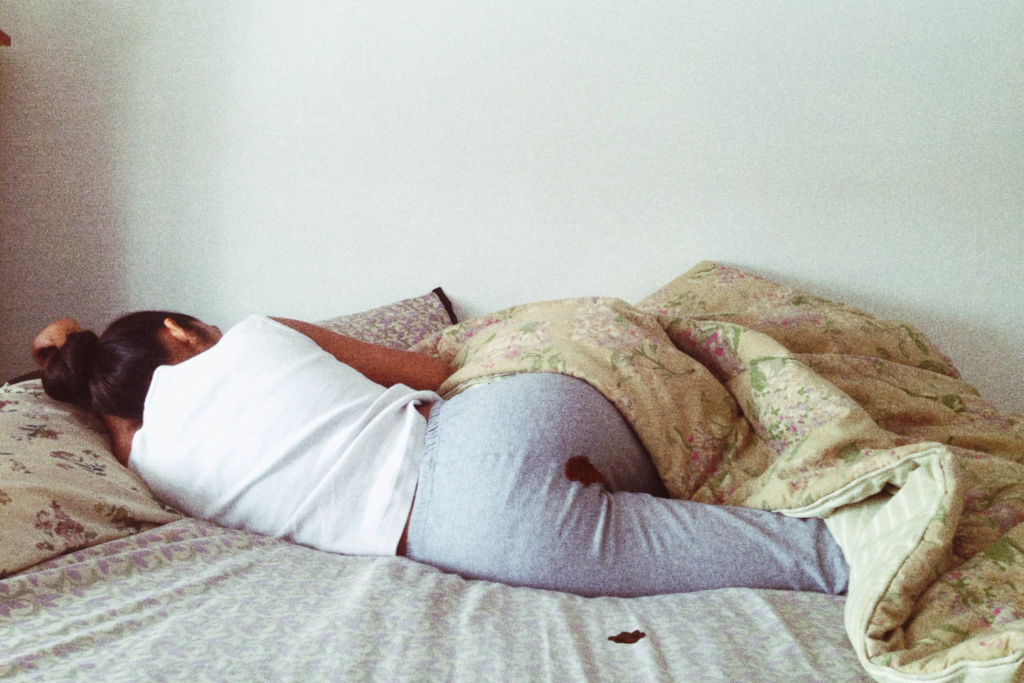
Behind that number are real experiences — the fear of being teased, embarrassment over stains, or simply not having access to pads or clean restrooms. What should be a routine part of growing up often turns into a monthly struggle that affects both learning and self-esteem.
When a natural cycle feels like a school barrier
For many students, the hardest part of menstruation is not the physical discomfort but the environment around it. Whispered jokes, teasing from classmates, or the fear of being “found out” can make a normal school day feel overwhelming.
This is where menstrual health education becomes essential — not just for girls, but for everyone in the classroom.
When students are not properly educated about menstruation, stigma grows in its place. Boys may not understand what girls go through, while girls themselves may feel ashamed to speak up when they need help.
Schools that normalize conversations about periods help reduce this gap, turning embarrassment into awareness and respect.
Creating a supportive learning environment means more than just teaching biology. It means building empathy, encouraging open discussion, and ensuring no student feels isolated because of a natural biological process.
The hidden cost of missing school days
Missing school during menstruation — even once a month — can quietly add up over the school year. Each absence can mean missed lessons, incomplete assignments, and difficulty catching up.
For some girls, repeated absences can lead to declining academic performance and reduced confidence in their abilities.
Menstrual health education also highlights the role of period poverty in education.
Without affordable sanitary products or proper school facilities, many girls are forced to stay home. Even when they attend class, anxiety about leaks or the lack of accessible restrooms can make it difficult to focus.
Addressing these challenges requires more than awareness — it requires action.
Schools need accessible hygiene facilities, availability of menstrual products, and policies that support students during their cycle rather than penalize them for it.
From silence to support in every classroom
Change often begins at home and continues in school. When parents talk openly about menstruation, girls grow up with less fear and more confidence. When teachers are trained to handle the topic with sensitivity, students feel safer asking questions or seeking help.
Communities also play a role in shaping how menstruation is viewed. Public discussions, awareness campaigns, and youth programs can help break long-standing stigma.
With consistent support, menstrual health education becomes more than a topic — it becomes a culture of understanding.
Schools that embrace this shift see more than improved attendance. They see stronger participation, better emotional well-being, and students who are not held back by something as natural as their monthly cycle.
A classroom where no girl is left behind
There is nothing unusual about a girl having her period — but there is something wrong when it keeps her out of school.
Menstrual health education is not just about information; it is about dignity, inclusion, and equal opportunity to learn.
As the school year begins across the Philippines, ensuring that every student can fully participate means addressing barriers that are often invisible but deeply felt.
When schools, families, and communities work together, menstruation stops being a barrier and becomes what it should have always been: a normal part of life that never stands in the way of education.
Every girl deserves a classroom she never has to miss because of her body’s natural rhythm.