Mental health challenges in the Philippines are increasingly being driven by overlapping financial, social, and digital pressures, according to the AXA Mind Health Report 2026 [1] released in partnership with Ipsos.
The global study paints a concerning picture of deteriorating psychological wellbeing across multiple markets, with 10 of 16 countries surveyed recording their lowest mental health scores since 2021.
Nearly 46% of respondents globally said they are either “struggling” or “languishing,” [2] signalling what researchers describe as a sustained and structural decline in mental wellbeing.
In the Philippines, the report shows a marginal improvement in the proportion of individuals classified as “struggling,” but highlights a more persistent issue: around 31% of Filipinos remain in a languishing state, largely driven by financial insecurity and broader socio-economic stressors.
The AXA report’s findings also underscore how deeply digital life has become embedded in daily routines — particularly among younger Filipinos, where mental strain is increasingly visible.
About 72% of Filipino youth reported feelings of loneliness or sadness, while average screen time has reached 7.5 hours per day. An overwhelming 98% said this level of digital exposure has negatively affected their daily lives.
Digital stress rises as AI coping grows
IMAGE CREDIT: AXA Philippines
Health impacts are becoming more tangible.
Respondents reported disrupted sleep, reduced attention spans, and ongoing emotional overstimulation linked to constant connectivity.
More concerningly, rising stress and anxiety are now spilling into physical and occupational wellbeing, with increased reports of sick leave and reduced day-to-day functioning in both academic and workplace settings.
One of the most striking shifts identified in the report is how Filipinos are responding to these pressures. As traditional mental health support remains financially out of reach for many, digital and AI-enabled tools are becoming an alternative coping mechanism.
Around 29% of Filipinos now regularly use AI for mental health-related support — higher than the global average of 21% — with usage concentrated among younger adults aged 18 to 34.
However, the growing reliance on AI-assisted emotional guidance also raises concerns. About 33% of respondents said they felt uneasy after receiving AI-generated advice, while 25% reported encountering recommendations that led to harmful behavior, highlighting risks around unregulated or inappropriate digital mental health support.
Affordability gap drives mental health access issues

IMAGE CREDIT: AXA Philippines
AXA Philippines noted that affordability remains the primary barrier to accessing mental health services in the country, in contrast to other markets where awareness is the bigger challenge.
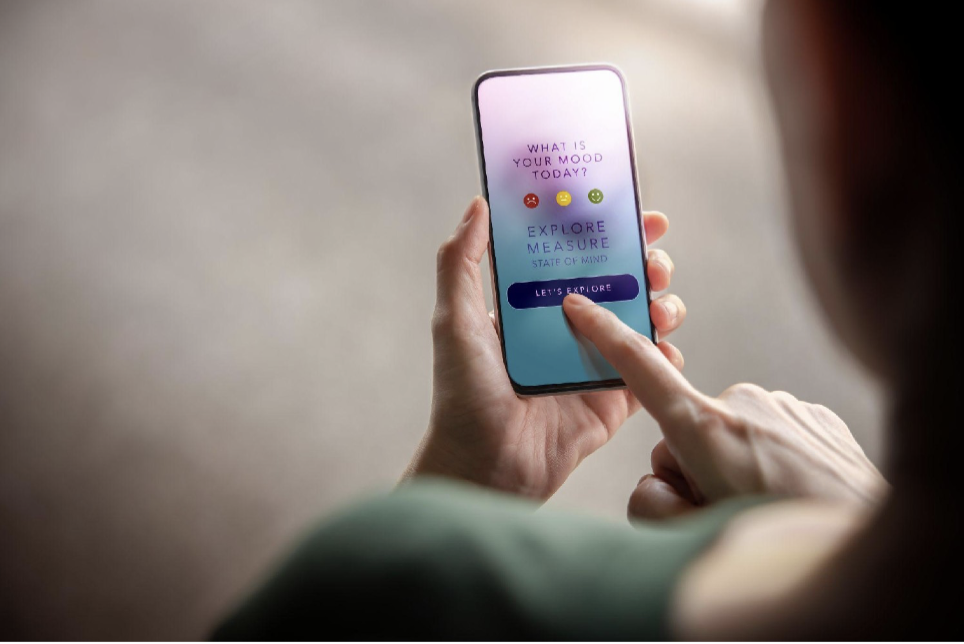
In response, the insurer is expanding its Mind Health ecosystem, including a self-assessment tool that allows users to monitor psychological wellbeing and health plans that provide access to mental health consultations and coverage for select conditions.
“This year’s findings show that Filipinos are carrying multiple pressures at once and still trying to keep up with school, work, and daily life,” said Ayman Kandil, President and CEO of AXA Philippines. “When emotional strain begins affecting everyday functioning, support cannot wait for crisis.”
The report ultimately points to a broader shift in how mental health is understood — no longer as an isolated concern, but as a core public health and economic issue shaped by digital behaviour, financial resilience, and access to care.
—
[1] Methodology: The study was carried out in collaboration with IPSOS among 19,000 adults aged 18 to 75 across 18 countries, between 12 January and 16 February 2026.
[2] The AXA Mind Health Index, a key component of the report, categorizes individuals into four distinct mental well-being states: Flourishing, the pinnacle of positive mind health; Getting by, where individuals show some areas of well-being but not enough to flourish; Languishing, the absence of positive well-being; and Struggling, the most vulnerable state, marked by challenges in most areas of life.