The Philippines has never lacked postcard-worthy destinations. From Palawan’s limestone lagoons to Boracay’s powdery shores and the world-class dive sites scattered across its 7,600 islands, the country’s natural appeal remains undeniable.
Yet as international travel rebounds across Southeast Asia, the Philippines is finding itself outpaced by its neighbors — and increasingly grappling with questions not just about infrastructure and access, but also about execution, branding, and trust.
As reported in The Straits Times, tourist arrivals fell to 5.24 million in the first 11 months of 2025, down 2.2 percent from the same period a year earlier and still 37 percent below pre-pandemic levels, according to data from the Department of Tourism (DOT).
This stands in stark contrast to regional peers such as Vietnam, which recorded 22 million arrivals, surpassing its pre-COVID numbers.
The gap, analysts say, reflects deeper structural issues that predate the pandemic — and which continue to shape how the Philippines is perceived as a destination.
Philippines: More hassle than fun?

Those issues often confront travelers the moment they arrive.
Curtis Chin, senior adviser at the Milken Institute and former U.S. ambassador to the Manila-based Asian Development Bank, describes travel in the Philippines as “more hassle than fun” — an ironic inversion of the country’s long-running tourism slogan.
Congested airports, fragile inter-island connectivity, and uneven transport infrastructure introduce friction that many time-conscious travelers simply choose to avoid, he said.
“When I advise people visiting the Philippines, I always tell them to build in some wiggle room,” Chin said. “But too often, people don’t have an extra three days.”
Manila’s Ninoy Aquino International Airport, the main gateway for most foreign visitors, continues to draw criticism for long queues, tarmac delays, and baggage backlogs, even as regional hubs invest heavily in automation and passenger flow technology.
Beyond the airport, travel remains logistically demanding.
American journalist Justin Dawes, who visited Cebu, Siquijor, Bohol, and Palawan in 2025, described the experience as rewarding but taxing — better suited to travelers with an “adventure mindset.”
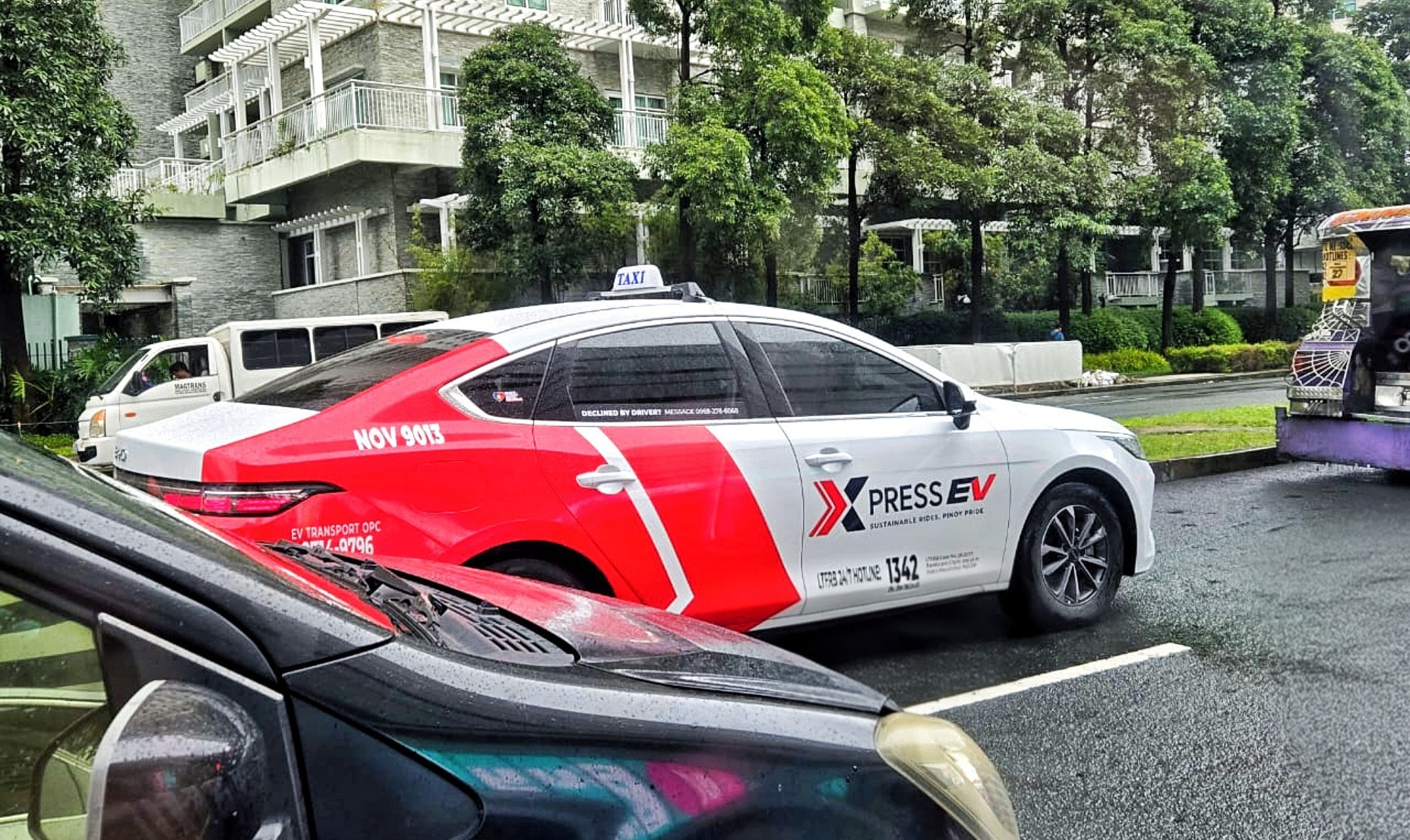
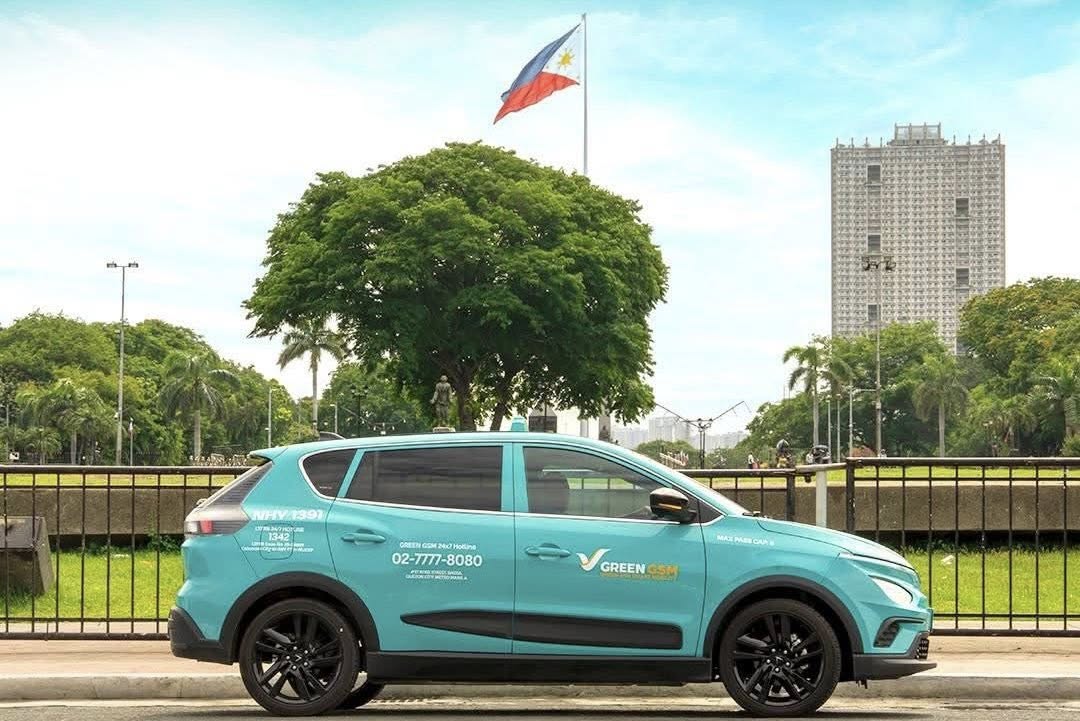
Ferries, long bus rides, uneven roads, and patchy ride-hailing services may appeal to backpackers, he said, but can deter mainstream tourists accustomed to smoother logistics elsewhere in Southeast Asia.
Even internet and mobile connectivity — including in Metro Manila — remains unreliable, limiting the country’s appeal to longer-stay visitors and digital nomads.
Vulnerable markets, external shocks
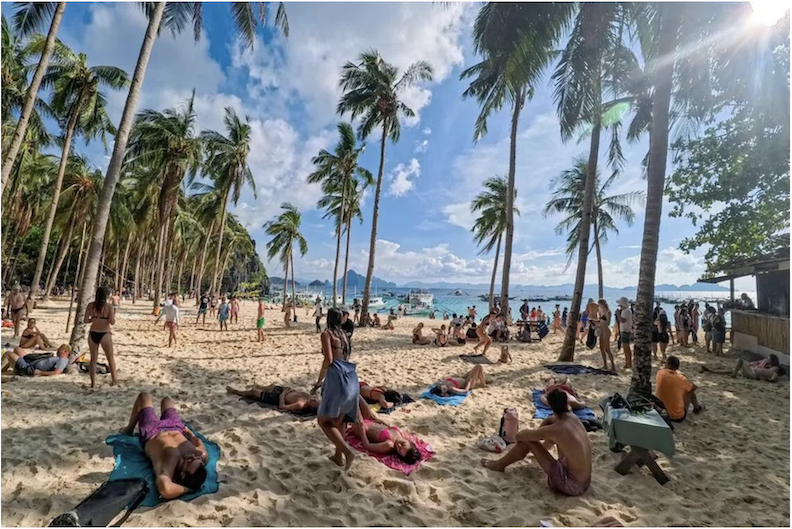
IMAGE CREDIT: The Straits Times
The Philippines’ tourism performance has also been shaped by its heavy reliance on a narrow set of source markets.
South Korea remains the country’s top tourism source, but arrivals fell 21 percent in the first 11 months of 2025. According to Erwin Balane, Manila’s tourism attaché in Seoul, Korean travelers are particularly sensitive to weather disruptions and safety concerns.
A series of typhoons, as well as earthquakes in Cebu and parts of Mindanao last year, disrupted flights and damaged tourism facilities, prompting cancellations and delays. Extensive media coverage in South Korea reinforced perceptions of heightened travel risk, even after conditions normalized.
China, once the Philippines’ second-largest tourism market, has also declined sharply. Visitor numbers fell 16.5 percentbetween 2019 and 2025, dropping China to sixth place among source markets. By end-2025, arrivals from China stood at just over 262,000, compared with 1.74 million in 2019.
The DOT has pointed to reduced air connectivity amid ongoing tensions in the South China Sea, with China-Philippines routes operating at only about 45 percent of pre-pandemic capacity. Chin noted that tourism has long been used as a geopolitical lever by Beijing, underscoring the need for diversification.
Branding without a backbone?
Beyond access and geopolitics, critics argue that the Philippines lacks a cohesive strategy for turning its destinations into compelling, integrated experiences.
Arquiel Dimalanta, a frequent Filipino traveler who visited Thailand and Vietnam in 2025, said those countries excel at weaving transport, food, history, and storytelling into tourism offerings.
“In Vietnam, they don’t just show you places — they explain why they matter,” he said. By comparison, Philippine destinations often treat scenery in isolation.
Even Pampanga — widely regarded as the country’s culinary capital — rarely integrates food heritage into tourism itineraries, a missed opportunity in a country whose cuisine reflects indigenous, Spanish, American, and Chinese influences.
Compounding these challenges are persistent execution gaps at the policy level.

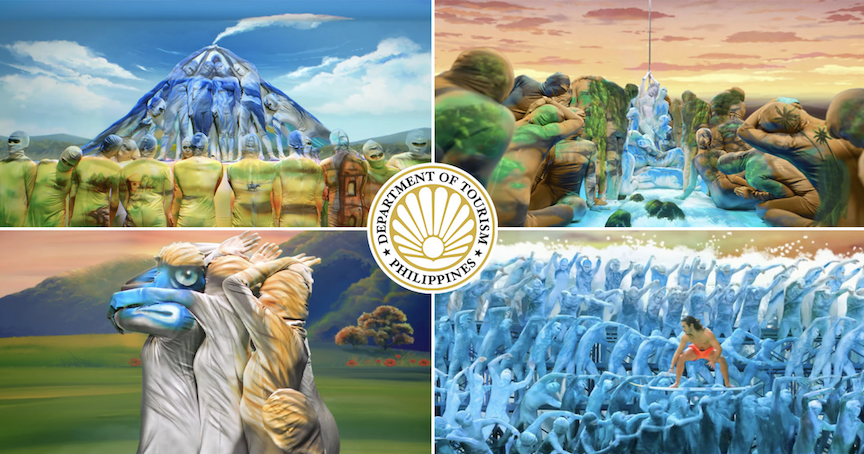
The DOT has faced scrutiny in recent years, from the 2023 “Love the Philippines” campaign controversy (which aimed to position the country as a premier, sustainable destination beyond just “fun” but failed to attract more international tourists) to more recent online debates surrounding a privately produced magazine featuring Tourism Secretary Christina Garcia-Frasco on its cover.
In response, the DOT has stressed that Philippine Topics is a private publication and not an official department outlet, denying claims that it commissioned, funded, or influenced the magazine’s content.
It also rejected allegations that it approved or endorsed the use of a cover image featuring the secretary, saying any implication of personal promotion or misuse of public resources was false and misleading.
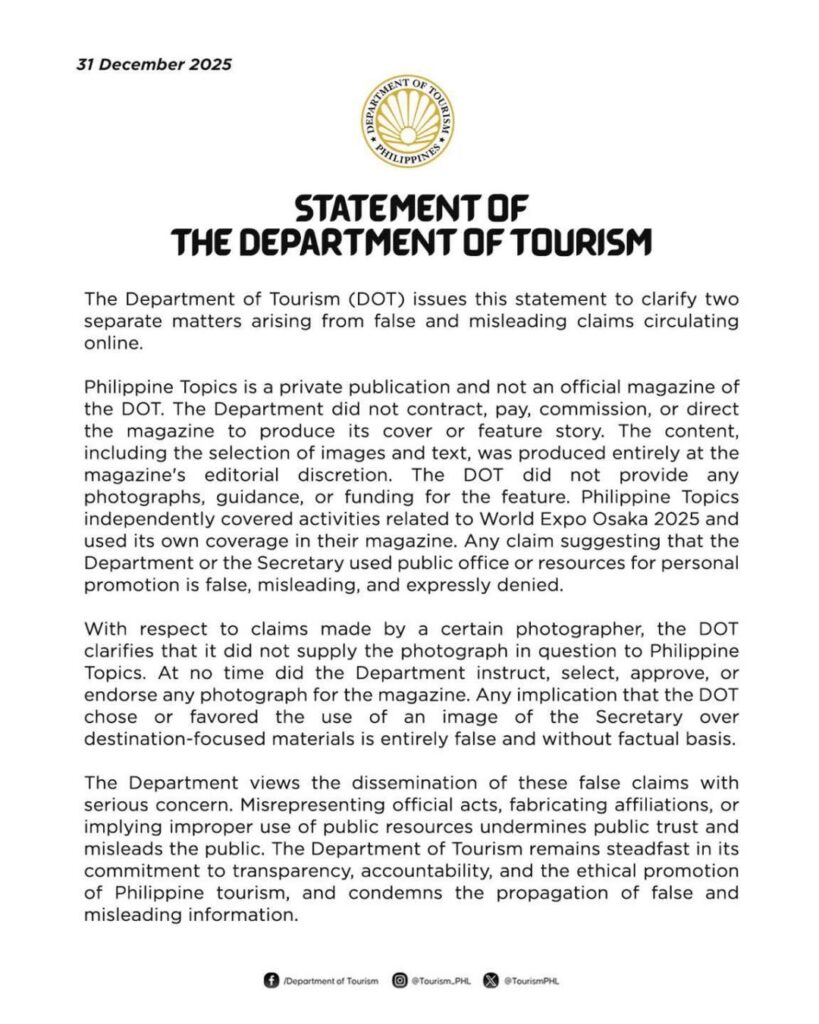
The department said the spread of such claims undermines public trust, even as it reiterated its commitment to transparency, accountability, and ethical tourism promotion.
A defining moment
As the Philippines prepares to chair ASEAN in 2026, scrutiny of its tourism performance is likely to intensify.
Observers say the country’s challenge is not a lack of attractions, but a lack of clarity — both in execution and in articulating why the Philippines should be chosen over competing destinations.
“The Philippines doesn’t lack beauty,” Chin said. “What it lacks is a clear, consistent answer to the question: why here, and why now?”
Until that answer is matched by infrastructure, coordination, and credibility, the country’s tourism slogan may continue to ring true — but only for those willing to endure the hassle along the way.