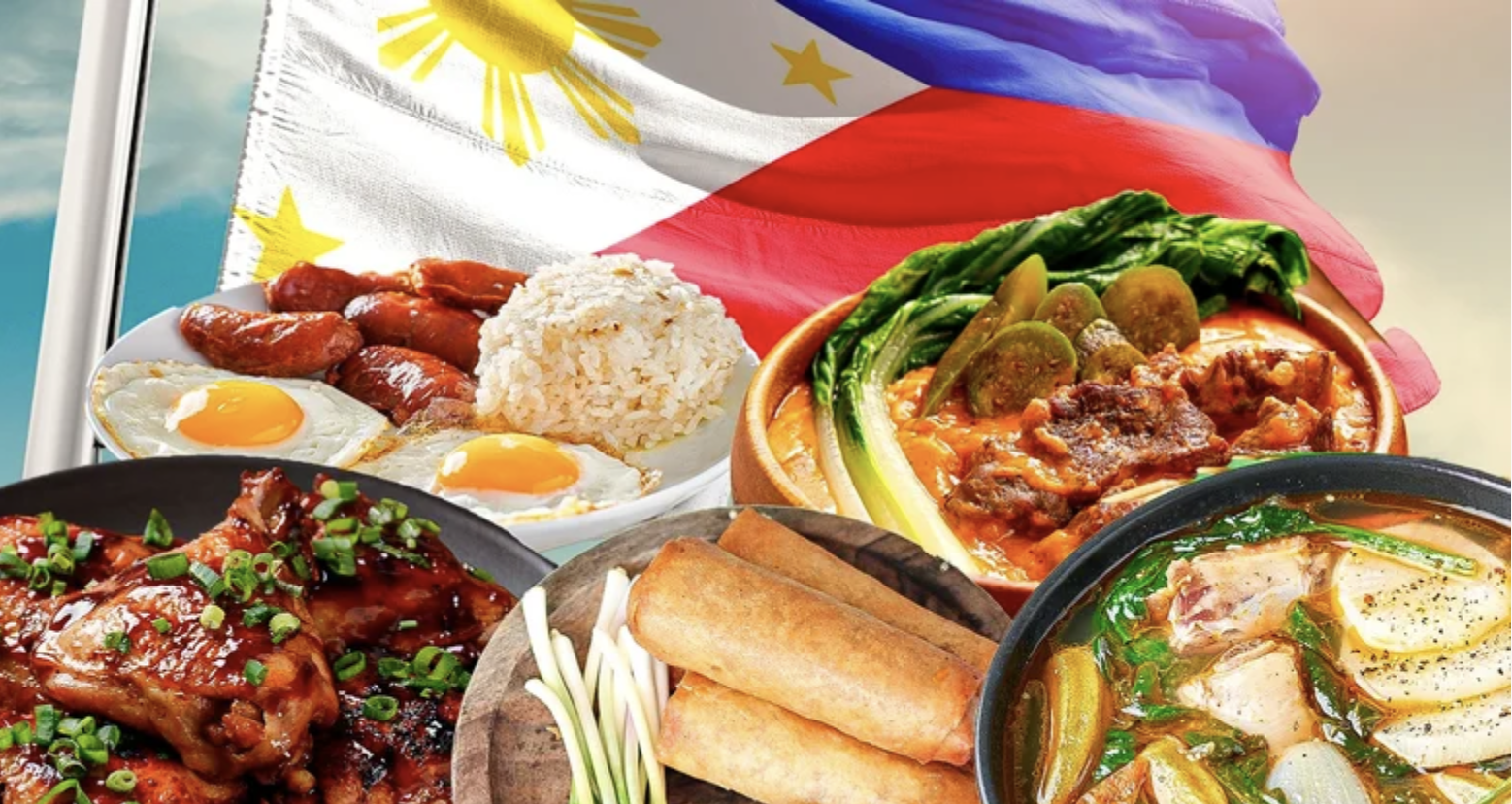
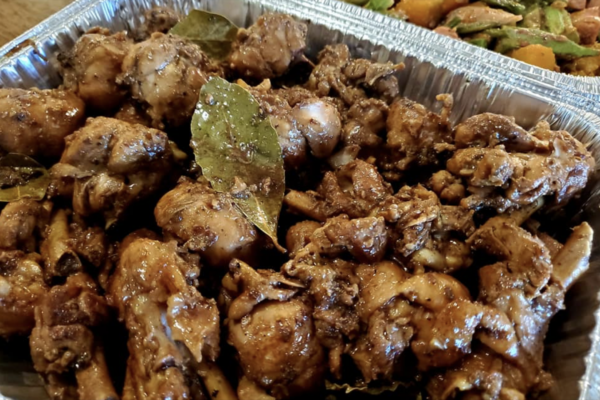
Filipino comfort food — those familiar, soul-soothing dishes that evoke childhood kitchens and family gatherings is experiencing a renaissance.
Once relegated to carinderia counters or home dining tables, adobo, pancit, bulalo, sinigang and their kin are now being rediscovered and reimagined by chefs and home cooks alike, blending memory with modernity in ways that speak to both authenticity and innovation.

IMAGE CREDIT: Unilever Food Solutions
This revival is unfolding against a broader shift in the Philippines’ culinary conversation.
Across the country, dining trends are embracing “Street Food Couture” humble, everyday staples elevated with creative technique and presentation while retaining the flavors Filipinos grew up with.
Nostalgia meets innovation
For many Filipinos, comfort food is the ultimate expression of home.
The tangy broth of sinigang, the rich aromatics of bulalo, or the savory kombinasyon of sisig doesn’t just satiate hunger — it triggers emotional memory. These dishes, passed down through generations and rooted in regional diversity, form part of the nation’s cultural identity.

Chef Arvin Ace Barsaga’s Braised Short Ribs Kinamatisan Ravioli. IMAGE CREDIT: Bravos.Ph.
In an ongoing culinary showcase at Café Summit, six regional chefs reinterpret Filipino classics with personal stories and inventive techniques. Chef Arvin Ace Barsaga’s Braised Short Ribs Kinamatisan Ravioli, for example, melds the tomato-rich flavors of a beloved kinamatisan with elegant Italian pasta, a dish that bridges heritage and ingenuity.
At Café Summit Tagaytay, Chef Ernie Baculio reframes palabok as a crispy hand-rolled palatable delight, capturing all the bold umami notes of the original but in a contemporary crispy format.
These reimaginings are not gimmicks. Rather, they demonstrate how chefs are dialoguing with tradition, honoring the emotional core of these dishes while engaging with global techniques and formats that appeal to today’s diners.
High-flavor from carinderia to chef’s table

Comfort food’s journey also spans venues. In everyday carinderias, home cooks and local entrepreneurs are experimenting with viral twists — think about sinigang fried chicken, adobo pasta, or crisp kare-kare wraps — that make classic motifs exciting for younger generations and social media audiences alike.
Meanwhile, at pop-ups like Khaiba in Makati, chefs Sonny Mariano and Nouel Catis are fusing Filipino nostalgia with international flair, incorporating subtle Middle Eastern spices and modern plating while keeping the core flavors immediately familiar. Mariano explains that such menus are designed to feel “familiar and comforting, but with very subtle twists.”
This blending of old and new underscores a culinary confidence: Filipino food doesn’t need to imitate foreign cuisines to be compelling. It merely needs to reinterpret itself.
Redefining Filipino dining
The Michelin Guide’s recent debut in the Philippines spotlighting a mix of local classics and elevated Filipino fare — signals global recognition of this evolution. Restaurants ranging from beloved neighborhood eateries to contemporary kitchens are being showcased for their contributions to the country’s vibrant culinary landscape.
In Manila and beyond, 19 Bib Gourmand–selected establishments champion nostalgic and reinvented Filipino comfort food, proving that everyday dishes can hold their own on a world stage.
Chefs like Vicky-Rose Pacheco of Sentro 1771 have long been proponents of Filipino flavors with a twist, blending tradition with technique to appeal to local and international palates. Pacheco’s approach rooted in meticulous flavor balance whether in simple or elevated formats — reflects a broader sentiment among restaurateurs today pushing Filipino comfort food forward.
Why it resonates now
Several forces are converging to fuel this revival.
First, there is “heightened cultural introspection,” a rediscovery of regional ingredients and traditional cooking methods that many feel had been overshadowed by global trends.
Second, social media and food vloggers have amplified interest in Filipino classics and their adaptations, introducing these dishes to wider and younger audiences.
Above all, comfort food’s resurgence is emotional. In an era of fast change and global uncertainty, dishes that connect people to memory, family, and place resonate deeply. They remind diners that food is more than sustenance — it’s story, identity, and shared heritage.
As Filipino cooks continue to honor the past while imagining the future, the country’s comfort food renaissance is proving that innovation and nostalgia don’t compete — they coexist, deliciously.