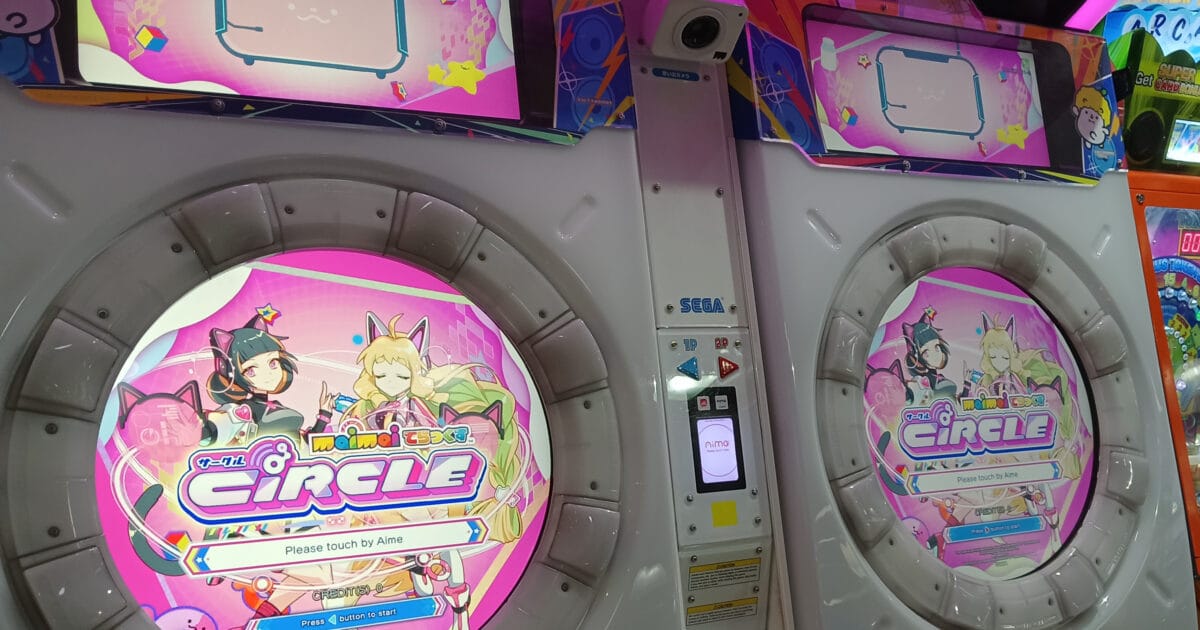
“This is a washing machine? This machine is maimai (mai).”
The line comes from the song “My My My” by Japanese EDM producer Akira Michishita, better known by his alias C-Show.
While arcades may seem small in cultural footprint compared to other countries, they have long been part of Philippine youth culture. Those seeking action and thrill often flock to fighting and action games, while others who want to win prizes gravitate toward redemption games.
However, one particular genre has increasingly captured the attention of young Filipinos: rhythm games.
Among them, maimai DX stands out. This arcade rhythm game — famously resembling a washing machine, as the lyric suggests — is developed and published by SEGA. Featuring an 8-button circular interface, it challenges not only a player’s sense of rhythm but also their coordination, flexibility, and stamina, as gameplay often requires full-body movement in sync with the music.
As of this writing, maimai continues to grow in popularity in the Philippines, with an expanding local player community.
Settling the roots
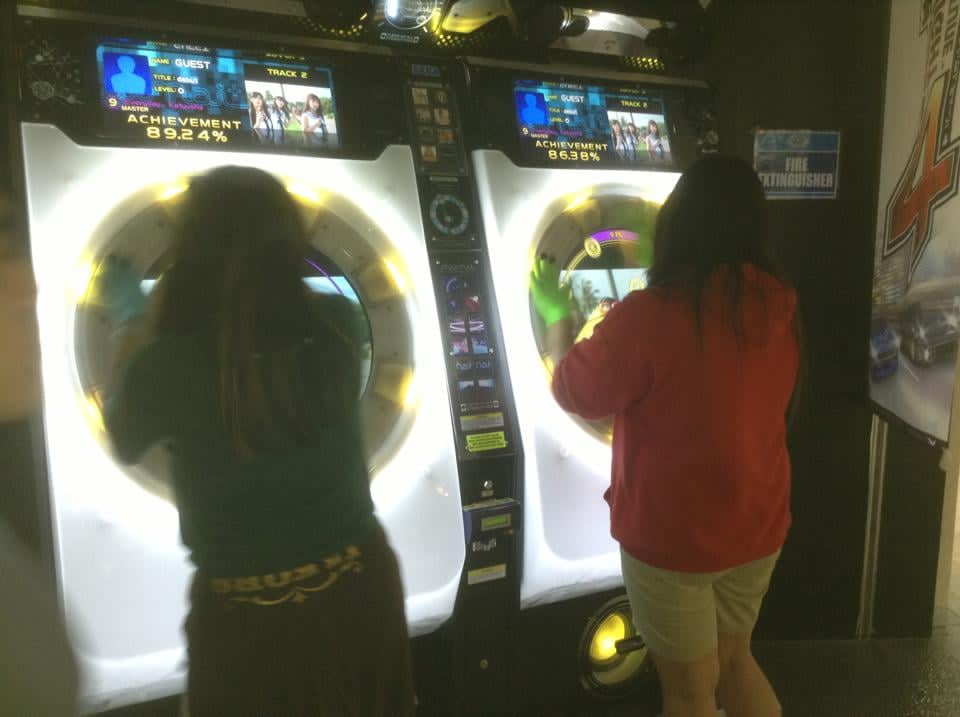
IMAGE CREDIT: Kevin Ko
The presence of maimai in the Philippines dates back more than a decade.
In 2013, Quantum brought the first wave of machines to SM Manila and Rockwell Power Plant Mall. Even in its offline state at the time, it quickly attracted a dedicated following, particularly among players with prior experience in rhythm games.
Community-driven competitions soon followed, showcasing strong engagement and enthusiasm for its unique gameplay.
The game’s popularity grew further in the early 2020s when SEGA announced that the then latest installment, maimai DX, would receive an international release. By March of that year, machines began arriving in the Philippines, introducing online functionality for the first time.
Since then, the player base has steadily expanded as more arcade-goers joined the growing community.
A brief guide to maimai
maimai is an arcade rhythm game developed by SEGA. First released in Japan in 2012, it has since seen multiple iterations, including international versions. As of this writing, excluding append updates, the series is on its 14th installment in its home country (13th internationally), with CiRCLE PLUS (CiRCLE in international markets) as its current version.
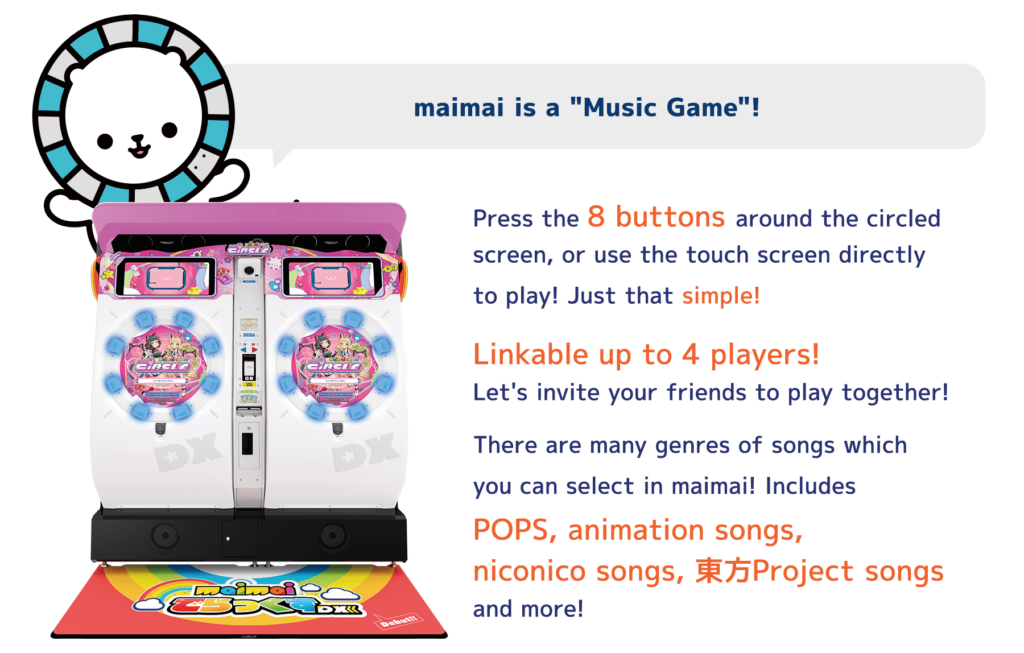
IMAGE CREDIT: SEGA
The gameplay centers on an 8-button circular interface surrounding a large touchscreen. Players may use either the physical buttons or the touchscreen itself.
The game supports multiplayer play, allowing up to four players depending on the number of machines available.
Beyond basic TAP notes, the game includes various mechanics such as SLIDE notes, which require players to tap and then drag along the screen, and TOUCH notes, which appear within the touchscreen area and must be activated accordingly.
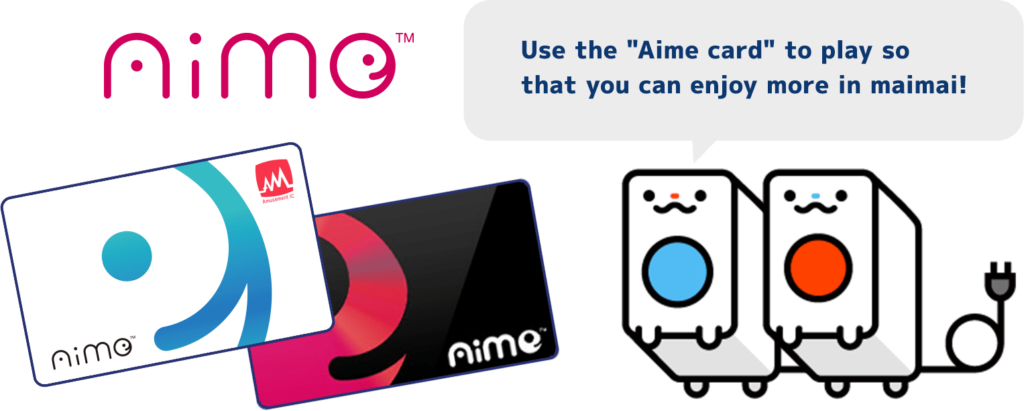
IMAGE CREDIT: SEGA
Players may play as guests, but saving progress requires an Aime card, SEGA’s dedicated IC card system. Other compatible cards, such as Bandai Namco’s Banapassport and KONAMI’s e-Amusement cards, may also be used under the Amusement IC standard.
maimai features a diverse music library spanning genres such as J-pop, anime music, Vocaloid tracks, and original compositions. Each track offers multiple difficulty levels, ranging from BASIC to MASTER, with some songs including a higher Re:MASTER difficulty.
Its influence among the Philippine youth
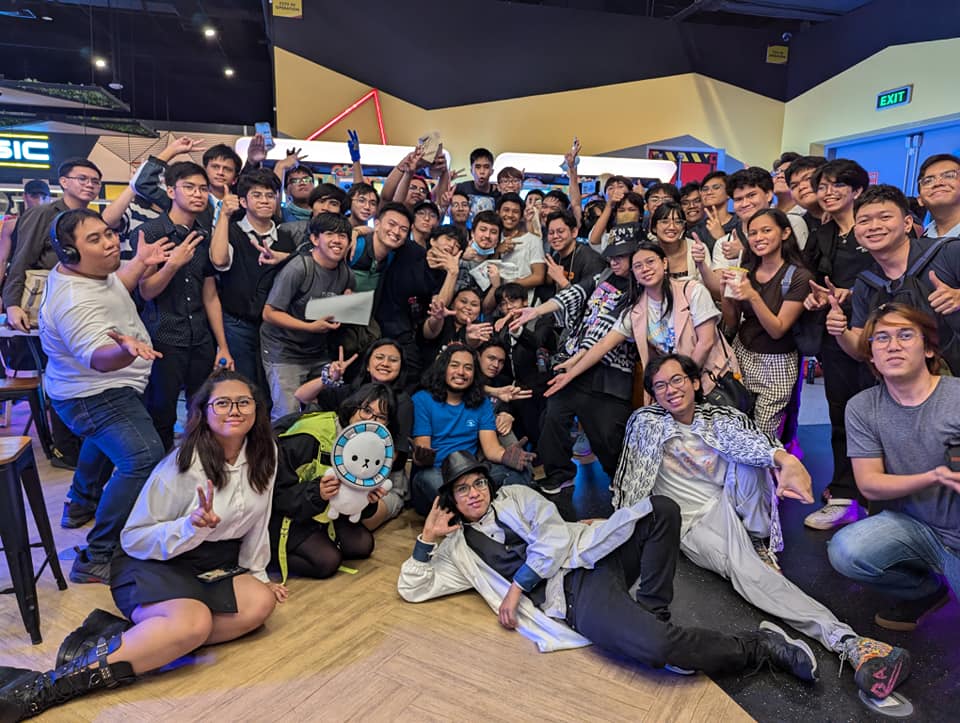
IMAGE CREDIT: Setsu-Ani
maimai’s influence among Filipino youth is widely regarded as significant, with the game becoming a recognizable part of modern arcade culture in the country.
Since its introduction locally, a once-niche community has grown substantially. Tournaments and grassroots competitions have been organized throughout the years, including the maimai National Championship 2025, held in August last year.
Beyond competitive play, maimai remains accessible to casual and dedicated players alike, thanks to its intuitive yet engaging gameplay. Local communities — both large and small — have formed around the game, fostering friendships and social connections among players.
In addition, the game encourages physical activity. Its gameplay mechanics require movement and coordination, often building stamina and rhythm awareness through sustained play.
Despite challenges over the years, including rising play costs, the maimai community has remained active and closely connected, showing no signs of slowing down.
Perhaps fittingly, the name of its latest version, CiRCLE, reflects the enduring sense of community that continues to surround the game.