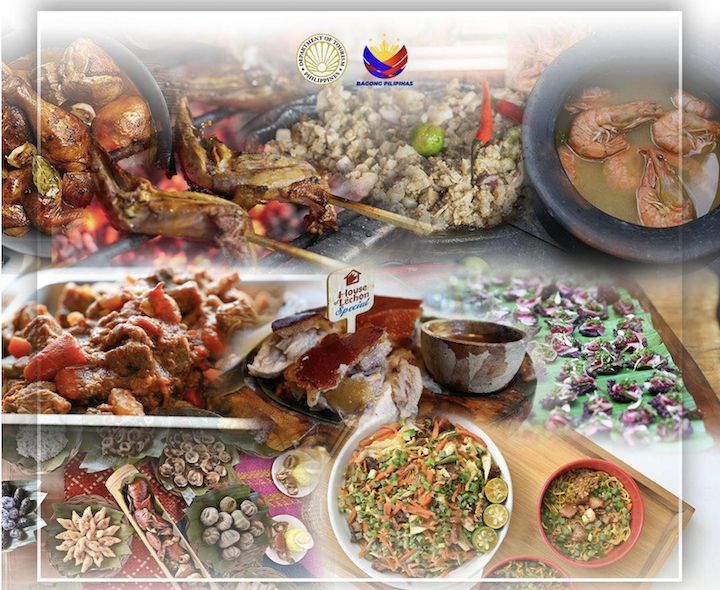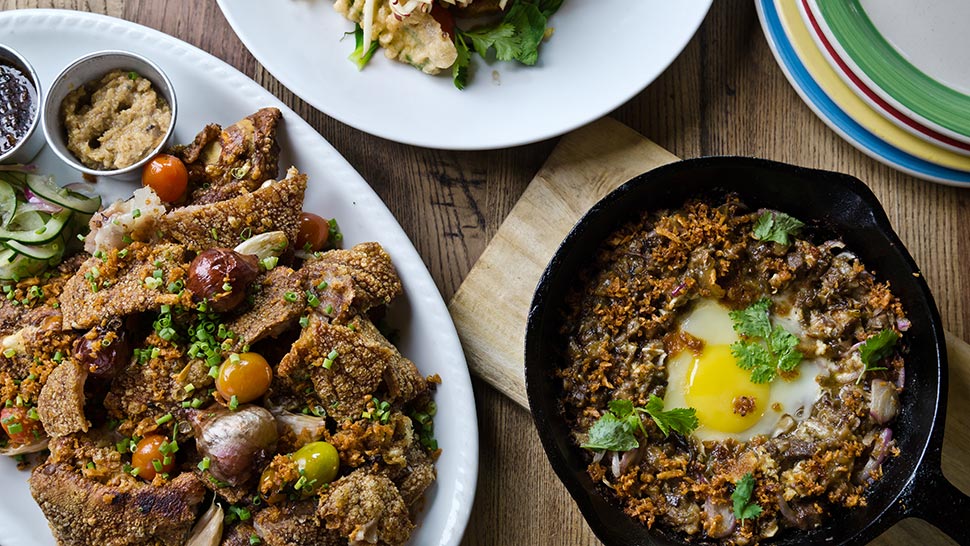
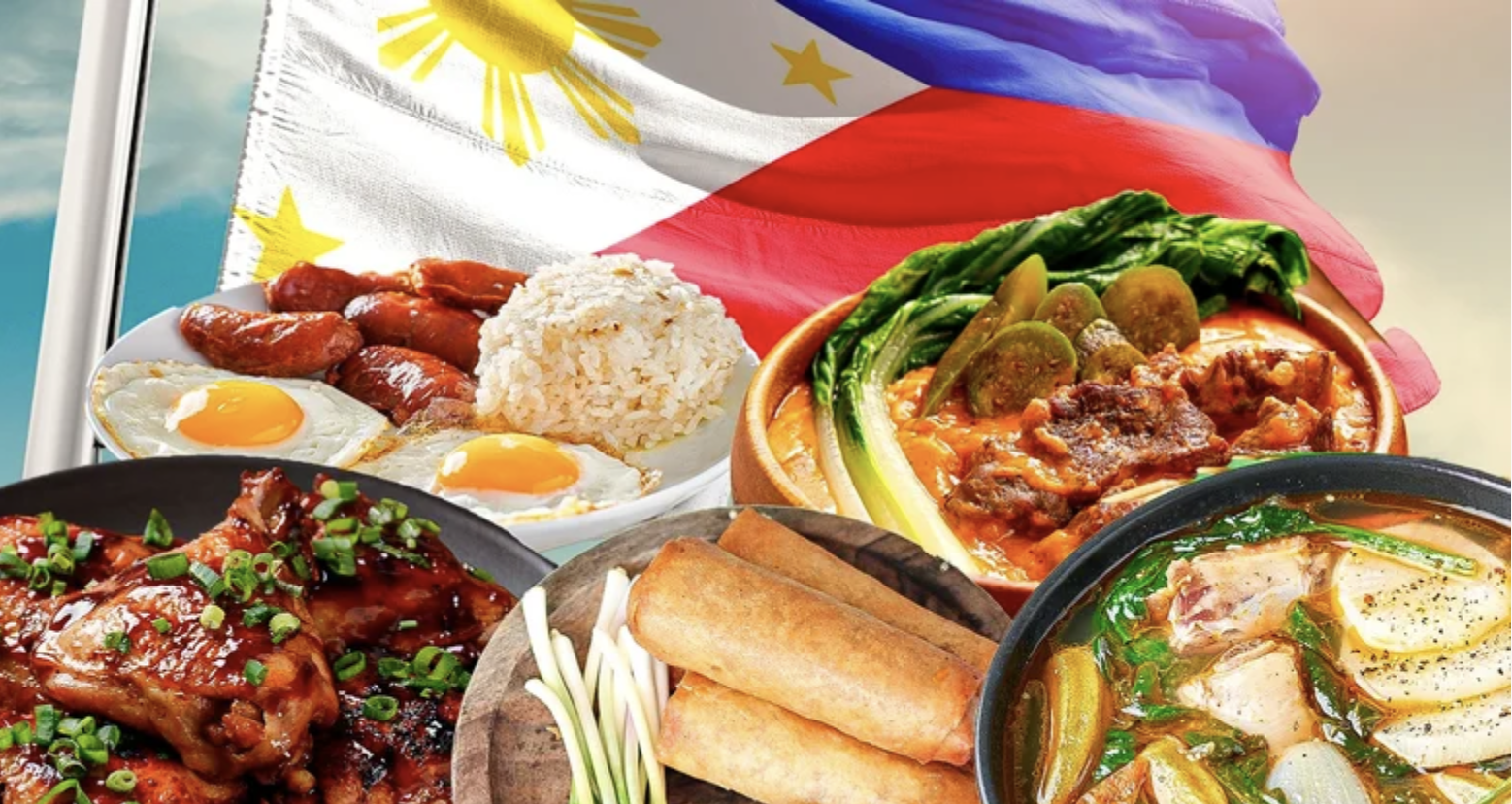
In the Philippines, the kitchen is more than just a place to cook — it’s where family stories are shared, traditions are passed down, and everyday gourmet meals become celebrations of flavor and togetherness. But even with familiar dishes and comfort foods like adobo, sinigang, or pancit, there’s always room to add a little gourmet magic that makes your home-cooked meals feel extra special.
The good news? You don’t need fancy gadgets or expensive ingredients. With a few simple kitchen hacks inspired by Filipino flavors and cooking styles, you can elevate your everyday dishes and delight your loved ones.
Unlocking gourmet Filipino flavors with these 10 culinary secrets
1. Brighten flavors with calamansi and fresh herbs — Calamansi is the quintessential Filipino citrus that adds a fresh, tangy brightness to any gourmet dish. A squeeze of calamansi juice or a sprinkle of its zest can awaken the flavors of grilled fish, kinilaw, or even your favorite pancit. Pair it with fresh herbs like tanglad (lemongrass), malunggay leaves, or fresh basil to add aromatic layers that bring your dishes to life.
Tip: Keep a small pot of fresh herbs by your kitchen window. Using fresh tanglad in your sinigang or malunggay in your soups not only adds flavor but also boosts nutrition.

2. Master the Filipino art of seasoning: vinegar and bagoong – Filipino cooking thrives on the balance of salty, sour, and savory. Vinegar — whether from coconut, cane, or palm — is a key player in gourmet dishes like adobo and paksiw, adding a tangy depth that’s unmistakably Filipino. Don’t forget bagoong, the fermented shrimp or fish paste that adds umami richness to many meals.
Tip: Experiment with finishing your grilled or fried dishes with a drizzle of spiced vinegar or a side of bagoong to add that authentic punch. A little goes a long way in transforming simple dishes.
3. Elevate your cooking oils and vinegars — Instead of just cooking with plain vegetable oil, try using coconut oil for a subtle nutty aroma that complements Filipino dishes perfectly. For finishing touches, a splash of aged cane vinegar or a homemade spiced vinegar infused with garlic and chili can add complexity to your salads and dipping sauces.
Tip: Infuse vinegar with local chili peppers or garlic cloves and keep it in the fridge. It’s a quick way to add a gourmet twist to your dipping sauces for lumpia or grilled meats.
4. Toast your local spices and nuts — Toasting spices like black peppercorns, star anise, or even dried chili peppers in a dry pan releases their natural oils and intensifies their flavors. Toasted pili nuts or cashews add a delightful crunch and richness to salads or desserts.
Tip: Toast crushed black peppercorns before adding them to your adobo marinade for an extra layer of warmth and aroma.
5. Make your own homemade stock (sabaw) with Filipino flair — Instead of relying on commercial broth, use leftover bones from lechon or chicken tinola to make a rich, flavorful sabaw (stock). Add local aromatics like ginger, garlic, and onions to create a base that infuses your soups and stews with authentic depth.
Tip: Freeze your homemade sabaw in small portions so you can quickly add it to your rice or vegetable dishes for extra flavor.
6. Finish with freshness and crunch: The Filipino way — Texture is key in Filipino cuisine. Adding fresh, crunchy elements like chopped green onions, toasted garlic bits, or crispy fried shallots can elevate your dishes. Don’t forget the classic side of atchara (pickled papaya) to add a sweet and tangy crunch that balances rich flavors.
Tip: Top your sinigang or grilled dishes with a handful of chopped fresh herbs and a squeeze of calamansi just before serving for that refreshing finish.

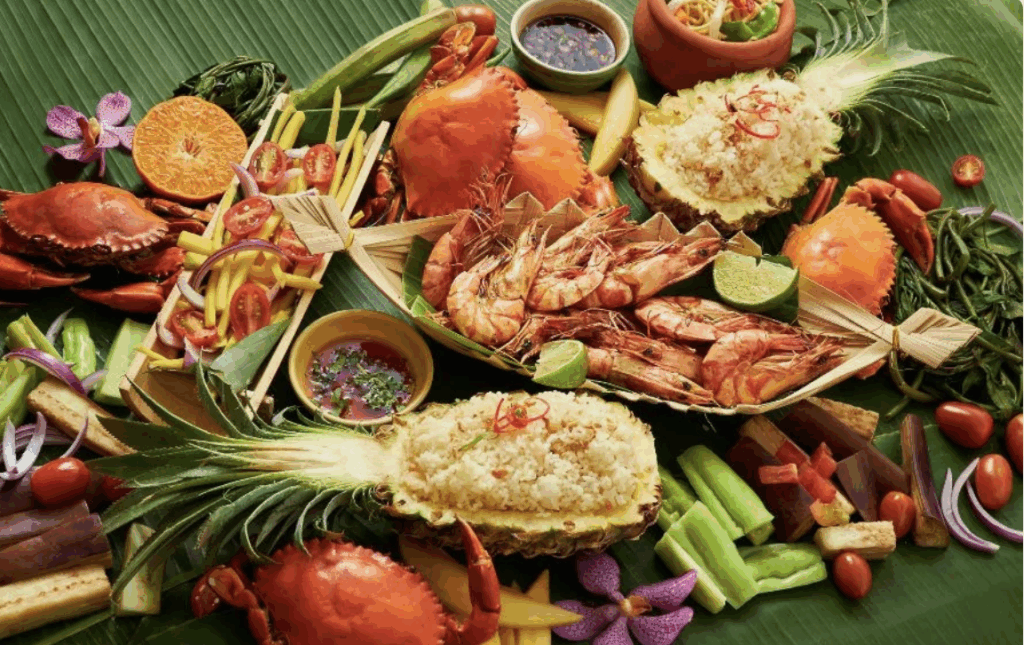
7. Present your food with Filipino hospitality — Filipino gourmet meals are all about sharing and warmth. Present your dishes family-style on colorful platters or traditional banana leaves (called “puso” or “binalot”) to bring that festive, communal vibe to your table. Garnish with edible flowers like kalachuchi or fresh herbs to add a touch of elegance.
Tip: Use native woven baskets or wooden trays for serving rice or snacks to create a cozy, authentic atmosphere.
8. Embrace slow cooking and resting times — Many beloved Filipino gourmet dishes like adobo, kaldereta, and kare-kare benefit from slow simmering, allowing flavors to meld beautifully. Resting meat after cooking ensures juicy, tender results—perfect for lechon kawali or inihaw na baboy.
Tip: Use a heavy pot or claypot (palayok) for slow-cooked dishes to deepen flavors and add a rustic touch.
9. Keep your pantry stocked with Filipino essentials — A well-stocked pantry with staples like dried mung beans (monggo), dried shrimp (hipon), coconut milk, rice noodles (bihon), and various vinegars ensures you can whip up Filipino favorites anytime. Don’t forget dried bay leaves, garlic, and onions—the holy trinity of Filipino flavor.
Tip: Organize your pantry so these essentials are always within easy reach, making meal prep faster and more enjoyable.
10. Make simple Filipino desserts special — Elevate classic Filipino desserts like leche flan, bibingka, or halo-halo with small gourmet touches. Try sprinkling toasted coconut flakes on your desserts, adding a drizzle of muscovado sugar syrup, or infusing coconut milk with pandan leaves for a fragrant twist.
Tip: Serve your desserts in traditional clay pots or coconut shells for an authentic presentation that delights both the eyes and palate.