As the shipping industry faces growing pressure to reduce emissions without driving up costs, companies are increasingly looking for practical solutions that don’t require replacing entire fleets or investing in expensive new technologies.
One option attracting attention is fuel preservation technology — an approach designed to help ships use existing fuel more efficiently while reducing waste and carbon emissions.
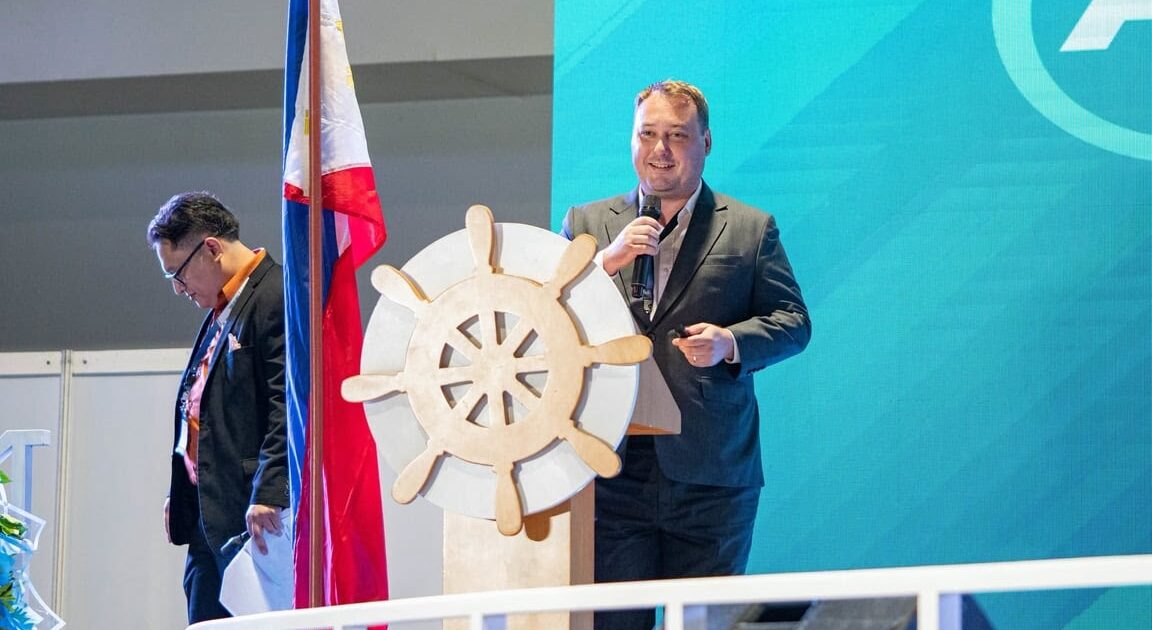
That was among the topics discussed during PhilMarine 2026, where REURASIA Management Corporation introduced ADERCO, a fuel conditioning technology already being used by commercial vessels in other parts of the world.
Presented during the Maritime Industry Authority’s (MARINA) technical forum at the SMX Convention Center Manila, the technology was showcased as one possible tool for helping ship operators improve fuel efficiency while navigating increasingly stringent environmental regulations.
Doing more with the fuel already on board
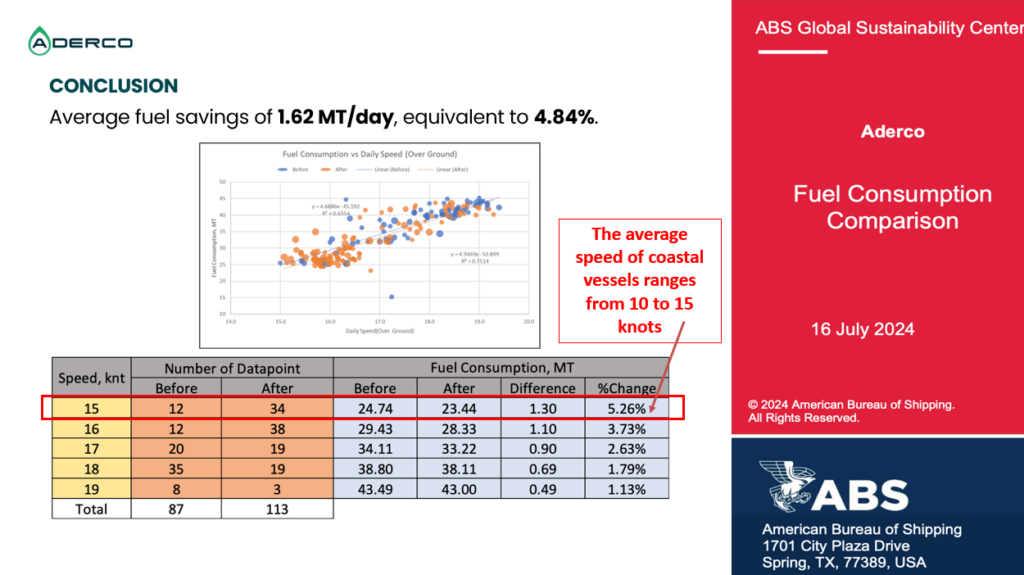
IMAGE CREDIT: REURASIA Management Corporation
Unlike alternative fuels that often require major infrastructure changes, ADERCO is designed to work with the fuel vessels already use.
Rather than replacing diesel or other marine fuels, the treatment conditions and preserves fuel to promote cleaner combustion, helping reduce sludge formation and fuel degradation that can affect engine performance over time.
According to REURASIA, the product is derived from plant-based tall oil and is compatible with various marine fuels, including diesel, heavy fuel oil, kerosene, gasoline, and biofuels.
The technology is also intended to complement existing fuel suppliers rather than replace them, making it a relatively straightforward option for operators looking to improve efficiency without disrupting current fuel procurement practices.
Why fuel efficiency matters more than ever
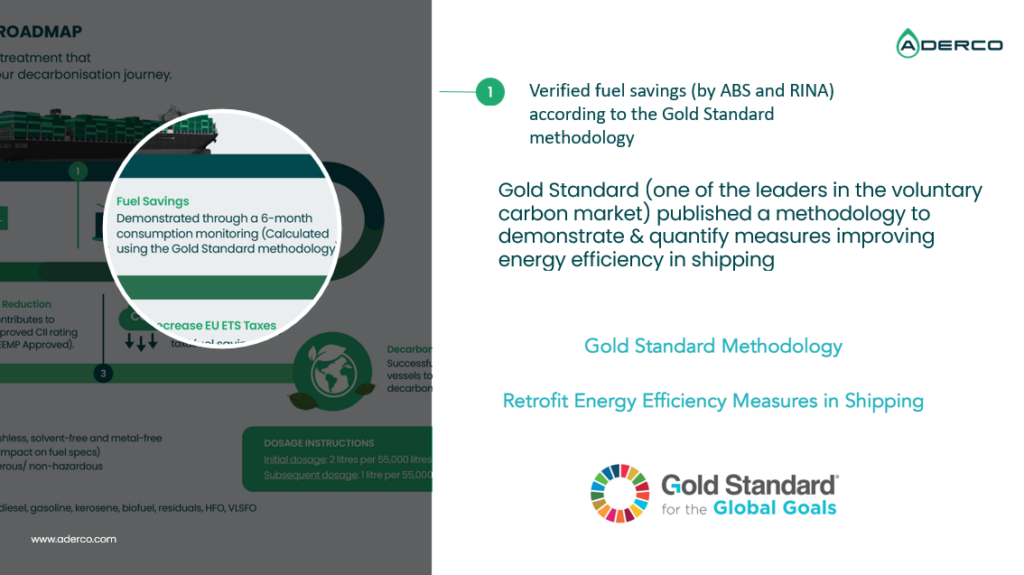
IMAGE CREDIT: REURASIA Management Corporation
Fuel remains one of the shipping industry’s largest operating expenses, and improving efficiency has become increasingly important as global regulations tighten around carbon emissions.
Among those measures is the Carbon Intensity Indicator (CII) introduced by the International Maritime Organization (IMO), which evaluates how efficiently large vessels transport cargo while limiting greenhouse gas emissions.
For many shipowners, even modest improvements in fuel consumption can contribute to better environmental performance while helping manage operating costs.
During the presentation, REURASIA shared operational data from overseas vessel projects where ADERCO had reportedly delivered fuel savings ranging from about 2% to nearly 5%, depending on vessel type and operating conditions.
One refrigerated cargo vessel cited in the presentation achieved an average fuel reduction of 4.84% over a 207-day operating period, translating into lower fuel consumption, reduced carbon dioxide emissions, and significant operating cost savings.
The company added that ADERCO’s fuel-saving performance has been verified in previous projects by maritime classification societies ABS and RINA using internationally recognized energy-efficiency methodologies.
Supporting the maritime industry’s green transition
IMAGE CREDIT: REURASIA Management Corporation
The discussion comes as the Philippines continues to strengthen efforts toward greener and more sustainable maritime transport.
Government agencies, including MARINA, have been encouraging the industry to explore technologies that improve vessel efficiency and reduce emissions while maintaining safe and reliable shipping operations.
For many operators, that transition is expected to happen gradually.
While long-term investments such as fleet modernization, alternative fuels, and vessel retrofits remain part of the industry’s roadmap, incremental improvements that can be implemented using existing vessels may help bridge the gap.
Industry observers note that technologies like fuel conditioning will ultimately need to demonstrate consistent performance under local operating conditions before gaining wider adoption.
Still, as shipping companies search for practical ways to lower emissions without sacrificing operational efficiency, solutions that promise measurable fuel savings are becoming an increasingly important part of the conversation.
Whether they become mainstream or simply complement broader sustainability initiatives, they reflect a growing shift toward finding cleaner ways to keep global trade — and the Philippine maritime industry — moving.