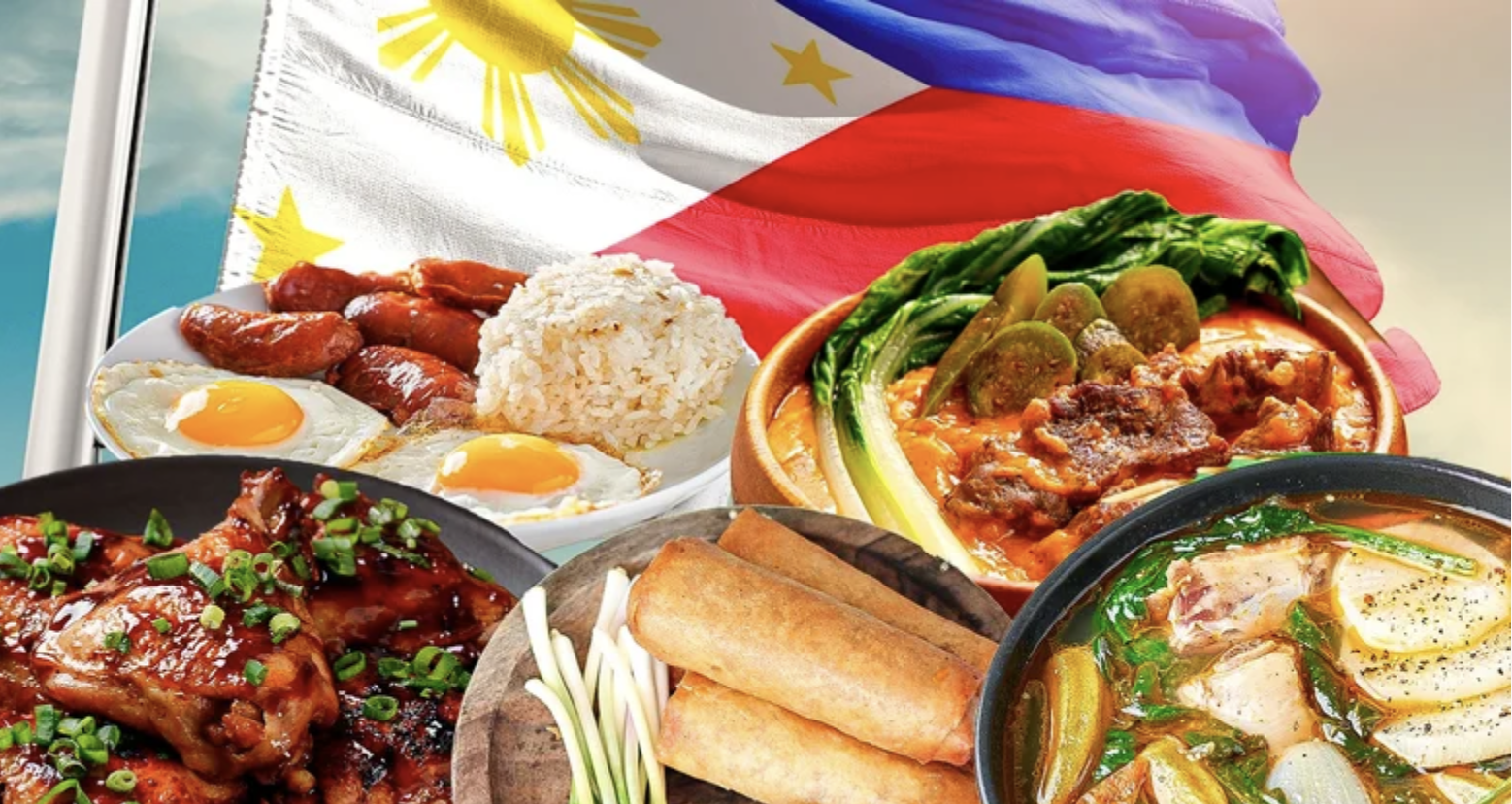
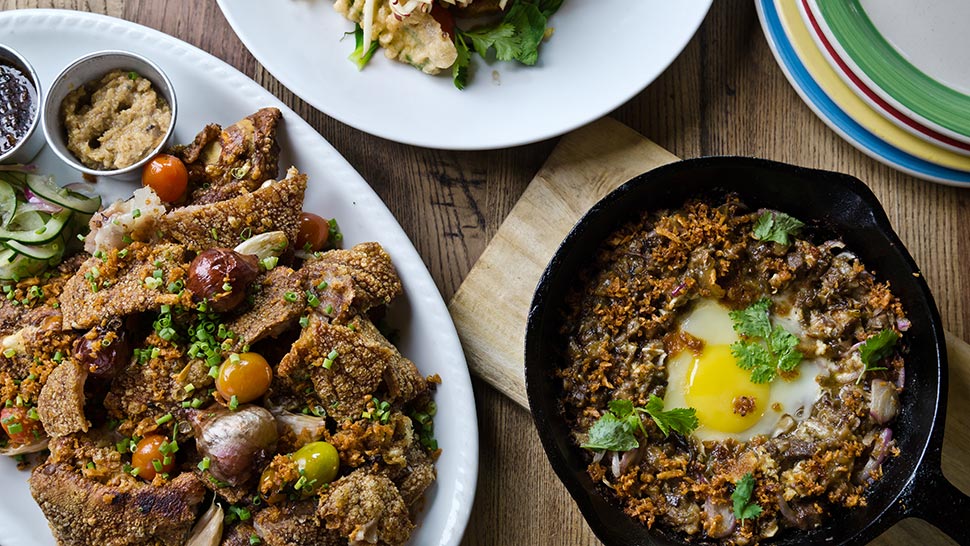
Once a staple of casual street-side drinking sessions, pulutan is now finding its place in white-tablecloth restaurants and curated tasting menus — bridging the gap between comfort food and fine dining.
Filipino pulutan — the beloved bar chow traditionally shared among friends during inuman sessions — is undergoing a bold transformation. Gone are the plastic plates and street-side stalls; in their place are minimalist porcelain platings, truffle drizzles, and elevated versions of sisig, isaw, and chicharon that surprise even the most seasoned foodies.
This shift is part of a growing culinary movement where Filipino chefs, both at home and abroad, are reimagining native flavors through a refined lens. By blending time-honored recipes with contemporary techniques, these chefs are not only elevating Filipino dishes — they’re reshaping global perceptions of the cuisine. Once considered humble bar fare, pulutan is now emerging as a refined medium for culinary innovation, cultural storytelling, and national identity.
Filipino chefs bring bar chow to gourmet tables

In the heart of historic Intramuros, Ilustrado Restaurant has long been a bastion of Filipino-Spanish fine dining. Since opening in 1989, it has celebrated local heritage with heirloom recipes served in a colonial-era casa complete with capiz windows and antique interiors. Known for its rich, traditional flavors, Ilustrado is now embracing modernity through innovation.
Recently, it has begun reimagining pulutan using refined techniques and an elevated presentation. Dishes like crispy isaw tempura with aioli foam, sinuglaw tartare with calamansi gel, and balut served tempura-style with garlic aioli and pickled onions bring a bold new identity to street-side staples — provocative yet deeply rooted in culture.
Meanwhile, Locavore is at the forefront of modern Filipino cuisine. Opened in 2014 by Chef Mikel Zaguirre, the restaurant has become known for transforming everyday comfort food into sophisticated fare. Staying true to its name, Locavore highlights locally sourced ingredients while infusing dishes with French culinary techniques. Sizzling sinigang, lechon oyster sisig, and inasal skewers are among its standout takes on pulutan — plated artfully and meant to be savored, not just snacked on. Chef Zaguirre’s vision is clear: to honor Filipino roots while making them relevant to the evolving palate of a younger, global-minded generation.

Down south in Makati, Sarsa Kitchen + Bar, helmed by Chef JP Anglo, offers a Negrense take on this culinary evolution. Anglo reinterprets iconic street foods such as isaw, batchoy, and inasal by using premium ingredients and applying modern gastronomic techniques. Imagine grilled isaw with annatto oil reduction or batchoy reimagined with sous-vide egg and crispy pork. Nostalgic yet daring, Sarsa’s menu is a tribute to tradition that isn’t afraid to evolve.
Together, these culinary trailblazers are redefining pulutan as more than just bar food. They are turning it into a form of edible storytelling, where each dish bridges past and present, tradition and innovation.
A luxurious twist on classic Filipino bar chow

The transformation of Filipino pulutan into luxurious plated dishes is compelling because it redefines both tradition and taste. What was once casual bar food is now a canvas for culinary artistry, allowing chefs to showcase innovation while honoring cultural roots. This contrast between humble origins and refined presentation creates intrigue and emotional resonance.
It also reflects a growing pride in Filipino identity, where local flavors are celebrated with world-class flair. For diners, it’s not just about elevated taste — it’s about storytelling, nostalgia, and seeing comfort food given the spotlight it has long deserved in both local and global culinary conversations.
The evolution of Filipino pulutan from casual street fare to fine dining masterpieces marks a significant shift in the country’s culinary narrative. More than just a trend, this movement reflects a deeper cultural renaissance, where chefs reinterpret familiar flavors with elegance, artistry, and global technique while staying grounded in Filipino identity.
Through the bold visions of innovators like JP Anglo, Mikel Zaguirre, and the culinary team behind Ilustrado, pulutan is no longer confined to inuman tables; it now commands attention on curated tasting menus and refined restaurant plates. This transformation not only elevates Filipino cuisine in the eyes of international diners but also rekindles local pride, proving that even the humblest dishes have the power to tell rich stories and shape a nation’s gastronomic future.
Are you ready to taste pulutan like you’ve never had it before?