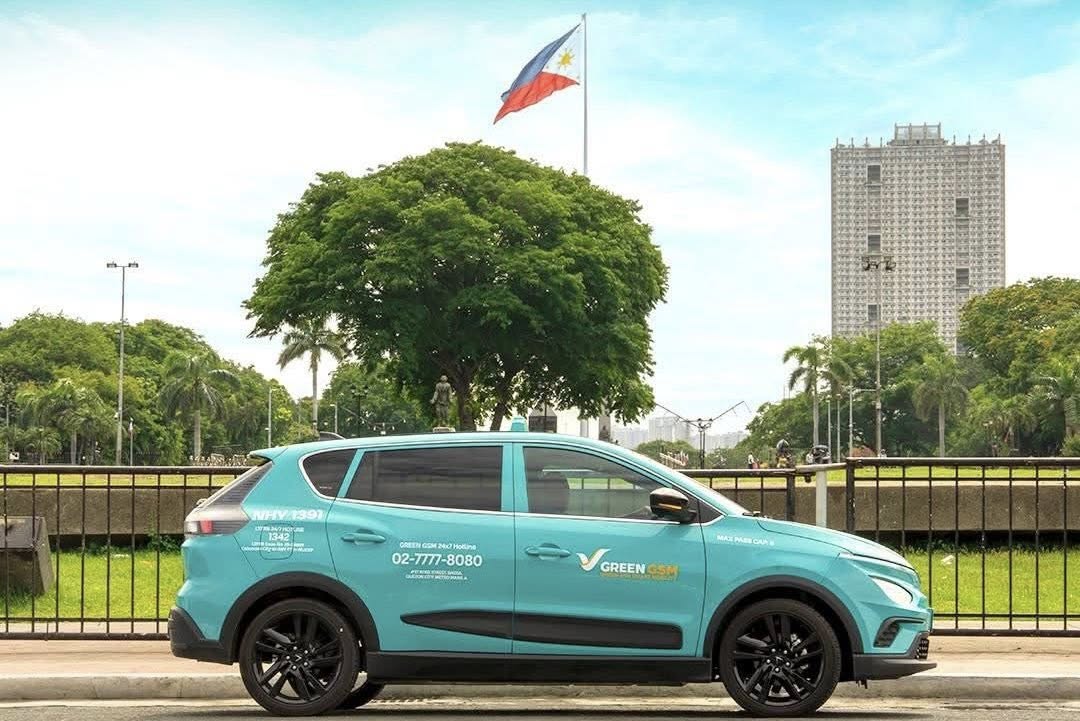

Slow travel is quietly reshaping how Filipinos explore their own backyard.
Not long ago, the “perfect” vacation was a race against time — a frantic exercise in squeezing as many provinces as possible into a single long weekend. It was the era of the 4:00 AM flight, the packed van, and the mandatory photo stops, all ending in a weary return to the office by Monday morning.
Today, the rush is fading. Travelers are choosing to stay longer, move slower, and trade mileage for meaning. Across the archipelago, a new mindset is taking root: one that values the quality of a conversation over the quantity of stamps on a passport.
From month-long “work-from-anywhere” stints in the cool highlands of Sagada to extended stays in sleepy coastal towns, travel is no longer just about the escape — it’s about the experience of truly being somewhere.
Slow travel: A shift shaped by the pandemic

The pandemic forced a collective “reset” on our travel habits.
Months of confinement didn’t just heighten the desire for movement; they changed the why behind it. We began to crave rest, healing, and a genuine reconnection with the outdoors and ourselves.
As the borders between provinces reopened, the appetite for frantic schedules simply wasn’t there. Instead of hopping across island groups in a blur, Filipinos began choosing one place and letting it reveal itself.
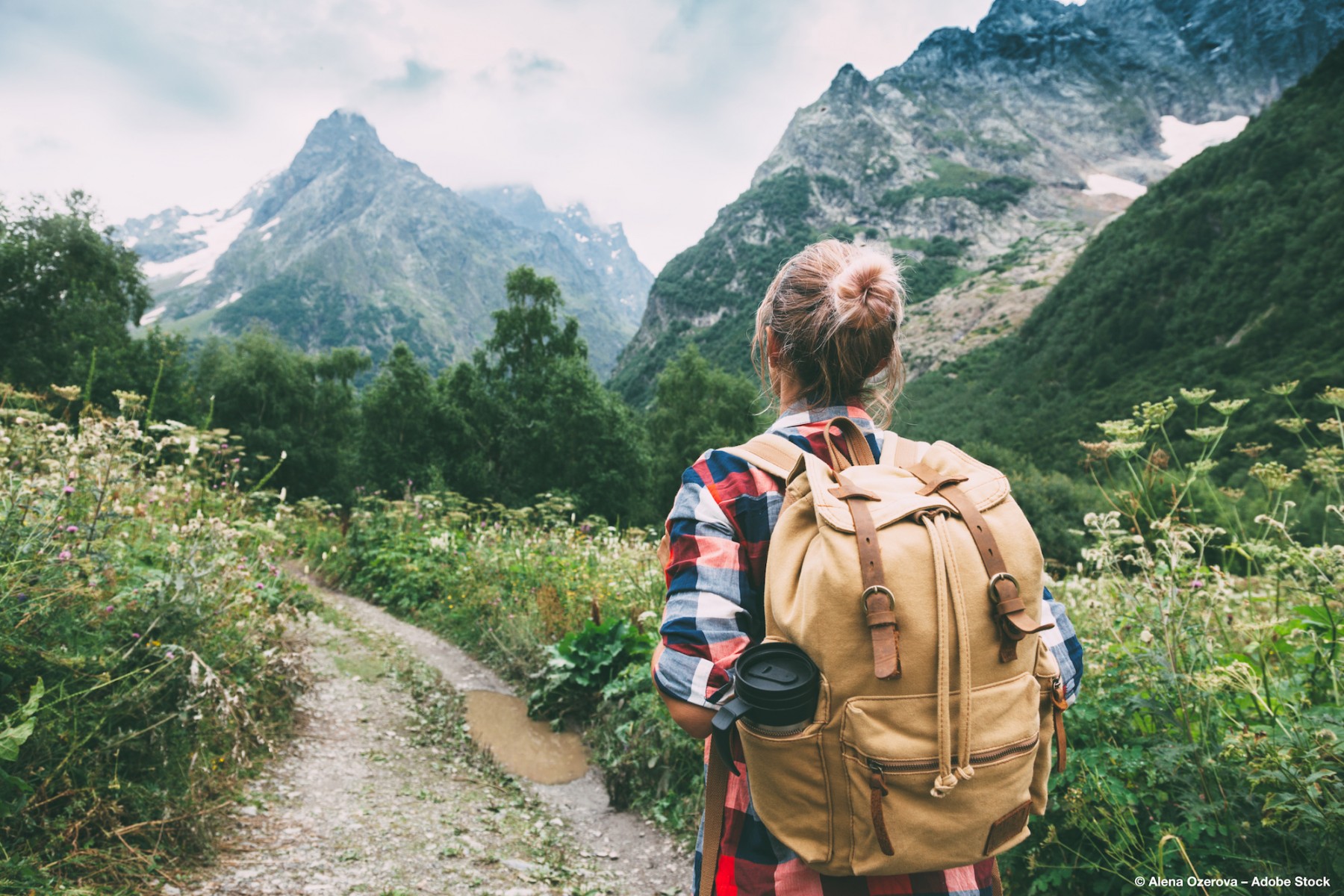
Islands like Siquijor, the rugged coastlines of Antique, the rolling hills of Batanes, and the hidden gems of Mindanao started seeing visitors who stayed for weeks, not days — travelers who preferred learning the local rhythms over chasing the “top ten” highlights.
The new luxury: Time without pressure
At its core, this shift is deeply emotional. In a world defined by burnout culture, travel has evolved into a form of recovery. The new luxury isn’t a five-star lobby; it’s a slow morning by the sea, a long, unhurried conversation with a local artisan, and the rare, quiet joy of time without pressure.
In the Philippines, we are finally learning that the best way to see the country is to stop moving and start staying.

Young professionals and freelancers are increasingly spending weeks or even months in destinations like La Union, Dumaguete, or Bukidnon — working during the day, then surfing, hiking, or sharing meals with locals after hours. The line between daily life and vacation has blurred, making longer stays not just desirable but practical.
For local communities, this trend brings more consistent income than short-term tourism bursts, especially when travelers choose locally owned accommodations, eateries, and guides.
Sustainability and “barefoot luxury”
Slow travel also aligns with growing sustainability concerns. Travelers are becoming more conscious of their environmental footprint and the impact of mass tourism on fragile destinations. Moving less means emitting less, consuming less, and respecting destinations more.
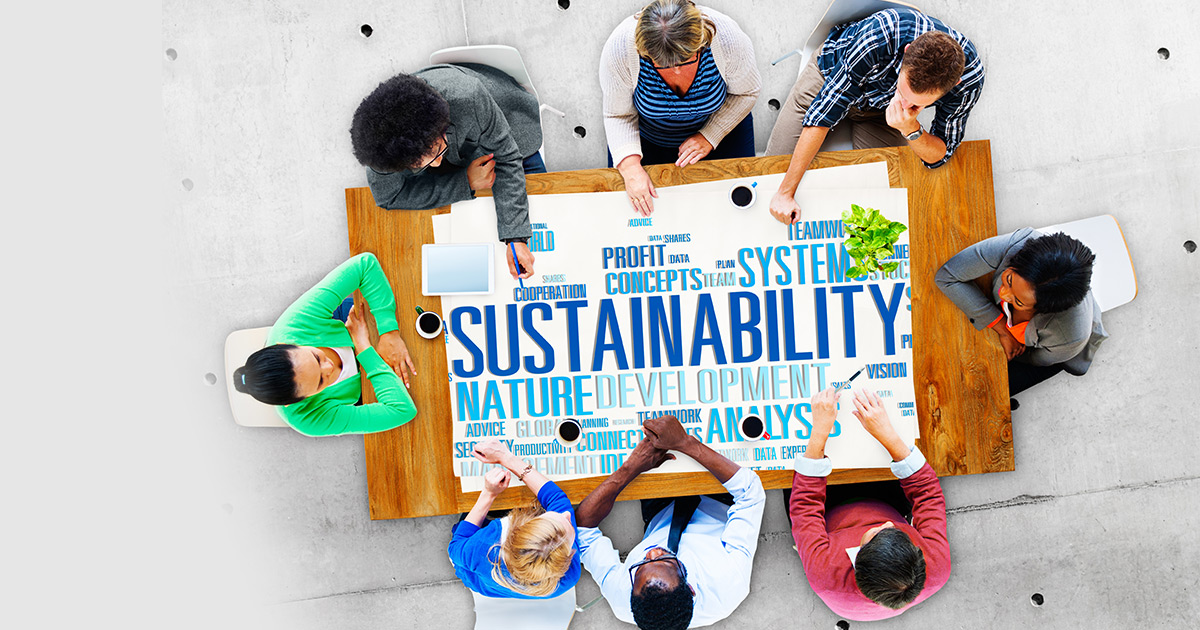
Instead of big resorts and crowded attractions, many Filipinos are opting for what some tourism experts call “barefoot luxury”: simple yet thoughtful experiences rooted in nature and culture. This could mean staying in a family-run inn, joining a farm-to-table meal, or participating in community-led tours.
In places like Palawan, Bohol, and Northern Luzon, travelers are discovering that luxury does not have to mean excess — it can mean silence, space, and authenticity.
Discovering more by doing less
Perhaps the greatest reward of slow travel is depth. Staying longer allows travelers to move beyond postcard views and into everyday life: morning markets, neighborhood fiestas, unplanned conversations, and routines that reveal a destination’s true character.

In Batanes, this might mean understanding Ivatan resilience through daily interactions, not just scenic viewpoints. In a rural town in Iloilo or Quezon, it could mean learning traditional cooking methods or listening to elders’ stories over coffee.
For many Filipinos, these experiences feel more personal and memorable than rushed sightseeing. Travel becomes less about checking places off a list and more about building connections.
A new way forward for local tourism
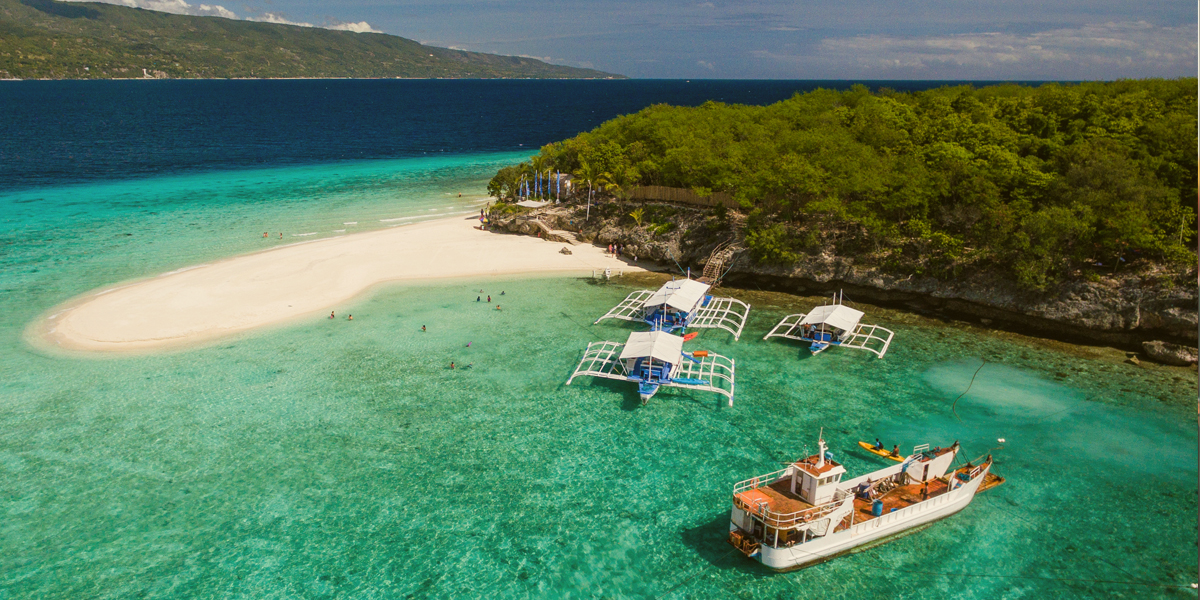
As slow travel gains traction, it offers a hopeful path for Philippine tourism — one that supports communities, protects environments, and nurtures travelers’ well-being. It encourages visitors to be guests rather than consumers, and destinations to thrive without being overwhelmed.
In choosing to stay longer and move slower, Filipinos are redefining what it means to travel well. In a country as rich in culture, landscapes, and stories as the Philippines, slowing down may be the fastest way to truly arrive.