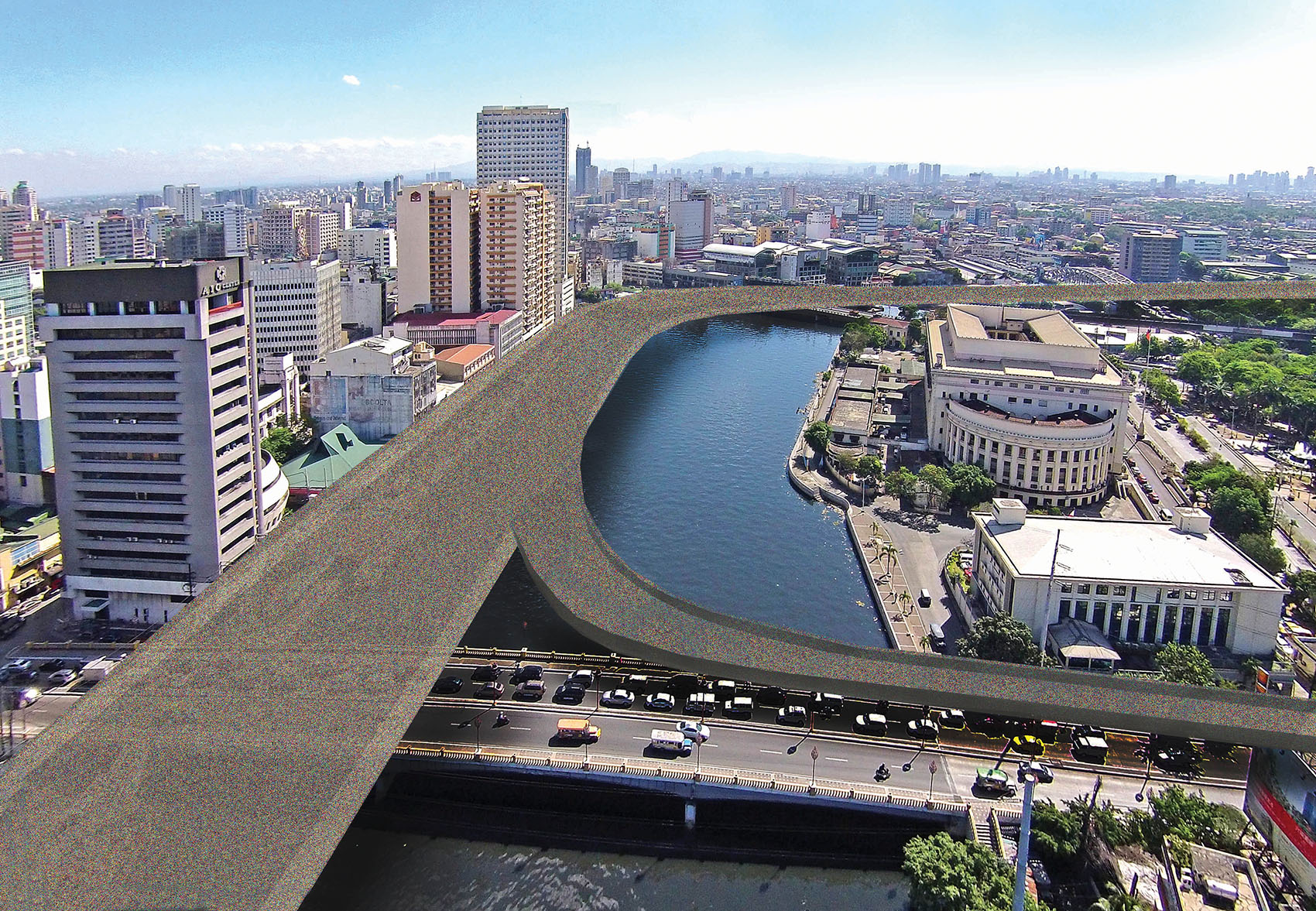
The proposed Pasig River Expressway (PAREX), a P95.4-billion project by San Miguel Corporation (SMC) to build a tollway over the Pasig River, faces a critical juncture.
Despite SMC’s commitment to proceed, the project remains mired in a complex web of environmental, heritage, and legal obstacles, prompting the Toll Regulatory Board (TRB) to seek presidential intervention.
Uncertainty about PAREX’s viability
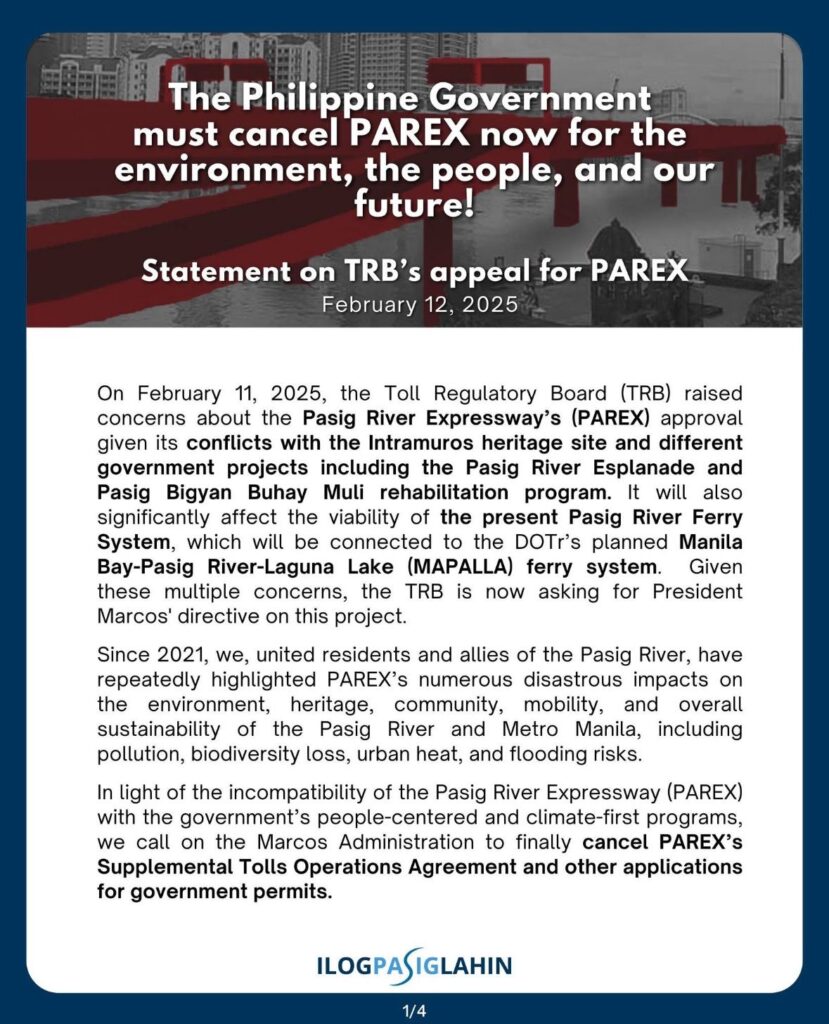
In a letter to Malacañang, the TRB has requested President Marcos Jr. to provide clear policy guidance on the PAREX project. TRB Executive Director Alvin Carullo highlighted the multitude of challenges facing the proposed expressway, casting doubt on its feasibility in its current form.
One of the most significant hurdles is the potential conflict with Intramuros.
The Intramuros Administration (IA) is actively pursuing UNESCO World Heritage Site status for the Walled City. If successful, this designation would necessitate a buffer zone around Intramuros, potentially impacting the alignment of the PAREX’s upper leg.
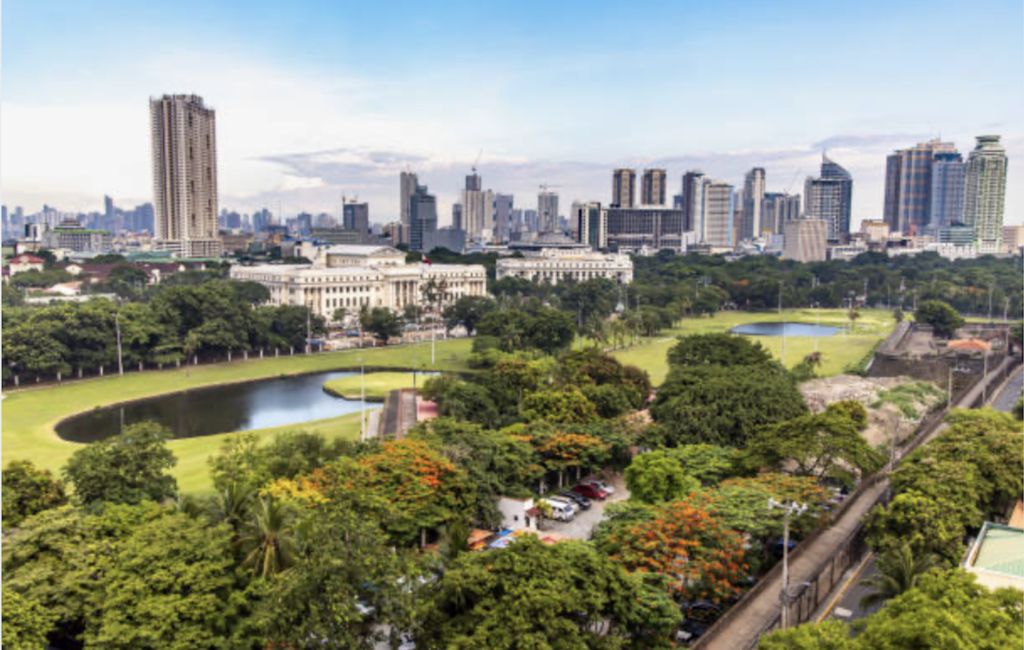
Bird’s eye view of Intramuros (CREDITS: istockphoto.com)
Carullo expressed uncertainty about the project’s viability should significant realignment be required. “The Intramuros Administration has this plan to have the entire Intramuros declared [as a World Heritage Site], so that will affect the alignment. PAREX may have to be realigned. I don’t know what would be left of the project,” he stated.
Further complicating matters is the planned P18-billion Pasig River Esplanade, a project championed by the First Family, that is aimed at rehabilitating the river.
The first phase of the 25-kilometer Pasig River Esplanade, stretching from Jones Bridge to near the Manila Post Office, has already been opened to the public in February last year, where visitors can enjoy the scenic views and stroll along the beautifully illuminated riverbanks. Benches are now also available along the walkway for those wishing to rest. The complete project will eventually span five cities and feature jogging paths, bike lanes, and commercial areas with shops and cafes.
Unfortunately, parts of the PAREX alignment will clash directly with the esplanade project, creating a significant conflict of interest.
Opposition from environmental and heritage groups
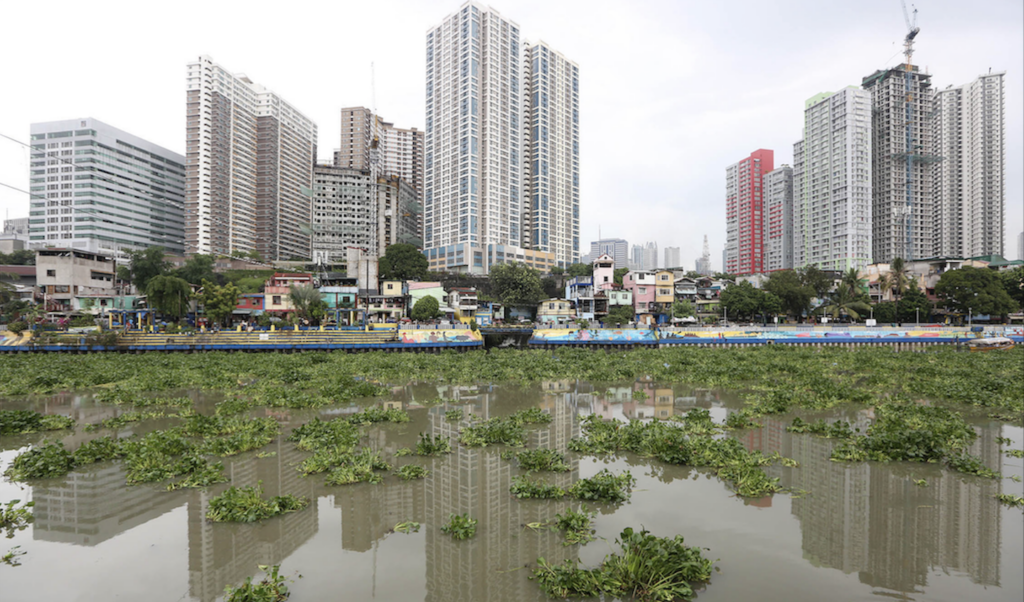
Beyond these specific issues, PAREX has also drawn considerable opposition from environmental and heritage groups. Concerns about the project being an antithesis to environment-friendly urban mobility and its potential negative impact on riverside communities and the river’s delicate ecosystem have been consistently raised.
Groups like the “Advocates of Science and Technology for the People” have warned that the expressway could block sunlight, disrupting the river’s food chain. Ilog Pasiglahin also emphasized the river’s connection to other vital waterways, including Manila Bay and Laguna de Bay, highlighting the potential for wider environmental consequences.
These persistent concerns have contributed to the project’s inability to secure an environmental compliance certificate (ECC) from the Department of Environment and Natural Resources (DENR).
Without an ECC, SMC cannot finalize its engineering design, further delaying the project.
While SMC has indicated its willingness to comply with ECC requirements and has been given until October to submit its final engineering design, securing this crucial permit remains a significant challenge.
SMC remains committed to the PAREX project
Despite these roadblocks, SMC has affirmed its commitment to the PAREX project.
Company President and CEO Ramon Ang has stated that they are finalizing the necessary documents and are prepared to address public concerns. He also acknowledged the need for public consultations before construction can begin.
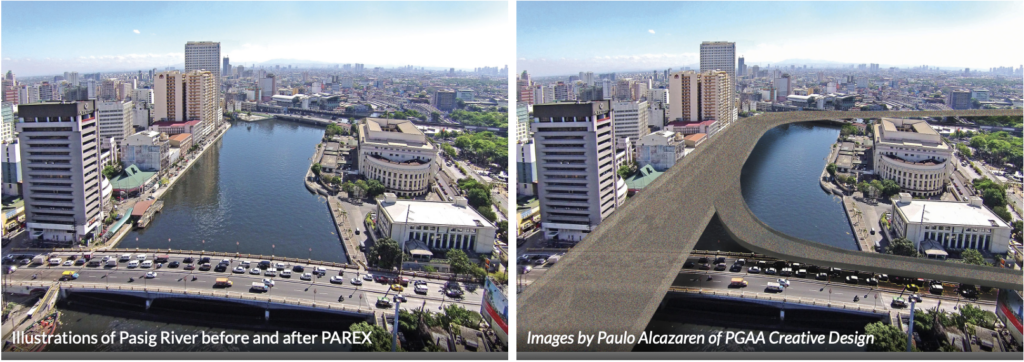
The PAREX project is envisioned as a 19.37-kilometer, six-lane elevated road connecting the Southeast Metro Manila Expressway and Radial Road 10. It aims to improve traffic flow and provide a faster connection between eastern and western Metro Manila.
However, its realization hinges on navigating the complex regulatory landscape and addressing the significant environmental and heritage concerns that have been raised.
The TRB’s call for presidential intervention underscores the gravity of the situation. The President’s directive will likely play a crucial role in determining the future of the PAREX project.
Whether the project proceeds, is significantly altered, or is ultimately scrapped, remains to be seen. The coming months will be critical in determining the fate of this ambitious and controversial infrastructure endeavor.