As the solemn observance of the Lenten season unfolds across the Philippines, kitchens transform, shedding the richness of everyday fare for a simpler, more reflective culinary landscape.
While the hearty comfort of ginisang mongo (sautéed mung beans) is a well-known Lenten staple, a deeper dive reveals a fascinating array of traditional dishes that embody the core themes of sacrifice, simplicity, and spiritual contemplation. These culinary practices, passed down through generations, offer a tangible connection to the season’s profound meaning.
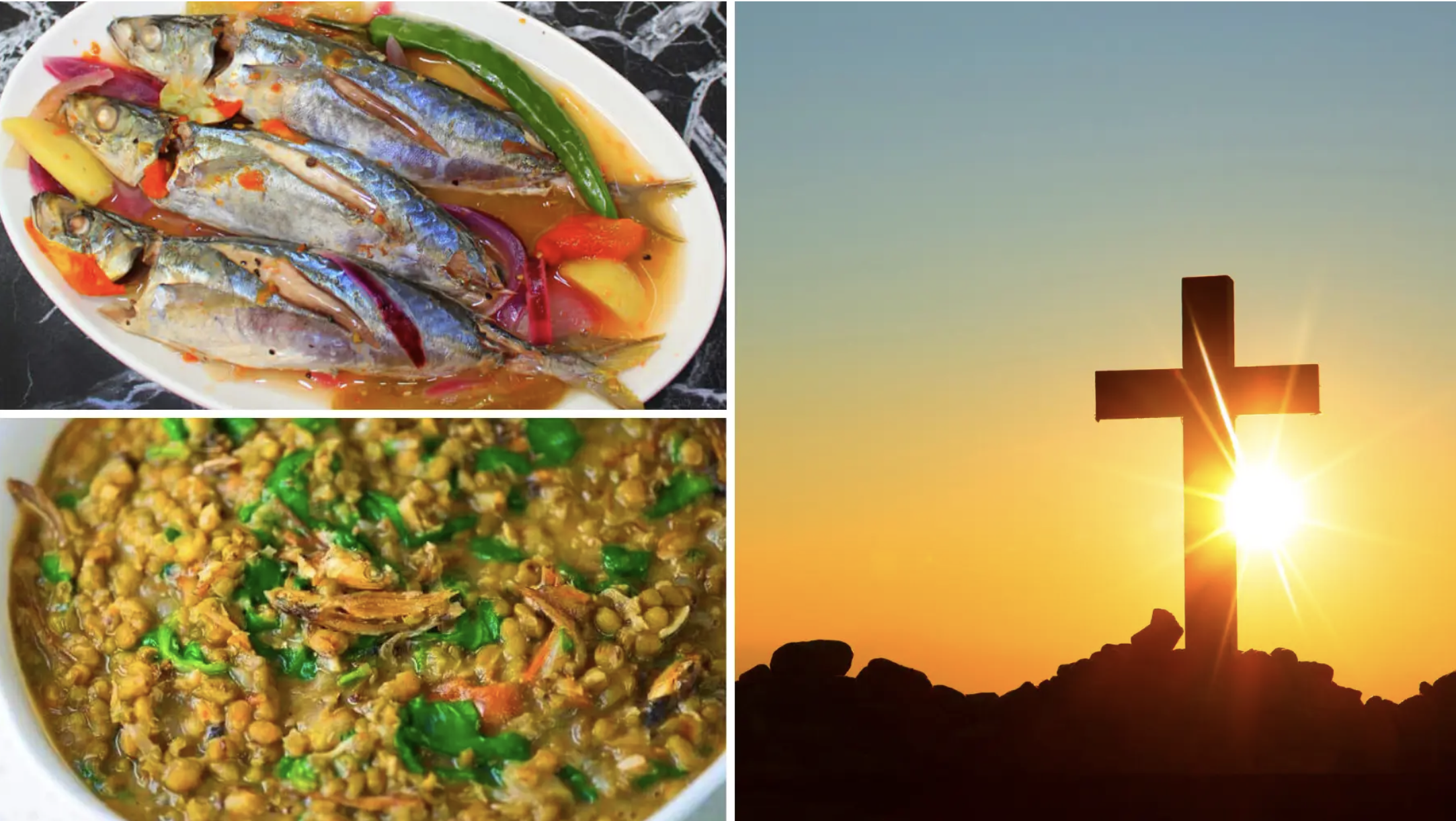
Yes, eating fish, especially on Fridays during Lent, is a significant tradition among many Filipino Catholics, rooted in the Catholic Church’s call for abstinence from meat on Fridays during the Lenten season.
While the tradition focuses on abstaining from meat, including pork, beef, and chicken, fish is often seen as a substitute, and it’s a common practice for Filipinos to incorporate fish into their meals, particularly during Lent.
This tradition is closely tied to the belief that Jesus was crucified on a Friday, and abstaining from meat is a form of penance and remembrance of His sacrifice.
The religious context behind Filipino Lenten cuisine

In terms of religious context, the practice is deeply rooted in the Catholic tradition of abstaining from meat on Fridays, especially during Lent, as a form of penance and remembrance of Jesus’ sacrifice.
The Lenten table in many Filipino households becomes a testament to resourcefulness and restraint. Meat, a symbol of celebration and often considered a luxury in earlier times, is consciously abstained from on Wednesdays and all Fridays during Lent, culminating in the complete avoidance on Good Friday.
This act of sacrifice mirrors the ultimate sacrifice of Jesus Christ. But this abstinence doesn’t equate to blandness; instead, it sparks creativity and a renewed appreciation for the bounty of the earth and the sea.
Beyond the familiar fish preparations – whether grilled (inihaw na isda), stewed in sour broth (sinigang na isda), or simmered in coconut milk (ginataang isda) – coastal regions boast unique Lenten delicacies. Consider the various seaweed dishes, like the vibrant ensaladang lato (seaweed salad) dressed with vinegar, onions, and tomatoes, or the subtly flavored guso (another type of seaweed) often cooked in a simple broth.
These dishes, readily available and requiring minimal processing, speak to the simplicity embraced during this season. Inland provinces offer their own contributions to the Lenten menu. Root crops take center stage, transforming into nourishing and humble meals.
Sweet potatoes (kamote), taro (gabi), and cassava (kamoteng kahoy) are boiled, steamed, or mashed, offering sustenance without the richness of meat. These root crops, easily grown and requiring little embellishment, symbolize the earth’s basic provisions, aligning with the theme of stripping away excess. Vegetable-based dishes also gain prominence.
Beyond abstinence: Practical and cultural roots of meatless Lenten fare

Mung beans (mongo) are a good source of protein and are relatively affordable and readily available. They also don’t spoil easily, making them a convenient choice for meals, especially when meat is limited. While ginisang mongo is a star, other simple yet flavorful vegetable stews emerge.
Pinakbet, a medley of local vegetables like eggplant, okra, string beans, and bitter melon, simmered with fermented shrimp paste (bagoong) for flavor, becomes a common sight. The dish’s inherent simplicity and reliance on readily available produce reflect the Lenten call for humility and a focus on essentials.
The tradition of eating munggo on Fridays extends beyond Lent and is a common part of Filipino cuisine, often enjoyed as a hearty and flavorful dish. Another significant Lenten food tradition is the preparation of various types of rice-based cakes and sweets, often made without eggs or dairy to adhere to fasting practices.
Binatog, boiled white corn kernels topped with grated coconut, sugar, and sometimes toasted glutinous rice, offers a simple yet satisfying treat. Kutsinta, steamed rice cakes with a chewy texture and a hint of lye, topped with grated coconut, provides a subtly sweet alternative. There’s also lugaw or arroz caldo, rice porridge with chicken, garlic, and ginger, which offers a warm and soothing dish.
These snacks, often shared within communities, highlight the spirit of togetherness and simple joys during Lent.
More than food: The ritual, connection, and meaning of Lenten cuisine

While the basic dish is a stew of mung beans, it can be prepared in various ways, with additions of vegetables, prawns, fish, or other proteins. The act of preparing and sharing these traditional Lenten foods goes beyond mere sustenance.
It becomes a ritual, a way for families and communities to collectively observe the season’s solemnity.
The simplicity of the ingredients and the methods of cooking encourage a mindful approach to food, fostering a deeper appreciation for what we have and a conscious decision to abstain from extravagance.
Moreover, these food traditions often carry historical and cultural significance. Passed down through generations, they connect contemporary Filipinos to the practices of their ancestors, reinforcing a sense of continuity and shared identity.
The reliance on local ingredients also underscores a connection to the land and its bounty, a reminder of the fundamental provisions that sustain life.
A taste of Lent: Flavorful meatless menu ideas

To further explore the diverse and flavorful options beyond the usual, here are some menu ideas perfect for the Lenten season in the Philippines:
- Pinakbet – A beloved Ilocano dish featuring a medley of vegetables like eggplant, okra, string beans, and bitter melon, uniquely flavored with shrimp paste. Its hearty nature and herbal notes make it a satisfying Lenten meal.
- Ginisang Munggo – A Lenten staple and a Filipino favorite. This vegetable soup features nutritious mung beans, stew leaves (dahon ng sili), and often shrimp for added flavor. While traditionally enhanced with chicharron, it’s easily enjoyed without for a truly Lenten dish.
- Tortang Talong – A uniquely Filipino omelet made with grilled eggplant, its skin removed and flattened, then dipped in a batter of fried eggs seasoned with salt, pepper, garlic, tomatoes, and onions. It’s a versatile dish perfect for any meal.
- Ensaladang Talong – A refreshing eggplant salad ideal for the Holy Week. Barbecued eggplant is combined with tomatoes, onions, vinegar, and a touch of bagoong alamang for an extra flavor kick.
- Ginisang Ampalaya (with egg) – Bitter melon (ampalaya) sautéed with eggs is a nutritious and delicious vegetable dish commonly enjoyed in Filipino households, making it a great Lenten option.
- Pinangat na Isda – A flavorful cooking method from the southern Philippines that results in a tangy broth reminiscent of sinigang, traditionally made with tomatoes, tamarind, santol, calamansi, or bilimbi, and featuring fish or shrimp.
- Sweet and Sour Fish – A delightful way to enjoy fish during the Sacred Week without relying on red meat. This dish offers a satisfying blend of flavors, providing a delicious alternative while adhering to Lenten traditions.
Beyond these highlighted dishes, you can also consider incorporating other flavorful meatless options into your Lenten menu:
- Kangkong in Oyster Sauce
- Ginataang Sitaw with Crab
- Bulanglang
- Daing na Bangus
- Buttered Garlic Shrimp
- Lumpiang Sariwa
- Inihaw na Pusit
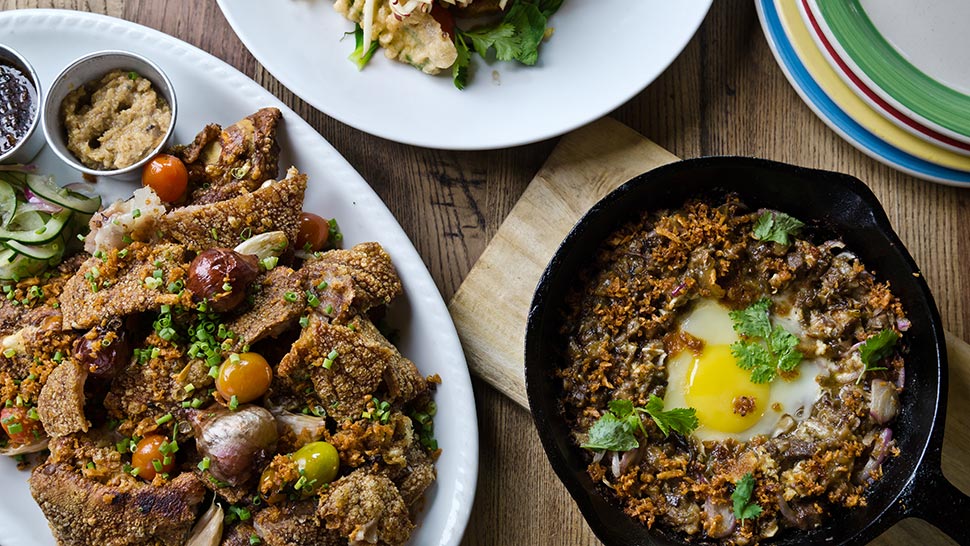
- Fish Sisig
- Rellenong Bangus
- Baked Tahong
- Ginataang Tilapia
- Grilled Tilapia
Are you a devoted Catholic who observes these traditions? In a world often characterized by abundance and indulgence, the food traditions of Lent in the Philippines offer a powerful counter-narrative. They are a tangible expression of sacrifice, a celebration of simplicity, and a delicious reminder of the deeper spiritual reflection that defines this significant season.
Beyond the familiar fish and mongo, a rich and diverse culinary heritage awaits, each dish whispering stories of faith, resilience, and the enduring spirit of the Filipino people. As families gather around these humble yet flavorful meals, they partake not just in food, but in a tradition that nourishes both body and soul.